iPhone 16 vs iPhone XS
Shop iPhone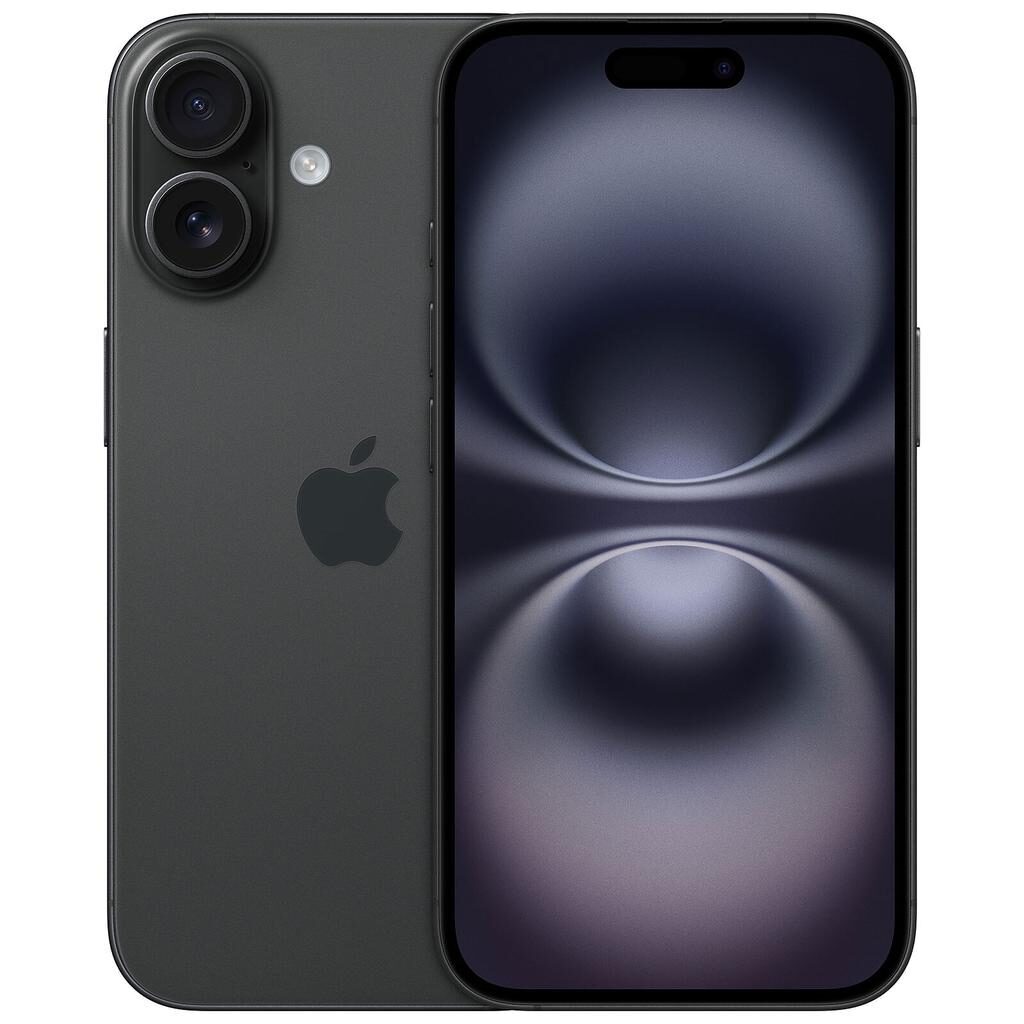
iPhone 16
Starting at
£577.65£699.00 new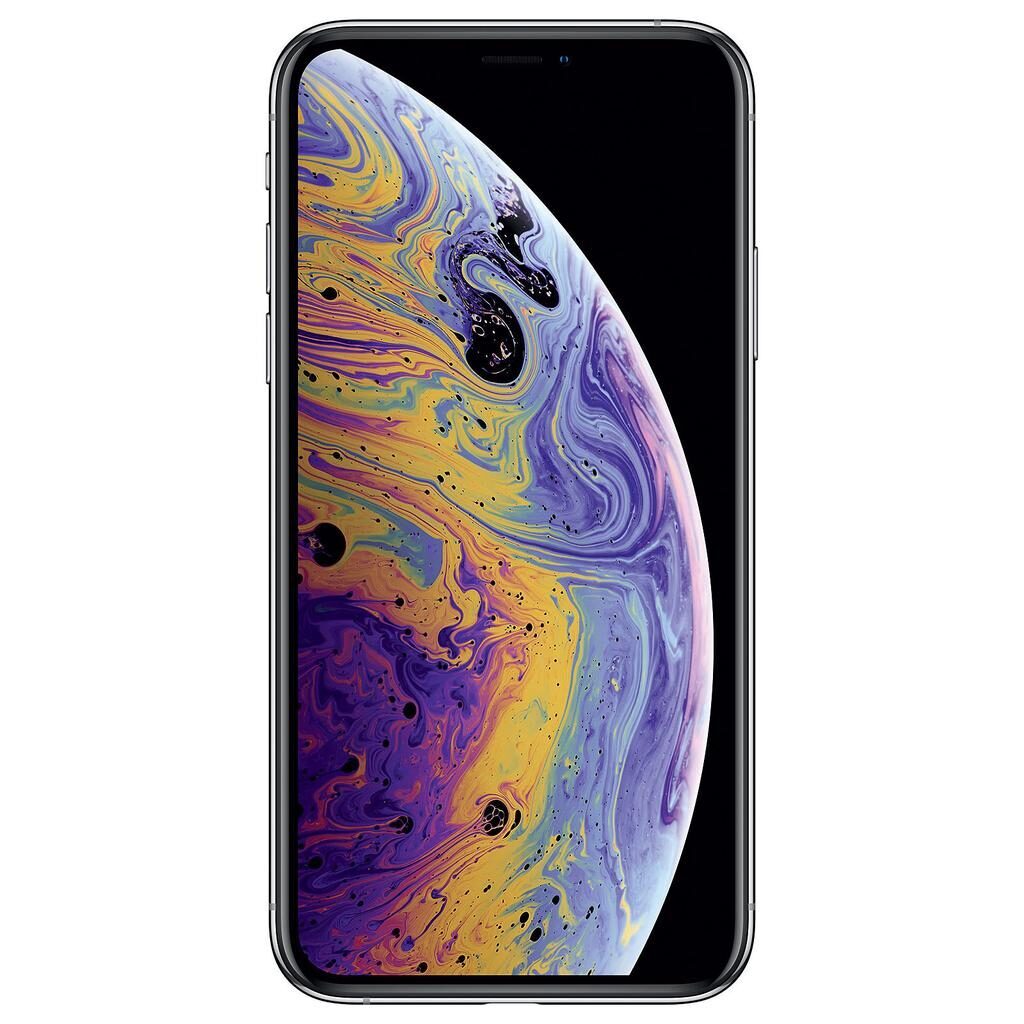
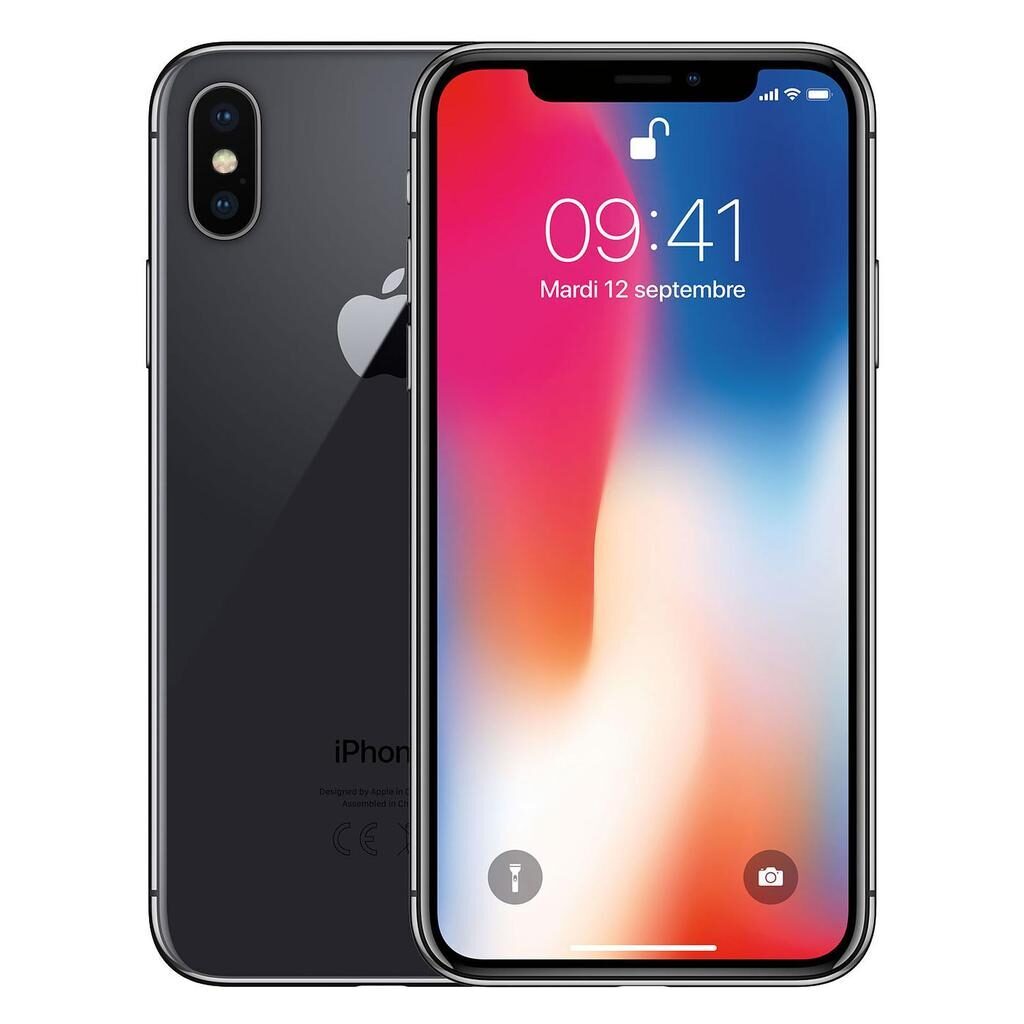
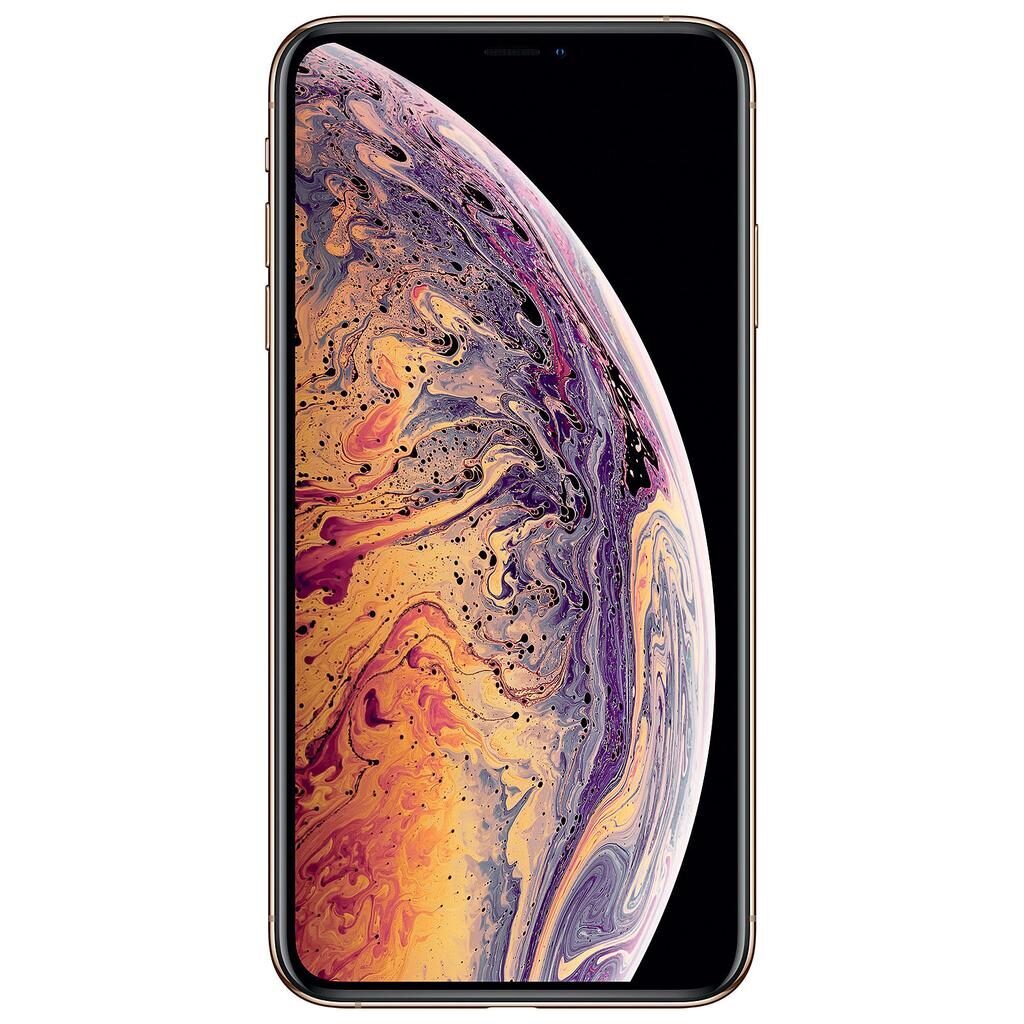
iPhone XS
Starting at
£138.35£559.00 newWhat's the difference between the iPhone 16 and iPhone XS?
iPhone 16 vs XS comes down to the chipset, RAM and battery. Refurbished, the iPhone XS starts at £138.35, £439.30 less than the iPhone 16. The iPhone 16 is the newer model, released in 2024.
Refurbished from
Chipset
RAM
Battery
Screen size
Screen type
- Chipset: Apple A18 (3 nm) on the iPhone 16, Apple A12 Bionic on the iPhone XS.
- The iPhone 16 has more RAM: 8 GB vs 4 GB.
- The iPhone 16 has a bigger battery: 3561 mAh vs 2658 mAh.
iPhone 16 vs iPhone XS specs
The iPhone 16 and iPhone XS differ in several key areas that suit different needs. The iPhone 16 offers a larger and slightly sharper screen, more powerful processing with double the RAM, and a higher capacity battery that supports 5G networks. It also uses a USB-C connector and has a 48 megapixel main camera that captures more detail. The iPhone XS has a smaller screen and a simpler 12 megapixel camera setup but provides storage options starting at 64GB. Choose the iPhone 16 if you want more power, a bigger screen, and advanced camera capabilities. The iPhone XS suits those who want a compact device with sufficient performance for everyday use and fewer storage choices.
iPhone 16 vs iPhone XS price
Colour
iPhone 16 vs iPhone XS battery life and software updates
Durability covers battery size, software updates, and basic design traits that affect daily use and longevity.
Battery Capacity
The iPhone 16 has a 3561 mAh battery which offers more capacity than the iPhone XS's 2658 mAh. This means the iPhone 16 generally suits users who need longer battery life throughout the day without frequent charging. The iPhone XS suits users with lighter daily usage who are comfortable charging more often.
Physical Design
Both phones are not foldable and have similar slim profiles with the iPhone 16 measuring 7.8 mm depth and the iPhone XS 7.7 mm. This keeps both devices comfortable to hold and carry.
Battery
Foldable
Ip rating
OS at launch
Software updates
Wireless charging
Year of release
iPhone 16 vs iPhone XS performance
Performance focuses on chipset power, memory, and storage options, all of which influence speed and capacity for apps and data.
Processor and RAM
The iPhone 16 features the Apple A18 chipset built on a 3 nm process and 8 GB of RAM, offering strong performance for multitasking and demanding apps. The iPhone XS uses the Apple A12 Bionic with 4 GB of RAM, suitable for everyday use and standard apps.
Storage Choices
You can find the iPhone 16 in 128GB, 256GB, and 512GB options, giving more flexibility for storing apps, photos, and media. The iPhone XS is available in 64GB and 256GB, which fits users with moderate storage needs or those comfortable managing space.
Chipset
RAM
iPhone 16 vs iPhone XS screen
Screen quality affects viewing experience for videos, photos, and everyday use. Differences in size, resolution, and display type offer options for different preferences.
Screen Size and Resolution
The iPhone 16 offers a 6.1 inch screen with a resolution of 1179 x 2556, providing a larger and slightly sharper display. The iPhone XS has a 5.8 inch screen at 1125 x 2436 resolution, which suits users who prefer a more compact device.
Display Technology
The iPhone 16 uses a Super Retina XDR OLED screen, while the iPhone XS has a Super Retina OLED. Both deliver sharp and vibrant colours, but the iPhone 16's display type can offer better brightness and contrast for media consumption.
Refresh rate
Resolution
Screen size
Screen type
iPhone 16 vs iPhone XS camera
Audiovisual features include camera capabilities and front camera resolution, which impact photography and video calls.
Main Camera
The iPhone 16 has a 48 megapixel dual camera setup, capturing more detail and offering versatile photo options. The iPhone XS has a 12 megapixel double camera, suitable for clear photos and everyday photography needs.
Front Camera
For selfies and video calls, the iPhone 16 provides a 12 megapixel front camera, while the iPhone XS has 7 megapixels. The higher resolution on the iPhone 16 benefits users who want sharper and more detailed front-facing images.
Camera type
Front camera
Main camera
iPhone 16 vs iPhone XS size and design
Miscellaneous features include network compatibility, connectors, physical dimensions, and other practical details that influence daily convenience and connectivity.
Network and SIM
The iPhone 16 supports 5G mobile networks, which is useful for faster data speeds where 5G is available. The iPhone XS supports 4G networks. Both devices work with physical SIM cards and eSIMs for flexible carrier options.
Connector Type
The iPhone XS uses a Lightning connector, the traditional Apple charging port.
Size and Weight
The iPhone 16 measures 147.6 mm in height, 71.6 mm in width, and 7.8 mm in depth, weighing 170 g. The iPhone XS is slightly smaller at 143.6 mm height, 70.9 mm width, 7.7 mm depth, and weighs 177 g. The iPhone 16 offers a bit more screen space while remaining lightweight.
Carrier compatibility
Connector
Depth
Height
Mobile network
Release date
SD card slot
SIM card
Weight
Width
iPhone 16 or iPhone XS: which should you buy?
Buy the iPhone 16 if
- you want more RAM (8 GB vs 4 GB)
- you want a bigger battery (3561 mAh vs 2658 mAh)
- you want a bigger screen (6.1 inch vs 5.8 inch)
Buy the iPhone XS if
- you want to spend less: it starts at £138.35, £439.30 less than the iPhone 16
What our customers say
Customers who bought the iPhone 16 appreciate its like-new condition, excellent battery health, and overall performance. Many mention the battery lasting well throughout the day and the phone feeling just like new, even when choosing models without a new battery. The larger screen and improved camera also receive praise. Some users note the phone looks pristine and is perfect for those upgrading from earlier models. A few customers highlight the environmental benefit of buying refurbished. Satisfaction is high with the condition and speed of the phone.
Buyers of the iPhone XS often comment on the phone's compact size and smooth operation. They appreciate the device looking spotless and running well for everyday use. Battery life is generally described as sufficient for daily tasks, and the camera meets expectations for casual photography. Some buyers mention their phones come in excellent condition with no visible marks. A few customers experienced minor issues such as marks or camera faults, but many are happy with the phone's performance and quality. The XS suits users who want a smaller phone with reliable performance.
Overall, the iPhone 16 fits customers looking for a larger screen, stronger battery, and higher camera resolution. The iPhone XS is popular among users who prefer a compact device with solid everyday performance. Both models are well received when in good condition.
iPhone 16 vs iPhone XS FAQs
iPhone 16 vs XS comes down to the chipset, RAM and battery. Chipset: Apple A18 (3 nm) on the iPhone 16, Apple A12 Bionic on the iPhone XS. The iPhone 16 has more RAM: 8 GB vs 4 GB.
The iPhone XS is cheaper refurbished, from £138.35 compared with £577.65 for the iPhone 16.
The iPhone 16 has a bigger battery: 3561 mAh vs 2658 mAh.
The iPhone 16 has a higher-resolution main camera: 48 megapixels vs 12 megapixels.
The iPhone 16 is still supported and can run iOS 27. Updates for the iPhone XS ended in Apr 2026. Its last version is iOS 18.
The iPhone 16 adds more RAM (8 GB vs 4 GB), a bigger battery (3561 mAh vs 2658 mAh) and a bigger screen (6.1 inch vs 5.8 inch). Refurbished, it costs £439.30 more (from £577.65 vs £138.35).
Refurbished, the iPhone 16 comes in 128GB, 256GB and 512GB, and the iPhone XS in 64GB and 256GB.