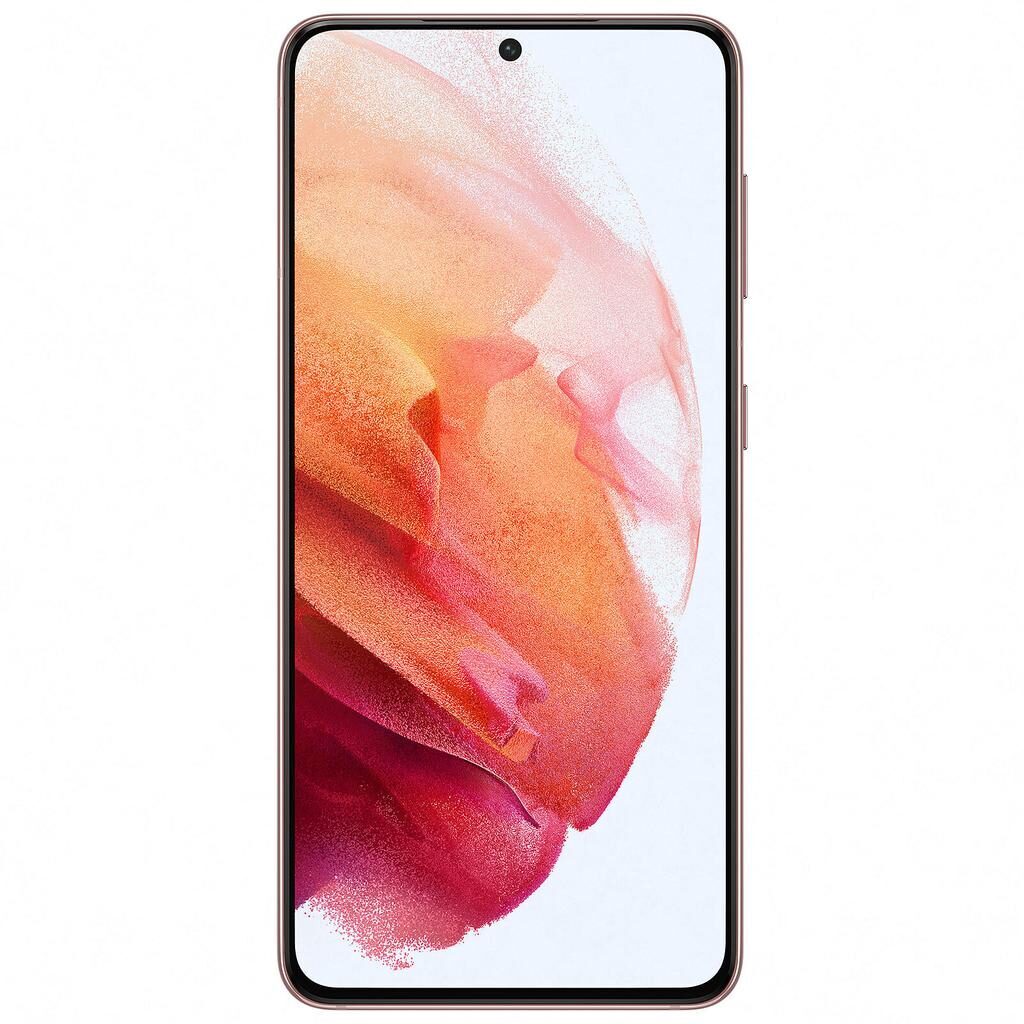
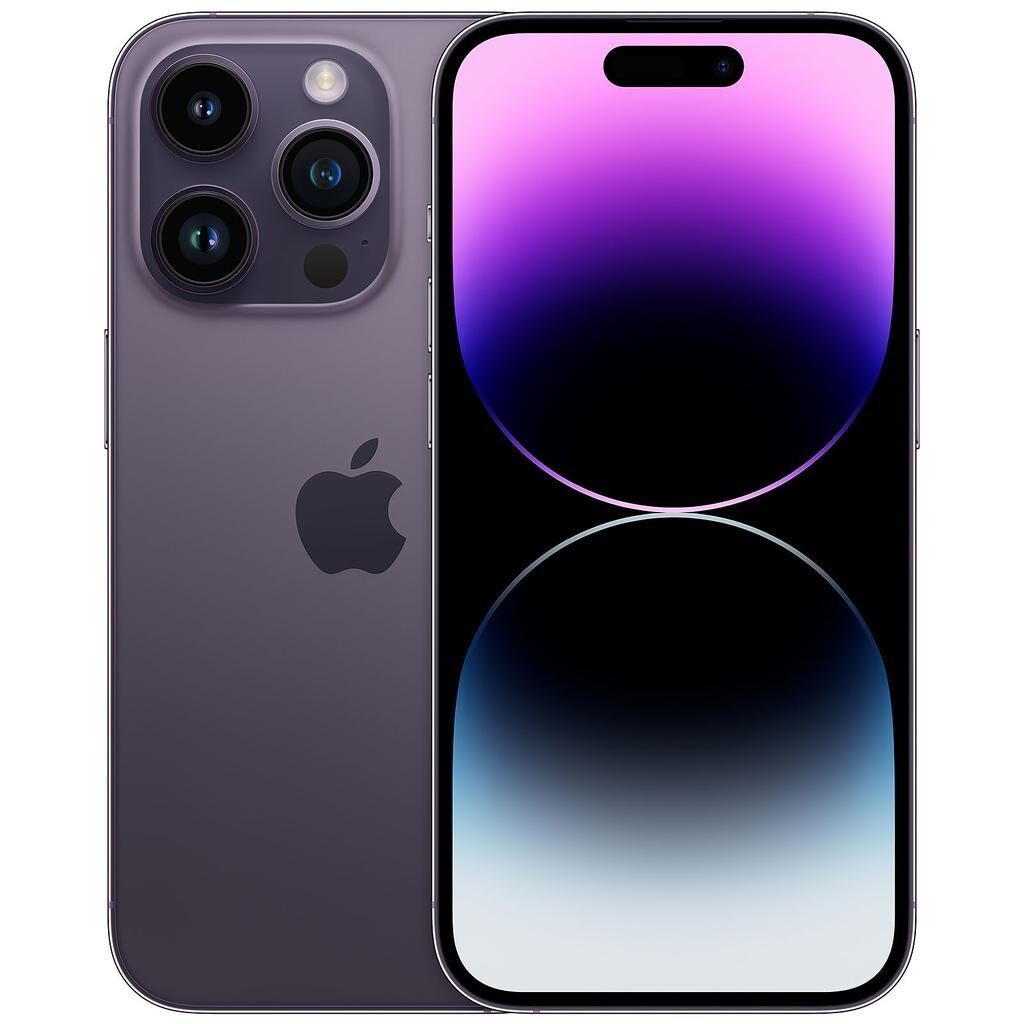
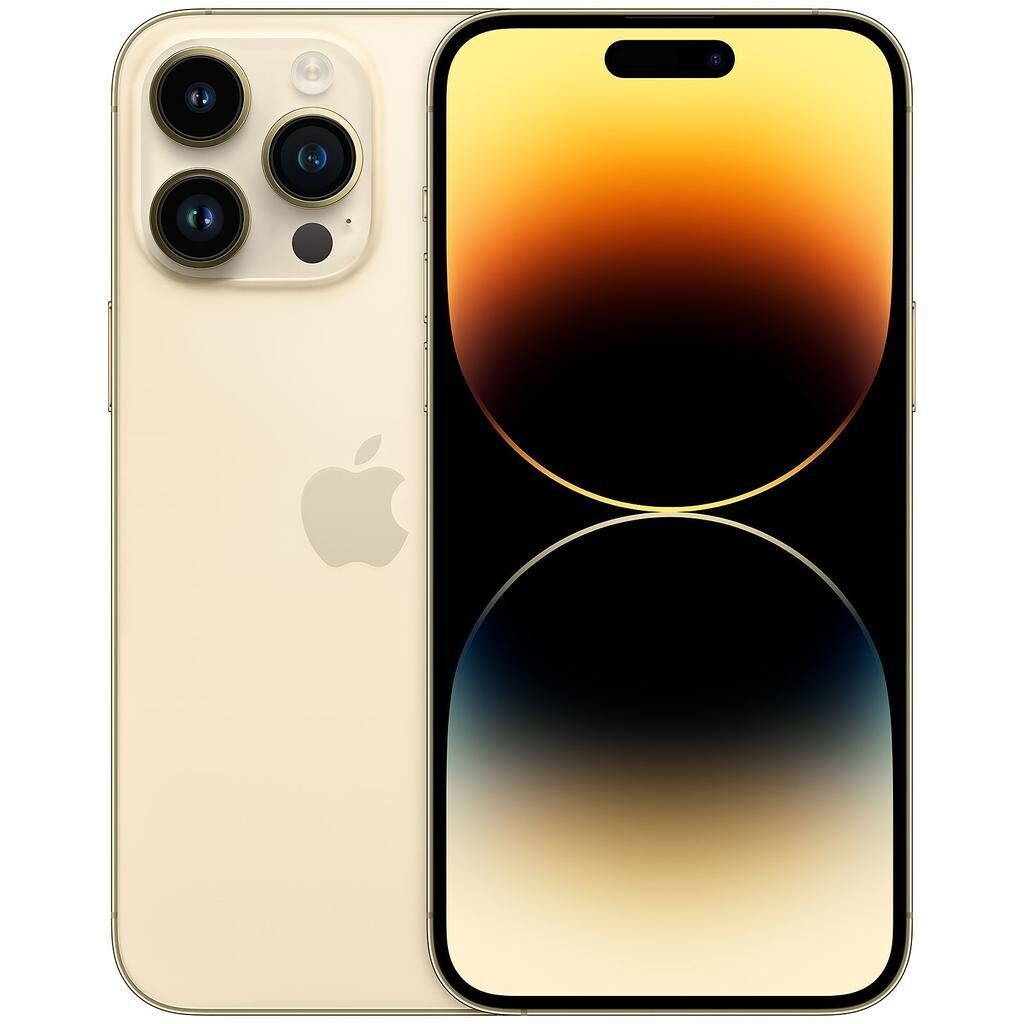
iPhone 16 Pro vs iPhone SE (2022)
Shop iPhone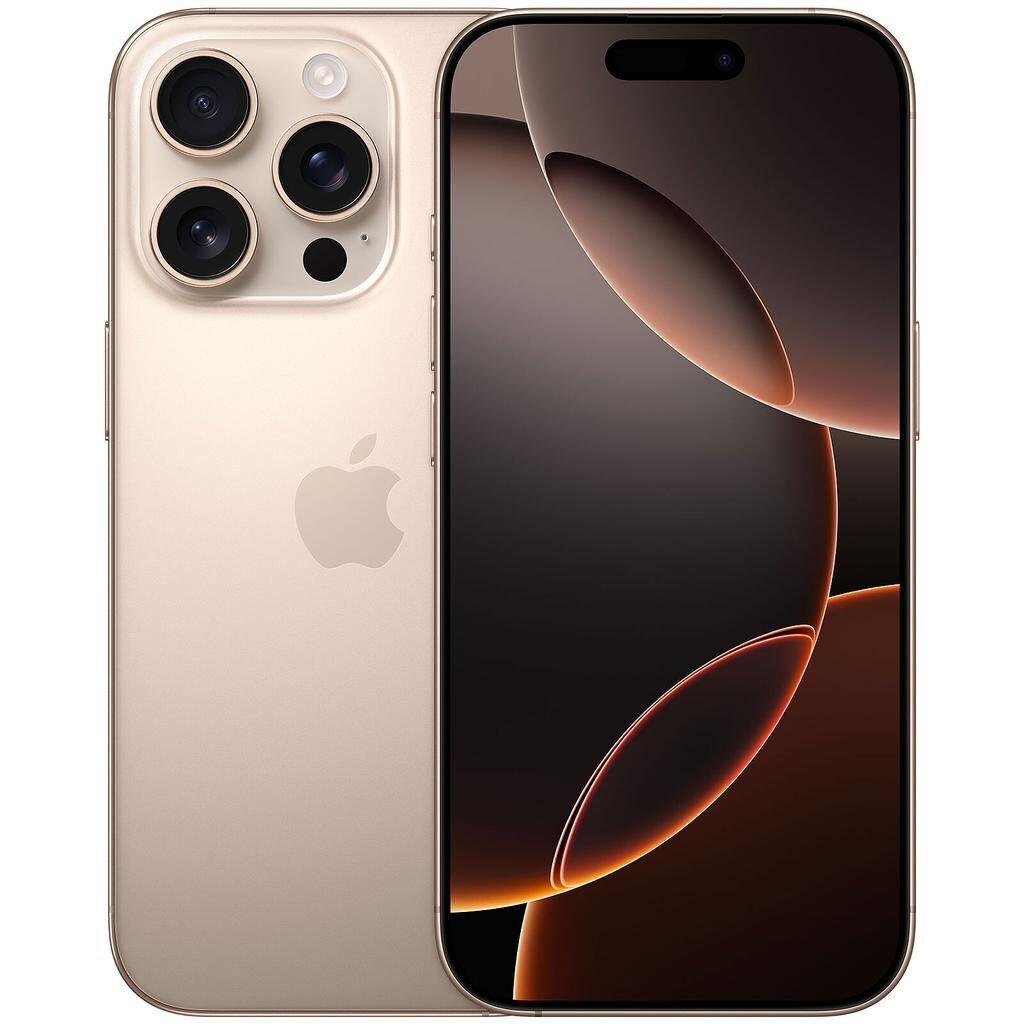
iPhone 16 Pro
Starting at
£737.50£999.00 new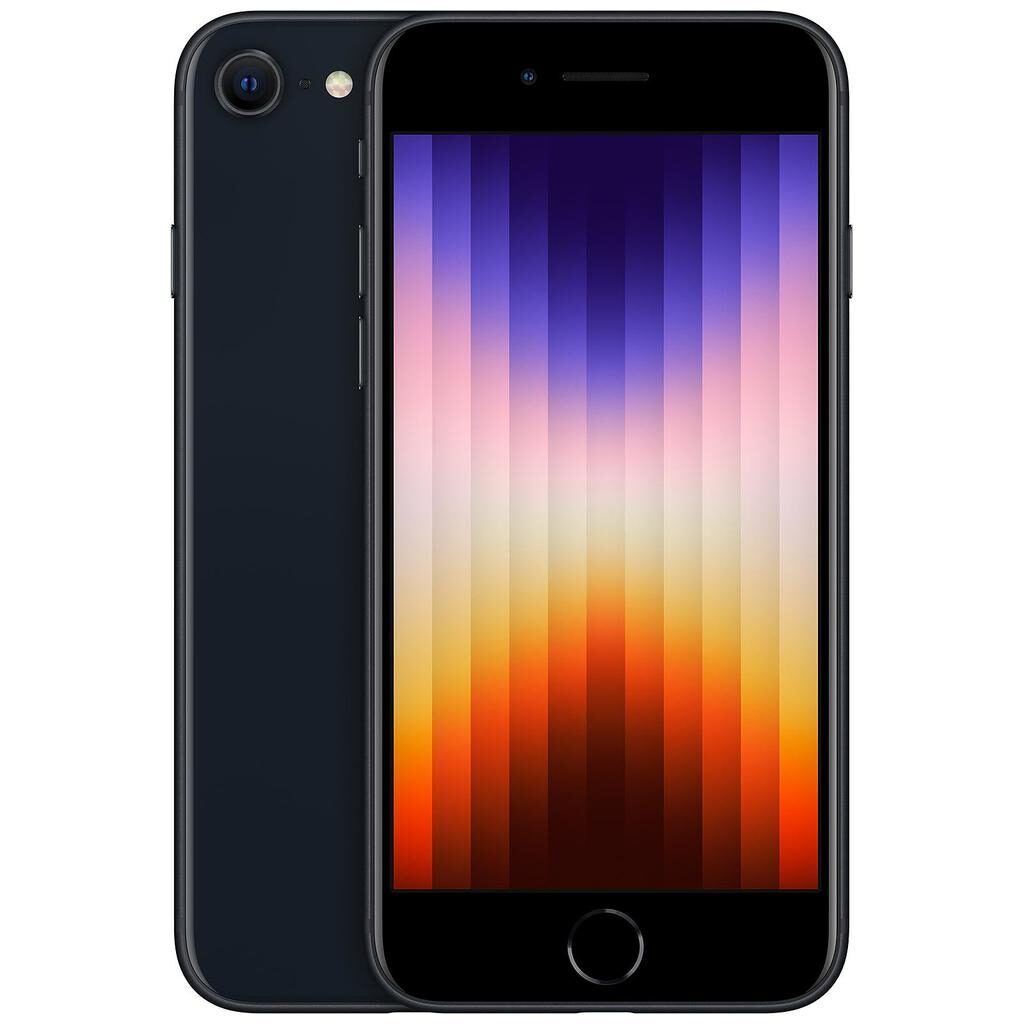
iPhone SE (2022)
Starting at
£113.85£429.00 newWhat's the difference between the iPhone 16 Pro and iPhone SE (2022)?
iPhone 16 Pro vs iPhone SE (2022) comes down to the chipset, RAM and screen size. Refurbished, the iPhone SE (2022) starts at £113.85, £623.65 less than the iPhone 16 Pro. The iPhone 16 Pro is the newer model, released in 2024.
Refurbished from
Chipset
RAM
Screen size
Screen type
Main camera
- Chipset: Apple A18 Pro on the iPhone 16 Pro, Apple A15 Bionic on the iPhone SE (2022).
- The iPhone 16 Pro has more RAM: 8 GB vs 4 GB.
- The iPhone 16 Pro has a bigger screen: 6.3 inch vs 4.7 inch.
iPhone 16 Pro vs iPhone SE (2022) specs
The iPhone 16 Pro and iPhone SE 2022 differ mainly in screen size and quality, camera resolution, memory, and connectors. The iPhone 16 Pro offers a larger, higher-resolution OLED screen ideal for watching videos or browsing with more detail and smoothness. It also has more memory, which keeps multiple apps open with less slow down. Its cameras capture more detail, suitable for those who want sharper photos and selfies. Its Lightning connector fits with older Apple accessories. Both models are unlocked and support physical and eSIM SIM cards.
iPhone 16 Pro vs iPhone SE (2022) price
Colour
iPhone 16 Pro vs iPhone SE (2022) battery life and software updates
Durability covers software updates, physical design, and operating system versions.
Software Compatibility
This means you can expect ongoing software support and access to new features from Apple on either device.
Operating System Version
This reflects their different release years and software bases, with the 16 Pro using the newest system.
Battery
Foldable
Ip rating
OS at launch
Software updates
Wireless charging
Year of release
iPhone 16 Pro vs iPhone SE (2022) performance
Chipset
RAM
iPhone 16 Pro vs iPhone SE (2022) screen
Screen quality affects how you view photos, videos, and use apps. The two phones differ in size, resolution, and display type, which influences clarity, colour, and overall viewing experience.
Screen Size and Resolution
The iPhone 16 Pro has a 6.3 inch screen with a resolution of 1206 x 2622, providing a wider and sharper display. This is ideal for watching videos or viewing detailed content. The iPhone SE 2022 has a smaller 4.7 inch screen with 750 x 1334 resolution, making it more compact and easier to use one-handed.
Screen Technology
The iPhone 16 Pro uses an LTPO Super Retina XDR OLED screen, which offers deeper blacks and more vibrant colours. The iPhone SE 2022 features a Retina IPS LCD screen, which delivers clear images but with different colour and contrast characteristics. This suits everyday tasks and simpler viewing needs.
Refresh rate
Resolution
Screen size
Screen type
iPhone 16 Pro vs iPhone SE (2022) camera
Camera quality and front camera resolution impact your photos and video calls. These devices have notable differences in megapixels for both main and front cameras.
Main Camera Resolution
The iPhone 16 Pro has a 48 megapixel main camera, which captures more detail in photos, making it better for users who prioritise high-resolution photography. The iPhone SE 2022 has a 12 megapixel main camera, suitable for everyday snapshots and casual photography.
Front Camera Resolution
With a 12 megapixel front camera, the iPhone 16 Pro offers higher resolution selfies and video calls than the iPhone SE 2022, which has a 7 megapixel front camera. This suits users who frequently use the front camera.
Front camera
Main camera
iPhone 16 Pro vs iPhone SE (2022) size and design
Other important differences include network, physical dimensions, connectors, storage options, and weight. These affect daily handling, compatibility, and capacity.
Storage Options
The iPhone 16 Pro is available in several storage capacities from 128GB up to 1TB, offering flexibility for users with large app libraries or media collections. The iPhone SE 2022 comes with 64GB, which suits users with lighter storage needs.
Connector Type
The iPhone SE 2022 uses the Lightning connector, compatible with many existing Apple accessories.
Physical Size and Weight
The iPhone 16 Pro measures 149.6 mm in height, 71.5 mm in width, and 8.3 mm in depth, weighing 199 g. This larger size suits users who prefer a more spacious device. The iPhone SE 2022 is smaller at 130 mm in height, 60 mm in width, and 7.3 mm in depth, weighing 144 g, ideal for those wanting a compact, lighter phone.
Mobile Network
Both devices support 5G networks, ensuring fast mobile data speeds where available.
SIM Card Support
Both the iPhone 16 Pro and iPhone SE 2022 support a physical SIM and eSIM, offering flexibility in how you use mobile networks.
Carrier compatibility
Connector
Depth
Height
Mobile network
Release date
SD card slot
SIM card
Weight
Width
iPhone 16 Pro or iPhone SE (2022): which should you buy?
Buy the iPhone 16 Pro if
- you want more RAM (8 GB vs 4 GB)
- you want a bigger screen (6.3 inch vs 4.7 inch)
- you want an OLED screen
Buy the iPhone SE (2022) if
- you want to spend less: it starts at £113.85, £623.65 less than the iPhone 16 Pro
- you want a lighter build (144 g vs 199 g)
What our customers say
Customers who chose the iPhone 16 Pro often mention the phone's excellent condition and almost-new appearance. Many are pleased with the battery health, screen quality, and sharpness of the camera. Some praise the larger screen and improved camera detail, noting it as a significant upgrade from previous devices. A few customers mention initial doubts about buying refurbished but report satisfaction with the phone's performance and look, describing it as a good value for the price.
For the iPhone SE 2022, customers appreciate the phone's compact size and ease of setup. Many find it works smoothly and is suitable for everyday use. The 5G support is noted as a positive feature. Some buyers mention minor cosmetic marks consistent with refurbishment grade but otherwise good performance. There are occasional concerns about battery indicators and condition, though most customers report satisfaction with the phone's overall quality.
Overall, the iPhone 16 Pro appeals to those wanting a larger, high-performance phone with advanced screen and camera features. The iPhone SE 2022 suits users who prefer a smaller device with solid everyday functionality and simpler design.
iPhone 16 Pro vs iPhone SE (2022) FAQs
iPhone 16 Pro vs iPhone SE (2022) comes down to the chipset, RAM and screen size. Chipset: Apple A18 Pro on the iPhone 16 Pro, Apple A15 Bionic on the iPhone SE (2022). The iPhone 16 Pro has more RAM: 8 GB vs 4 GB.
The iPhone SE (2022) is cheaper refurbished, from £113.85 compared with £737.50 for the iPhone 16 Pro.
The iPhone 16 Pro has a higher-resolution main camera: 48 megapixels vs 12 megapixels.
The iPhone 16 Pro is still supported and can run iOS 27. The iPhone SE (2022) is still supported and can run iOS 27.
The iPhone 16 Pro adds more RAM (8 GB vs 4 GB), a bigger screen (6.3 inch vs 4.7 inch) and an OLED screen. Refurbished, it costs £623.65 more (from £737.50 vs £113.85).
Refurbished, the iPhone 16 Pro comes in 128GB, 256GB, 512GB and 1TB, and the iPhone SE (2022) in 64GB.