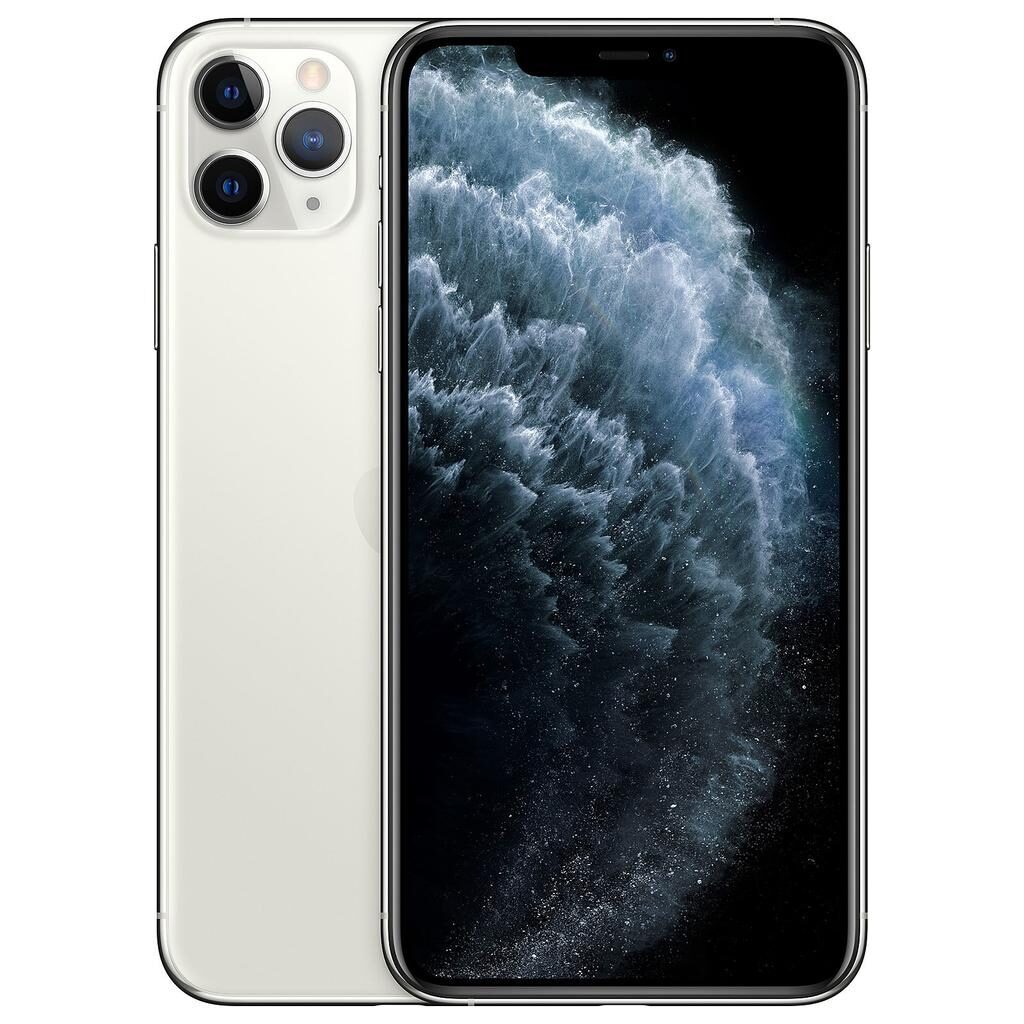
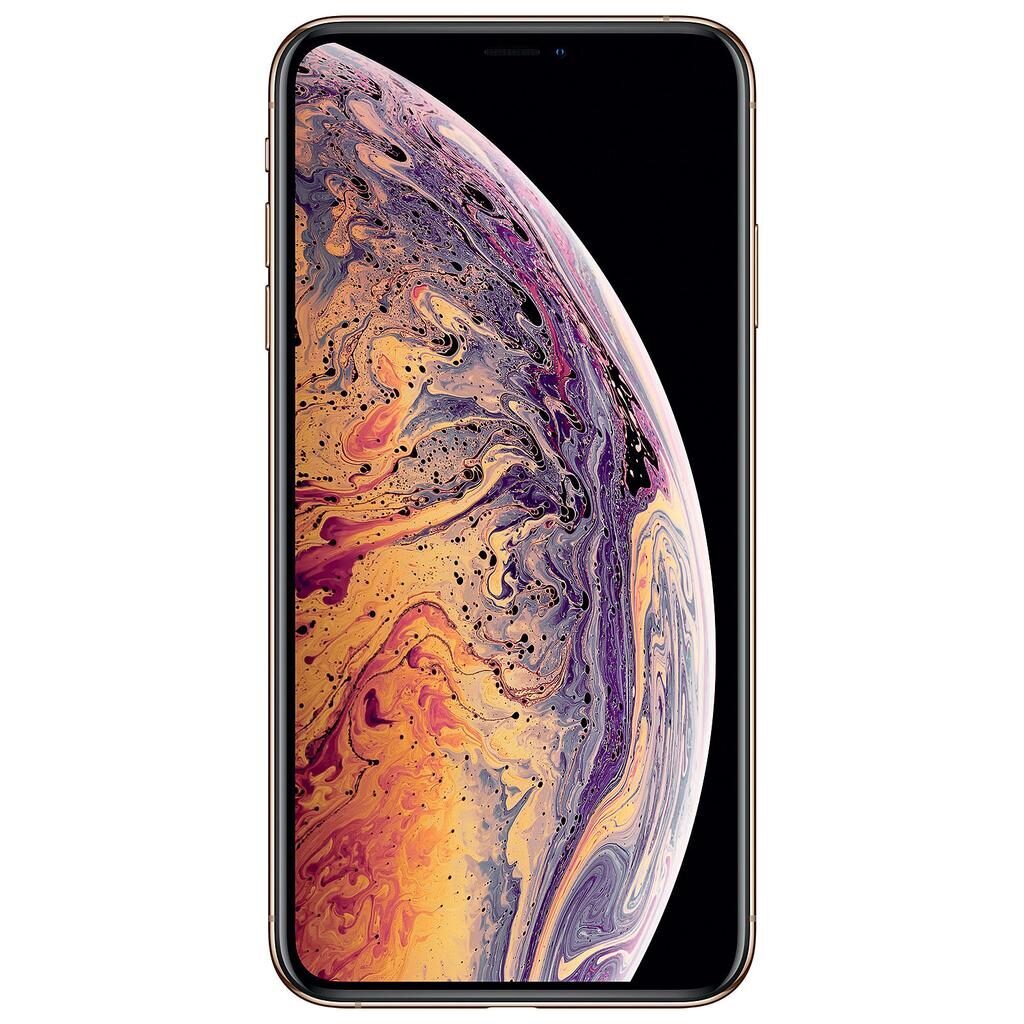
iPhone 16 Plus vs iPhone XS
Shop iPhone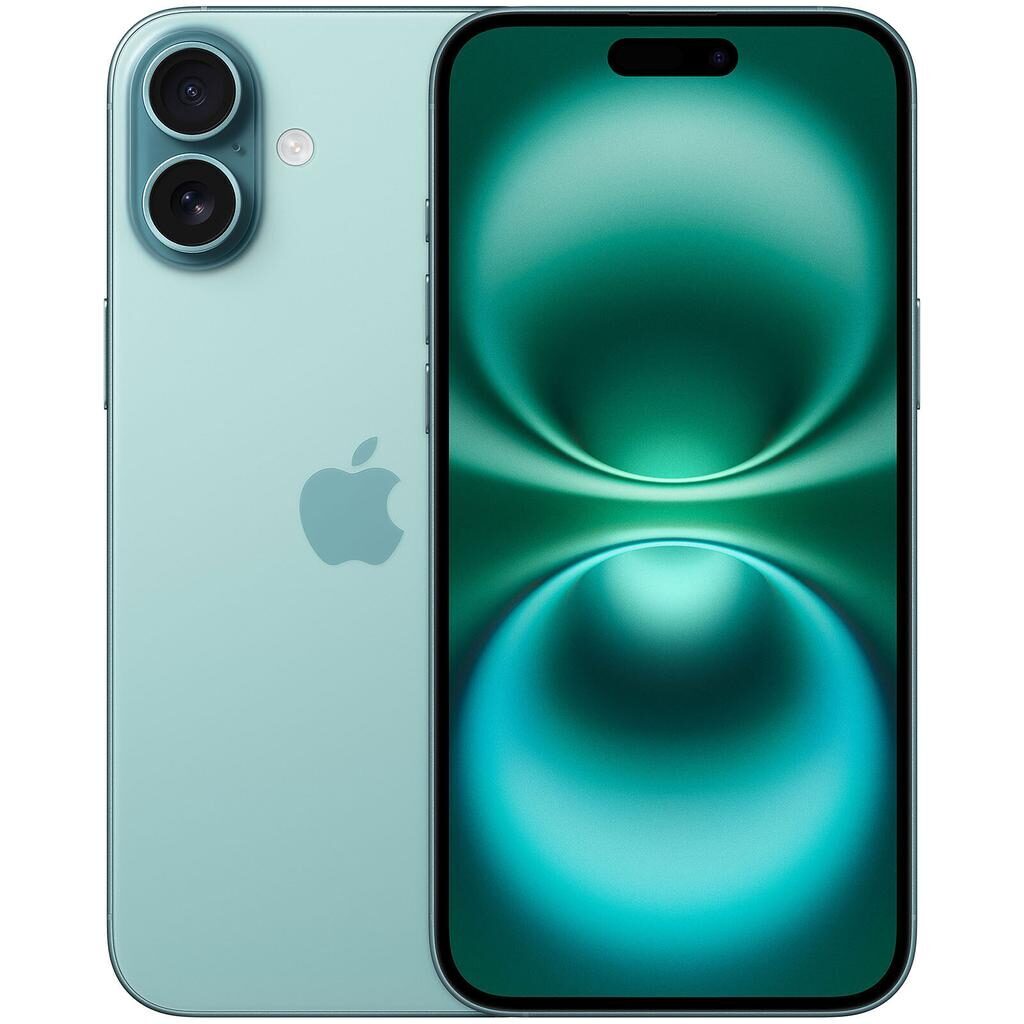
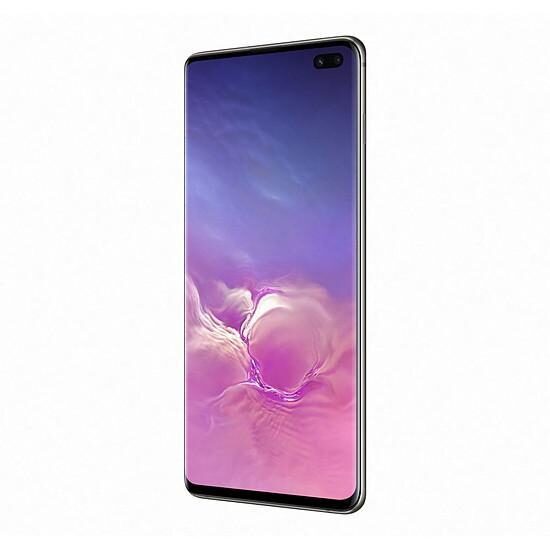
iPhone 16 Plus
Starting at
£588.00£799.00 new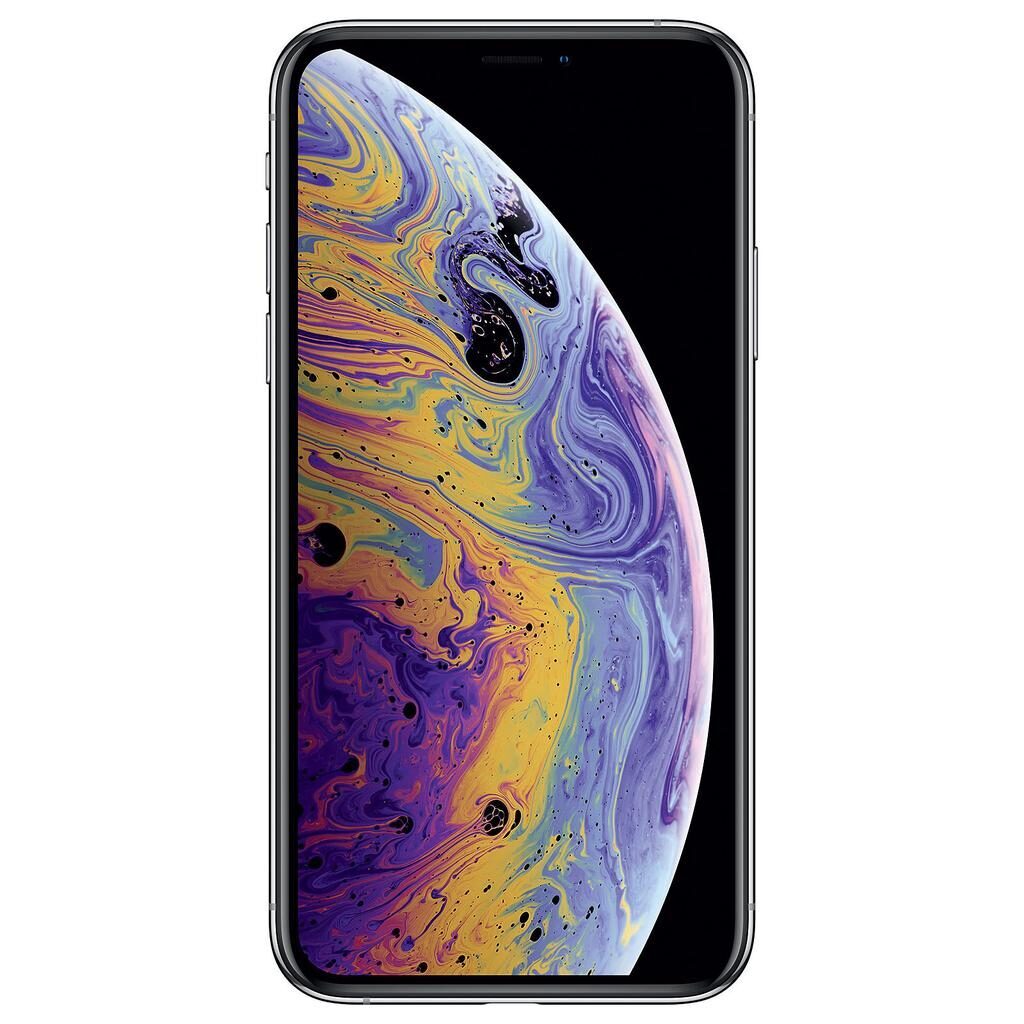
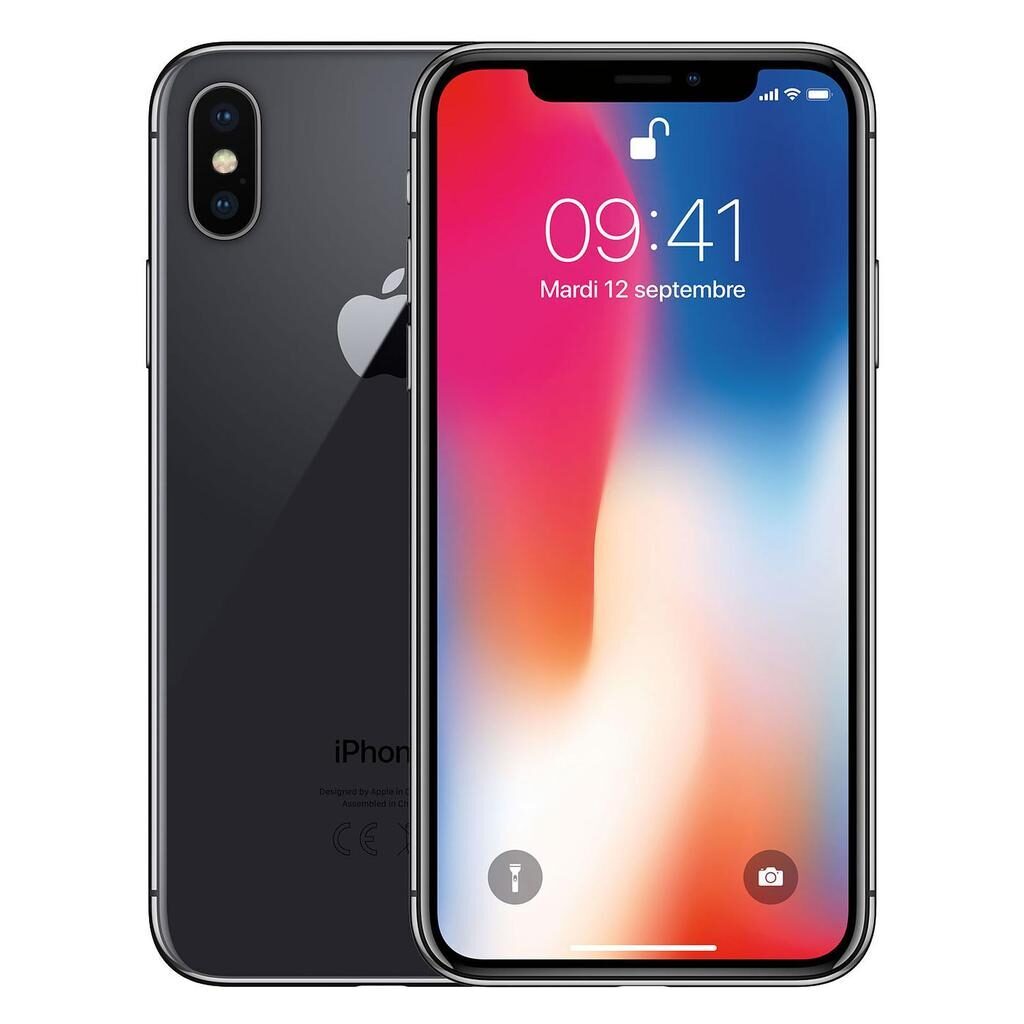
iPhone XS
Starting at
£138.35£559.00 newWhat's the difference between the iPhone 16 Plus and iPhone XS?
iPhone 16 Plus vs XS comes down to the chipset, RAM and battery. Refurbished, the iPhone XS starts at £138.35, £449.65 less than the iPhone 16 Plus. The iPhone 16 Plus is the newer model, released in 2024.
Refurbished from
Chipset
RAM
Battery
Screen size
Screen type
- Chipset: Apple A18 on the iPhone 16 Plus, Apple A12 Bionic on the iPhone XS.
- The iPhone 16 Plus has more RAM: 8 GB vs 4 GB.
- The iPhone 16 Plus has a bigger battery: 4674 mAh vs 2658 mAh.
iPhone 16 Plus vs iPhone XS specs
The iPhone 16 Plus and iPhone XS differ across several key areas, making each suitable for different users. The iPhone 16 Plus offers a larger screen and more memory, which suits those who want more room for videos and smoother multitasking. Its battery capacity supports longer use between charges. The iPhone 16 Plus also has higher resolution cameras for more detailed photos and supports 5G networks, ideal for faster mobile data. The iPhone XS is more compact and lighter, which suits users who prefer a smaller device that fits easily in one hand. It offers solid performance and screen quality for everyday tasks.
iPhone 16 Plus vs iPhone XS price
Colour
iPhone 16 Plus vs iPhone XS battery life and software updates
Durability covers battery, software updates and physical design. These aspects affect how long the phone lasts in daily use and how long it stays current.
Battery Capacity
The iPhone 16 Plus has a 4674 mAh battery, which supports longer use between charges. This suits users who need their phone to last throughout the day without frequent recharging. The iPhone XS has a 2658 mAh battery, which fits well for users with lighter daily usage or those who charge regularly.
Battery
Foldable
Ip rating
OS at launch
Software updates
Wireless charging
Year of release
iPhone 16 Plus vs iPhone XS performance
Performance depends on chipset, RAM, and storage size. These affect how smoothly the phone runs apps and handles multiple tasks.
Chipset and Speed
The iPhone 16 Plus uses the Apple A18 chipset built on a 3 nm process, offering modern performance suited to demanding apps and gaming. The iPhone XS has the Apple A12 Bionic chip, delivering reliable performance for everyday use and most apps.
Memory
With 8 GB of RAM, the iPhone 16 Plus can keep more apps open and switch between them smoothly. The iPhone XS has 4 GB of RAM, which suits users who run fewer apps simultaneously or focus on basic tasks.
Storage Options
The iPhone 16 Plus is available with 128GB, 256GB, and 512GB storage options, catering to those who store a lot of photos, videos or apps. The iPhone XS comes with 64GB or 256GB, fitting users with moderate storage needs.
Chipset
RAM
iPhone 16 Plus vs iPhone XS screen
Screen quality affects how you view content, from readability to video watching. Size, resolution and screen type shape this experience.
Screen Size
The iPhone 16 Plus has a 6.7 inch screen, offering more room for watching videos, reading, and multitasking. The iPhone XS has a 5.8 inch screen, which suits users preferring a more compact device that fits comfortably in one hand.
Resolution
With a resolution of 1290 x 2796, the iPhone 16 Plus delivers sharper images and text, which benefits users who value detail in photos and videos. The iPhone XS has a resolution of 1125 x 2436, providing clear and vibrant visuals suitable for everyday use.
Screen Type
The iPhone 16 Plus uses a Super Retina XDR OLED screen, offering bright and vivid colours with high contrast. The iPhone XS features a Super Retina OLED screen, which also provides excellent colour and contrast for a quality viewing experience.
Refresh rate
Resolution
Screen size
Screen type
iPhone 16 Plus vs iPhone XS camera
Audiovisual features include the cameras, which impact photo quality and video calls. Front and main cameras differ in resolution.
Front Camera
The iPhone 16 Plus has a 12 megapixel front camera, ideal for detailed selfies and video calls. The iPhone XS has a 7 megapixel front camera, suitable for everyday video chats and photos.
Main Camera
The iPhone 16 Plus features a 48 megapixel main camera, capturing more detail in photos, which suits photography enthusiasts or users who want higher resolution images. The iPhone XS has a 12 megapixel main camera, which performs well for casual photography and general use.
Camera type
Front camera
Main camera
iPhone 16 Plus vs iPhone XS size and design
Miscellaneous differences cover connectivity, size, and network capabilities that influence daily use and compatibility.
Mobile Network
The iPhone 16 Plus supports 5G networks, offering faster mobile data speeds where available. This suits users who want quicker downloads and smoother streaming on the go. The iPhone XS supports 4G, providing reliable connectivity for most everyday needs.
Connector Type
The iPhone XS uses a Lightning connector, compatible with a wide range of existing Apple accessories.
Size and Weight
The iPhone 16 Plus measures 160.9 mm in height, 77.8 mm in width and weighs 199 g, making it larger and heavier, suited for users who prefer a bigger device. The iPhone XS is smaller at 143.6 mm tall, 70.9 mm wide, and lighter at 177 g, fitting users who want a more compact phone.
SIM Card Options
Both devices support a physical SIM card plus eSIM, offering flexible options for mobile network use.
Carrier compatibility
Connector
Depth
Height
Mobile network
Release date
SD card slot
SIM card
Weight
Width
iPhone 16 Plus or iPhone XS: which should you buy?
Buy the iPhone 16 Plus if
- you want more RAM (8 GB vs 4 GB)
- you want a bigger battery (4674 mAh vs 2658 mAh)
- you want a bigger screen (6.7 inch vs 5.8 inch)
Buy the iPhone XS if
- you want to spend less: it starts at £138.35, £449.65 less than the iPhone 16 Plus
- you want a lighter build (177 g vs 199 g)
What our customers say
Customers of the iPhone 16 Plus often praise its battery life and appearance, saying it feels like new and lasts longer between charges. Many find the phone perfect for their needs, noting the quality is excellent and comparable to new Apple Store devices. Some mention minor issues with software updates depending on region, but overall the device satisfies buyers wanting a large screen and smooth performance. A few customers report problems with device condition or initial faults, but the majority enjoy their purchase and find the cameras and screen impressive.
Users of the iPhone XS appreciate its compact size and solid condition, with many saying it looks like new and runs smoothly. Battery life is generally described as good for daily use. The phone suits those wanting a smaller device with reliable camera performance. While a few have noted minor marks or camera faults, most customers are pleased with the quality and find the device fits well for everyday tasks and photography.
Overall, the iPhone 16 Plus suits those wanting a larger screen, higher memory, and advanced cameras for more detailed photos and faster network speeds. The iPhone XS appeals to buyers who prefer a smaller, lighter phone that delivers dependable performance and good screen quality for everyday use.
iPhone 16 Plus vs iPhone XS FAQs
iPhone 16 Plus vs XS comes down to the chipset, RAM and battery. Chipset: Apple A18 on the iPhone 16 Plus, Apple A12 Bionic on the iPhone XS. The iPhone 16 Plus has more RAM: 8 GB vs 4 GB.
The iPhone XS is cheaper refurbished, from £138.35 compared with £588 for the iPhone 16 Plus.
The iPhone 16 Plus has a bigger battery: 4674 mAh vs 2658 mAh.
The iPhone 16 Plus has a higher-resolution main camera: 48 megapixels vs 12 megapixels.
The iPhone 16 Plus is still supported and can run iOS 27. Updates for the iPhone XS ended in Apr 2026. Its last version is iOS 18.
The iPhone 16 Plus adds more RAM (8 GB vs 4 GB), a bigger battery (4674 mAh vs 2658 mAh) and a bigger screen (6.7 inch vs 5.8 inch). Refurbished, it costs £449.65 more (from £588 vs £138.35).
Refurbished, the iPhone 16 Plus comes in 128GB, 256GB and 512GB, and the iPhone XS in 64GB and 256GB.