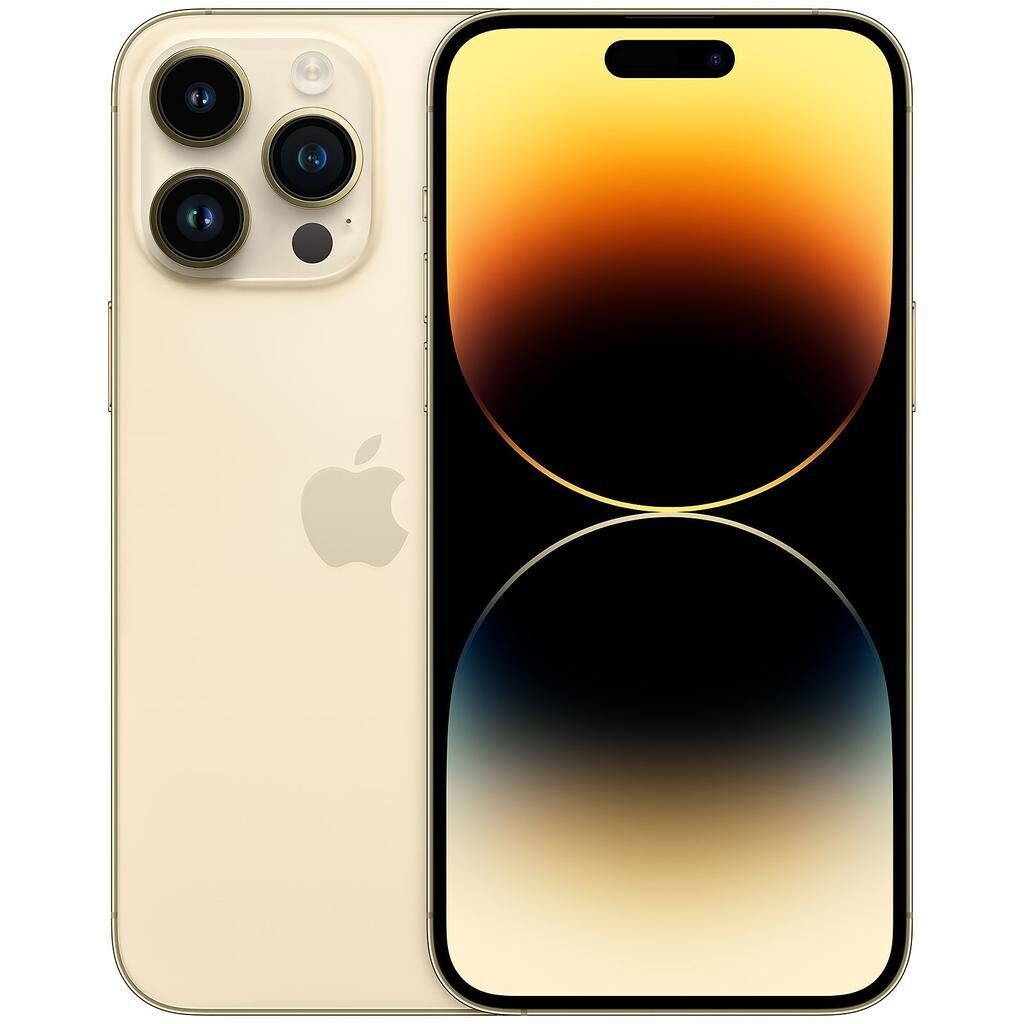
iPhone 14 vs iPhone SE (2022)
Shop iPhone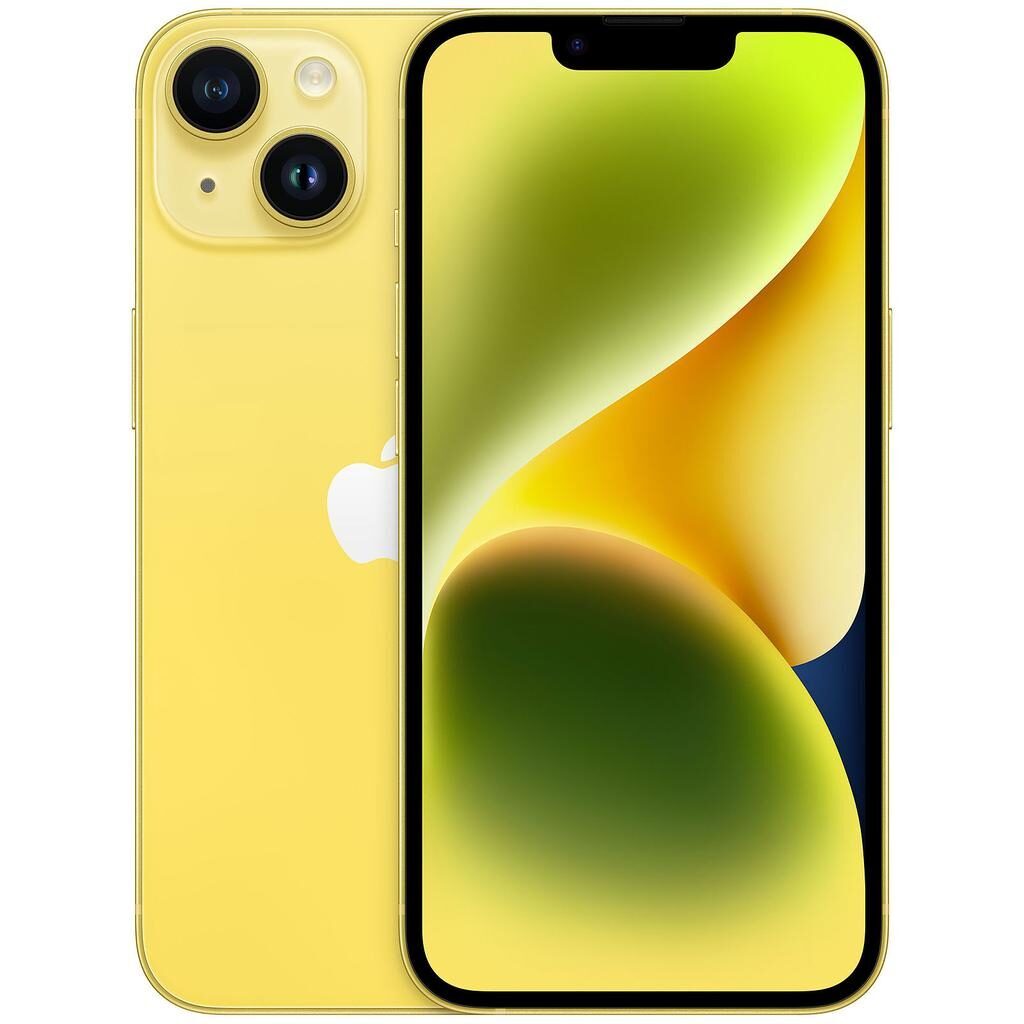
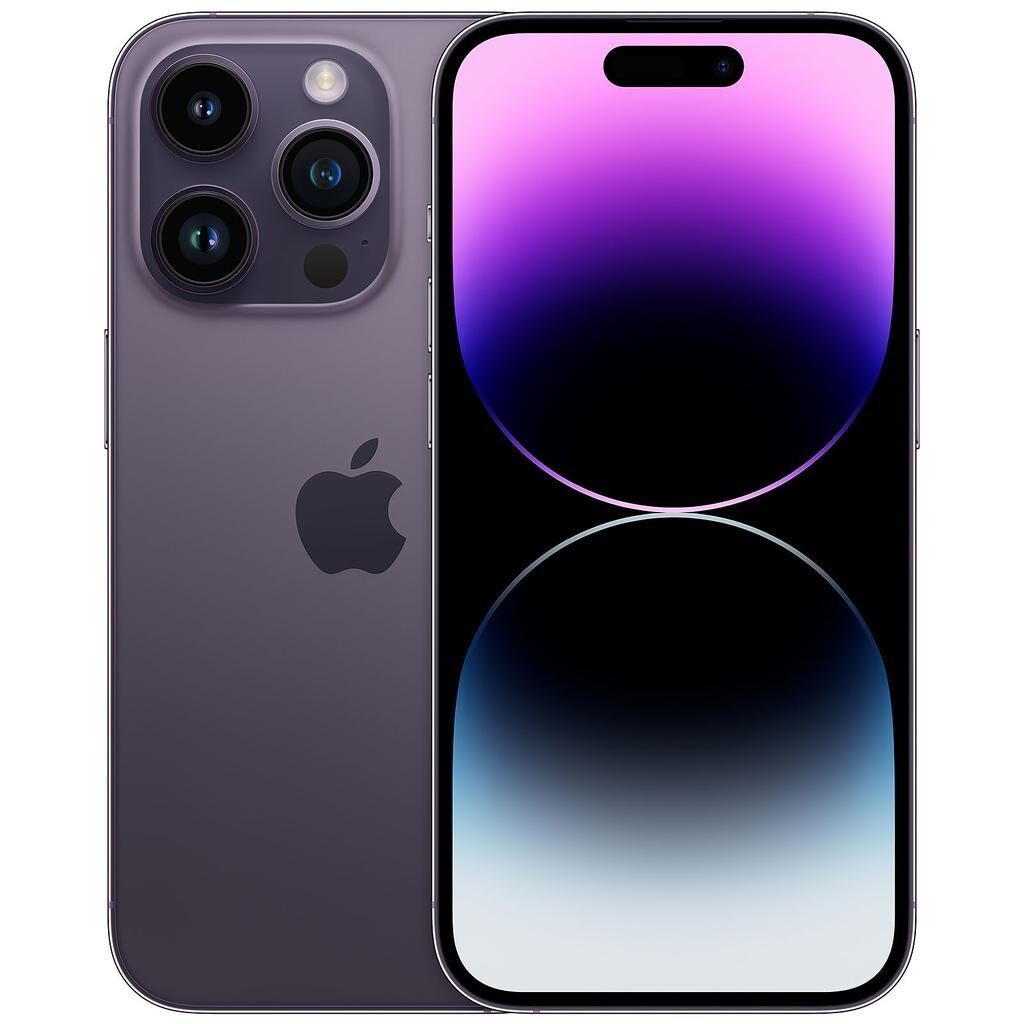
iPhone 14
Starting at
£289.69£599.00 new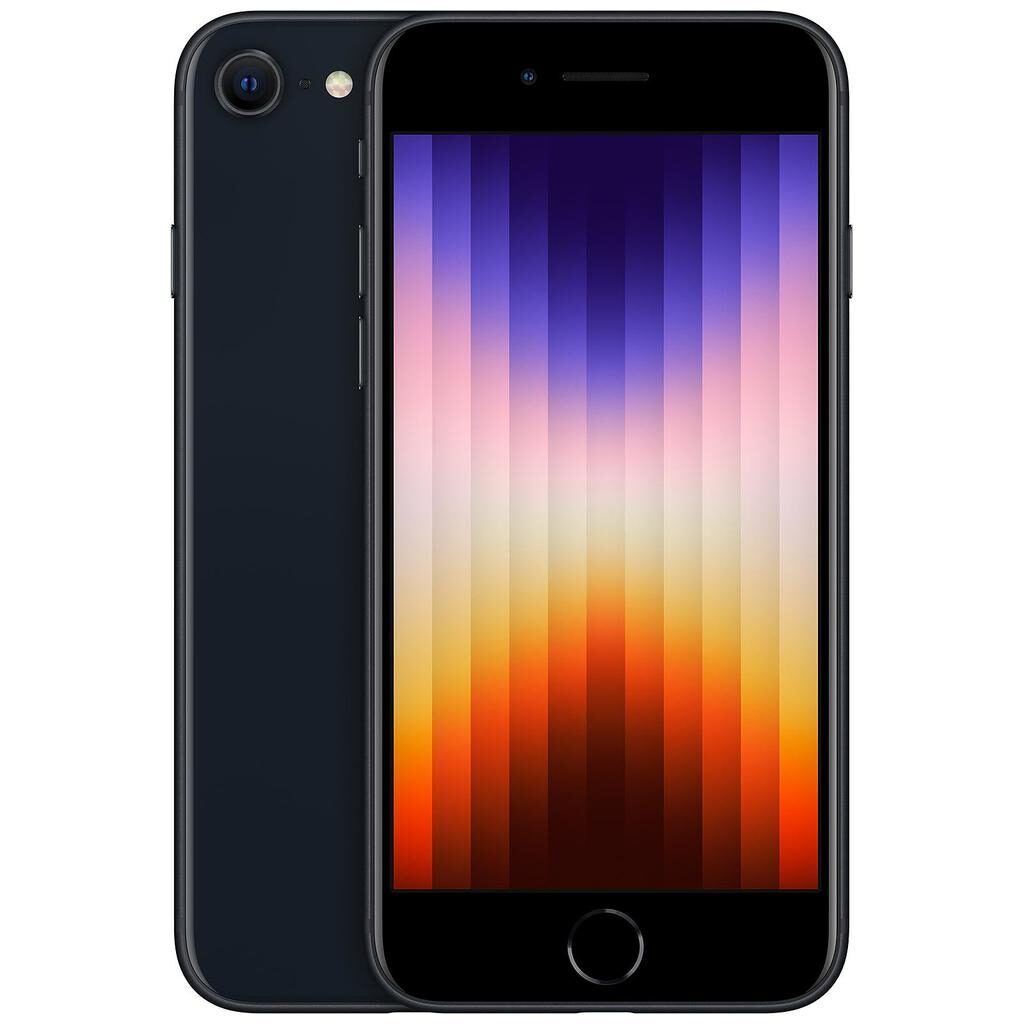
iPhone SE (2022)
Starting at
£113.85£429.00 newWhat's the difference between the iPhone 14 and iPhone SE (2022)?
iPhone 14 vs iPhone SE (2022) comes down to the RAM, screen size and screen type. Refurbished, the iPhone SE (2022) starts at £113.85, £175.84 less than the iPhone 14.
Refurbished from
RAM
Screen size
Screen type
Front camera
Weight
- The iPhone 14 has more RAM: 6 GB vs 4 GB.
- The iPhone 14 has a bigger screen: 6.1 inch vs 4.7 inch.
- The iPhone 14 has an OLED screen.
iPhone 14 vs iPhone SE (2022) specs
The iPhone 14 has a larger 6.1 inch Super Retina XDR OLED screen with higher resolution and more RAM, making it better for media, multitasking, and sharper photos from the front camera. The iPhone SE (2022) offers a smaller 4.7 inch Retina IPS LCD screen and fewer gigabytes of RAM, which fits those who prefer a compact phone for everyday use. Storage options also differ, with the iPhone 14 available up to 512GB and the iPhone SE stocked only at 64GB. The SE includes a physical SIM slot alongside eSIM, while the iPhone 14 uses eSIM only. Both are unlocked and share the Lightning connector.
iPhone 14 vs iPhone SE (2022) price
Colour
iPhone 14 vs iPhone SE (2022) battery life and software updates
Neither device folds, and they were both released in 2022, ensuring they come with up-to-date software support.
Software Compatibility
This means you get access to current features and security improvements on either device, making them solid choices for long-term software use.
Battery
Foldable
Ip rating
Software updates
Wireless charging
Year of release
iPhone 14 vs iPhone SE (2022) performance
Chipset
RAM
iPhone 14 vs iPhone SE (2022) screen
Screen quality differs notably between the iPhone 14 and iPhone SE (2022), with variations in size, resolution, and panel technology that affect viewing experience and image clarity.
Screen Size
The iPhone 14 has a 6.1 inch display, providing more room for watching videos, browsing, or typing. The iPhone SE (2022) has a smaller 4.7 inch screen, which suits those who prefer a compact phone that fits easily in one hand or a pocket.
Screen Resolution
With a resolution of 1170 x 2532, the iPhone 14 delivers a sharper and more detailed image compared to the iPhone SE (2022), which has 750 x 1334 resolution. This makes the iPhone 14 better for viewing high-definition content and reading fine text.
Screen Type
The iPhone 14 features a Super Retina XDR OLED screen, known for vibrant colours and deep blacks. The iPhone SE (2022) uses a Retina IPS LCD, which offers consistent colour and brightness but generally less contrast than OLED. This difference influences how vivid images and videos appear.
Refresh rate
Resolution
Screen size
Screen type
iPhone 14 vs iPhone SE (2022) camera
Camera capabilities differ mainly in the front-facing camera, affecting selfie and video call quality, while the main cameras share the same megapixel count.
Front Camera
The iPhone 14 has a 12 megapixel front camera, which captures more detail in selfies and video calls compared to the 7 megapixel front camera on the iPhone SE (2022). This makes the iPhone 14 a better pick if you prioritise sharper front-facing photos.
Main Camera
Both devices have a 12 megapixel main camera. This means they offer similar resolution for primary photos, suitable for everyday photography needs.
Camera type
Front camera
Main camera
iPhone 14 vs iPhone SE (2022) size and design
Several practical differences exist between the iPhone 14 and iPhone SE (2022) regarding physical dimensions, SIM options, and network compatibility that may influence your choice depending on your preferences.
SIM Card Options
The iPhone SE (2022) supports both a physical SIM and eSIM, giving you flexibility if you want to use a traditional SIM card. The iPhone 14 uses only eSIM, which means you manage your mobile plan digitally without inserting a physical card.
Physical Size and Weight
The iPhone 14 is taller and wider at 146.7 mm by 71.5 mm and weighs 150 g, offering a larger device feel. The iPhone SE (2022) measures 130 mm by 60 mm and weighs 144 g, making it more compact and lighter, which is ideal if you prefer a smaller phone that fits easily in your hand or pocket.
Mobile Network and Connector
Both the iPhone 14 and iPhone SE (2022) support 5G for faster mobile data speeds and use the Lightning connector for charging and accessories. Both come unlocked, so you can choose your network provider freely.
Carrier compatibility
Connector
Depth
Height
Mobile network
Release date
SD card slot
SIM card
Weight
Width
iPhone 14 or iPhone SE (2022): which should you buy?
Buy the iPhone 14 if
- you want more RAM (6 GB vs 4 GB)
- you want a bigger screen (6.1 inch vs 4.7 inch)
- you want an OLED screen
Buy the iPhone SE (2022) if
- you want to spend less: it starts at £113.85, £175.84 less than the iPhone 14
- you want a lighter build (144 g vs 172 g)
What our customers say
Customers who chose the iPhone 14 often mention its excellent condition and like-new appearance, with many appreciating the smooth performance and long battery life. They highlight the bright, clear screen and sharp camera, especially for low-light pictures. Users say the phone runs quickly and handles everyday tasks well, making it a reliable choice for regular use and gifting. The larger screen and good speed suit those who enjoy media and multitasking.
For the iPhone SE (2022), customers are pleased with its condition and easy setup. Many mention the compact size and 5G capability as positive points, especially those upgrading from previous models. The phone runs smoothly for everyday tasks and connects well, though some note the battery indicator can be inaccurate. Overall, buyers appreciate the familiar design and practical features for daily use.
Both devices receive praise for their condition and performance from customers. The iPhone 14 tends to suit those wanting a larger, more detailed display and front camera, while the iPhone SE (2022) fits well for users seeking a smaller size and straightforward operation.
iPhone 14 vs iPhone SE (2022) FAQs
iPhone 14 vs iPhone SE (2022) comes down to the RAM, screen size and screen type. The iPhone 14 has more RAM: 6 GB vs 4 GB. The iPhone 14 has a bigger screen: 6.1 inch vs 4.7 inch.
The iPhone SE (2022) is cheaper refurbished, from £113.85 compared with £289.69 for the iPhone 14.
Both have the same main camera: 12 megapixels.
The iPhone 14 is still supported and can run iOS 27. The iPhone SE (2022) is still supported and can run iOS 27.
Refurbished, the iPhone 14 comes in 128GB, 256GB and 512GB, and the iPhone SE (2022) in 64GB.