iPhone 14 vs iPhone 17
Shop iPhone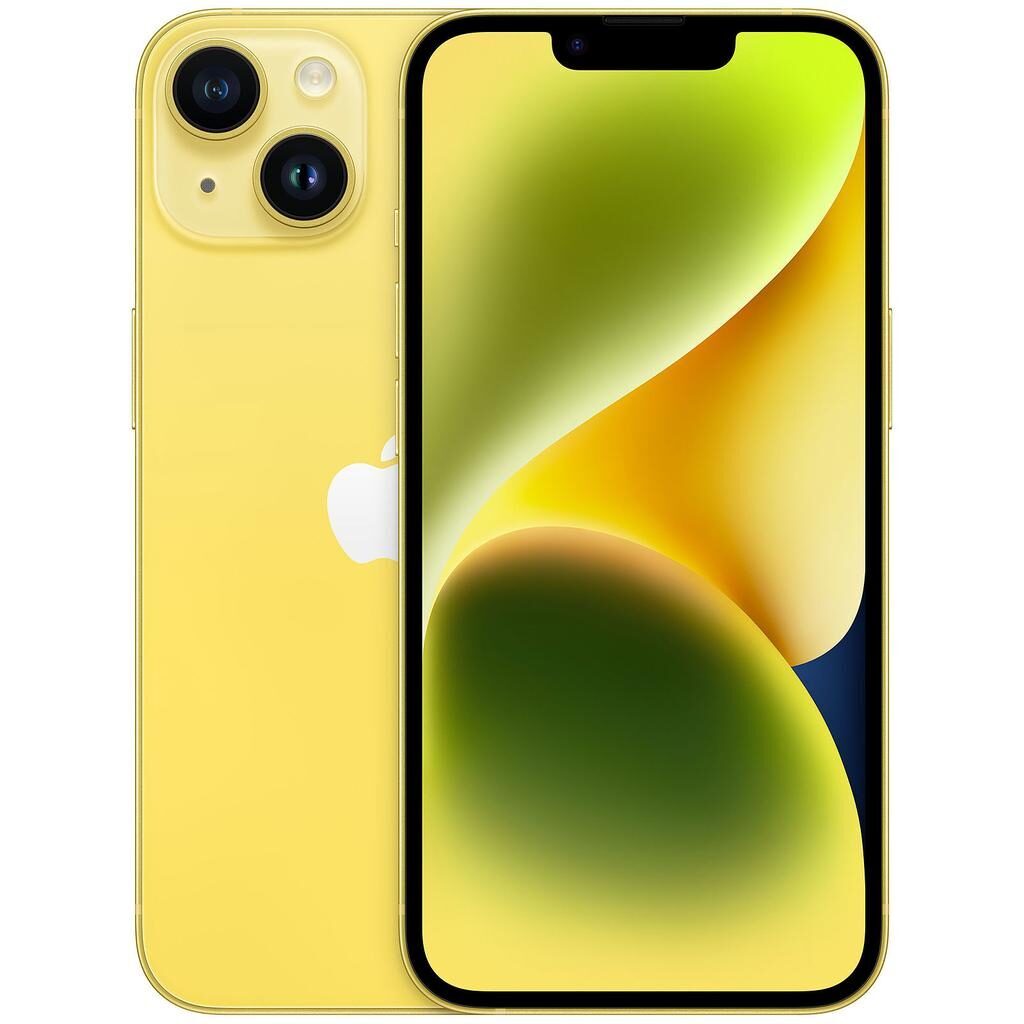
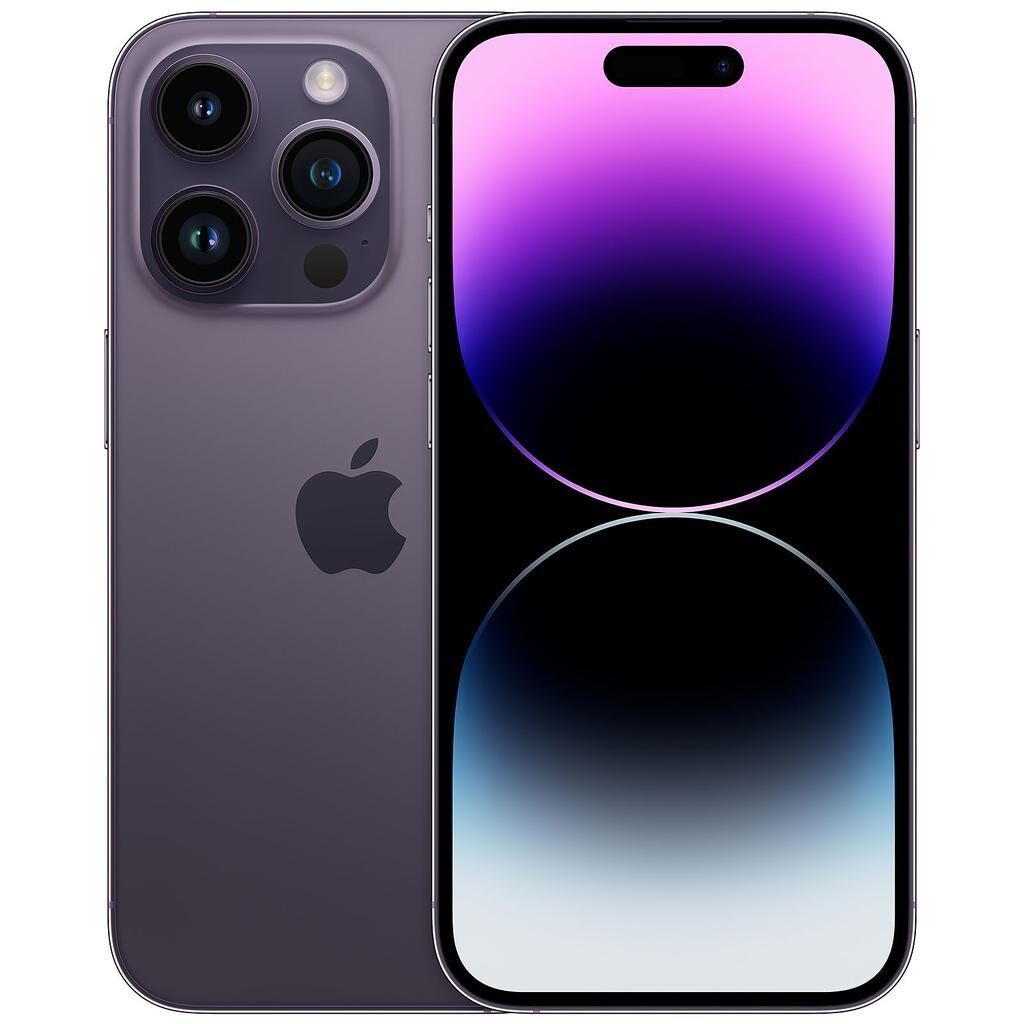
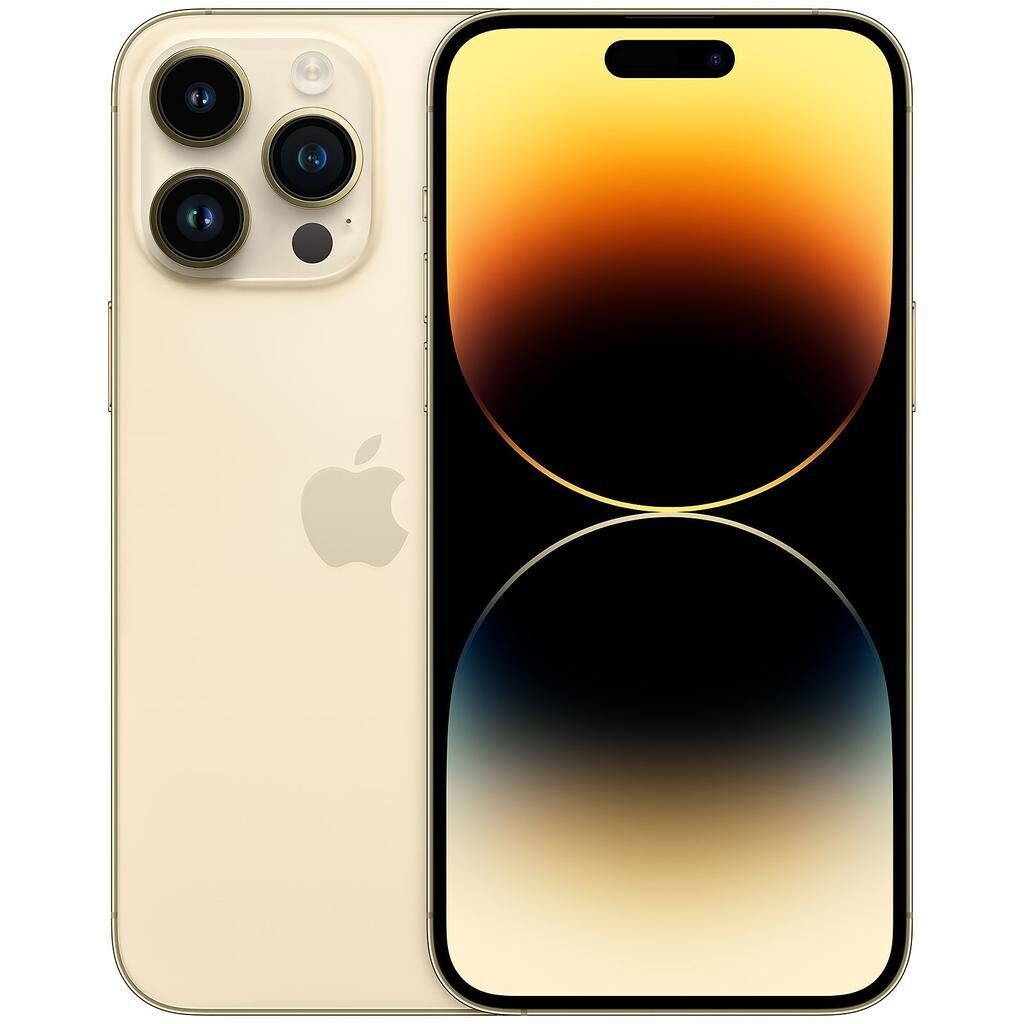
iPhone 14
Starting at
£289.69£599.00 new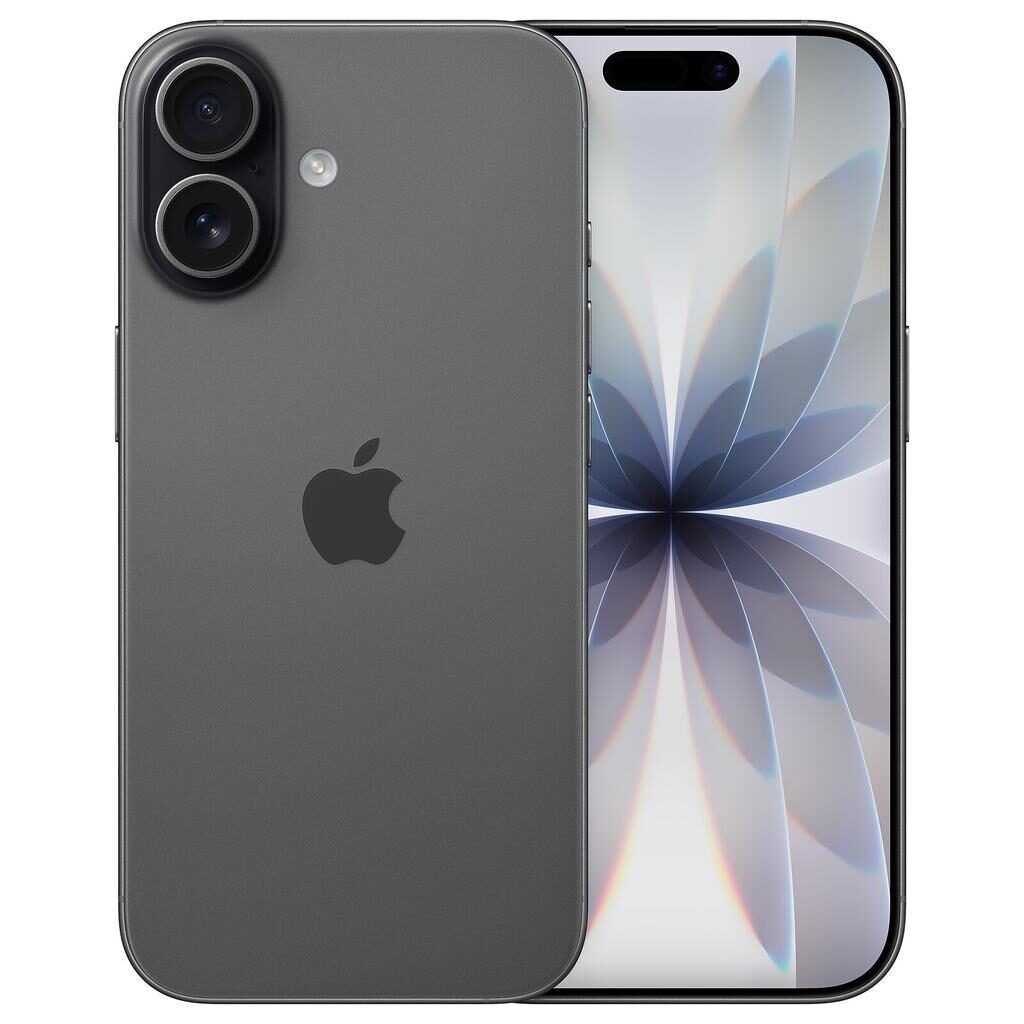
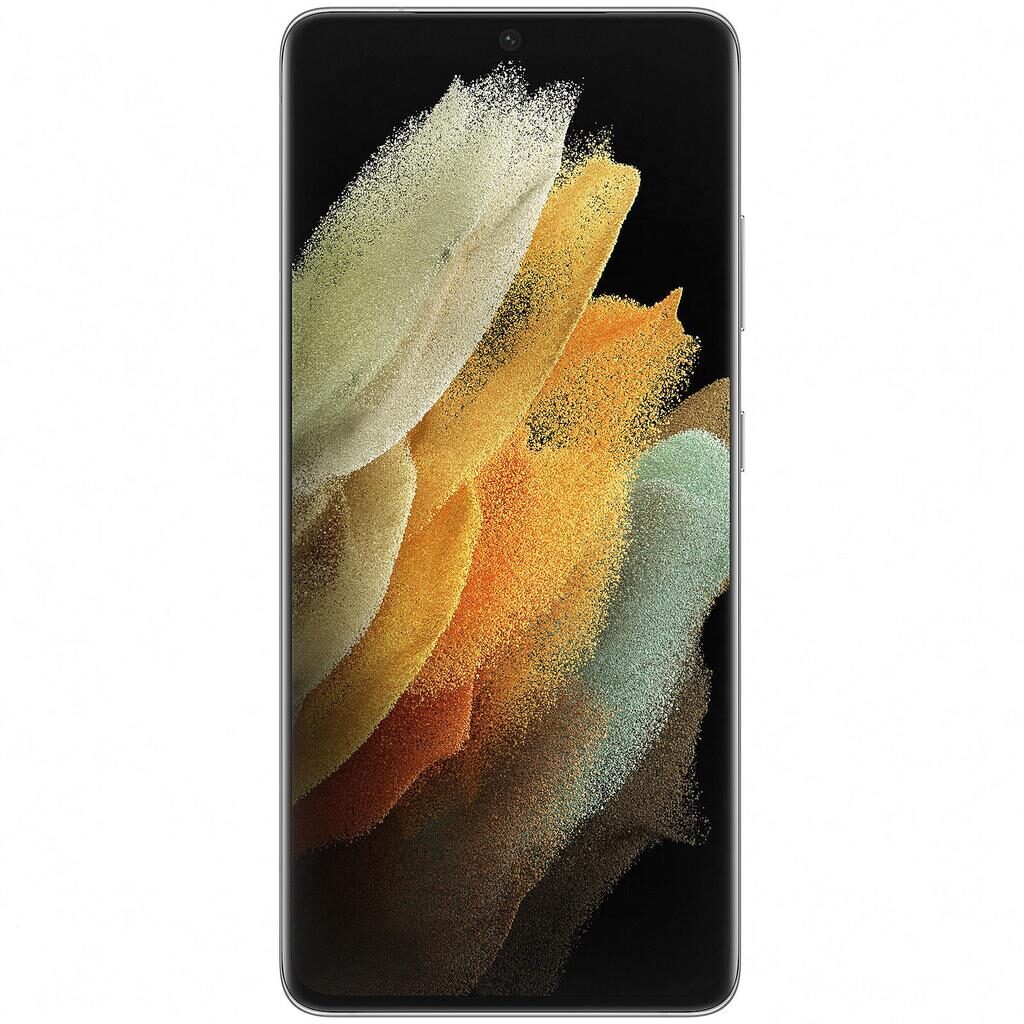
iPhone 17
Starting at
£713.34£799.00 newWhat's the difference between the iPhone 14 and iPhone 17?
iPhone 14 vs 17 comes down to the chipset, RAM and battery. Refurbished, the iPhone 14 starts at £289.69, £423.65 less than the iPhone 17. The iPhone 17 is the newer model, released in 2025.
Refurbished from
Chipset
RAM
Battery
Screen size
Screen type
- Chipset: Apple A15 Bionic on the iPhone 14, Apple A19 on the iPhone 17.
- The iPhone 17 has more RAM: 8 GB vs 6 GB.
- The iPhone 17 has a bigger battery: 3692 mAh vs 3279 mAh.
iPhone 14 vs iPhone 17 specs
The iPhone 14 and iPhone 17 differ in several key areas that suit different users. The iPhone 14 offers a solid choice for everyday use with a 6.1 inch screen, 6 GB of RAM, and a reliable 3279 mAh battery. The iPhone 17 appeals to those who want a slightly larger 6.3 inch screen with a faster 120 Hz refresh rate, more RAM at 8 GB to keep apps running smoothly, and a bigger 3692 mAh battery. Camera quality is notably higher on the iPhone 17, which features 48 megapixels on the main camera and 18 megapixels on the front compared to 12 megapixels on both for the iPhone 14. The iPhone 17 also uses a USB-C connector and supports both physical and eSIM, while the iPhone 14 has a Lightning connector and eSIM only. Choose the iPhone 14 if you want a lighter, simpler device for everyday tasks, and the iPhone 17 if you prioritise screen smoothness, camera detail, and connectivity options.
iPhone 14 vs iPhone 17 price
Colour
iPhone 14 vs iPhone 17 battery life and software updates
Battery capacity and update support are key to a phone's lasting usability.
Battery Capacity
The iPhone 14 has a 3279 mAh battery suitable for typical daily use, while the iPhone 17 has a larger 3692 mAh battery. The bigger battery on the iPhone 17 can support longer use between charges, which may benefit heavier users or those who prefer less frequent charging.
Battery
Foldable
Ip rating
Software updates
Wireless charging
Year of release
iPhone 14 vs iPhone 17 performance
Chipset
RAM
iPhone 14 vs iPhone 17 screen
Screen size, resolution and refresh rate affect how you view content and interact with your phone. The iPhone 14 and iPhone 17 differ in these areas to suit different preferences.
Screen Size and Resolution
The iPhone 14 has a 6.1 inch Super Retina XDR OLED screen with a resolution of 1170 by 2532 pixels, offering sharp and clear visuals in a compact size. The iPhone 17's screen is slightly larger at 6.3 inch, with a resolution of 2622 by 1206 pixels. The larger screen suits users who want more display space for videos or browsing.
Refresh Rate
The iPhone 14 has a 60 Hz refresh rate, standard for smooth everyday use. The iPhone 17 doubles this with a 120 Hz refresh rate, creating smoother motion when scrolling or gaming. This higher refresh rate benefits users who notice or prefer fluid visuals during fast screen movement.
Screen Type
The iPhone 14 uses a Super Retina XDR OLED screen, delivering vibrant colours and deep blacks. The iPhone 17 features a Super Retina XDR screen, which also provides high-quality display performance suited to immersive viewing.
Refresh rate
Resolution
Screen size
Screen type
iPhone 14 vs iPhone 17 camera
Camera resolution is a major consideration for those who value photos and video calls. The iPhone 14 and iPhone 17 cameras differ notably in megapixels for both front and main cameras.
Front Camera
The iPhone 14 has a 12 megapixel front camera, good for clear selfies and video calls. The iPhone 17's front camera is 18 megapixels, allowing for more detail in self-portraits and video chats.
Main Camera
The main camera on the iPhone 14 has 12 megapixels, which captures detailed photos for everyday use. The iPhone 17's main camera significantly increases this to 48 megapixels, ideal for users who want higher resolution photos with more detail.
Camera type
Front camera
Main camera
iPhone 14 vs iPhone 17 size and design
Other practical differences include connectors, SIM options, size and weight. These affect compatibility, convenience and feel in the hand.
Connector Type
The iPhone 14 uses a Lightning connector, common on many Apple devices and accessories. The iPhone 17 has switched to USB-C, which is a widely used standard across many devices, offering easier cable sharing with non-Apple products.
SIM Card Options
The iPhone 14 supports eSIM only, which allows you to activate a mobile plan without a physical SIM card. The iPhone 17 supports both a physical SIM and eSIM, offering more flexibility if you want to use two SIMs or switch physical cards.
Size and Weight
The iPhone 14 is 146.7 mm tall, 71.5 mm wide and 7.8 mm deep, weighing 150 g. The iPhone 17 is slightly larger at 149.6 mm tall and 8 mm deep, with the same width but heavier at 177 g. The iPhone 14 suits those who prefer a lighter and more compact phone, while the iPhone 17 has a bit more presence in hand.
Carrier compatibility
Connector
Depth
Height
Mobile network
Release date
SD card slot
SIM card
Weight
Width
iPhone 14 or iPhone 17: which should you buy?
Buy the iPhone 14 if
- you want to spend less: it starts at £289.69, £423.65 less than the iPhone 17
- you want an OLED screen
- you want a lighter build (172 g vs 177 g)
Buy the iPhone 17 if
- you want more RAM (8 GB vs 6 GB)
- you want a bigger battery (3692 mAh vs 3279 mAh)
- you want a bigger screen (6.3 inch vs 6.1 inch)
What our customers say
Customers who bought the iPhone 14 highlight its like-new condition and reliable performance. They appreciate the battery lasting well through the day and the sharp, clear camera producing good photos even in low light. Many find the screen bright and clear with smooth operation. The iPhone 14 is praised for feeling solid and dependable, making it a good choice for everyday use or as a gift.
Reviews for the iPhone 17 emphasise its pristine condition and fresh feel, with many noting 100% battery health and no signs of use. The phone impresses users who value a larger, smoother screen and a clear upgrade in camera quality. Customers also mention the convenience of USB-C and dual SIM options. The iPhone 17 appeals to those wanting a more advanced device for photography and multimedia.
Overall, the iPhone 14 suits buyers looking for a lighter, simpler phone with excellent all-round performance. The iPhone 17 fits those who want more screen space, higher camera resolution and flexible connectivity features.
iPhone 14 vs iPhone 17 FAQs
iPhone 14 vs 17 comes down to the chipset, RAM and battery. Chipset: Apple A15 Bionic on the iPhone 14, Apple A19 on the iPhone 17. The iPhone 17 has more RAM: 8 GB vs 6 GB.
The iPhone 14 is cheaper refurbished, from £289.69 compared with £713.34 for the iPhone 17.
The iPhone 17 has a bigger battery: 3692 mAh vs 3279 mAh.
The iPhone 17 has a higher-resolution main camera: 48 megapixels vs 12 megapixels.
The iPhone 14 is still supported and can run iOS 27. The iPhone 17 is still supported and can run iOS 27.
The iPhone 17 adds more RAM (8 GB vs 6 GB), a bigger battery (3692 mAh vs 3279 mAh) and a bigger screen (6.3 inch vs 6.1 inch). Refurbished, it costs £423.65 more (from £713.34 vs £289.69).
Refurbished, the iPhone 14 comes in 128GB, 256GB and 512GB, and the iPhone 17 in 256GB and 512GB.