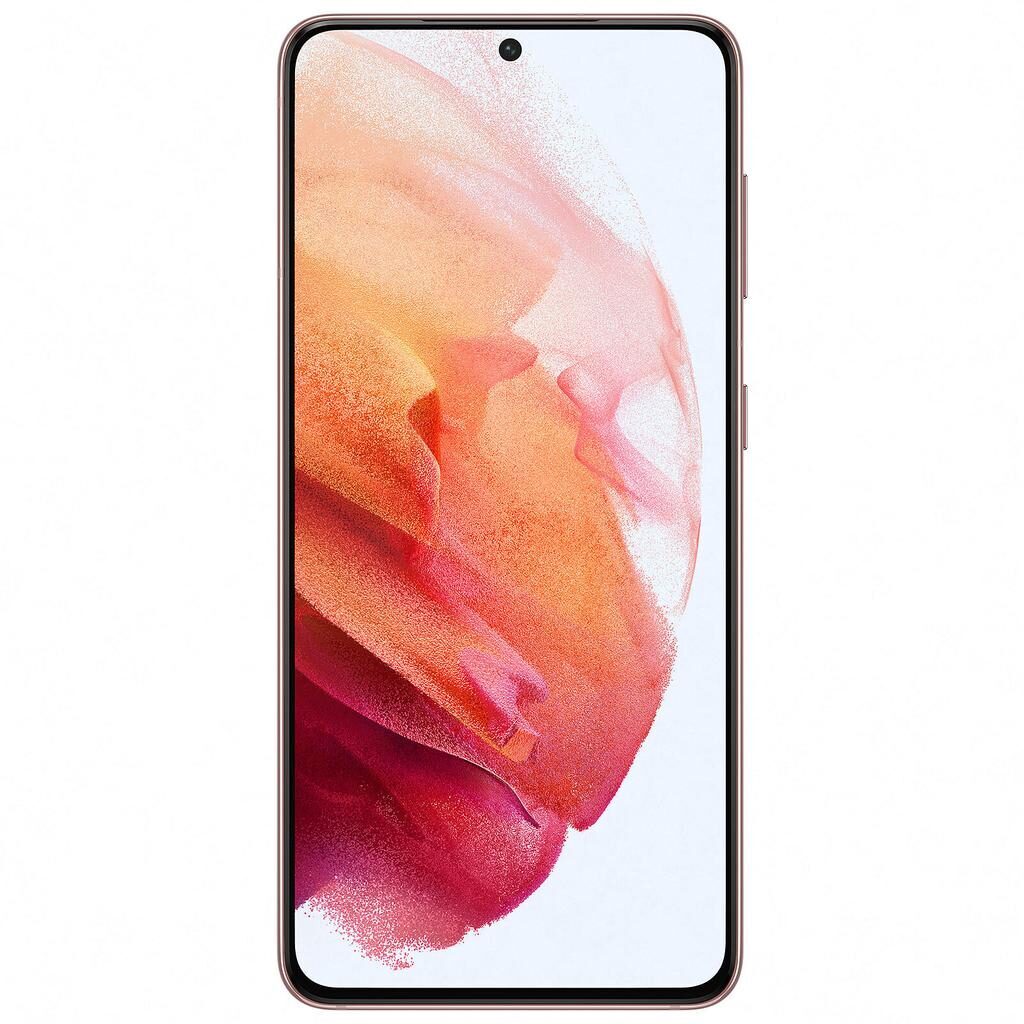
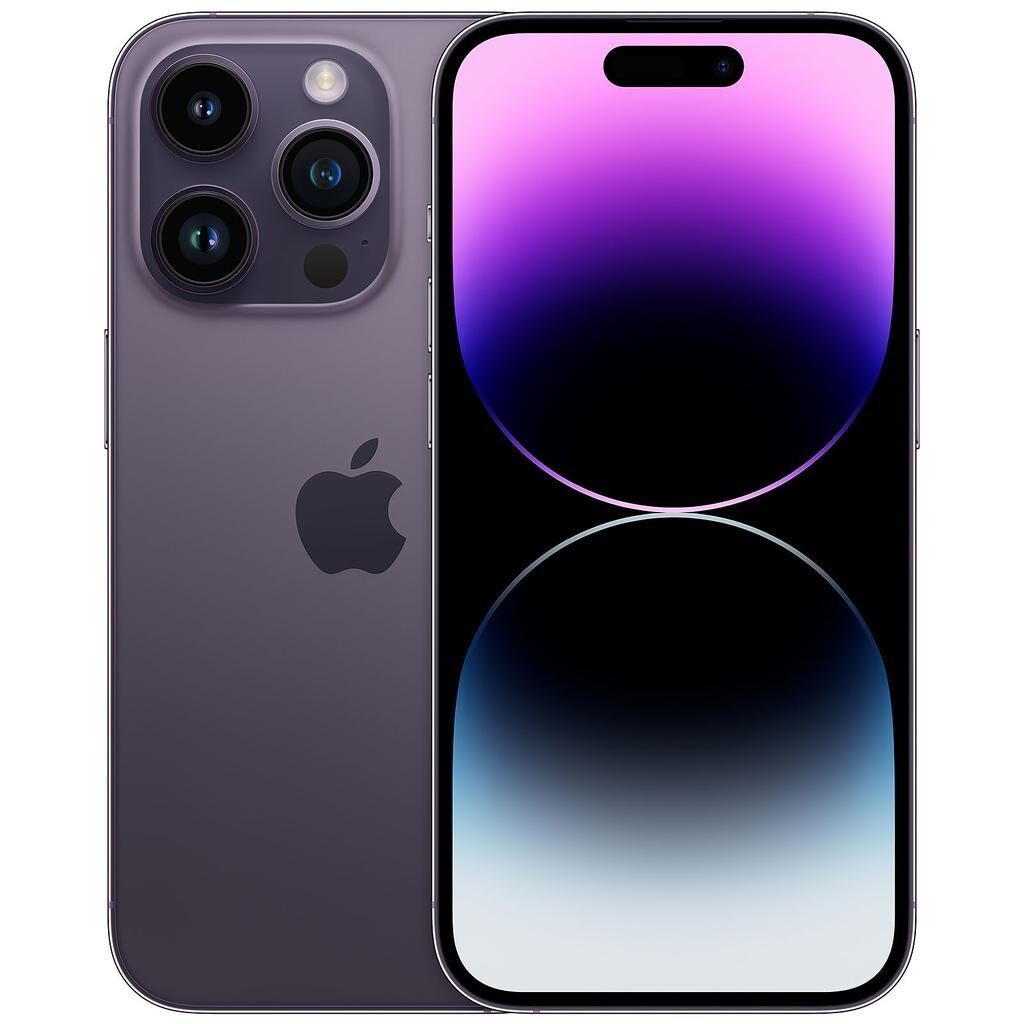
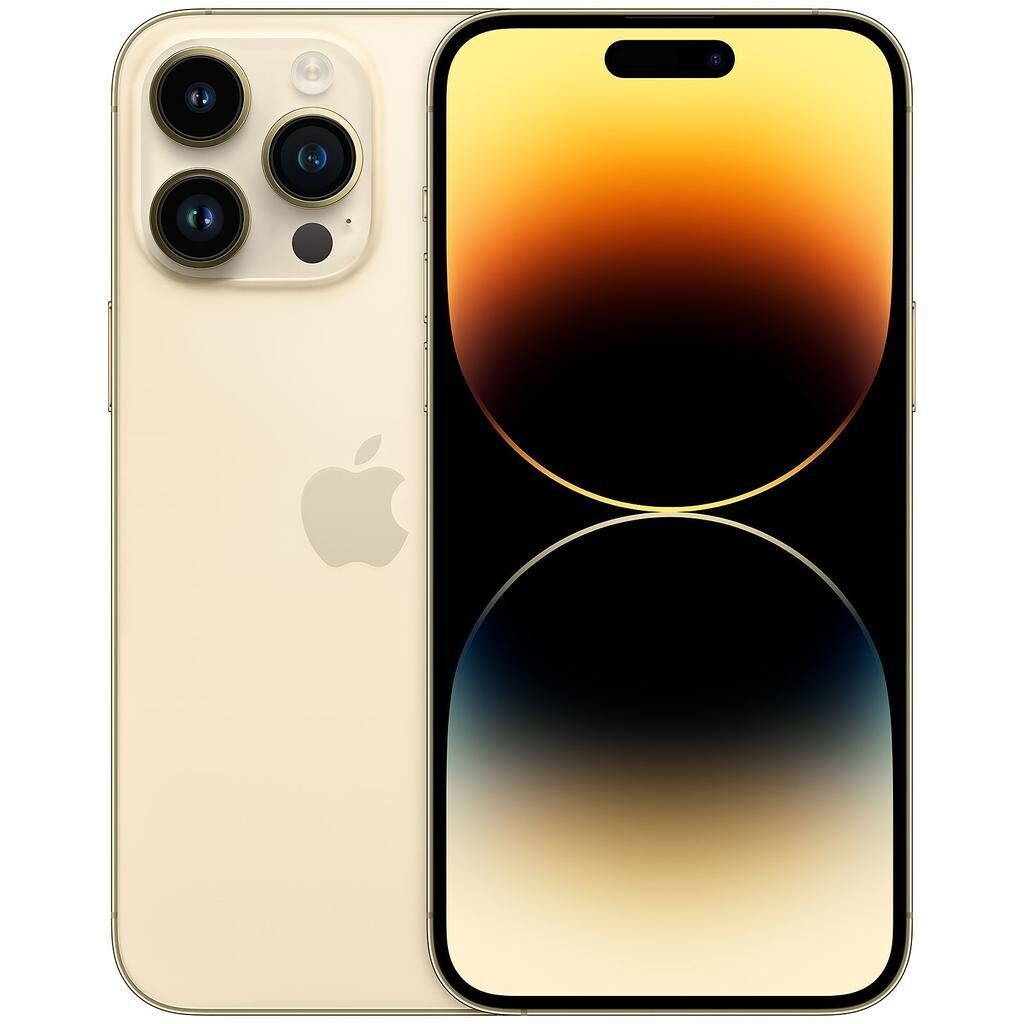
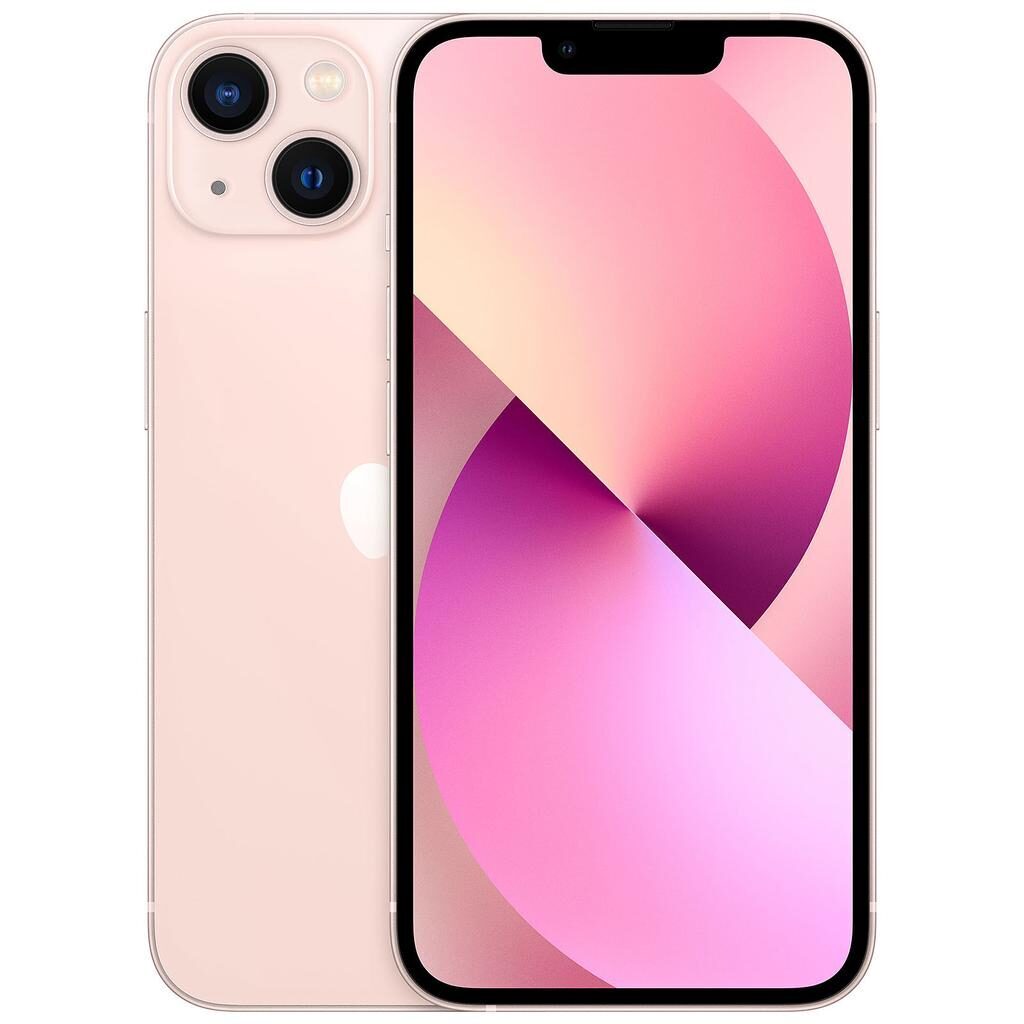
iPhone 14 vs iPhone 16e
Shop iPhone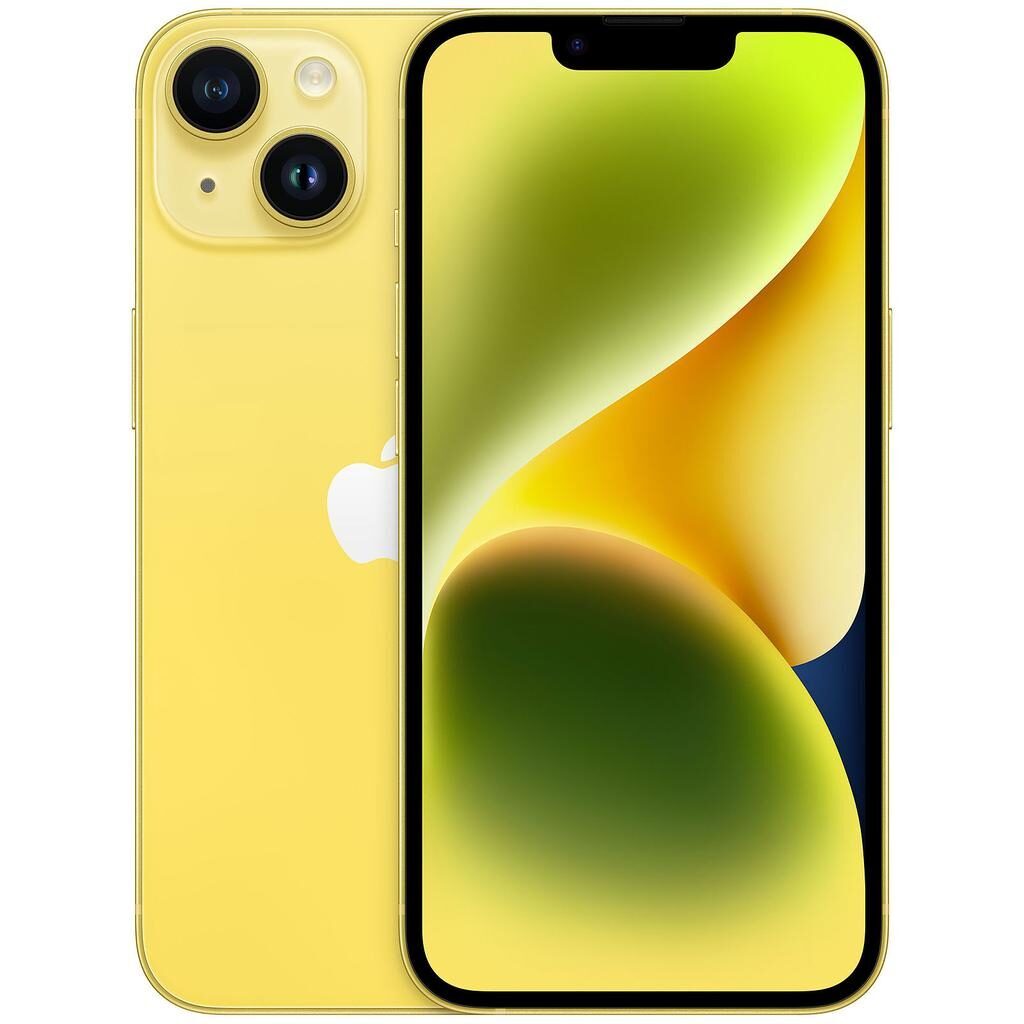
iPhone 14
Starting at
£289.69£599.00 new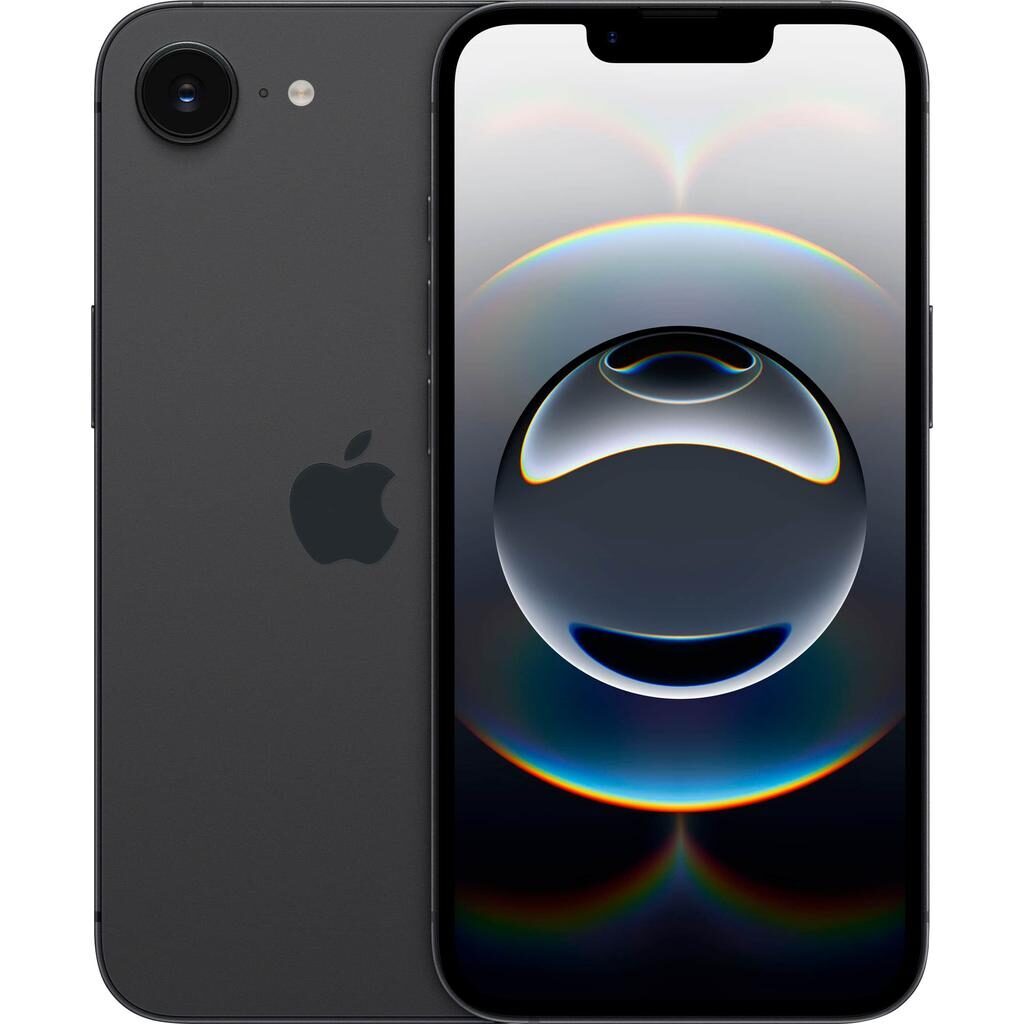
iPhone 16e
Starting at
£478.75£599.00 newWhat's the difference between the iPhone 14 and iPhone 16e?
iPhone 14 vs 16e comes down to the chipset, RAM and battery. Refurbished, the iPhone 14 starts at £289.69, £189.06 less than the iPhone 16e. The iPhone 16e is the newer model, released in 2025.
Refurbished from
Chipset
RAM
Battery
Main camera
Weight
- Chipset: Apple A15 Bionic on the iPhone 14, Apple A18 (3 nm) on the iPhone 16e.
- The iPhone 16e has more RAM: 8 GB vs 6 GB.
- The iPhone 16e has a bigger battery: 4005 mAh vs 3279 mAh.
iPhone 14 vs iPhone 16e specs
The iPhone 14 and iPhone 16e share a familiar size and screen type, making them both comfortable to hold and clear for everyday use. The iPhone 16e offers more RAM and a larger battery, which suits users who keep many apps open or need longer battery life. It also brings a USB-C connector and both physical SIM and eSIM options, which may appeal if you prefer flexibility in how you connect and use SIM cards. The iPhone 14, with its Lightning connector and eSIM, remains a solid choice for straightforward use and familiar setup. Both phones have similar screen quality and 5G support, so your choice depends on whether you want extra memory, battery, and connectivity options.
iPhone 14 vs iPhone 16e price
Colour
iPhone 14 vs iPhone 16e battery life and software updates
Durability covers battery capacity, operating system, and physical design elements relevant to daily use. The iPhone 14 and iPhone 16e both run iOS and have the same dimensions and non-foldable design. Differences in battery size affect how long each phone can go between charges.
Battery Capacity
The iPhone 16e has a 4005 mAh battery, which is larger than the iPhone 14's 3279 mAh. This means the iPhone 16e can support longer use without needing a recharge, making it suitable if you use your phone extensively throughout the day. The iPhone 14's battery is still adequate for regular daily use and suits those who charge their phone more frequently or have lighter usage.
Operating System
Both devices run iOS, providing access to the same app ecosystem and updates. This ensures a consistent user experience for anyone choosing either phone.
Battery
Foldable
Ip rating
Software updates
Wireless charging
Year of release
iPhone 14 vs iPhone 16e performance
Chipset
RAM
iPhone 14 vs iPhone 16e screen
Screen quality is key for media, games, and everyday interaction. The iPhone 14 and iPhone 16e share screen size and type, but their resolution details differ in layout.
Screen Size and Type
Both phones have a 6.1 inch Super Retina XDR OLED screen, providing bright and vibrant visuals with sharp contrast. This size balances ease of use with enough space for watching videos or browsing comfortably.
Screen Resolution
The iPhone 14 lists its resolution as 1170 x 2532 and the iPhone 16e as 2532 x 1170. Both resolutions describe the same pixel count but from different orientations. This means the clarity and sharpness you experience will be equivalent on both devices, so your choice can be based on other features.
Refresh rate
Resolution
Screen size
Screen type
iPhone 14 vs iPhone 16e camera
Camera type
Front camera
Main camera
iPhone 14 vs iPhone 16e size and design
The miscellaneous section covers connectivity, physical design, and other practical features that affect how you use the phone daily. The two models differ in SIM options, connector type, weight, and these differences may influence your preferences.
Connector Type
The iPhone 14 uses a Lightning connector while the iPhone 16e comes with a USB-C connector. USB-C is widely used across devices, which can simplify charging and accessory compatibility if you prefer a common cable type.
SIM Card Options
The iPhone 14 supports eSIM only, which offers convenience for digital SIM management. The iPhone 16e supports both a physical SIM and an eSIM, giving more flexibility if you want to switch physical SIM cards or use two lines without relying solely on eSIM.
Weight
The iPhone 16e weighs 167 g compared to the iPhone 14's 150 g. The difference is noticeable in hand and pocket, so the iPhone 14 may feel lighter for those who prefer a less heavy device.
Dimensions and Network
Both phones share the same height, width, and depth measurements and support 5G networks. This means they offer similar physical handling and network capabilities.
Storage Options
Both iPhone 14 and iPhone 16e offer 128GB, 256GB, and 512GB storage options. This range suits different needs from everyday use to storing large amounts of photos and apps.
Carrier compatibility
Connector
Depth
Height
Mobile network
Release date
SD card slot
SIM card
Weight
Width
iPhone 14 or iPhone 16e: which should you buy?
Buy the iPhone 14 if
- you want to spend less: it starts at £289.69, £189.06 less than the iPhone 16e
Buy the iPhone 16e if
- you want more RAM (8 GB vs 6 GB)
- you want a bigger battery (4005 mAh vs 3279 mAh)
- you want a higher-resolution main camera (48 megapixels vs 12 megapixels)
What our customers say
Customers choosing the iPhone 14 appreciate its condition and reliability. They often mention the phone looks like new and performs smoothly with a battery that lasts all day with regular use. The screen brightness and clarity receive positive remarks, as does the camera's ability to take sharp, clear pictures even in low light. Several customers find it a great phone for everyday or gift use, highlighting satisfaction with its solid feel and ease of use.
For the iPhone 16e, customers praise the condition as almost unused and the battery health as excellent with very few charging cycles. The increase in speed, battery life, and screen quality is noted by those upgrading from older models. The USB-C connector and SIM options are welcomed by some users. Data transfer experiences vary, but overall the phone is described as great for those wanting a premium quality device. Some find it heavier, but still manageable.
Both phones suit different users well: the iPhone 14 fits those who want a reliable, lighter phone with solid everyday performance, while the iPhone 16e is better for users valuing more RAM, longer battery life, and flexible SIM and connector options.
iPhone 14 vs iPhone 16e FAQs
iPhone 14 vs 16e comes down to the chipset, RAM and battery. Chipset: Apple A15 Bionic on the iPhone 14, Apple A18 (3 nm) on the iPhone 16e. The iPhone 16e has more RAM: 8 GB vs 6 GB.
The iPhone 14 is cheaper refurbished, from £289.69 compared with £478.75 for the iPhone 16e.
The iPhone 16e has a bigger battery: 4005 mAh vs 3279 mAh.
The iPhone 16e has a higher-resolution main camera: 48 megapixels vs 12 megapixels.
The iPhone 14 is still supported and can run iOS 27. The iPhone 16e is still supported and can run iOS 27.
The iPhone 16e adds more RAM (8 GB vs 6 GB), a bigger battery (4005 mAh vs 3279 mAh) and a higher-resolution main camera (48 megapixels vs 12 megapixels). Refurbished, it costs £189.06 more (from £478.75 vs £289.69).
Both come in 128GB, 256GB and 512GB refurbished.