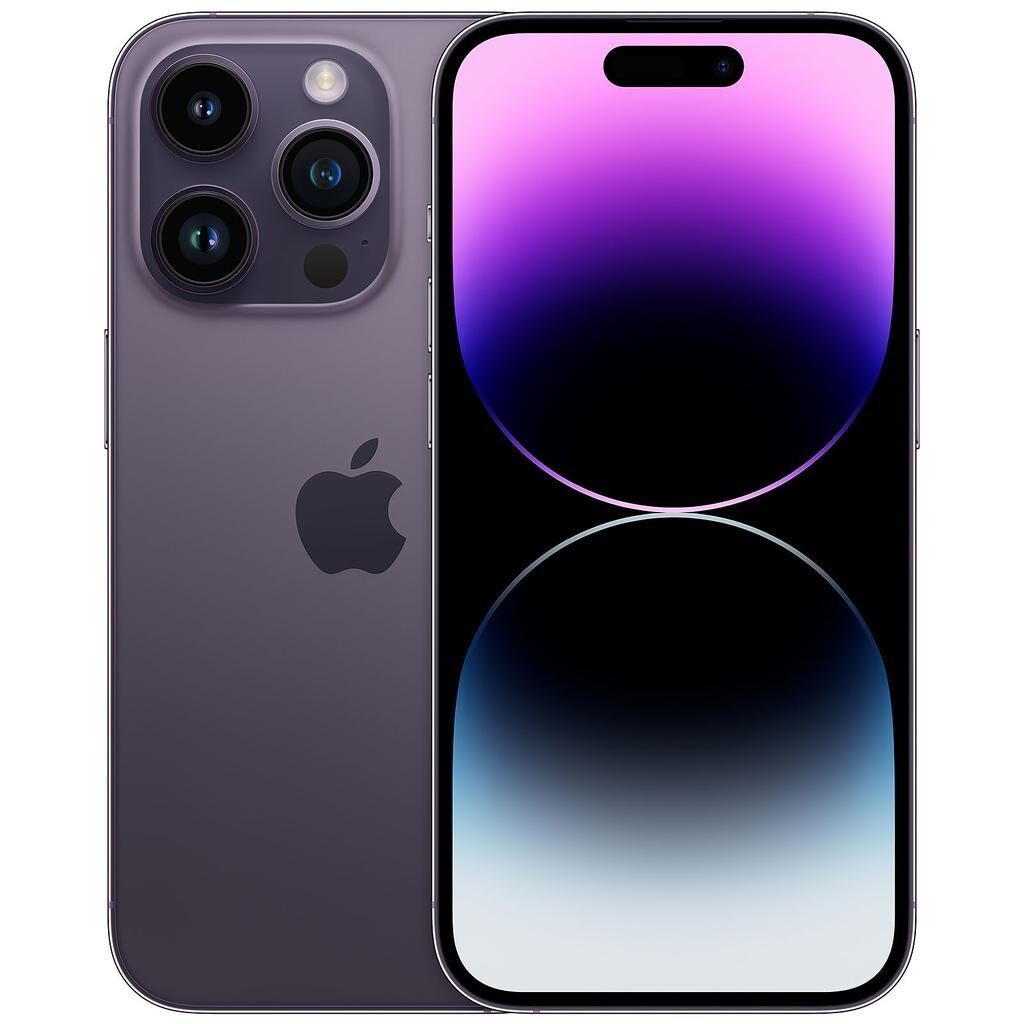
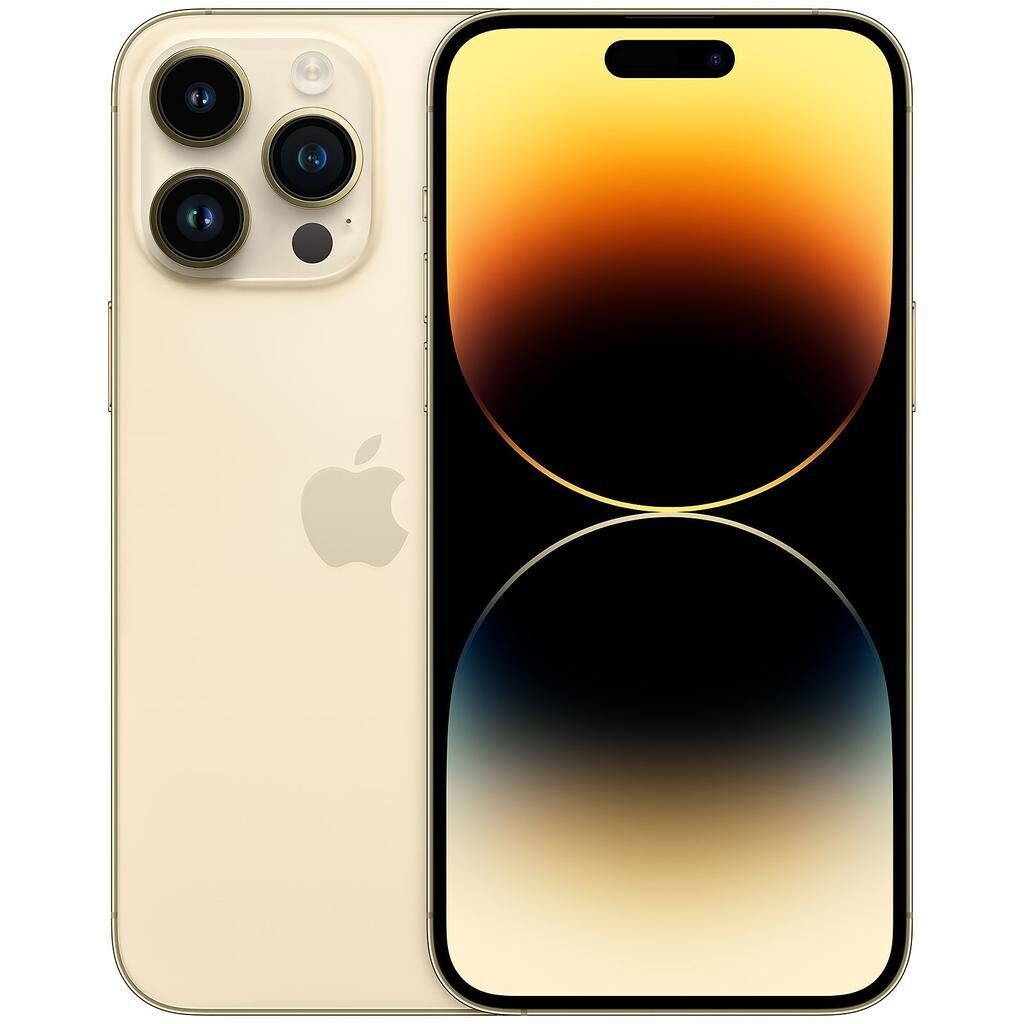
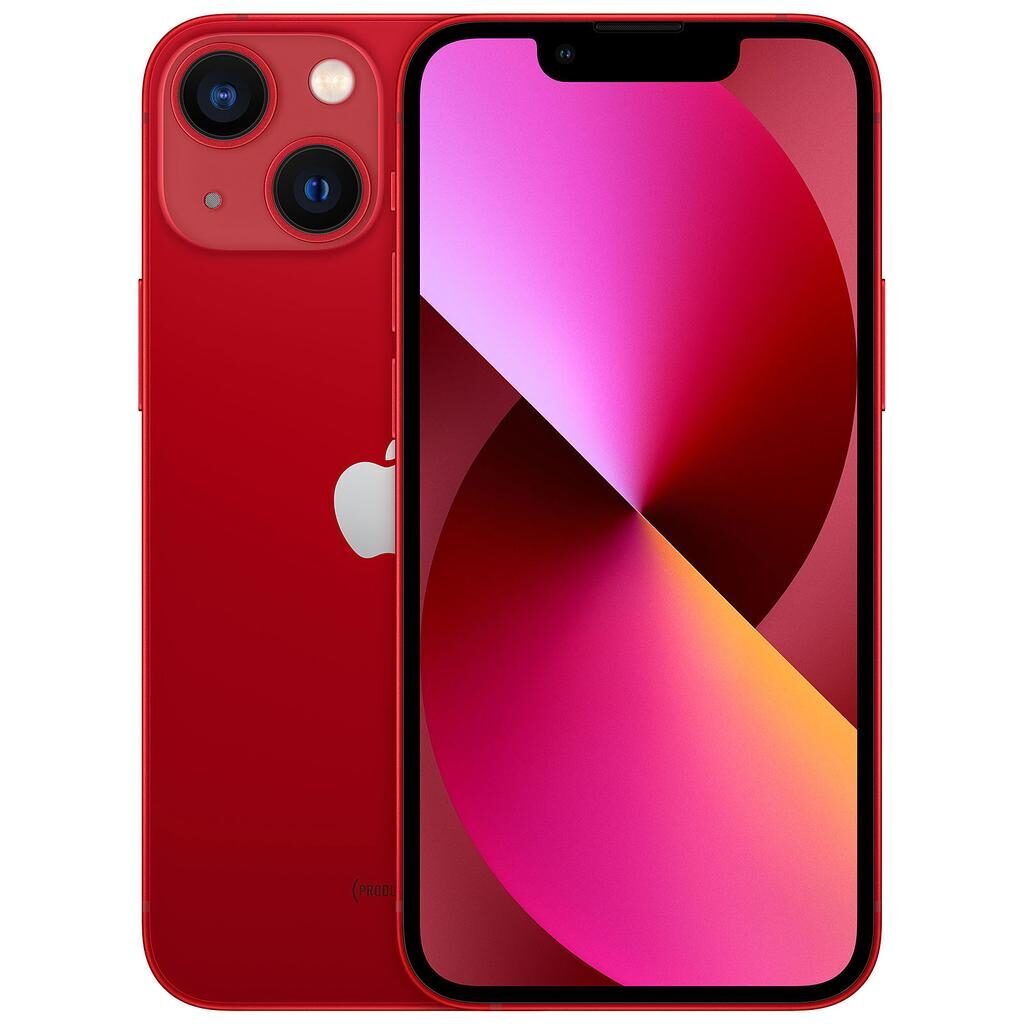
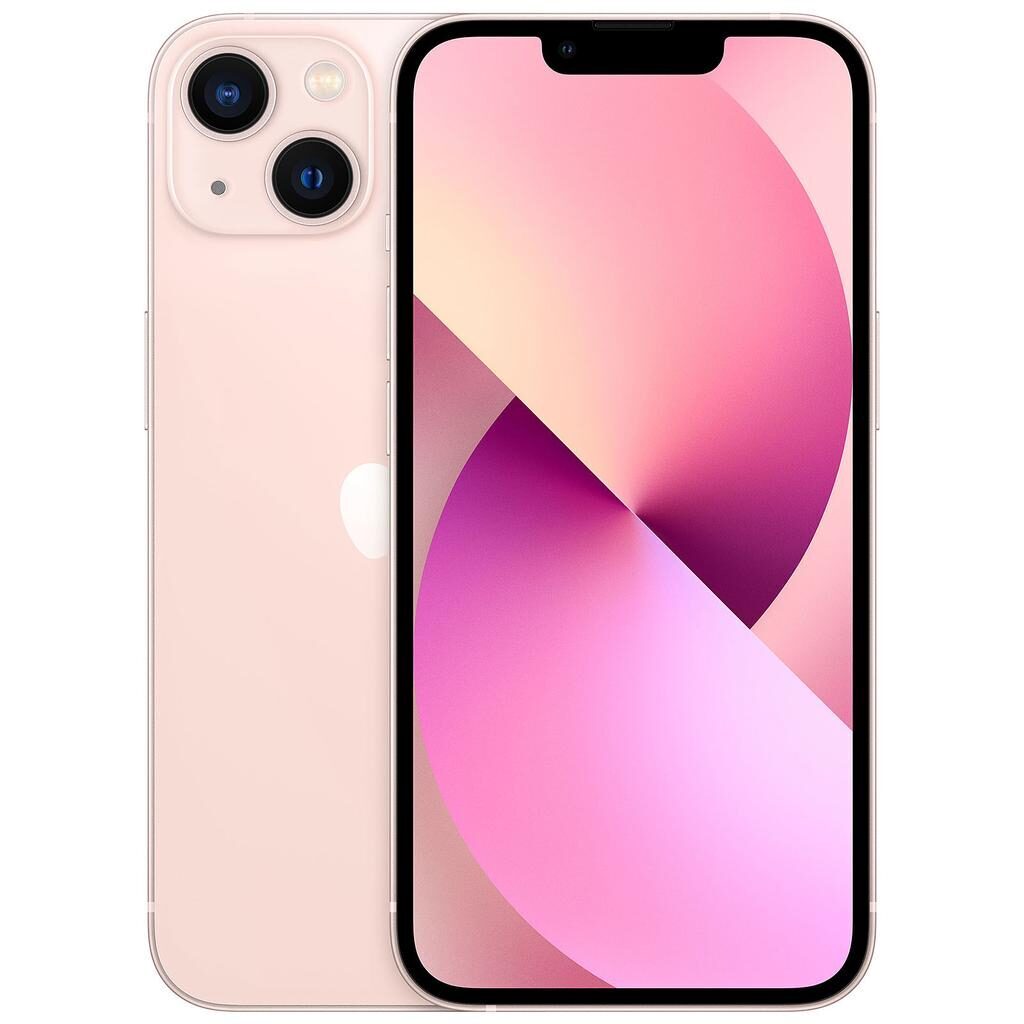
iPhone 14 vs iPhone 16
Shop iPhone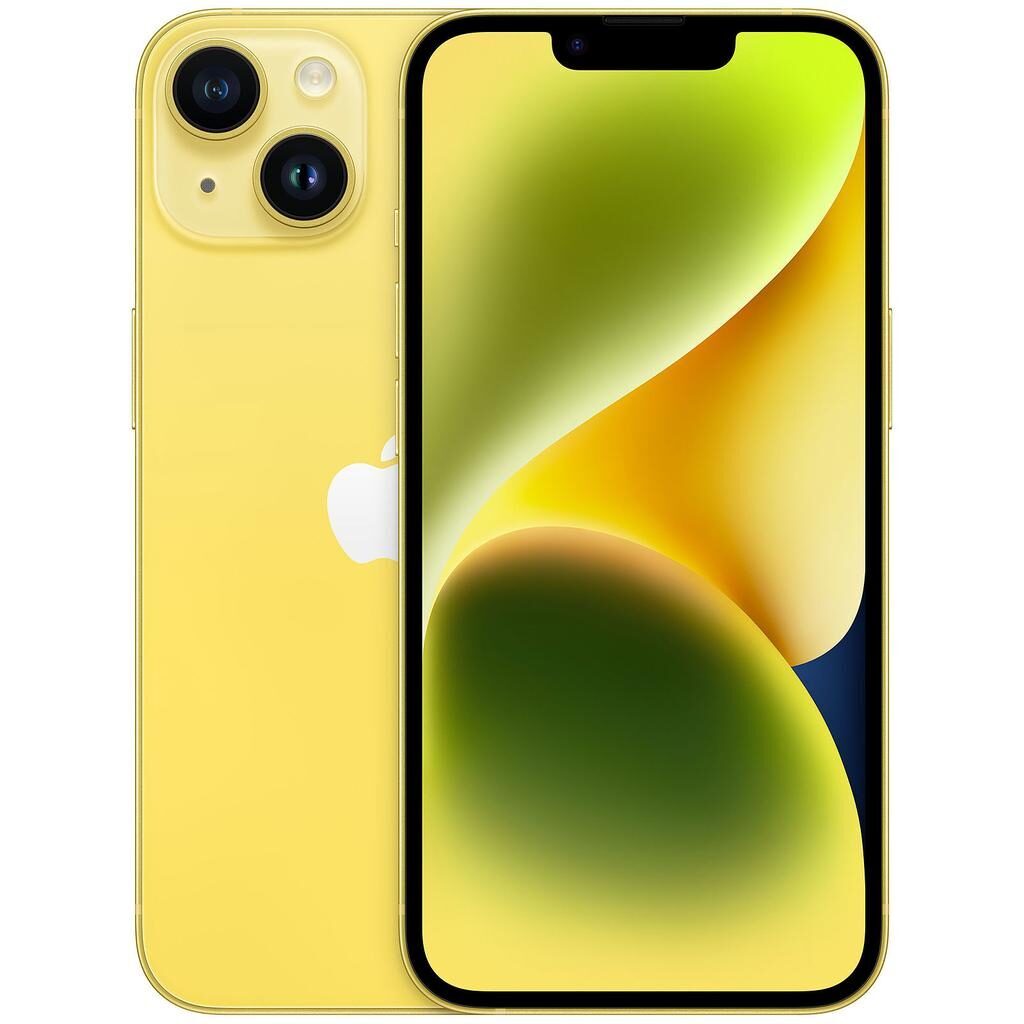
iPhone 14
Starting at
£289.69£599.00 new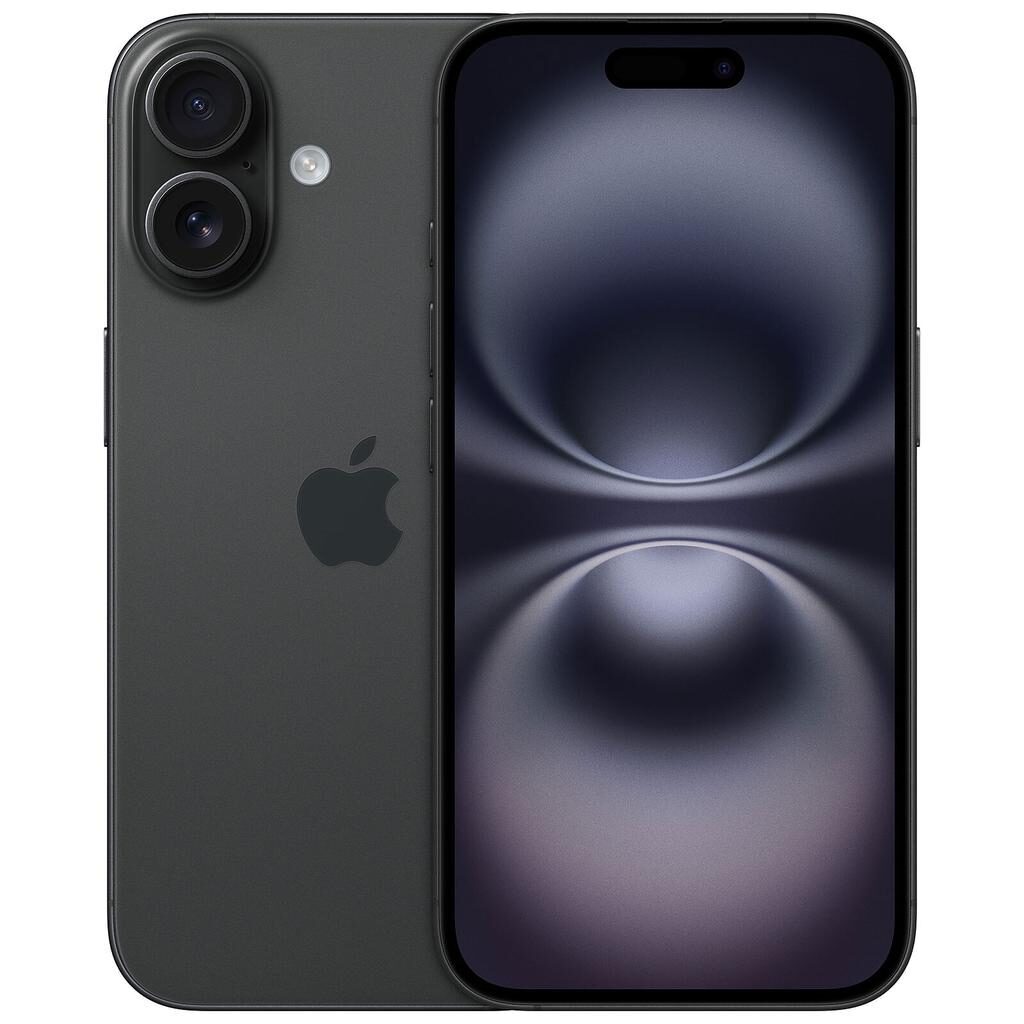
iPhone 16
Starting at
£577.65£699.00 newWhat's the difference between the iPhone 14 and iPhone 16?
iPhone 14 vs 16 comes down to the chipset, RAM and battery. Refurbished, the iPhone 14 starts at £289.69, £287.96 less than the iPhone 16. The iPhone 16 is the newer model, released in 2024.
Refurbished from
Chipset
RAM
Battery
Main camera
Weight
- Chipset: Apple A15 Bionic on the iPhone 14, Apple A18 (3 nm) on the iPhone 16.
- The iPhone 16 has more RAM: 8 GB vs 6 GB.
- The iPhone 16 has a bigger battery: 3561 mAh vs 3279 mAh.
iPhone 14 vs iPhone 16 specs
The iPhone 14 and iPhone 16 share many core features such as screen size, 5G support, and unlocked compatibility, making both solid choices for everyday use. The iPhone 16 offers more memory with 8 GB RAM compared to 6 GB on the iPhone 14, which helps keep more apps active in the background. It also has a larger battery capacity and a higher resolution main camera at 48 megapixels, suited for users who want longer battery life and more detailed photos. The iPhone 16 supports both physical SIM and eSIM, while the iPhone 14 uses eSIM only. The iPhone 16 uses a USB-C connector, whereas the iPhone 14 uses Lightning. These differences mean the iPhone 14 fits well for everyday users who want a reliable phone, while the iPhone 16 suits those looking for extra memory, battery, and camera detail.
iPhone 14 vs iPhone 16 price
Colour
iPhone 14 vs iPhone 16 battery life and software updates
Durability covers battery capacity, software updates, and physical design features that affect how long a device lasts and stays functional.
Battery Capacity
The iPhone 16 has a larger 3561 mAh battery compared to the iPhone 14's 3279 mAh. This means the iPhone 16 can potentially offer longer usage between charges, which benefits users who rely heavily on their phone throughout the day without frequent recharging.
SIM Card Options
The iPhone 14 supports eSIM only, which suits users who prefer a digital SIM. The iPhone 16 supports both a physical SIM and eSIM, offering more flexibility for those who want to use a physical SIM card alongside eSIM.
Battery
Foldable
Ip rating
OS at launch
Software updates
Wireless charging
Year of release
iPhone 14 vs iPhone 16 performance
Chipset
RAM
iPhone 14 vs iPhone 16 screen
Screen quality affects how content looks and how comfortable it is to view. Both phones have the same screen size and type but differ slightly in resolution.
Resolution
The iPhone 16 has a slightly higher resolution of 1179 x 2556 pixels compared to the iPhone 14's 1170 x 2532 pixels. This means the iPhone 16 offers a marginally sharper display, which may appeal to users who watch a lot of video or want finer detail in images.
Screen Size and Type
Both phones feature a 6.1 inch Super Retina XDR OLED screen with a 60 Hz refresh rate. This provides bright, clear, and colour-rich displays suitable for everyday viewing, gaming, and media consumption.
Refresh rate
Resolution
Screen size
Screen type
iPhone 14 vs iPhone 16 camera
The audiovisual section looks at cameras and imaging capabilities, important for users who take photos or video frequently.
Main Camera Resolution
The iPhone 16 has a 48 megapixel main camera, which is four times the 12 megapixels of the iPhone 14. This allows the iPhone 16 to capture more detail and sharper images, especially valuable for photography enthusiasts or users who want higher quality photos.
Front Camera
Both phones have a 12 megapixel front camera, supporting clear selfies and video calls with similar image quality.
Camera Type
The iPhone 14 uses a double camera setup while the iPhone 16 is described as having a dual camera. Both setups provide multiple lenses for versatile shooting options.
Camera type
Front camera
Main camera
iPhone 14 vs iPhone 16 size and design
Miscellaneous features include physical dimensions, connectors, network support, and storage options, all factors that can influence daily use and compatibility with accessories.
Connector Type
This affects what cables and accessories you use for charging and data transfer.
Physical Size and Weight
The iPhone 16 is slightly taller at 147.6 mm versus 146.7 mm on the iPhone 14, and weighs 170 g compared to 150 g. These differences are subtle but may be noticeable to users who prefer a lighter device.
SIM Card Support
The iPhone 14 supports eSIM only, while the iPhone 16 supports both physical SIM and eSIM. This gives the iPhone 16 more versatility for mobile network options.
Storage Options
Both phones come in 128GB, 256GB, and 512GB storage variants, providing similar choices for how much data and media you can store.
Carrier compatibility
Connector
Depth
Height
Mobile network
Release date
SD card slot
SIM card
Weight
Width
iPhone 14 or iPhone 16: which should you buy?
Buy the iPhone 14 if
- you want to spend less: it starts at £289.69, £287.96 less than the iPhone 16
Buy the iPhone 16 if
- you want more RAM (8 GB vs 6 GB)
- you want a bigger battery (3561 mAh vs 3279 mAh)
- you want a higher-resolution main camera (48 megapixels vs 12 megapixels)
What our customers say
Customers who own the iPhone 14 commonly describe it as looking like new with excellent screen condition and battery life that lasts well through the day. They appreciate its smooth performance for everyday tasks such as messaging, schoolwork, photos, and videos. Many users find it reliable and solid with a bright, clear screen and a camera that takes sharp pictures, even in low light. The size and feel of the iPhone 14 suit those who want a dependable smartphone without extra features.
Owners of the iPhone 16 highlight the device's like-new condition and excellent battery health, often at 100%. They note smooth and fast performance with ample memory for multitasking. The camera quality and overall appearance often meet or exceed expectations, with some users receiving phones that look brand new. The iPhone 16 is popular among those who want more storage, a larger battery, and the flexibility of dual SIM support. It also appeals to buyers who prefer USB-C connectivity.
Overall, the iPhone 14 suits users looking for a dependable, straightforward phone with solid battery life and camera performance. The iPhone 16 fits those who prioritise extra memory, higher camera resolution, and modern connector options.
iPhone 14 vs iPhone 16 FAQs
iPhone 14 vs 16 comes down to the chipset, RAM and battery. Chipset: Apple A15 Bionic on the iPhone 14, Apple A18 (3 nm) on the iPhone 16. The iPhone 16 has more RAM: 8 GB vs 6 GB.
The iPhone 14 is cheaper refurbished, from £289.69 compared with £577.65 for the iPhone 16.
The iPhone 16 has a bigger battery: 3561 mAh vs 3279 mAh.
The iPhone 16 has a higher-resolution main camera: 48 megapixels vs 12 megapixels.
The iPhone 14 is still supported and can run iOS 27. The iPhone 16 is still supported and can run iOS 27.
The iPhone 16 adds more RAM (8 GB vs 6 GB), a bigger battery (3561 mAh vs 3279 mAh) and a higher-resolution main camera (48 megapixels vs 12 megapixels). Refurbished, it costs £287.96 more (from £577.65 vs £289.69).
Both come in 128GB, 256GB and 512GB refurbished.