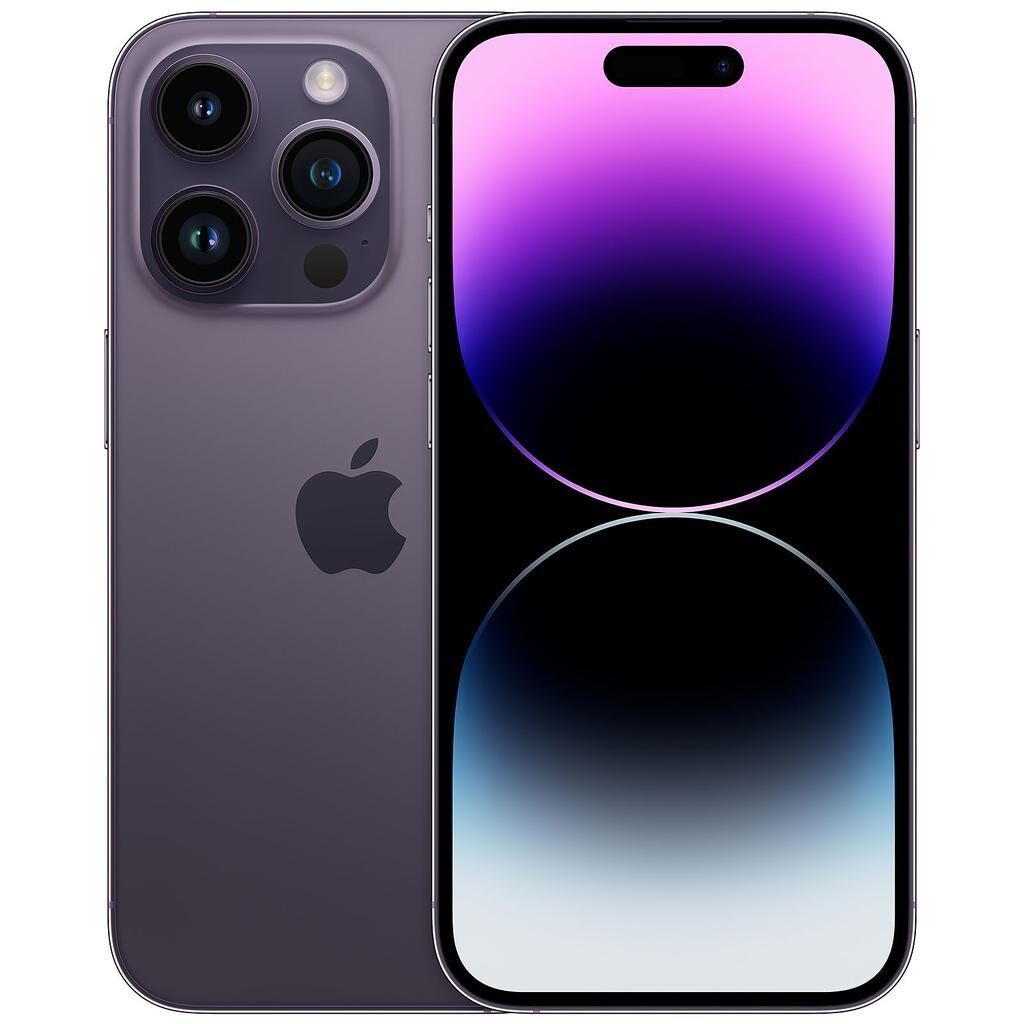
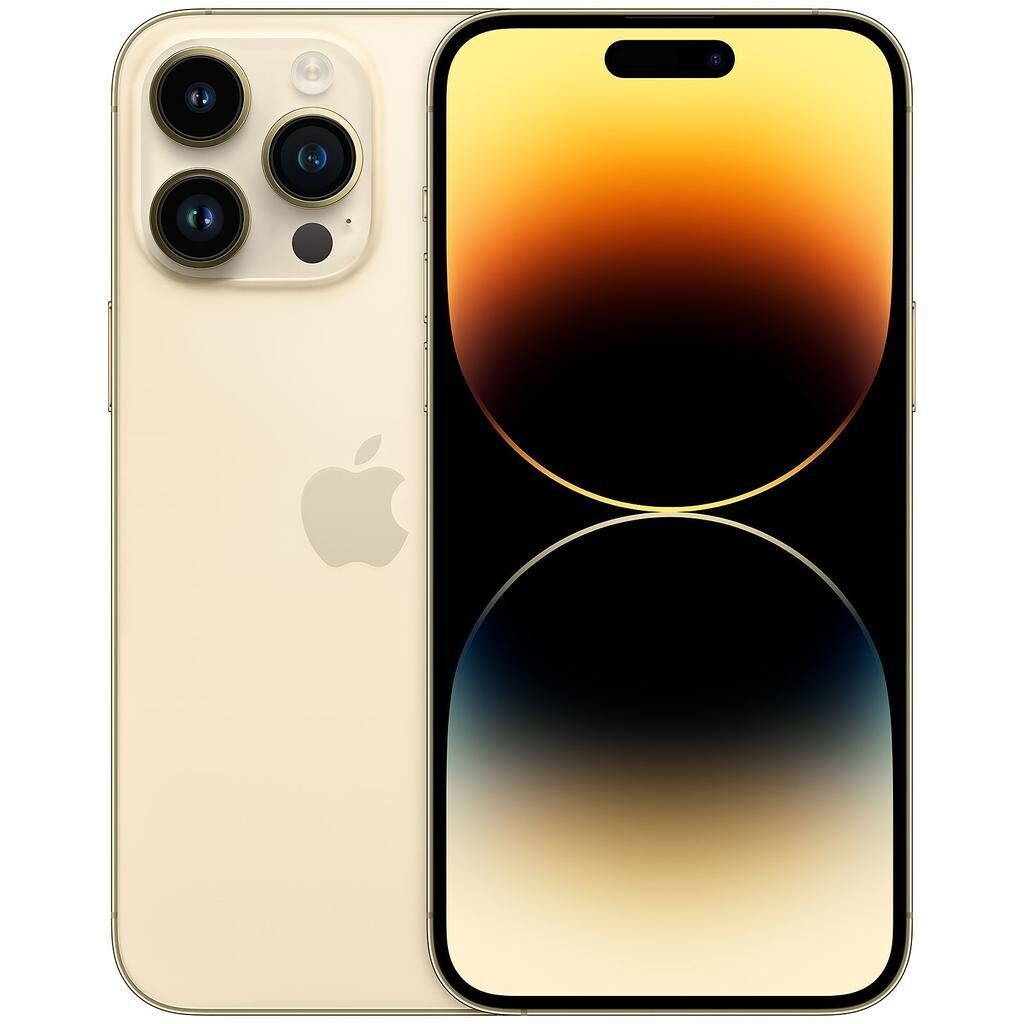
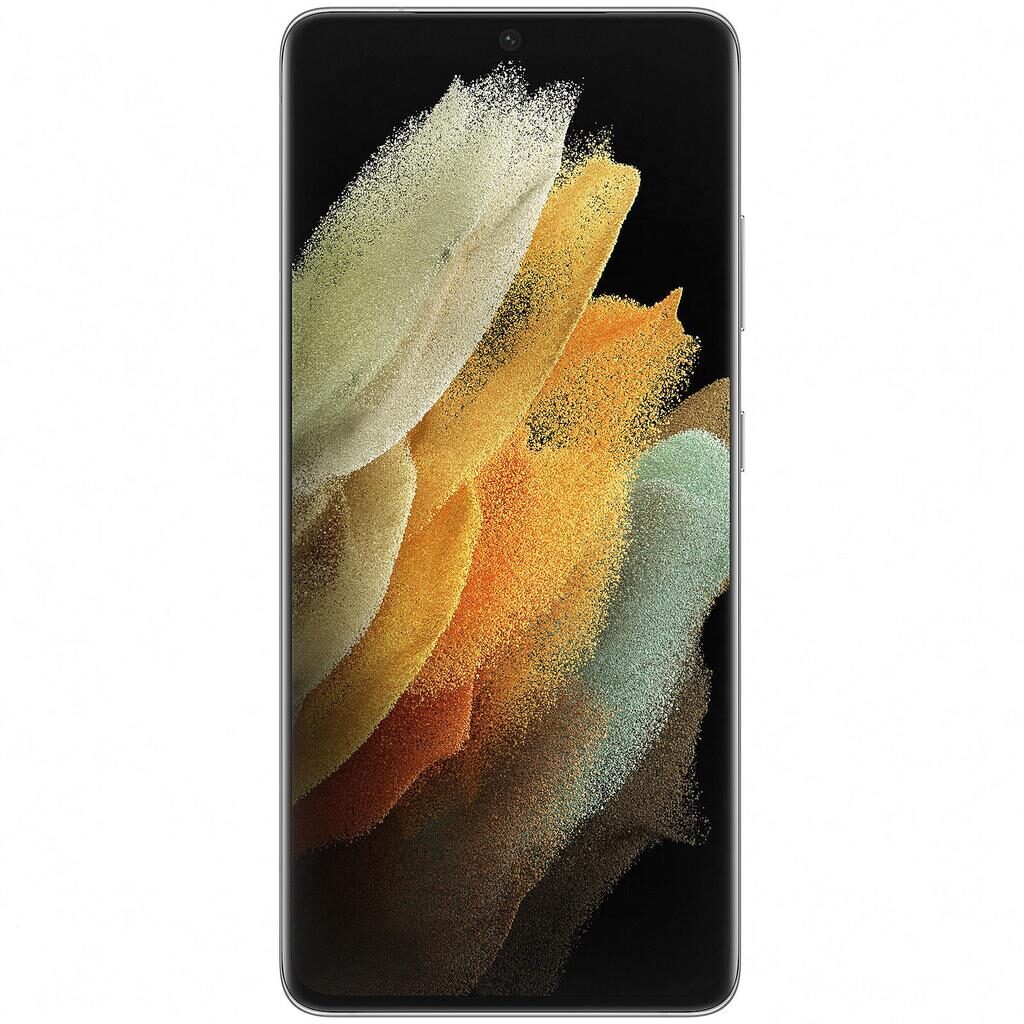
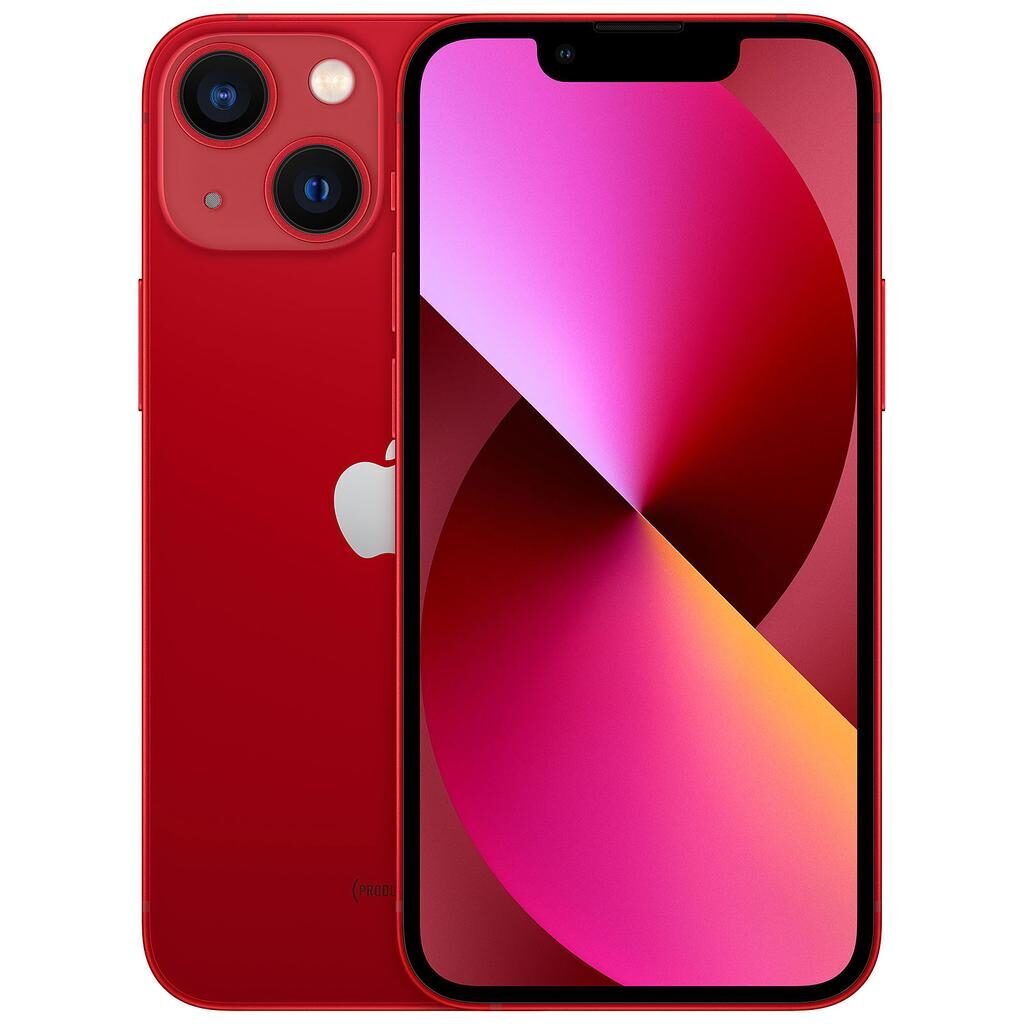
iPhone 14 vs iPhone 15
Shop iPhone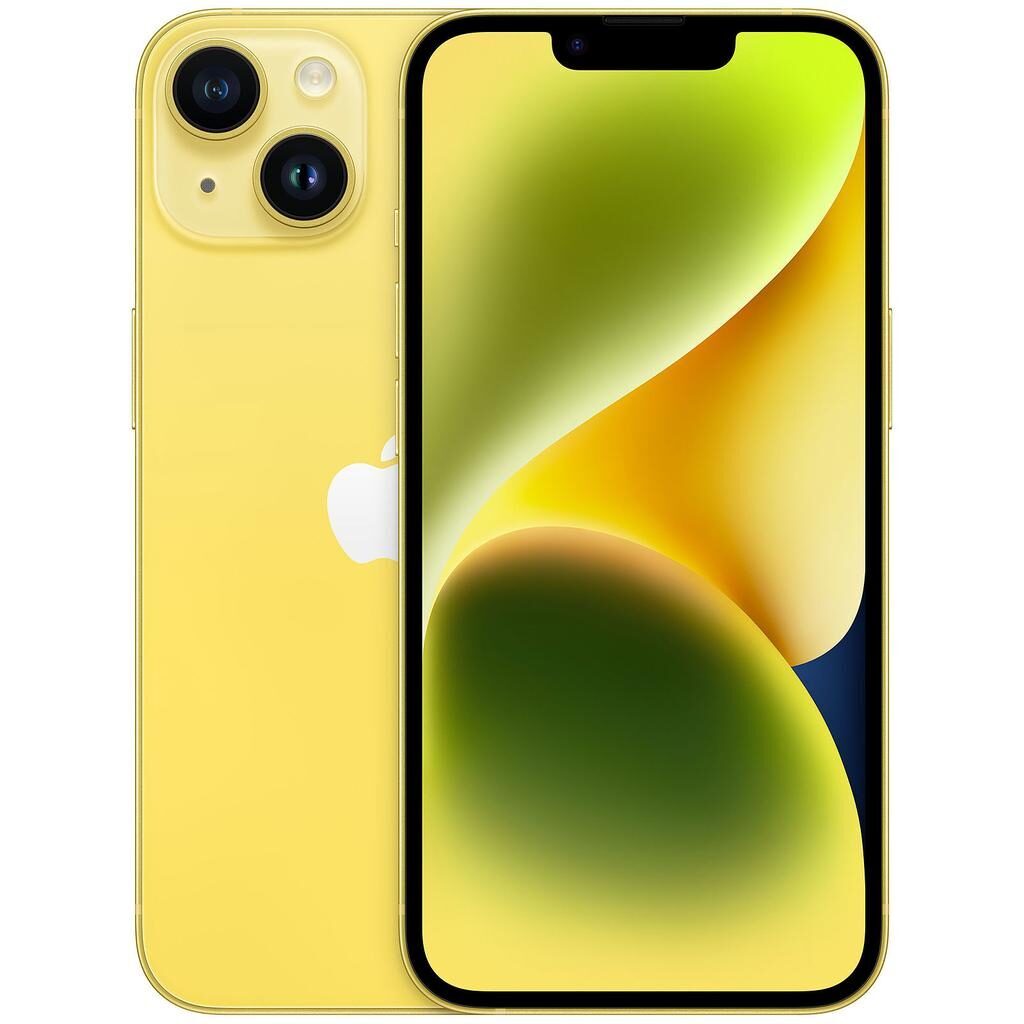
iPhone 14
Starting at
£289.69£599.00 new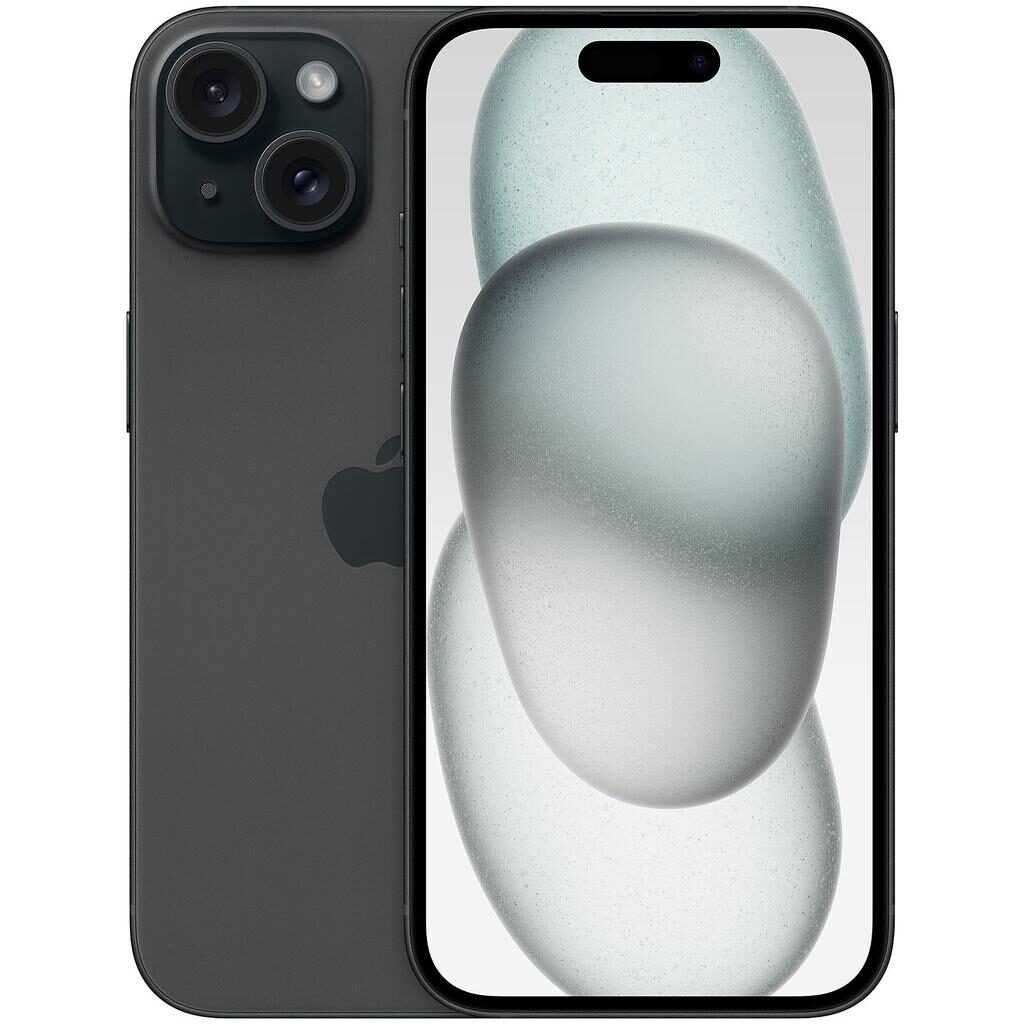
iPhone 15
Starting at
£416.19£699.00 newWhat's the difference between the iPhone 14 and iPhone 15?
iPhone 14 vs 15 comes down to the chipset, battery and main camera. Refurbished, the iPhone 14 starts at £289.69, £126.50 less than the iPhone 15. The iPhone 15 is the newer model, released in 2023.
Refurbished from
Chipset
Battery
Main camera
Weight
Connector
- Chipset: Apple A15 Bionic on the iPhone 14, Apple A16 Bionic on the iPhone 15.
- The iPhone 15 has a bigger battery: 3349 mAh vs 3279 mAh.
- The iPhone 15 has a higher-resolution main camera: 48 megapixels vs 12 megapixels.
iPhone 14 vs iPhone 15 specs
The iPhone 14 and iPhone 15 share many core features like screen size, RAM, and 5G connectivity, making both capable for everyday use. The iPhone 15 offers a higher resolution screen and a significantly more detailed main camera, which suits you if photography or sharper visuals matter. It also has a slightly larger battery and supports both physical SIM and eSIM, while the iPhone 14 has a smaller battery and only eSIM. The iPhone 15 uses a USB-C connector, whereas the iPhone 14 uses Lightning. Weight and dimensions differ slightly, with the iPhone 15 being a bit heavier and taller. Choose the iPhone 14 if you want a lighter device with proven performance, and the iPhone 15 if you prefer a better camera, a newer connector, and the option for a physical SIM alongside eSIM.
iPhone 14 vs iPhone 15 price
Colour
iPhone 14 vs iPhone 15 battery life and software updates
Durability involves battery size, software support, and physical design aspects that affect daily use. Their battery capacities and SIM options differ, which can influence how long the devices last between charges and how you manage network connections.
Battery Capacity
The iPhone 15 has a 3349 mAh battery, which is slightly larger than the iPhone 14's 3279 mAh. This means the iPhone 15 may offer a bit more usage time between charges, useful if you often use your phone heavily during the day. The iPhone 14 still provides solid battery life that many customers find lasts well for daily use.
SIM Card Options
The iPhone 14 supports eSIM only, which is convenient if you prefer a digital SIM and a simpler setup. The iPhone 15 supports both a physical SIM and eSIM, giving you flexibility to use traditional SIM cards or multiple numbers. This suits you if you travel frequently or want more control over your mobile connections.
Battery
Foldable
Ip rating
Software updates
Wireless charging
Year of release
iPhone 14 vs iPhone 15 performance
Chipset
RAM
iPhone 14 vs iPhone 15 screen
Screen quality affects how you view content, from sharpness to size and smoothness. Both iPhones have the same screen size and refresh rate, making them similarly responsive and comfortable to use. Their resolution and display technology have small differences that matter for users focused on detail.
Resolution Detail
The iPhone 15 offers a resolution of 1179 x 2556 pixels, slightly higher than the iPhone 14's 1170 x 2532. This means the iPhone 15 can display finer details and sharper images, which benefits watching videos or viewing photos closely. Both use Super Retina XDR OLED screens, ensuring rich colours and contrast.
Screen Size and Refresh Rate
Both devices have a 6.1 inch screen with a 60 Hz refresh rate. This keeps scrolling and animations smooth and consistent on both phones. The size is well suited for one-handed use and fits comfortably in most pockets.
Refresh rate
Resolution
Screen size
Screen type
iPhone 14 vs iPhone 15 camera
Camera capabilities and front-facing camera quality are key if you take photos or video call frequently. Both iPhones have the same front camera, while the main camera differs significantly, affecting photo detail and quality.
Main Camera Resolution
The iPhone 15 features a 48 megapixel main camera, which captures much more detail than the iPhone 14's 12 megapixels. This suits you if you want sharper photos with the ability to crop or zoom in without losing clarity. The iPhone 14 still provides good quality pictures suitable for everyday photography and social media.
Front Camera Similarity
Both phones share a 12 megapixel front camera, making them equally capable for selfies and video calls. You can expect clear and consistent results regardless of which device you choose.
Camera type
Front camera
Main camera
iPhone 14 vs iPhone 15 size and design
Other features include device size, weight, connectivity, and charging ports. These influence comfort, convenience, and compatibility with accessories and networks.
Connector Type
The iPhone 14 uses a Lightning connector, which is common on many Apple devices. The iPhone 15 switches to USB-C, which is widely used across many brands and accessories. Choosing the iPhone 15 may simplify charging if you use USB-C for other devices.
Device Size and Weight
The iPhone 15 measures 147.6 mm in height and weighs 171 g, slightly taller and heavier than the iPhone 14's 146.7 mm height and 150 g weight. If you prefer a lighter phone for easier handling or pocket fit, the iPhone 14 may suit you better. The differences are small but noticeable to some users.
Carrier and Network
Both phones are unlocked and support 5G mobile networks, giving you freedom to choose your carrier and enjoy fast data speeds. Neither device has an SD card slot.
Carrier compatibility
Connector
Depth
Height
Mobile network
Release date
SD card slot
SIM card
Weight
Width
iPhone 14 or iPhone 15: which should you buy?
Buy the iPhone 14 if
- you want to spend less: it starts at £289.69, £126.50 less than the iPhone 15
Buy the iPhone 15 if
- you want a bigger battery (3349 mAh vs 3279 mAh)
- you want a higher-resolution main camera (48 megapixels vs 12 megapixels)
What our customers say
Customers who chose the iPhone 14 appreciate its reliable performance and solid battery life, with many noting the device feels like new and runs smoothly. They mention the screen is bright and clear, and the camera produces sharp, clear pictures even in low light. The lighter weight and proven design suit those looking for a dependable phone that handles everyday tasks well. Many customers are happy with the condition and value, highlighting that the iPhone 14 is a great gift or personal upgrade.
Users of the iPhone 15 praise its responsiveness and camera quality, especially the crystal clear pictures from the main camera. The battery life is reported as very good, with some customers surprised by the high battery health on refurbished units. The phone's condition often looks like new, with minimal marks visible even on fair condition models. Buyers also appreciate the ease of setup and the feel of a new device. The slightly heavier weight and larger size are accepted by users who prioritise camera detail and flexible SIM options.
Both phones suit different priorities: the iPhone 14 is for those who want a lighter device with solid all-round performance, while the iPhone 15 is ideal if you want enhanced photography and USB-C connectivity alongside a bit more battery capacity.
iPhone 14 vs iPhone 15 FAQs
iPhone 14 vs 15 comes down to the chipset, battery and main camera. Chipset: Apple A15 Bionic on the iPhone 14, Apple A16 Bionic on the iPhone 15. The iPhone 15 has a bigger battery: 3349 mAh vs 3279 mAh.
The iPhone 14 is cheaper refurbished, from £289.69 compared with £416.19 for the iPhone 15.
The iPhone 15 has a bigger battery: 3349 mAh vs 3279 mAh.
The iPhone 15 has a higher-resolution main camera: 48 megapixels vs 12 megapixels.
The iPhone 14 is still supported and can run iOS 27. The iPhone 15 is still supported and can run iOS 27.
The iPhone 15 adds a bigger battery (3349 mAh vs 3279 mAh) and a higher-resolution main camera (48 megapixels vs 12 megapixels). Refurbished, it costs £126.50 more (from £416.19 vs £289.69).
Both come in 128GB, 256GB and 512GB refurbished.