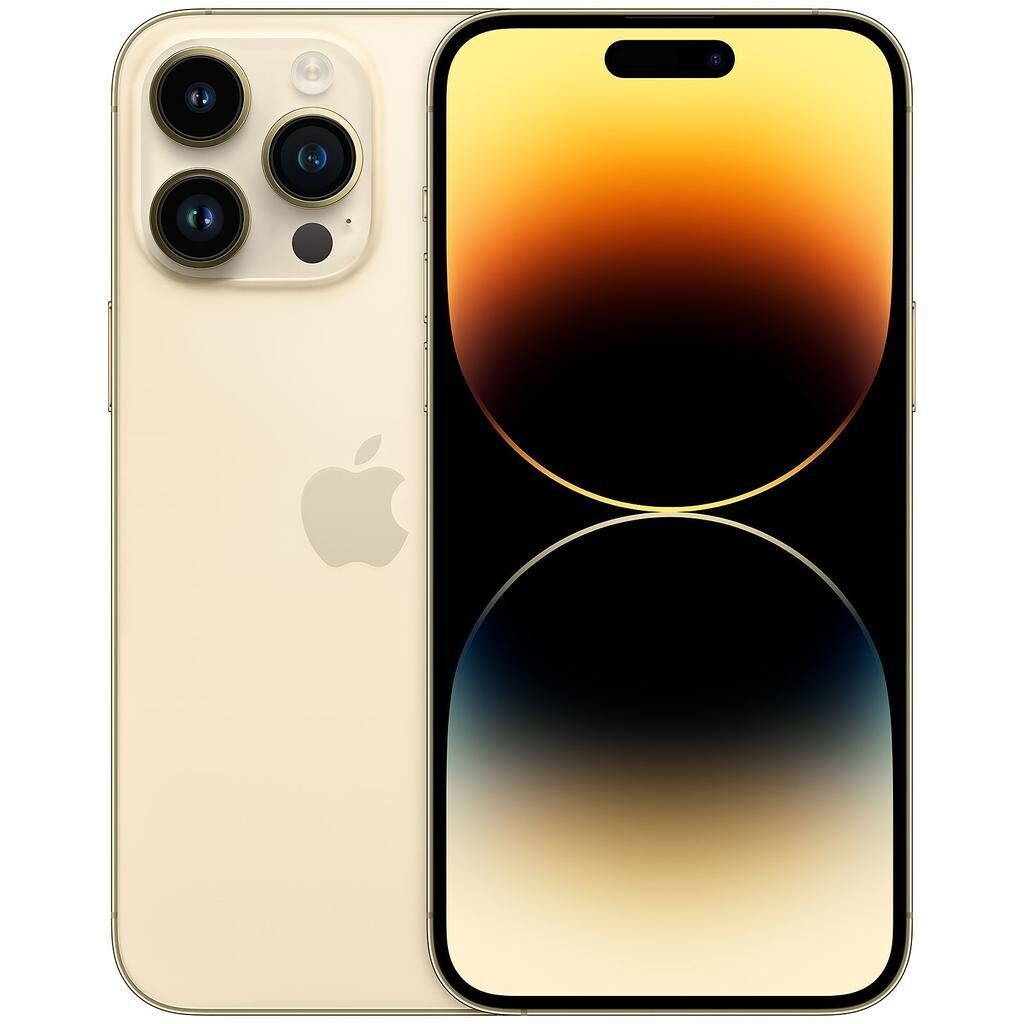
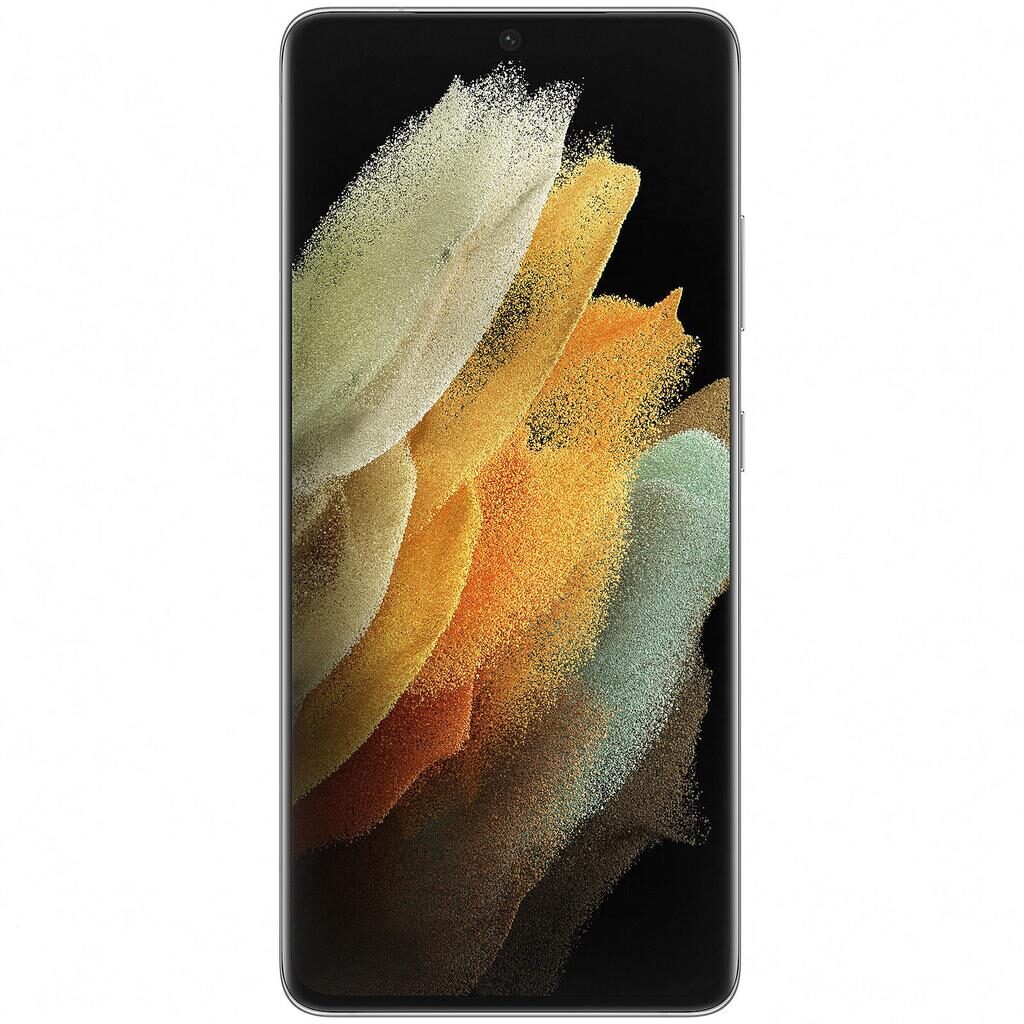
iPhone 14 Pro vs iPhone 7
Shop iPhone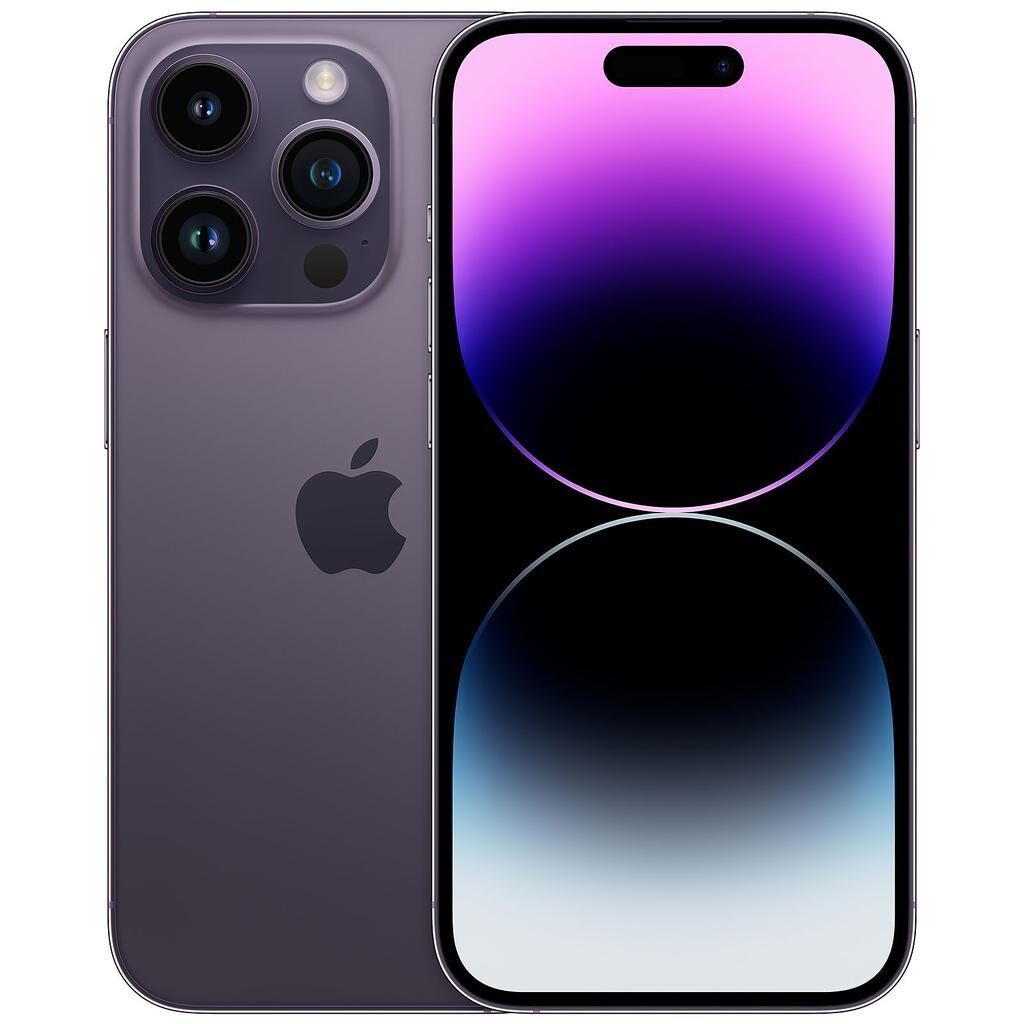
iPhone 14 Pro
Starting at
£426.31£1,099.00 new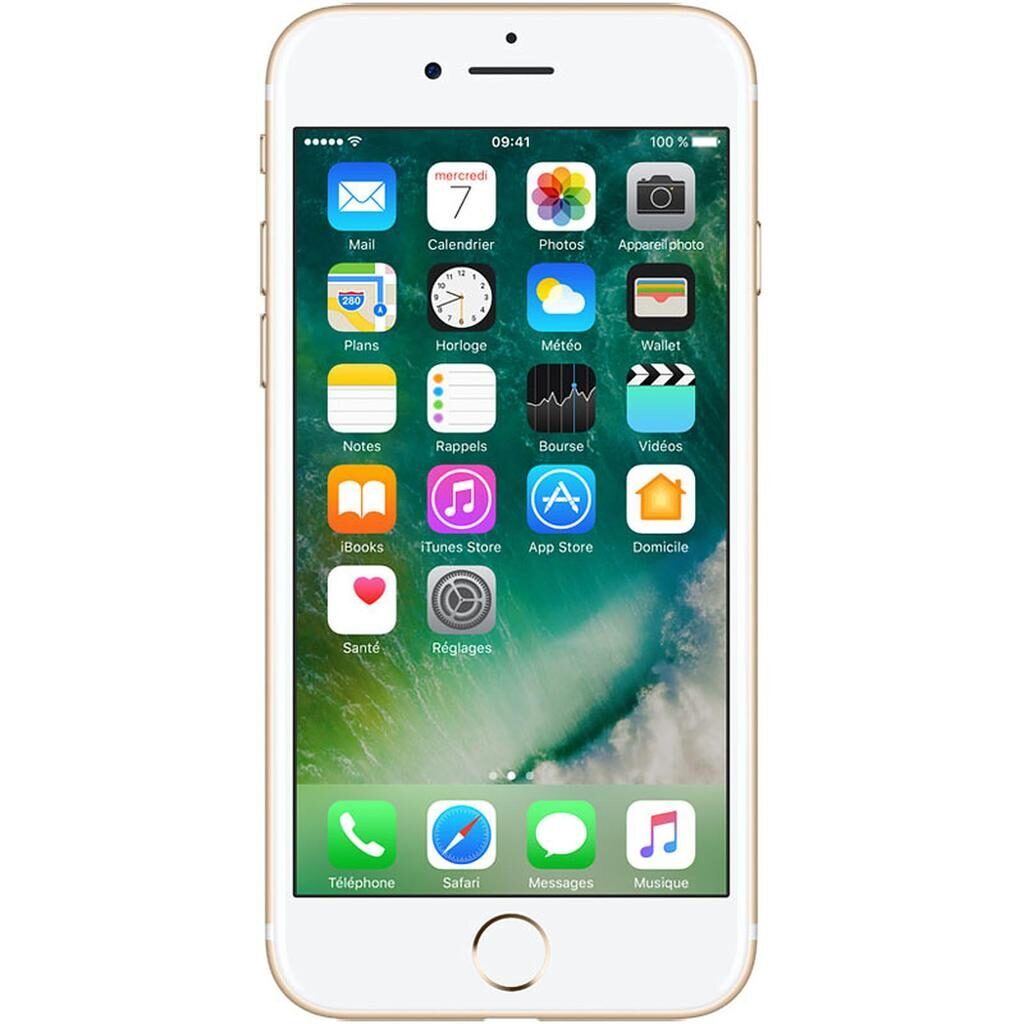
iPhone 7
Starting at
£66.24£179.00 newWhat's the difference between the iPhone 14 Pro and iPhone 7?
iPhone 14 Pro vs 7 comes down to the chipset, RAM and battery. Refurbished, the iPhone 7 starts at £66.24, £360.07 less than the iPhone 14 Pro. The iPhone 14 Pro is the newer model, released in 2022.
Refurbished from
Chipset
RAM
Battery
Screen size
Screen type
- Chipset: Apple A16 Bionic (4 nm) on the iPhone 14 Pro, Apple A10 Fusion (16 nm) on the iPhone 7.
- The iPhone 14 Pro has more RAM: 6 GB vs 2 GB.
- The iPhone 14 Pro has a bigger battery: 3200 mAh vs 1960 mAh.
iPhone 14 Pro vs iPhone 7 specs
The iPhone 14 Pro and iPhone 7 differ in many key areas suited to different users. The iPhone 14 Pro offers a larger and sharper screen with a smoother 120 Hz refresh rate, more memory, and a more powerful chipset, making it a better fit if you use demanding apps or want a premium display. The iPhone 7 is a simpler choice with a smaller screen and less memory, ideal if you want a straightforward phone for everyday tasks like calls and texts, with physical SIM card use and 4G. Battery capacity and camera resolution also differ, reflecting the different user needs each phone meets.
iPhone 14 Pro vs iPhone 7 price
Colour
iPhone 14 Pro vs iPhone 7 battery life and software updates
Durability covers battery capacity, software updates, and operating system compatibility. These affect how long your phone lasts on a charge and how current its software can be.
Battery Capacity
The iPhone 14 Pro has a 3200 mAh battery, providing more capacity than the 1960 mAh battery in the iPhone 7. This means the iPhone 14 Pro can support longer use between charges, which benefits users who spend a lot of time on their phone or use power-hungry apps. The iPhone 7's smaller battery suits those with more basic daily usage or who charge more frequently.
Battery
Foldable
Ip rating
Software updates
Wireless charging
Year of release
iPhone 14 Pro vs iPhone 7 performance
Performance depends on the chipset, RAM, and storage options. These influence how smoothly the phone runs apps and how much data and media you can keep on the device.
Chipset and RAM
The iPhone 14 Pro uses the Apple A16 Bionic chipset with 6 GB of RAM, supporting faster processing and multitasking. The iPhone 7 features the Apple A10 Fusion chipset and 2 GB RAM, which suits casual users focused on basic tasks. More RAM on the iPhone 14 Pro allows more apps to stay active in the background, helping if you use many apps at once.
Storage Options
The iPhone 14 Pro is available in 128GB, 256GB, 512GB, and 1TB storage options, offering plenty of space for large apps, photos, and videos. The iPhone 7 offers 32GB and 128GB options, which may be better if you prefer fewer files or a lower-priced model. More storage on the iPhone 14 Pro suits users who keep a lot of media or apps on their phone.
Chipset
RAM
iPhone 14 Pro vs iPhone 7 screen
Screen quality affects how images and videos look, and how smooth interactions feel. Size, resolution, refresh rate, and screen type all play a role.
Screen Size and Resolution
The iPhone 14 Pro has a 6.1 inch screen with a resolution of 1179 x 2556, providing a larger and clearer display. The iPhone 7's 4.7 inch screen with 750 x 1334 resolution suits users who prefer a more compact device and less detailed display, ideal for basic phone use or easier one-handed operation.
Refresh Rate
The iPhone 14 Pro offers a 120 Hz refresh rate, making animations and scrolling appear smoother. The iPhone 7 has a 60 Hz refresh rate, which is standard and sufficient for everyday use like browsing or messaging. The higher refresh rate on the iPhone 14 Pro suits users who notice smoother motion in games and apps.
Screen Type
The iPhone 14 Pro's LTPO Super Retina XDR OLED screen delivers richer colours and deeper blacks, enhancing viewing quality. The iPhone 7 uses a Retina IPS LCD screen, which provides good colour accuracy and brightness for general use. The OLED screen suits those who value vibrant media viewing.
Refresh rate
Resolution
Screen size
Screen type
iPhone 14 Pro vs iPhone 7 camera
Audiovisual features focus on camera quality, which impacts photo and video detail and clarity, especially for selfies and main shots.
Front Camera
The iPhone 14 Pro has a 12 megapixel front camera, capturing more detail in selfies and video calls compared to the iPhone 7's 7 megapixel front camera. This suits users who prioritise high-quality video chats or selfies.
Main Camera
The iPhone 14 Pro's main camera has 48 megapixels for capturing detailed photos and videos, well suited for photography enthusiasts or everyday users wanting sharper images. The iPhone 7's 12 megapixel main camera suits simple photography needs and users who take fewer photos.
Front camera
Main camera
iPhone 14 Pro vs iPhone 7 size and design
Other features include network support, physical characteristics, SIM card type, and connectivity, which affect usability and convenience.
Mobile Network
The iPhone 14 Pro supports 5G networks, providing faster data speeds where 5G is available. The iPhone 7 supports 4G, which covers broad areas but at lower maximum speeds. The 5G support suits users who want faster internet for streaming or downloads.
SIM Card Type
The iPhone 14 Pro uses an eSIM, a digital SIM that frees up the physical SIM slot and can be more convenient for switching carriers. The iPhone 7 uses a physical SIM card, which some users find straightforward for swapping between devices.
Size and Weight
The iPhone 14 Pro measures 147.5 mm in height, 71.5 mm in width, and weighs 150 g, offering a larger but still manageable size. The iPhone 7 is slightly shorter at 138.3 mm, narrower at 67.1 mm, and lighter at 138 g, appealing to those who prefer a smaller, lighter phone.
Connector
Both iPhone 14 Pro and iPhone 7 use the Lightning connector, so charging and accessory options are similar between the two.
Carrier compatibility
Connector
Depth
Height
Mobile network
Release date
SD card slot
SIM card
Weight
Width
iPhone 14 Pro or iPhone 7: which should you buy?
Buy the iPhone 14 Pro if
- you want more RAM (6 GB vs 2 GB)
- you want a bigger battery (3200 mAh vs 1960 mAh)
- you want a bigger screen (6.1 inch vs 4.7 inch)
Buy the iPhone 7 if
- you want to spend less: it starts at £66.24, £360.07 less than the iPhone 14 Pro
- you want a lighter build (138 g vs 206 g)
What our customers say
Customers who bought the iPhone 14 Pro praise its condition, with many saying it looks like new and the battery health is excellent even on fair-condition models. The phone is described as fast, smooth, and premium to hold, with a clear display and good battery life. Some buyers highlight the large storage options and smooth performance, recommending the iPhone 14 Pro for those wanting a high-quality refurbished phone. Users with fair-condition models often say the minor scratches are easy to cover with a case.
Reviews for the iPhone 7 note that it looks very good for a refurbished phone, with several customers commenting on the battery life being sufficient for everyday use. The physical SIM card is appreciated by some for easy swapping. The iPhone 7 is described as simple and reliable for calls, texts, and light use. Some mention small scratches but overall good condition. A few buyers experienced technical issues unrelated to the device's main features, but the device itself is noted as suitable for straightforward tasks.
Overall, the iPhone 14 Pro is suited to customers seeking a more powerful and feature-rich phone with a premium screen and camera, while the iPhone 7 fits those looking for a simpler device for basic daily use with a smaller screen and physical SIM.
iPhone 14 Pro vs iPhone 7 FAQs
iPhone 14 Pro vs 7 comes down to the chipset, RAM and battery. Chipset: Apple A16 Bionic (4 nm) on the iPhone 14 Pro, Apple A10 Fusion (16 nm) on the iPhone 7. The iPhone 14 Pro has more RAM: 6 GB vs 2 GB.
The iPhone 7 is cheaper refurbished, from £66.24 compared with £426.31 for the iPhone 14 Pro.
The iPhone 14 Pro has a bigger battery: 3200 mAh vs 1960 mAh.
The iPhone 14 Pro has a higher-resolution main camera: 48 megapixels vs 12 megapixels.
The iPhone 14 Pro is still supported and can run iOS 27. Updates for the iPhone 7 ended in Mar 2025. Its last version is iOS 15.
The iPhone 14 Pro adds more RAM (6 GB vs 2 GB), a bigger battery (3200 mAh vs 1960 mAh) and a bigger screen (6.1 inch vs 4.7 inch). Refurbished, it costs £360.07 more (from £426.31 vs £66.24).
Refurbished, the iPhone 14 Pro comes in 128GB, 256GB, 512GB and 1TB, and the iPhone 7 in 32GB and 128GB.