iPhone 14 Pro vs iPhone 16
Shop iPhone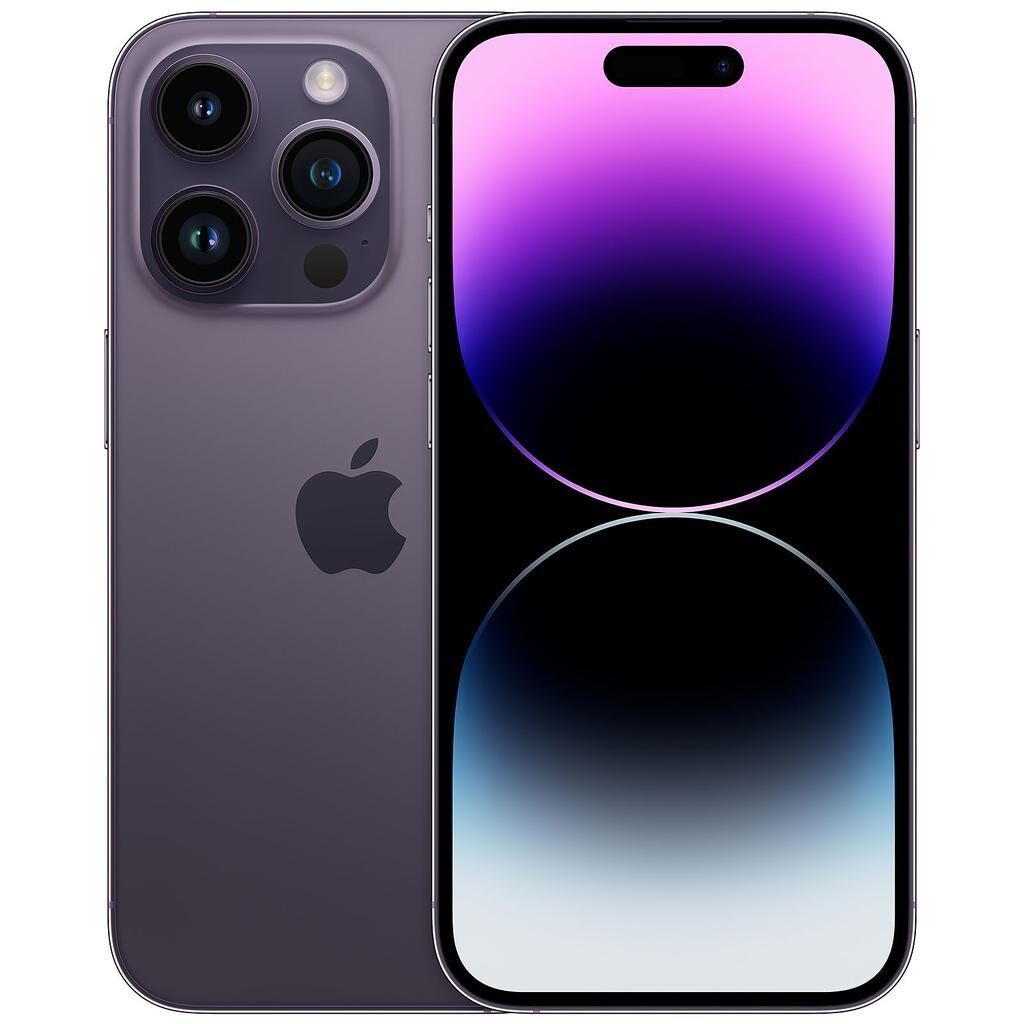
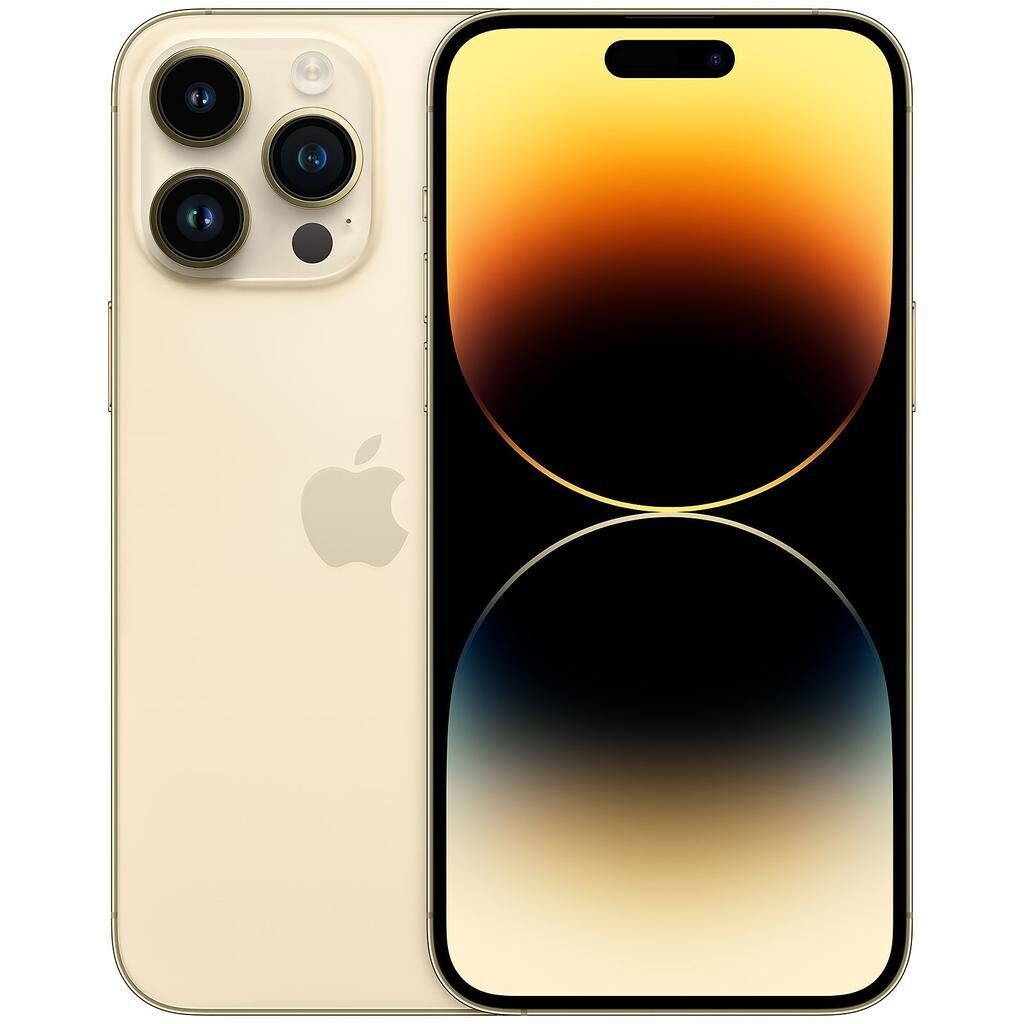
iPhone 14 Pro
Starting at
£426.31£1,099.00 new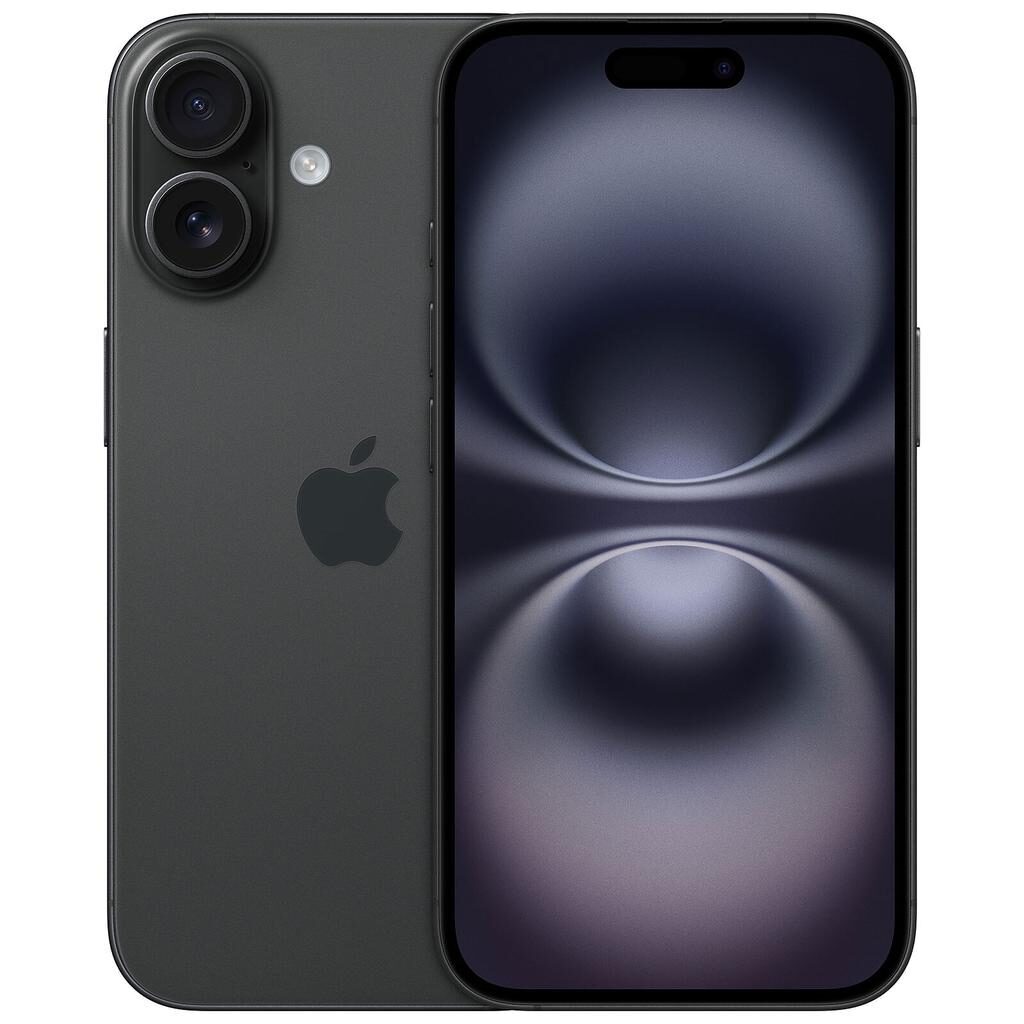
iPhone 16
Starting at
£577.65£699.00 newWhat's the difference between the iPhone 14 Pro and iPhone 16?
iPhone 14 Pro vs 16 comes down to the chipset, RAM and battery. Refurbished, the iPhone 14 Pro starts at £426.31, £151.34 less than the iPhone 16. The iPhone 16 is the newer model, released in 2024.
Refurbished from
Chipset
RAM
Battery
Screen type
Refresh rate
- Chipset: Apple A16 Bionic (4 nm) on the iPhone 14 Pro, Apple A18 (3 nm) on the iPhone 16.
- The iPhone 16 has more RAM: 8 GB vs 6 GB.
- The iPhone 16 has a bigger battery: 3561 mAh vs 3200 mAh.
iPhone 14 Pro vs iPhone 16 specs
The iPhone 14 Pro and iPhone 16 differ mainly in performance, screen experience, battery, and connectivity options. The iPhone 16 offers a newer chipset and more RAM, suited for users who want the smoothest app multitasking and processing power. The iPhone 14 Pro features a higher refresh rate screen with LTPO technology, which benefits those who prioritise fluid visuals and energy efficiency. The iPhone 16 also supports iOS 18 and includes a USB-C connector with both physical SIM and eSIM options, while the 14 Pro uses Lightning and eSIM only. Choose the 14 Pro for a more responsive screen and the iPhone 16 for enhanced performance and connectivity flexibility.
iPhone 14 Pro vs iPhone 16 price
Colour
iPhone 14 Pro vs iPhone 16 battery life and software updates
Durability covers battery life, operating system compatibility, and physical design.
Battery Capacity
The iPhone 16 has a larger battery than the iPhone 14 Pro. This means the iPhone 16 may offer longer use between charges, which suits users who need extended battery life throughout their day. The 14 Pro's battery still provides dependable daily use but with less total capacity.
SIM Options
The iPhone 14 Pro uses eSIM only, which suits users comfortable with digital SIMs. The iPhone 16 includes both a physical SIM and an eSIM, offering more flexibility for those who prefer or need a traditional SIM card alongside eSIM.
Battery
Foldable
Ip rating
OS at launch
Software updates
Wireless charging
Year of release
iPhone 14 Pro vs iPhone 16 performance
Performance depends on chipset, RAM, and storage options. The iPhone 16 offers advancements in these areas that support multitasking and processing speed for demanding users.
Chipset Efficiency
The iPhone 16 features the Apple A18 chipset built on a 3 nm process, which brings newer technology compared to the iPhone 14 Pro's Apple A16 Bionic built on 4 nm. This means the iPhone 16 is designed to provide quicker processing and better power efficiency, ideal for users who run intensive apps or multitask frequently.
Memory for Multitasking
With 8 GB of RAM, the iPhone 16 is suited to keep more apps active and running smoothly in the background. The iPhone 14 Pro's 6 GB RAM supports everyday use well but is best for those who do not require heavy multitasking.
Storage Options
The iPhone 14 Pro offers storage up to 1 TB, which is suitable for users needing large space for media and apps. The iPhone 16 provides storage up to 512 GB, which matches the needs of most users but might not suit those who want maximum storage.
Chipset
RAM
iPhone 14 Pro vs iPhone 16 screen
Screen quality covers size, resolution, refresh rate, and technology. Both phones share the same size and resolution but differ in refresh rate and screen type, affecting visual smoothness.
Refresh Rate
The iPhone 14 Pro has a refresh rate that is double that of the iPhone 16. This higher refresh rate delivers smoother scrolling and animations, which benefits users who value fluid motion in apps and games.
Screen Technology
The iPhone 14 Pro uses an LTPO Super Retina XDR OLED screen, which is designed for efficient power use and dynamic adjustment of refresh rates. The iPhone 16 has a Super Retina XDR OLED screen without LTPO, making it suitable for everyday viewing but with less adaptability in power management.
Refresh rate
Resolution
Screen size
Screen type
iPhone 14 Pro vs iPhone 16 camera
Both devices offer the same camera resolutions, meeting expectations for sharp photos and videos from front and main cameras.
Camera Resolution
Both the iPhone 14 Pro and iPhone 16 have a 12 megapixel front camera and a 48 megapixel main camera. This means either phone can capture detailed photos and clear selfies, suitable for users who value consistent image quality.
Camera type
Front camera
Main camera
iPhone 14 Pro vs iPhone 16 size and design
Miscellaneous features include connectivity, physical dimensions, and weight. These affect daily use and how the phone fits into your routine.
Connector Type
USB-C on the iPhone 16 may suit users who prefer this common connector type for charging and accessories.
Physical SIM Availability
The iPhone 16 supports both a physical SIM and eSIM, which allows greater flexibility for managing multiple numbers or switching networks. The iPhone 14 Pro uses eSIM only, fitting users comfortable with digital SIM management.
Size and Weight
Both phones are very close in size, with the iPhone 16 being slightly taller and wider. The iPhone 14 Pro weighs 150 g, making it lighter than the iPhone 16 at 170 g. The lighter weight of the 14 Pro may appeal to those who prefer a less heavy device in hand.
Carrier compatibility
Connector
Depth
Height
Mobile network
Release date
SD card slot
SIM card
Weight
Width
iPhone 14 Pro or iPhone 16: which should you buy?
Buy the iPhone 14 Pro if
- you want to spend less: it starts at £426.31, £151.34 less than the iPhone 16
- you want a smoother screen (120 Hz vs 60 Hz)
Buy the iPhone 16 if
- you want more RAM (8 GB vs 6 GB)
- you want a bigger battery (3561 mAh vs 3200 mAh)
- you want a lighter build (170 g vs 206 g)
What our customers say
Customers of the iPhone 14 Pro praise its condition and battery health, often describing it as looking like new or nearly unused. Many mention the battery life as good or very good, with some having new batteries fitted or replaced. The screen quality and overall performance receive positive remarks, making it feel like a premium device in hand. Buyers appreciate the clarity of the display and smooth performance for everyday use.
Users of the iPhone 16 also report receiving phones in excellent or like-new condition, frequently noting 100% battery health and no visible marks or scratches. The performance is described as perfect with good battery life throughout the day. Customers highlight the condition, with some mentioning that the phone looks brand new. The larger storage options and smooth operation match their expectations for a newer model.
Both devices attract customers who value a clean, well-functioning phone. The iPhone 14 Pro appeals to those who want a lighter device with a high-quality screen experience. The iPhone 16 suits users looking for the latest software, a USB-C connector, and extra RAM for multitasking.
iPhone 14 Pro vs iPhone 16 FAQs
iPhone 14 Pro vs 16 comes down to the chipset, RAM and battery. Chipset: Apple A16 Bionic (4 nm) on the iPhone 14 Pro, Apple A18 (3 nm) on the iPhone 16. The iPhone 16 has more RAM: 8 GB vs 6 GB.
The iPhone 14 Pro is cheaper refurbished, from £426.31 compared with £577.65 for the iPhone 16.
The iPhone 16 has a bigger battery: 3561 mAh vs 3200 mAh.
Both have the same main camera: 48 megapixels.
The iPhone 14 Pro is still supported and can run iOS 27. The iPhone 16 is still supported and can run iOS 27.
The iPhone 16 adds more RAM (8 GB vs 6 GB), a bigger battery (3561 mAh vs 3200 mAh) and a lighter build (170 g vs 206 g). Refurbished, it costs £151.34 more (from £577.65 vs £426.31).
Refurbished, the iPhone 14 Pro comes in 128GB, 256GB, 512GB and 1TB, and the iPhone 16 in 128GB, 256GB and 512GB.