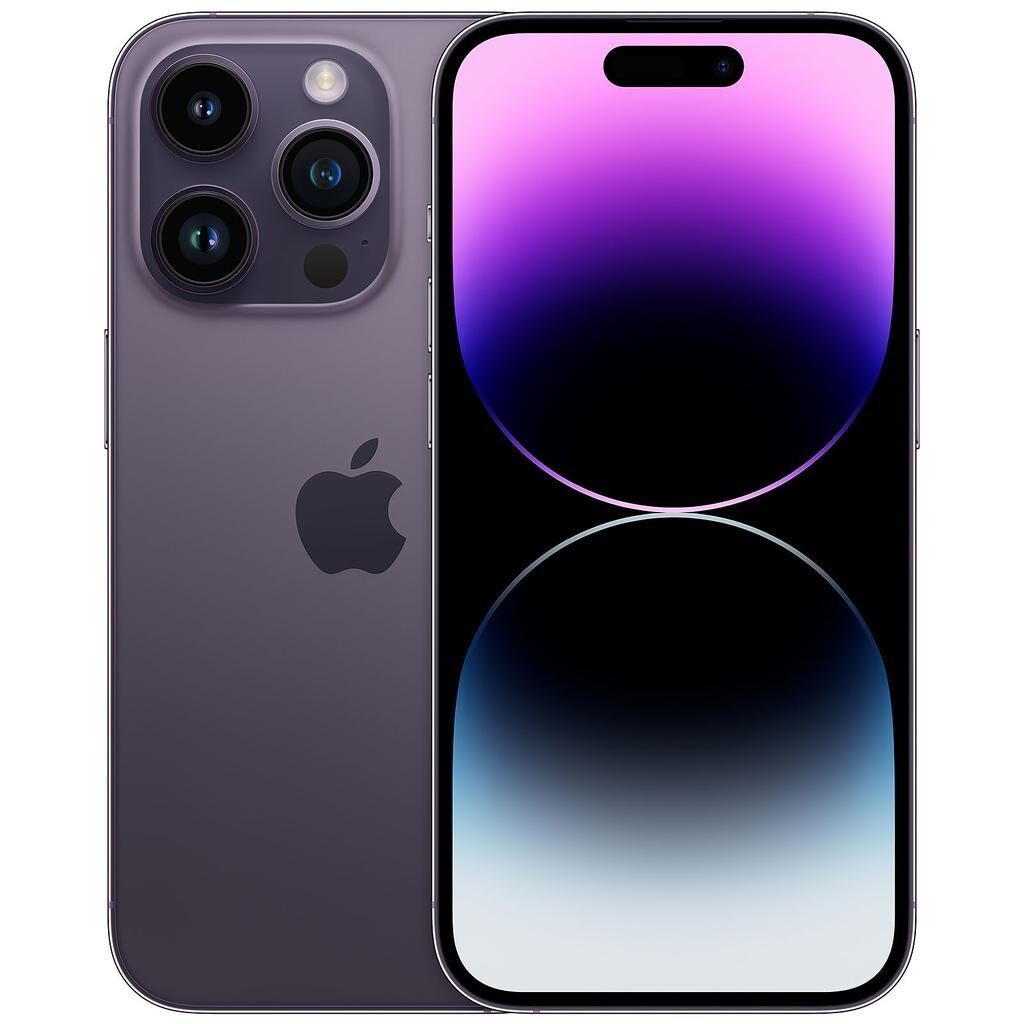
iPhone 14 Pro Max vs iPhone SE (2016)
Shop iPhone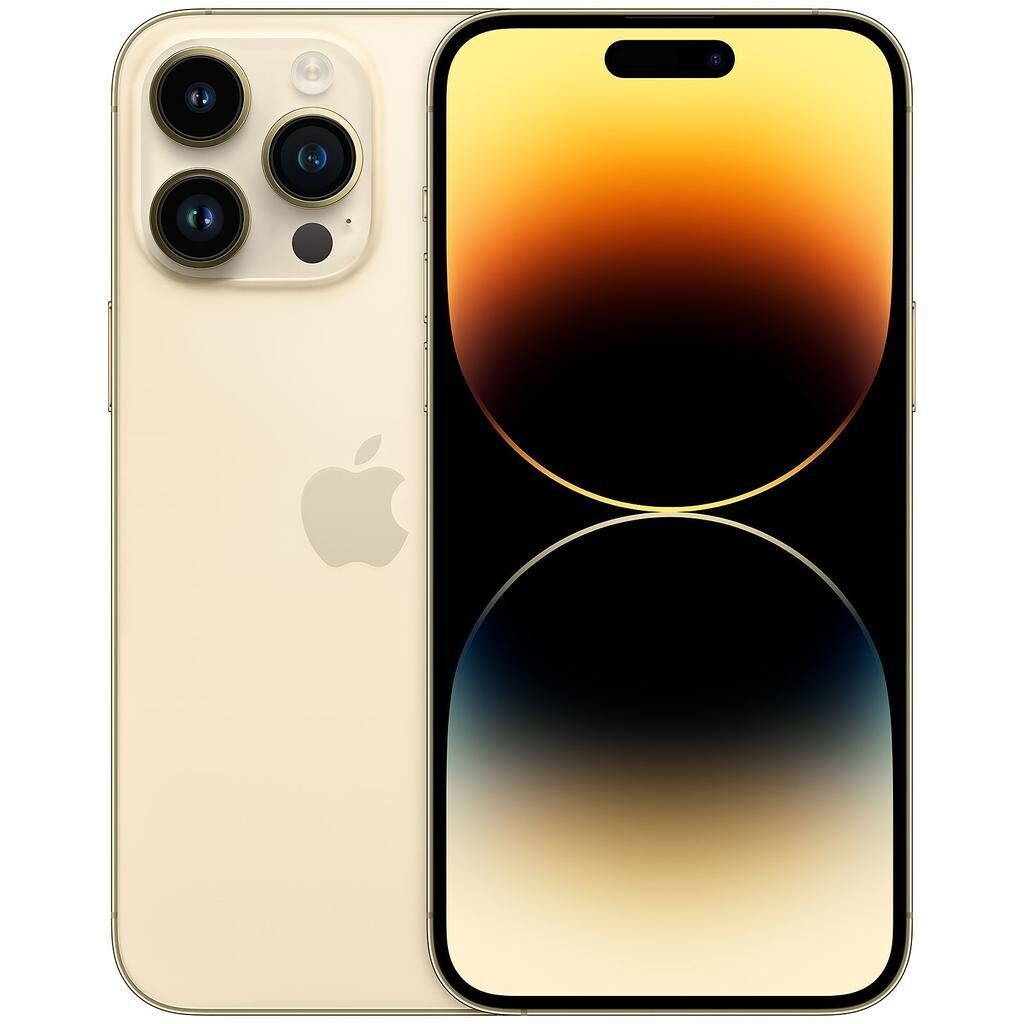
iPhone 14 Pro Max
Starting at
£467.05£1,279.00 new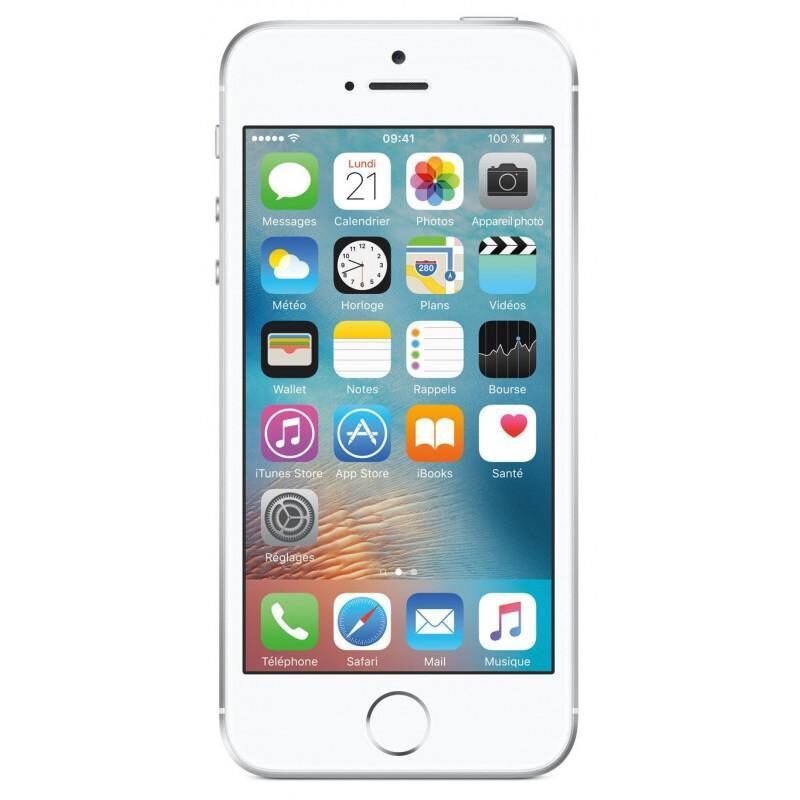
iPhone SE (2016)
Starting at
£192.40What's the difference between the iPhone 14 Pro Max and iPhone SE (2016)?
iPhone 14 Pro Max vs iPhone SE (2016) comes down to the chipset, RAM and battery. Refurbished, the iPhone SE (2016) starts at £192.40, £274.65 less than the iPhone 14 Pro Max. The iPhone 14 Pro Max is the newer model, released in 2022.
Refurbished from
Chipset
RAM
Battery
Screen size
Screen type
- Chipset: Apple A16 Bionic (4 nm) on the iPhone 14 Pro Max, Apple A9 (14 nm) on the iPhone SE (2016).
- The iPhone 14 Pro Max has more RAM: 6 GB vs 2 GB.
- The iPhone 14 Pro Max has a bigger battery: 4323 mAh vs 1624 mAh.
iPhone 14 Pro Max vs iPhone SE (2016) specs
The iPhone 14 Pro Max and iPhone SE (2016) cater to different needs based on their specifications. The iPhone 14 Pro Max offers a much larger and higher resolution screen, more powerful chipset, greater RAM, and advanced cameras, making it suited to users who want a phone for multimedia, gaming, and multitasking. The iPhone SE (2016) is smaller, lighter, and simpler with fewer features, suited for everyday use where portability and a lower price point are priorities. It has a smaller screen and lower camera resolution but uses the familiar Lightning connector with a headphone jack, appealing to those who prefer basic functionality or a compact device.
iPhone 14 Pro Max vs iPhone SE (2016) price
Colour
iPhone 14 Pro Max vs iPhone SE (2016) battery life and software updates
Durability covers battery size, software updates, and other physical features. The iPhone 14 Pro Max and iPhone SE (2016) differ significantly in battery capacity and software support, which affect how long they can be used between charges and how up to date they stay.
Battery Capacity
The iPhone 14 Pro Max has a 4323 mAh battery, which supports longer use between charges, suitable for heavy users or those who need all-day performance. The iPhone SE (2016) has a 1624 mAh battery, which fits well with lighter or occasional use where charging more often is acceptable.
Battery
Foldable
Ip rating
Software updates
Wireless charging
Year of release
iPhone 14 Pro Max vs iPhone SE (2016) performance
Performance depends on chipset, RAM, and storage. The iPhone 14 Pro Max and iPhone SE (2016) offer different levels of power and capacity to handle apps and multitasking.
Chipset and RAM
The iPhone 14 Pro Max uses the Apple A16 Bionic chipset with 6 GB RAM, providing strong performance for demanding apps, gaming, and multitasking. The iPhone SE (2016) has the Apple A9 chipset with 2 GB RAM, suitable for everyday tasks and simpler apps.
Storage Options
The iPhone 14 Pro Max is available in several storage options from 128GB up to 1TB, offering plenty of space for apps, photos, and videos. The iPhone SE (2016) comes with 64GB, suitable for users with basic storage needs.
Chipset
RAM
iPhone 14 Pro Max vs iPhone SE (2016) screen
Screen quality affects how you view content, with size, resolution, and display type all contributing to experience. The two devices offer very different screen setups.
Screen Size and Resolution
The iPhone 14 Pro Max has a large 6.7 inch screen with a high resolution of 1290 x 2796, making it ideal for watching videos, browsing, and multitasking. The iPhone SE (2016) has a smaller 4 inch screen with a resolution of 640 x 1136, which fits well for users who prefer a compact device or one-handed use.
Screen Technology
The iPhone 14 Pro Max uses an LTPO Super Retina XDR OLED display, offering vibrant colours and deep blacks. The iPhone SE (2016) uses an IPS LCD screen, which provides clear and accurate colours suitable for everyday viewing.
Refresh rate
Resolution
Screen size
Screen type
iPhone 14 Pro Max vs iPhone SE (2016) camera
Audiovisual features include cameras and video capabilities, which are important for photography and video calls. The iPhone 14 Pro Max and iPhone SE (2016) differ in camera resolution and capabilities.
Front Camera
The iPhone 14 Pro Max offers a 12 megapixel front camera, suitable for high-quality selfies and video calls. The iPhone SE (2016) has a 1.2 megapixel front camera, which is sufficient for basic video calls and simple selfies.
Main Camera
The iPhone 14 Pro Max features a 48 megapixel main camera, capturing detailed photos and videos. The iPhone SE (2016) has a 12 megapixel main camera, which works well for everyday photography.
Camera type
Front camera
Main camera
iPhone 14 Pro Max vs iPhone SE (2016) size and design
Miscellaneous differences cover size, weight, connectivity, and other features that affect daily use and compatibility.
Network and SIM Options
The iPhone 14 Pro Max supports 5G mobile networks and accepts both a physical SIM and eSIM, offering flexibility and faster network speeds where available. The iPhone SE (2016) supports 4G networks and uses a physical SIM only.
Physical Dimensions
The iPhone 14 Pro Max is larger at 160.7 mm tall, 77.6 mm wide, and 7.9 mm deep, weighing 150 g, which suits those who prefer a bigger screen and don't mind a heavier phone. The iPhone SE (2016) is more compact with a height of 123.8 mm, width of 58.6 mm, depth of 7.6 mm, and weight of 113 g, ideal for those wanting a smaller, lighter device.
Connector and Audio
Both phones use the Lightning connector for charging and data. The iPhone SE (2016) also includes a 3.5 mm headphone jack, which may appeal to users who prefer wired headphones without an adapter.
Carrier compatibility
Connector
Depth
Height
Mobile network
Release date
SD card slot
SIM card
Weight
Width
iPhone 14 Pro Max or iPhone SE (2016): which should you buy?
Buy the iPhone 14 Pro Max if
- you want more RAM (6 GB vs 2 GB)
- you want a bigger battery (4323 mAh vs 1624 mAh)
- you want a bigger screen (6.7 inch vs 4 inch)
Buy the iPhone SE (2016) if
- you want to spend less: it starts at £192.40, £274.65 less than the iPhone 14 Pro Max
- you want a lighter build (113 g vs 240 g)
- you want a headphone jack
What our customers say
Customers say the iPhone 14 Pro Max looks like new or very good condition, often noting the battery health is high, sometimes 100%, and that the phone runs smoothly. Many appreciate the larger screen and good battery life. Some mention minor scratches on edges or cameras depending on the condition chosen, but overall the phone meets expectations for performance and display. The phone is described as suitable for those upgrading from recent models and wanting a larger, more capable device.
For the iPhone SE (2016), customers report the phone works well for everyday use with good battery life for its type. It is praised for being compact and less bulky, with clean condition in many cases. Some users highlight its suitability for basic tasks and note the device meets their needs at a lower price point. A few mention the smaller size and screen as a factor for choosing it, while others find it less suited for intensive use.
Overall, the iPhone 14 Pro Max appeals to users who want a larger screen, more power, and longer battery life, while the iPhone SE (2016) suits those seeking a compact phone for straightforward, everyday use.
iPhone 14 Pro Max vs iPhone SE (2016) FAQs
iPhone 14 Pro Max vs iPhone SE (2016) comes down to the chipset, RAM and battery. Chipset: Apple A16 Bionic (4 nm) on the iPhone 14 Pro Max, Apple A9 (14 nm) on the iPhone SE (2016). The iPhone 14 Pro Max has more RAM: 6 GB vs 2 GB.
The iPhone SE (2016) is cheaper refurbished, from £192.40 compared with £467.05 for the iPhone 14 Pro Max.
The iPhone 14 Pro Max has a bigger battery: 4323 mAh vs 1624 mAh.
The iPhone 14 Pro Max has a higher-resolution main camera: 48 megapixels vs 12 megapixels.
The iPhone 14 Pro Max is still supported and can run iOS 27. Updates for the iPhone SE (2016) ended in Mar 2025. Its last version is iOS 15.
The iPhone 14 Pro Max adds more RAM (6 GB vs 2 GB), a bigger battery (4323 mAh vs 1624 mAh) and a bigger screen (6.7 inch vs 4 inch). Refurbished, it costs £274.65 more (from £467.05 vs £192.40).
Refurbished, the iPhone 14 Pro Max comes in 128GB, 256GB, 512GB and 1TB, and the iPhone SE (2016) in 64GB.