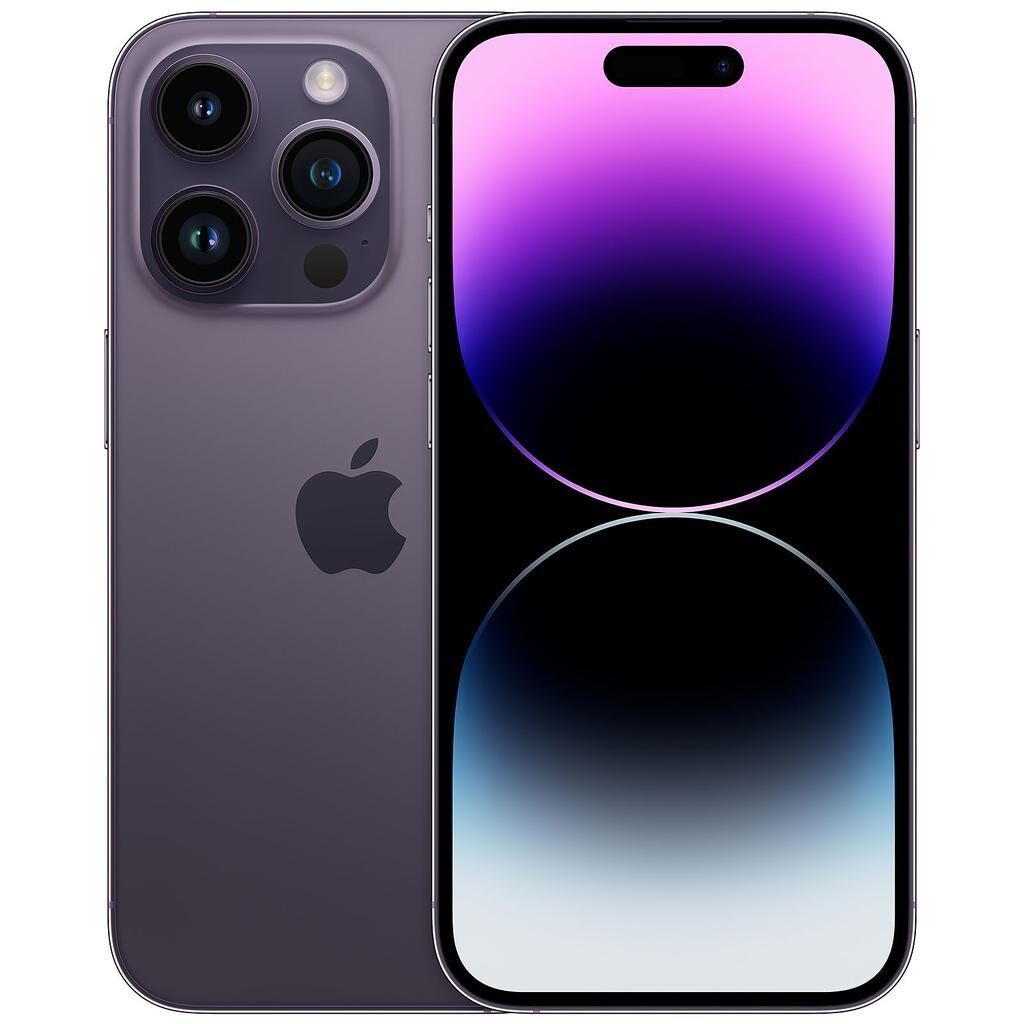
iPhone 14 Pro Max vs iPhone Air
Shop iPhone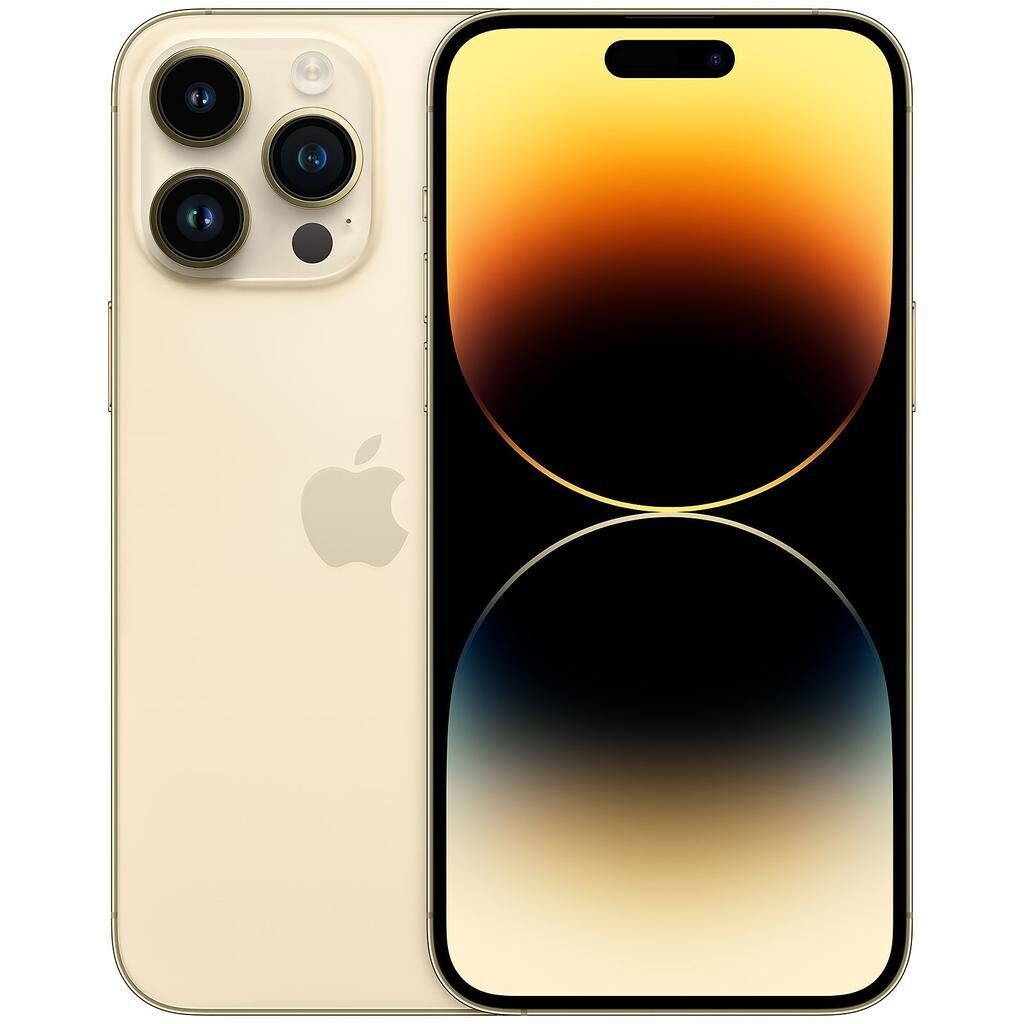
iPhone 14 Pro Max
Starting at
£467.05£1,199.00 new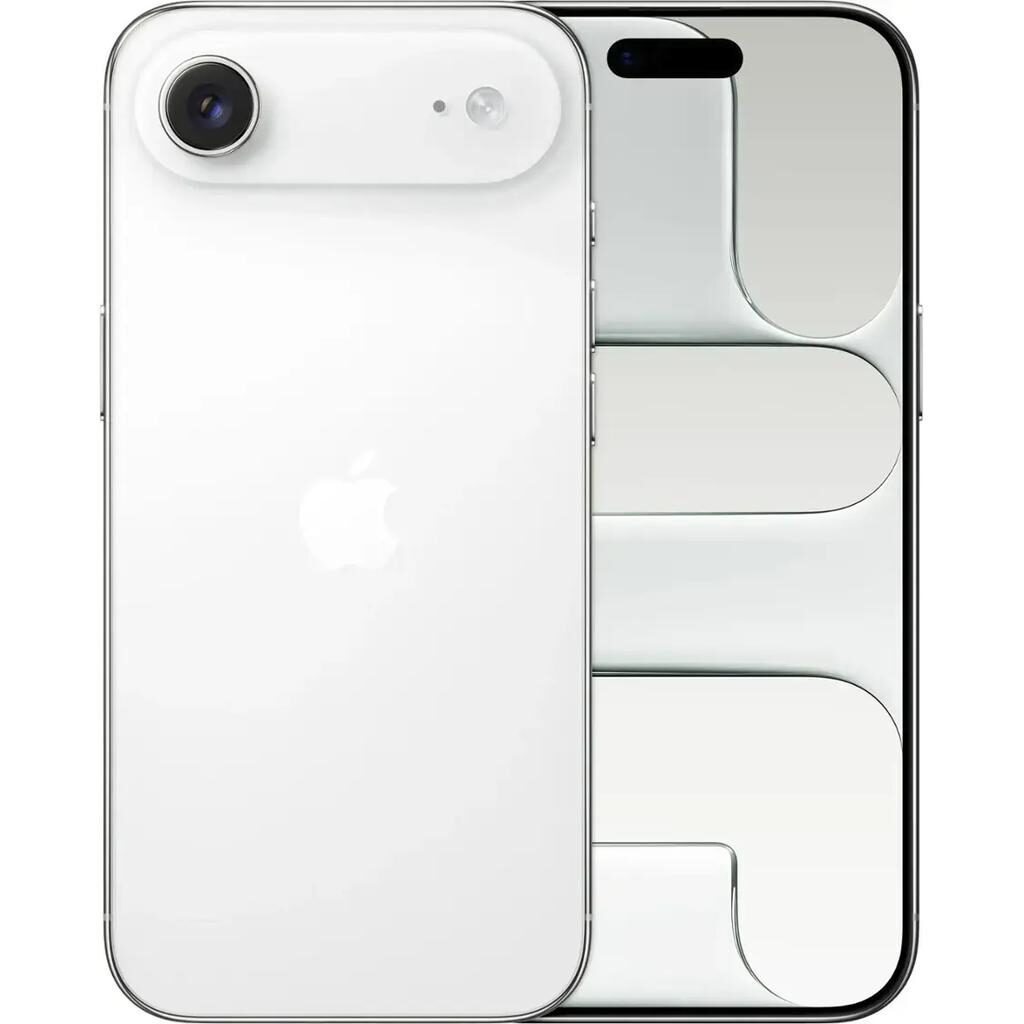
iPhone Air
Starting at
£687.30£999.00 newWhat's the difference between the iPhone 14 Pro Max and iPhone Air?
iPhone 14 Pro Max vs Air comes down to the chipset, RAM and screen size. Refurbished, the iPhone 14 Pro Max starts at £467.05, £220.25 less than the iPhone Air. The iPhone Air is the newer model, released in 2025.
Refurbished from
Chipset
RAM
Screen size
Screen type
Front camera
- Chipset: Apple A16 Bionic (4 nm) on the iPhone 14 Pro Max, Apple A19 Pro on the iPhone Air.
- The iPhone Air has more RAM: 12 GB vs 6 GB.
- The iPhone 14 Pro Max has a bigger screen: 6.7 inch vs 6.5 inch.
iPhone 14 Pro Max vs iPhone Air specs
The iPhone 14 Pro Max has a slightly larger and higher resolution screen with an LTPO Super Retina XDR OLED panel, suited for those who want the fullest display experience. The iPhone Air offers double the RAM and a higher resolution front camera, which is useful if you run many apps at once or take detailed selfies. The Air is slimmer and uses USB-C, while the 14 Pro Max is thicker and uses Lightning. Storage choices also differ, with the Air starting at 256GB and the 14 Pro Max offering a 128GB option. Both are unlocked and 5G compatible, fitting different preferences in size, speed, and connectivity.
iPhone 14 Pro Max vs iPhone Air price
Colour
iPhone 14 Pro Max vs iPhone Air battery life and software updates
Durability covers software updates and how the phones handle everyday wear. Durability depends on build and handling rather than design changes.
Software Compatibility
This means either will stay current with software improvements and security patches, allowing you to use the newest features Apple offers.
Operating System
Both devices run iOS, so the user experience and app availability will be consistent across them. If you prefer a familiar Apple interface, either model will suit your needs.
Battery
Foldable
Ip rating
Software updates
Wireless charging
Year of release
iPhone 14 Pro Max vs iPhone Air performance
Chipset
RAM
iPhone 14 Pro Max vs iPhone Air screen
Screen quality affects how you see media and work on the phone. Both phones support a smooth 120 Hz refresh rate, but their size, resolution, and screen type vary, influencing visual sharpness and viewing space.
Screen Size
The iPhone 14 Pro Max has a 6.7 inch screen, offering a slightly larger viewing area which is good for watching videos or multitasking. The iPhone Air's 6.5 inch screen is a bit smaller, making it easier to handle with one hand while still providing plenty of space for everyday use.
Resolution
The 14 Pro Max's resolution is 1290 by 2796 pixels, while the iPhone Air's screen is 2736 by 1260 pixels. The difference in pixel arrangement means the 14 Pro Max might display sharper text and images in portrait orientation, while the Air's resolution is arranged differently, which suits its screen size and shape.
Screen Type
The iPhone 14 Pro Max features an LTPO Super Retina XDR OLED panel, which supports variable refresh rates and can save power. The iPhone Air uses a Super Retina XDR screen. Both will provide bright, colourful displays with deep blacks, but the LTPO technology on the 14 Pro Max can be more efficient in certain conditions.
Refresh rate
Resolution
Screen size
Screen type
iPhone 14 Pro Max vs iPhone Air camera
The audiovisual section looks at cameras and front-facing features that impact photos, video calls, and selfies. Both models share the same main camera resolution but differ in front camera details.
Main Camera
Both the iPhone 14 Pro Max and iPhone Air have 48 megapixel main cameras. This means they can capture photos with similar detail and clarity in most lighting conditions.
Front Camera
The iPhone Air has an 18 megapixel front camera, which captures more detail in selfies and video calls compared to the 12 megapixel front camera on the 14 Pro Max. If you frequently use the front camera, the higher resolution on the Air might be more appealing.
Front camera
Main camera
iPhone 14 Pro Max vs iPhone Air size and design
Other differences include connectors, size, SIM options, and storage choices. These affect how you charge, carry, and expand your phone.
Connector Type
The iPhone Air uses a USB-C connector, which is common for many modern devices and can simplify charging if you have other USB-C accessories. The iPhone 14 Pro Max uses a Lightning connector, which is traditional for many Apple devices.
Dimensions and Weight
The iPhone Air is slimmer at 5.6 mm depth and slightly shorter at 156.2 mm height, making it easier to slip into a pocket or hold comfortably. The 14 Pro Max is thicker at 7.9 mm and taller at 160.7 mm, which suits those who prefer a larger phone. The Air weighs 165 g, which is heavier than the 14 Pro Max's 150 g, so weight preference may influence your choice.
SIM Card Options
The 14 Pro Max supports both a physical SIM and eSIM, offering flexibility if you want to use two numbers or switch carriers easily. The iPhone Air supports eSIM only, which is convenient if you prefer a digital SIM without a physical card.
Storage Options
The iPhone 14 Pro Max is available starting from 128GB up to 1TB, offering a lower priced option with lower storage capacity. The iPhone Air starts at 256GB, suitable if you want more storage out of the box. Both offer 512GB and 1TB variants for larger storage needs.
Carrier compatibility
Connector
Depth
Height
Mobile network
Release date
SD card slot
SIM card
Weight
Width
iPhone 14 Pro Max or iPhone Air: which should you buy?
Buy the iPhone 14 Pro Max if
- you want to spend less: it starts at £467.05, £220.25 less than the iPhone Air
- you want a bigger screen (6.7 inch vs 6.5 inch)
- you want an OLED screen
Buy the iPhone Air if
- you want more RAM (12 GB vs 6 GB)
- you want a higher-resolution front camera (18 megapixels vs 12 megapixels)
- you want a lighter build (165 g vs 240 g)
What our customers say
Customers who bought the iPhone 14 Pro Max appreciate its condition and battery life, with many noting the phones arrive with good battery health and minimal scratches depending on the condition chosen. The screen and body quality receive positive comments, and users highlight smooth performance and the value of buying refurbished. Some mention minor marks on edges or cameras but still find the phone very satisfactory. The 14 Pro Max suits those who want a large, clear display and reliable performance for a range of tasks.
iPhone Air customers frequently comment on the phone looking almost brand new and having excellent battery health with very few charge cycles. The premium condition is often praised alongside the phone's size and weight, with users finding it suitable for daily use and appreciating the higher front camera resolution. Some users note the difficulty in finding cases due to the slim design but appreciate the phone's overall look and feel. The Air is well suited for users who want a slimmer device with ample RAM and storage starting at 256GB.
Both devices satisfy customers with their screen quality and battery life. The 14 Pro Max fits those looking for a larger screen and slightly more compact weight, while the Air appeals to those preferring a thinner device with more memory and a higher resolution front camera.
iPhone 14 Pro Max vs iPhone Air FAQs
iPhone 14 Pro Max vs Air comes down to the chipset, RAM and screen size. Chipset: Apple A16 Bionic (4 nm) on the iPhone 14 Pro Max, Apple A19 Pro on the iPhone Air. The iPhone Air has more RAM: 12 GB vs 6 GB.
The iPhone 14 Pro Max is cheaper refurbished, from £467.05 compared with £687.30 for the iPhone Air.
Both have the same main camera: 48 megapixels.
The iPhone 14 Pro Max is still supported and can run iOS 27. The iPhone Air is still supported and can run iOS 27.
The iPhone Air adds more RAM (12 GB vs 6 GB), a higher-resolution front camera (18 megapixels vs 12 megapixels) and a lighter build (165 g vs 240 g). Refurbished, it costs £220.25 more (from £687.30 vs £467.05).
Refurbished, the iPhone 14 Pro Max comes in 128GB, 256GB, 512GB and 1TB, and the iPhone Air in 256GB, 512GB and 1TB.