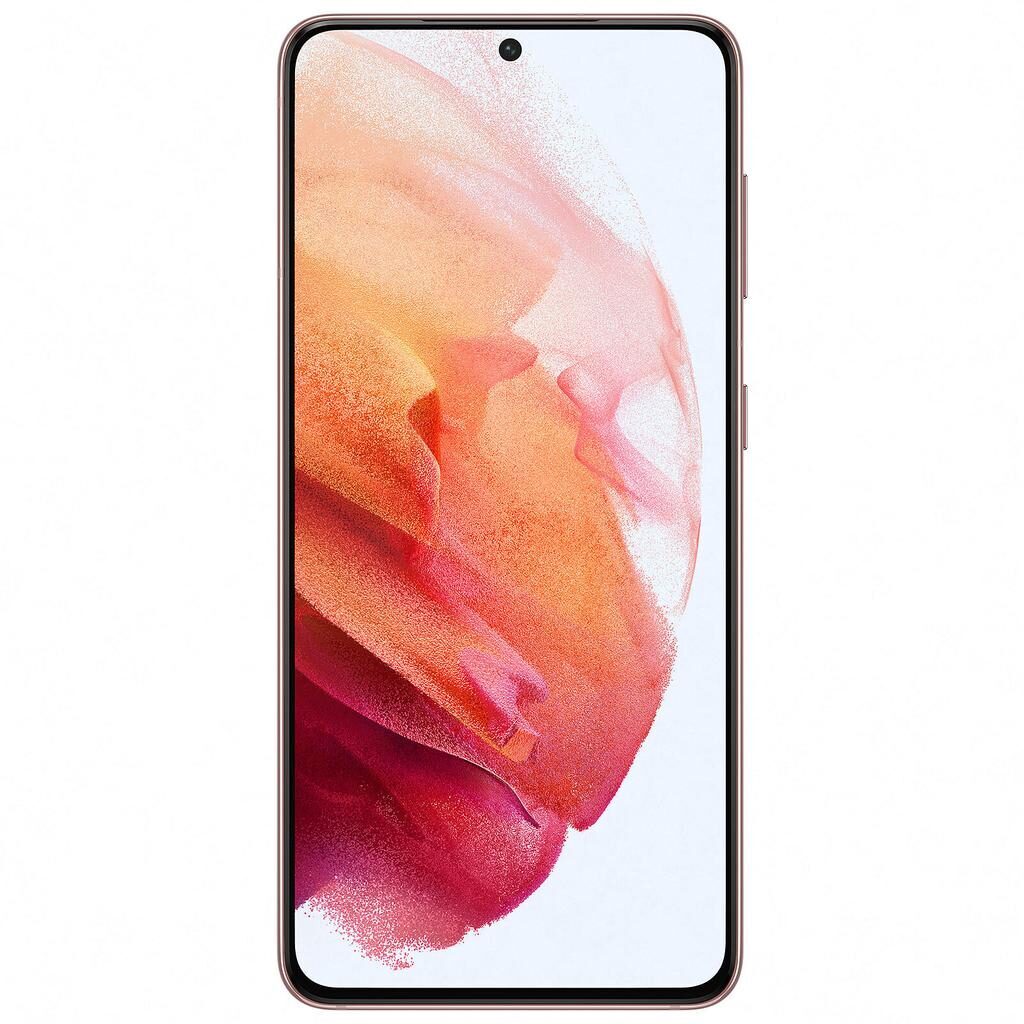
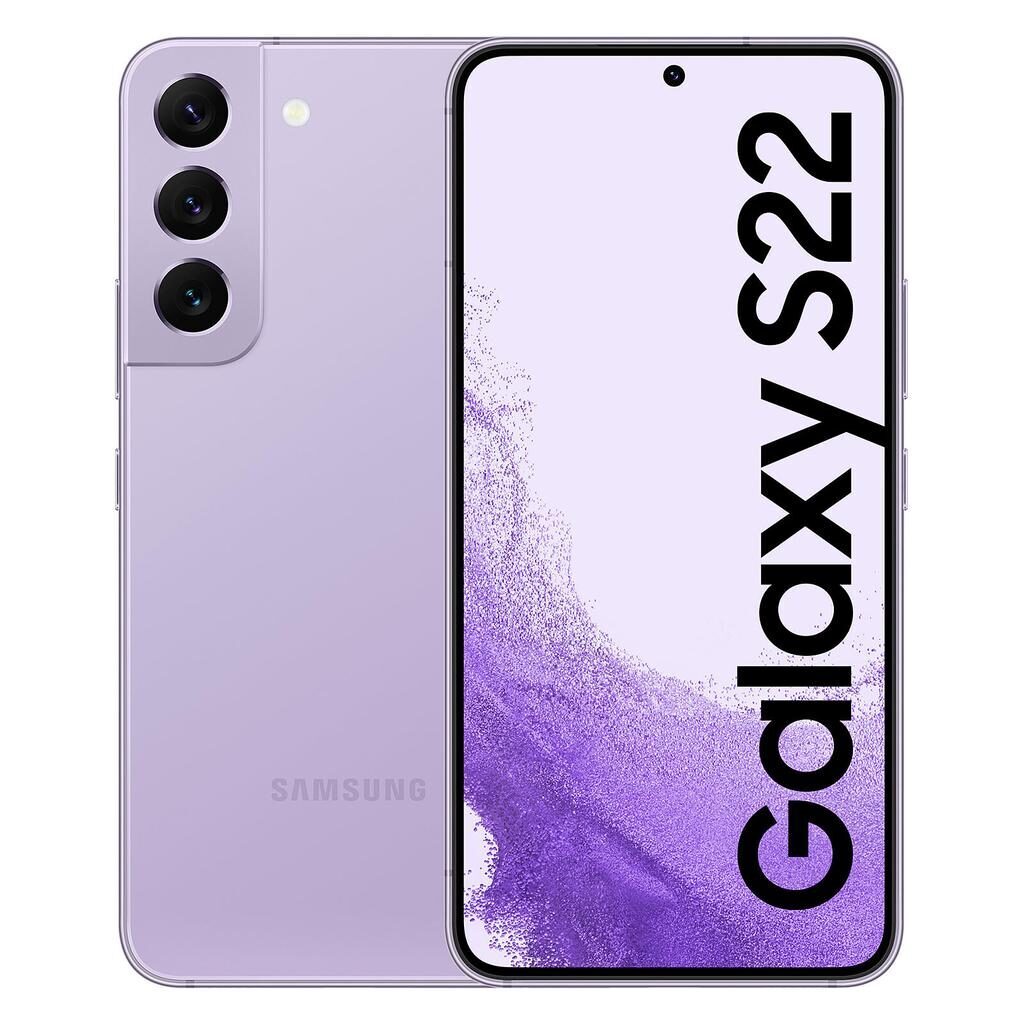
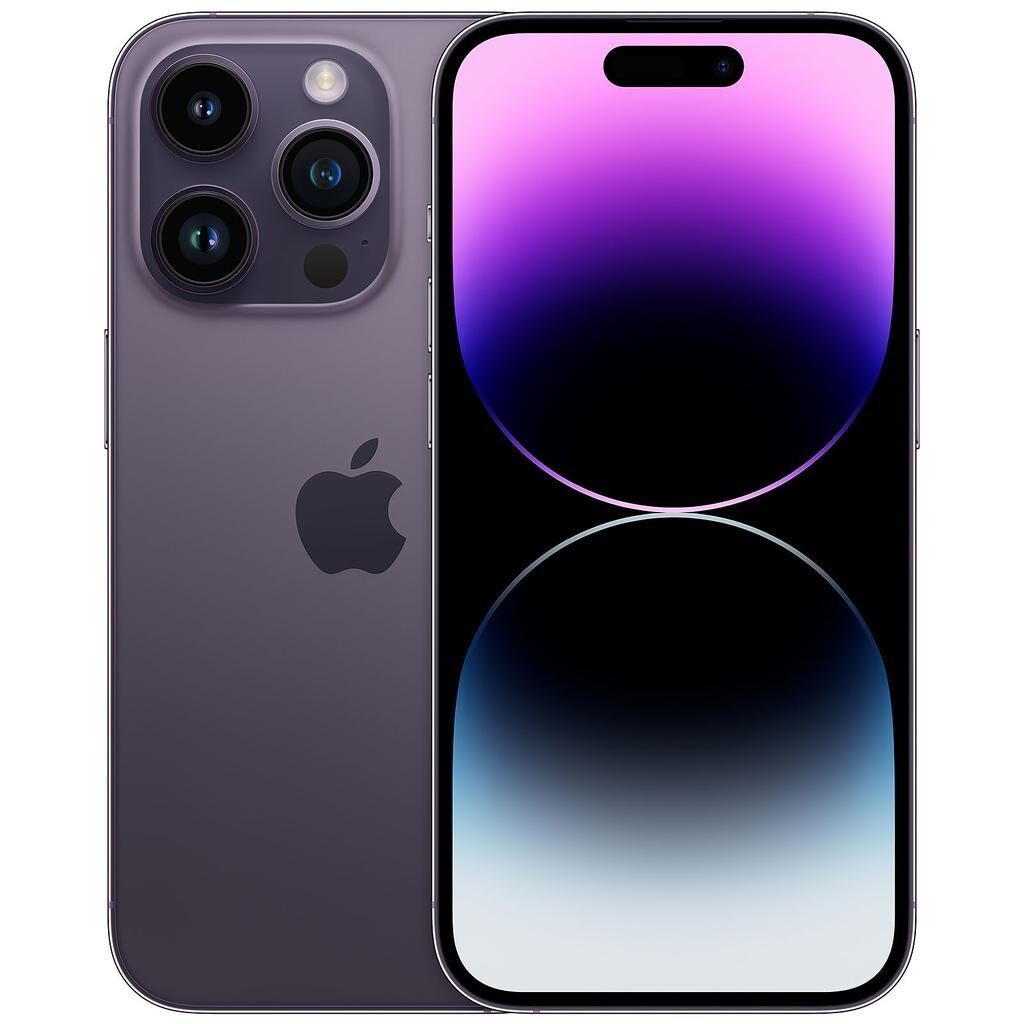
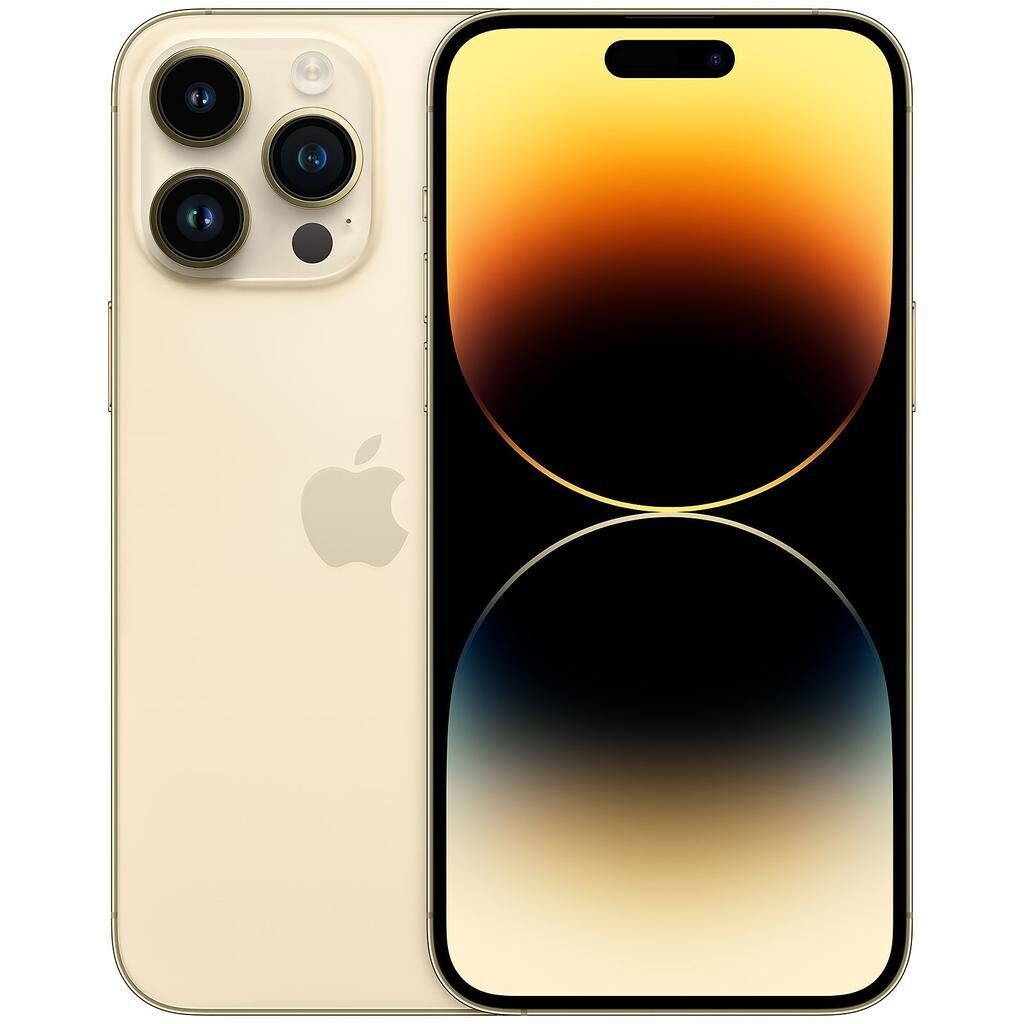
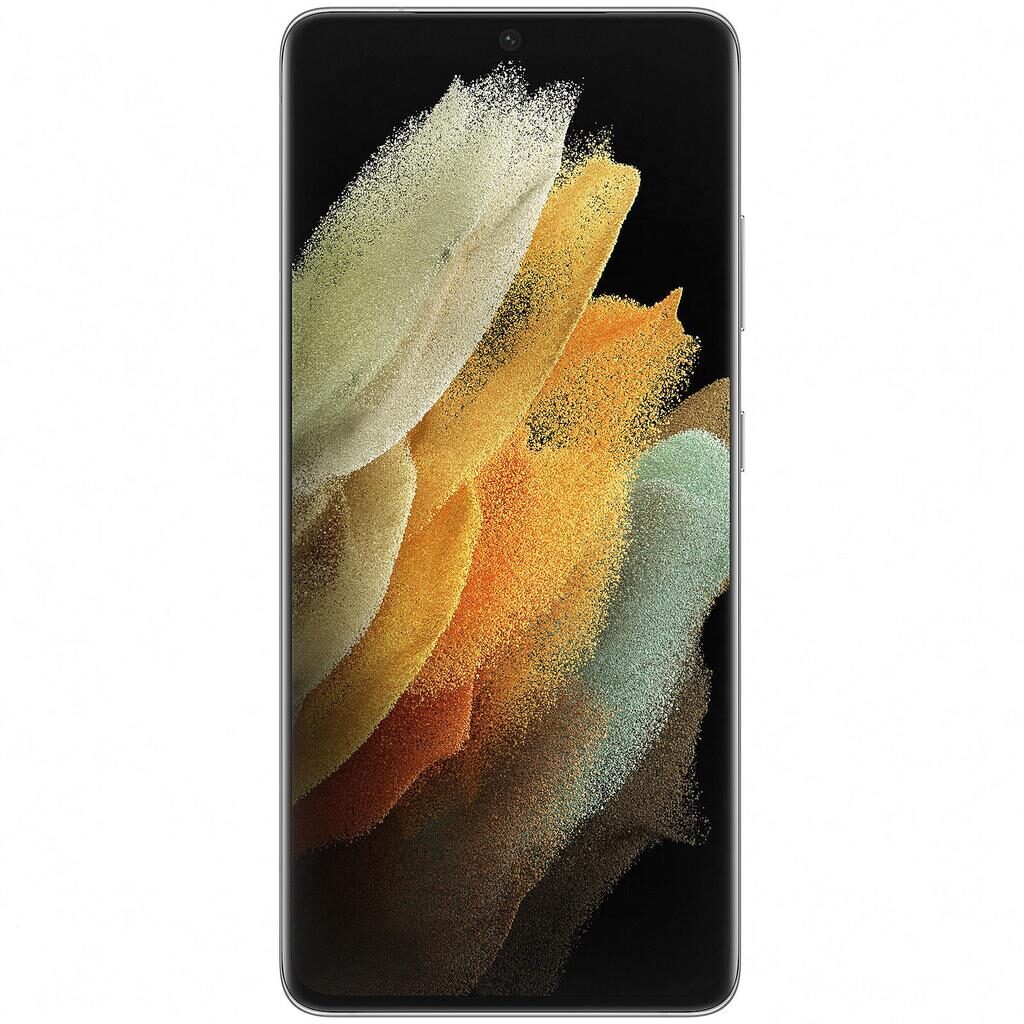
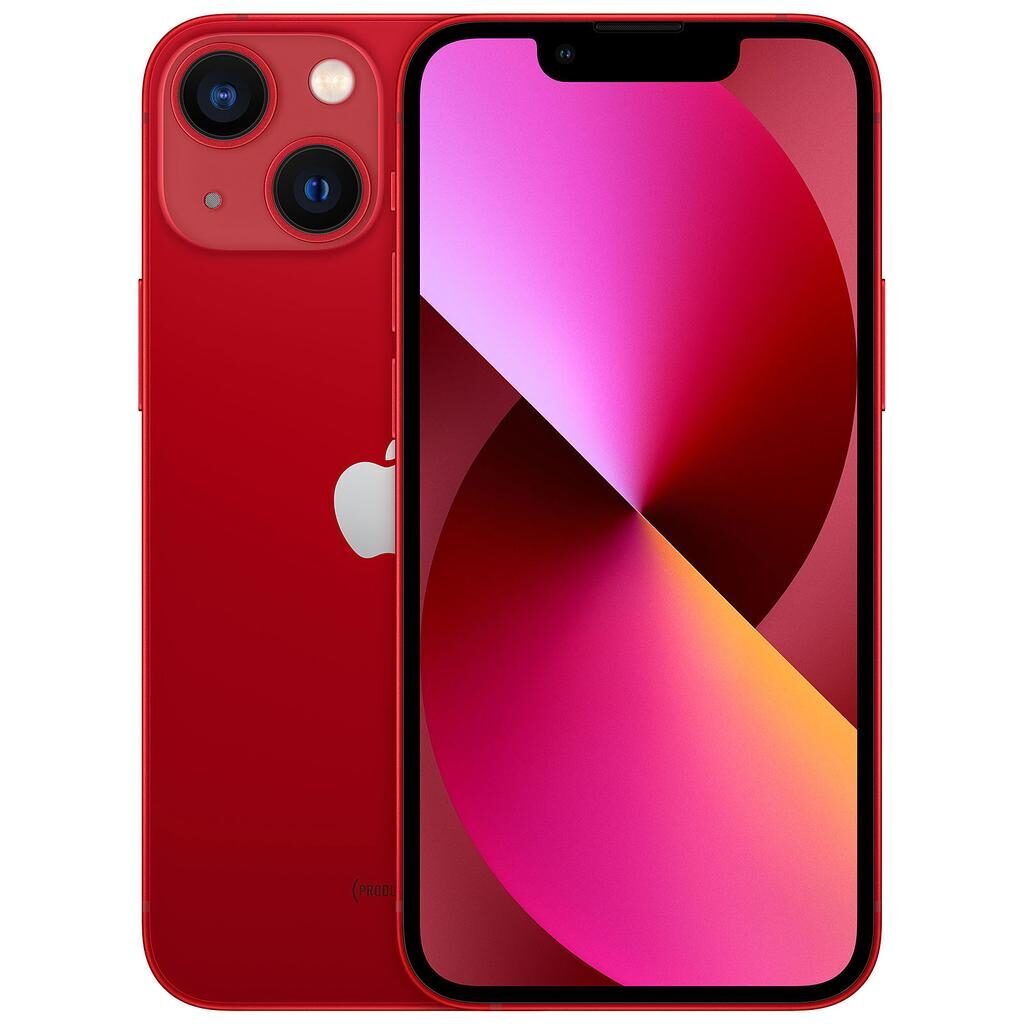
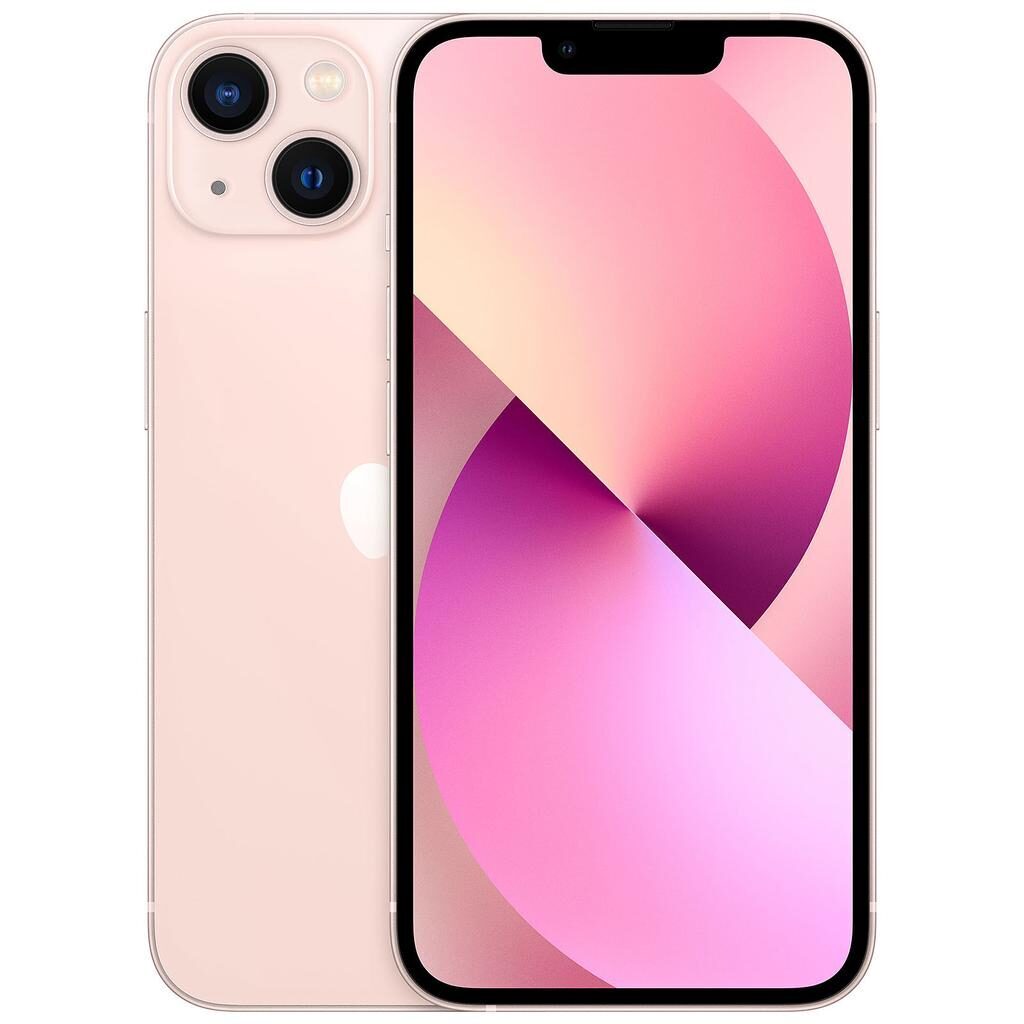
iPhone 14 Plus vs iPhone 16e
Shop iPhone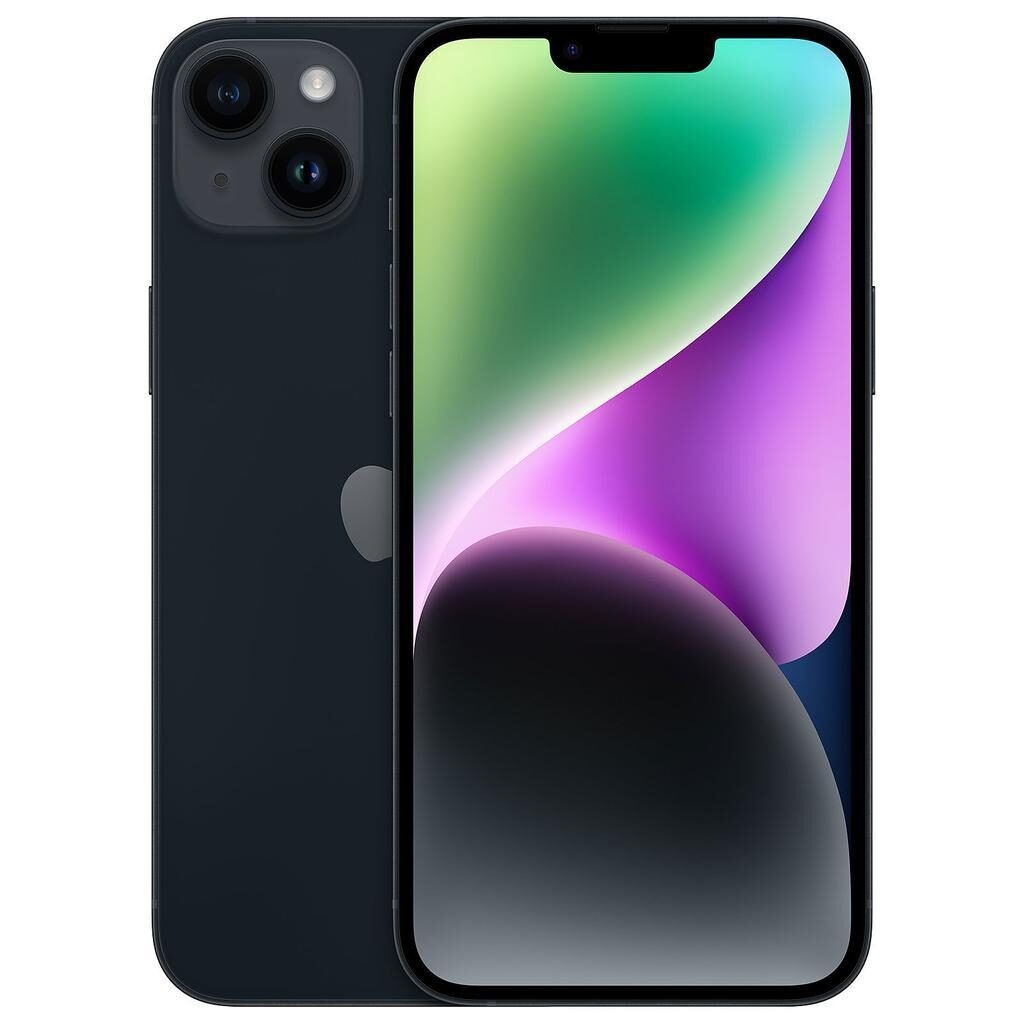
iPhone 14 Plus
Starting at
£332.55£699.00 new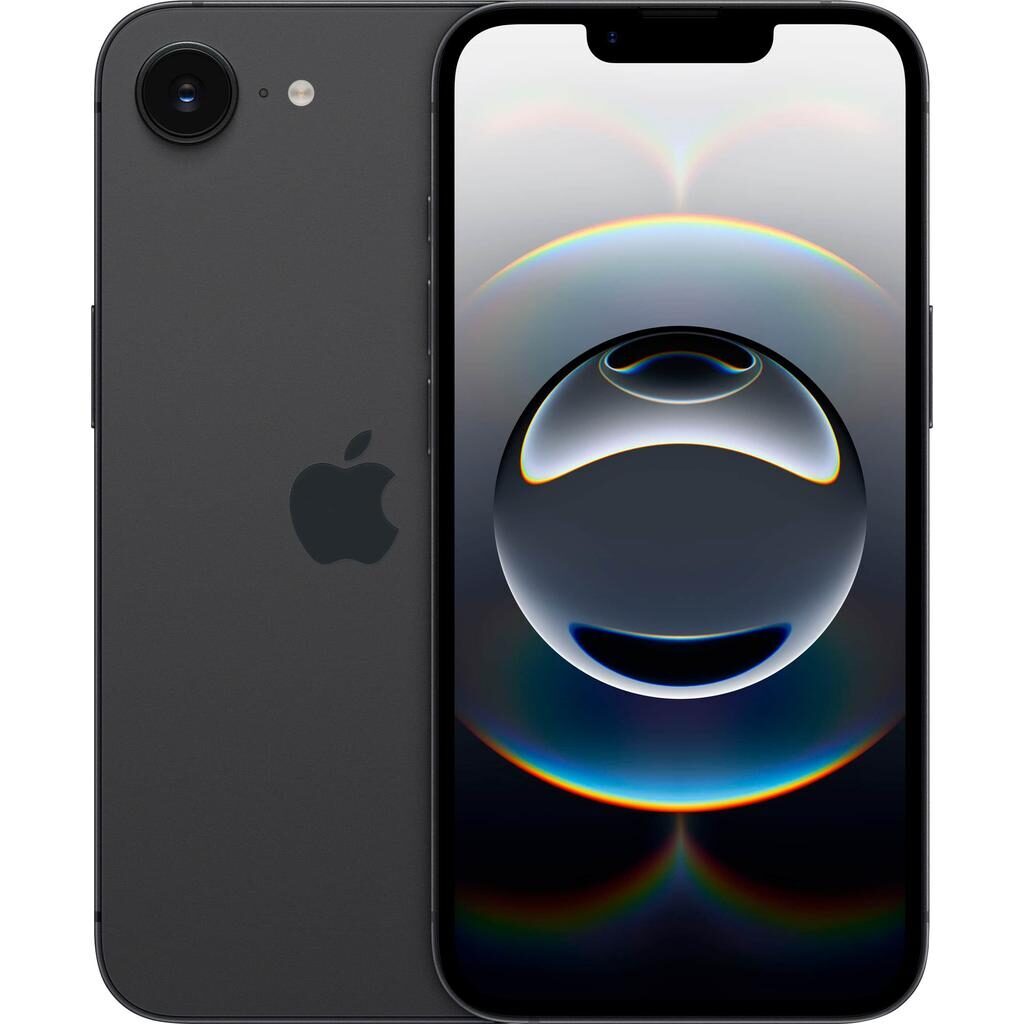
iPhone 16e
Starting at
£478.75£599.00 newWhat's the difference between the iPhone 14 Plus and iPhone 16e?
iPhone 14 Plus vs 16e comes down to the chipset, RAM and battery. Refurbished, the iPhone 14 Plus starts at £332.55, £146.20 less than the iPhone 16e. The iPhone 16e is the newer model, released in 2025.
Refurbished from
Chipset
RAM
Battery
Screen size
Main camera
- Chipset: Apple A15 Bionic on the iPhone 14 Plus, Apple A18 (3 nm) on the iPhone 16e.
- The iPhone 16e has more RAM: 8 GB vs 6 GB.
- The iPhone 14 Plus has a bigger battery: 4323 mAh vs 4005 mAh.
iPhone 14 Plus vs iPhone 16e specs
The iPhone 14 Plus and the iPhone 16e differ in several key areas that fit different user preferences. The iPhone 14 Plus offers a larger 6.7 inch screen with higher resolution, suited for those who want more viewing space for videos and reading. The iPhone 16e has a smaller 6.1 inch display but features a newer Apple A18 chipset and 8 GB of RAM, making it better for keeping more apps open and smoother multitasking. Battery capacity is larger on the iPhone 14 Plus, which may support longer use between charges. The iPhone 16e offers newer connectivity with USB-C and supports both physical SIM and eSIM, appealing to users who want flexible mobile network options. Choose the iPhone 14 Plus if you want a bigger screen and battery, or the iPhone 16e for newer performance and versatile SIM options.
iPhone 14 Plus vs iPhone 16e price
Colour
iPhone 14 Plus vs iPhone 16e battery life and software updates
Battery capacity and operating system shape how long a phone lasts and runs. Both iPhones use iOS. Their battery sizes differ, which influences daily use and longevity.
Battery Size
The iPhone 14 Plus has a 4323 mAh battery, offering more capacity than the iPhone 16e's 4005 mAh. This larger battery suits users who prioritise longer usage between charges, such as heavy phone users or frequent travellers. The iPhone 16e's smaller battery might appeal to those who use their phone moderately or recharge regularly.
Operating System
Both phones run iOS, providing a familiar and consistent user experience. This ensures access to the same apps and system features, so your choice does not affect software compatibility.
Battery
Foldable
Ip rating
Software updates
Wireless charging
Year of release
iPhone 14 Plus vs iPhone 16e performance
Performance impacts how smoothly the phone runs apps and handles multitasking. These two iPhones differ in chipset power and RAM, which affects daily responsiveness and how many apps you can keep open.
Chipset
The iPhone 16e uses the Apple A18 (3 nm) chipset, a newer and more advanced processor compared to the iPhone 14 Plus's Apple A15 Bionic. This means the iPhone 16e is suited for users who want faster and more efficient performance for demanding apps or future-proofing.
Memory
With 8 GB of RAM, the iPhone 16e keeps more apps open and running smoothly in the background. The iPhone 14 Plus has 6 GB of RAM, which is still capable for everyday use but better for users with lighter multitasking needs.
Storage Options
Both devices offer the same storage choices of 128GB, 256GB, and 512GB. This allows flexibility for users whether they store lots of photos and videos or prefer a lower storage tier.
Chipset
RAM
iPhone 14 Plus vs iPhone 16e screen
Screen size and resolution affect how much you see and how sharp content appears. Both iPhones use Super Retina XDR OLED screens, but their sizes and resolutions differ, influencing viewing comfort and detail.
Screen Size
The iPhone 14 Plus has a 6.7 inch screen, making it more comfortable for watching videos, reading, and gaming due to its larger display area. The iPhone 16e's 6.1 inch screen suits users who prefer a more compact phone that fits easily in the hand or pocket.
Resolution
The iPhone 14 Plus features a resolution of 1284 x 2778, which is higher than the iPhone 16e's 2532 x 1170. This higher resolution on a larger screen supports sharper detail for photos, text, and video content on the iPhone 14 Plus.
Refresh rate
Resolution
Screen size
Screen type
iPhone 14 Plus vs iPhone 16e camera
Front camera
Main camera
iPhone 14 Plus vs iPhone 16e size and design
Additional features such as connectors, SIM options, and dimensions influence convenience and compatibility. These iPhones differ in physical size, connectors, and SIM card support, which may suit different user preferences.
Connector Type
The iPhone 14 Plus uses a Lightning connector, which is common on many Apple devices. The iPhone 16e uses USB-C, which is widely used across many devices and chargers, offering greater compatibility for users with USB-C accessories.
SIM Card Options
The iPhone 14 Plus supports eSIM only, which is convenient for those who prefer digital SIM cards without physical trays. The iPhone 16e supports both physical SIM and eSIM, providing flexibility for users who want to switch SIM cards easily or use multiple numbers.
Size and Weight
The iPhone 14 Plus measures 160.8 mm in height and 78.1 mm in width, with a weight of 150 g, making it larger but lighter. The iPhone 16e is smaller at 146.7 mm tall and 71.5 mm wide but weighs more at 167 g, which may suit users who prefer a compact phone but do not mind a bit more heft.
Carrier compatibility
Connector
Depth
Height
Mobile network
Release date
SD card slot
SIM card
Weight
Width
iPhone 14 Plus or iPhone 16e: which should you buy?
Buy the iPhone 14 Plus if
- you want to spend less: it starts at £332.55, £146.20 less than the iPhone 16e
- you want a bigger battery (4323 mAh vs 4005 mAh)
- you want a bigger screen (6.7 inch vs 6.1 inch)
Buy the iPhone 16e if
- you want more RAM (8 GB vs 6 GB)
- you want a higher-resolution main camera (48 megapixels vs 12 megapixels)
- you want a lighter build (167 g vs 203 g)
What our customers say
Customers buying the iPhone 14 Plus often mention satisfaction with its condition, battery life, and screen size. Many appreciate the larger display for everyday use and find the battery life reliable even with some wear. Buyers note the phone works well for gifts and personal use, with comments on its ease of use and good storage capacity. Some users mention minor marks or scratches but are generally happy with the overall quality and performance.
For the iPhone 16e, customers highlight its near-new condition, strong performance, and smooth setup when moving from other iPhones. The updated chipset and RAM are noted as improvements, with users appreciating the good battery health. Several mention the flexibility of using physical SIM cards alongside eSIMs, and the USB-C connector is seen positively. Some buyers report easy multitasking and smooth app use, reflecting the newer hardware.
Both models appeal to different needs: the iPhone 14 Plus suits those wanting a larger screen and longer battery, while the iPhone 16e fits users seeking newer performance and flexible SIM options in a smaller phone.
iPhone 14 Plus vs iPhone 16e FAQs
iPhone 14 Plus vs 16e comes down to the chipset, RAM and battery. Chipset: Apple A15 Bionic on the iPhone 14 Plus, Apple A18 (3 nm) on the iPhone 16e. The iPhone 16e has more RAM: 8 GB vs 6 GB.
The iPhone 14 Plus is cheaper refurbished, from £332.55 compared with £478.75 for the iPhone 16e.
The iPhone 14 Plus has a bigger battery: 4323 mAh vs 4005 mAh.
The iPhone 16e has a higher-resolution main camera: 48 megapixels vs 12 megapixels.
The iPhone 14 Plus is still supported and can run iOS 27. The iPhone 16e is still supported and can run iOS 27.
The iPhone 16e adds more RAM (8 GB vs 6 GB), a higher-resolution main camera (48 megapixels vs 12 megapixels) and a lighter build (167 g vs 203 g). Refurbished, it costs £146.20 more (from £478.75 vs £332.55).
Both come in 128GB, 256GB and 512GB refurbished.