iPhone 13 vs OnePlus 10 Pro
Shop iPhone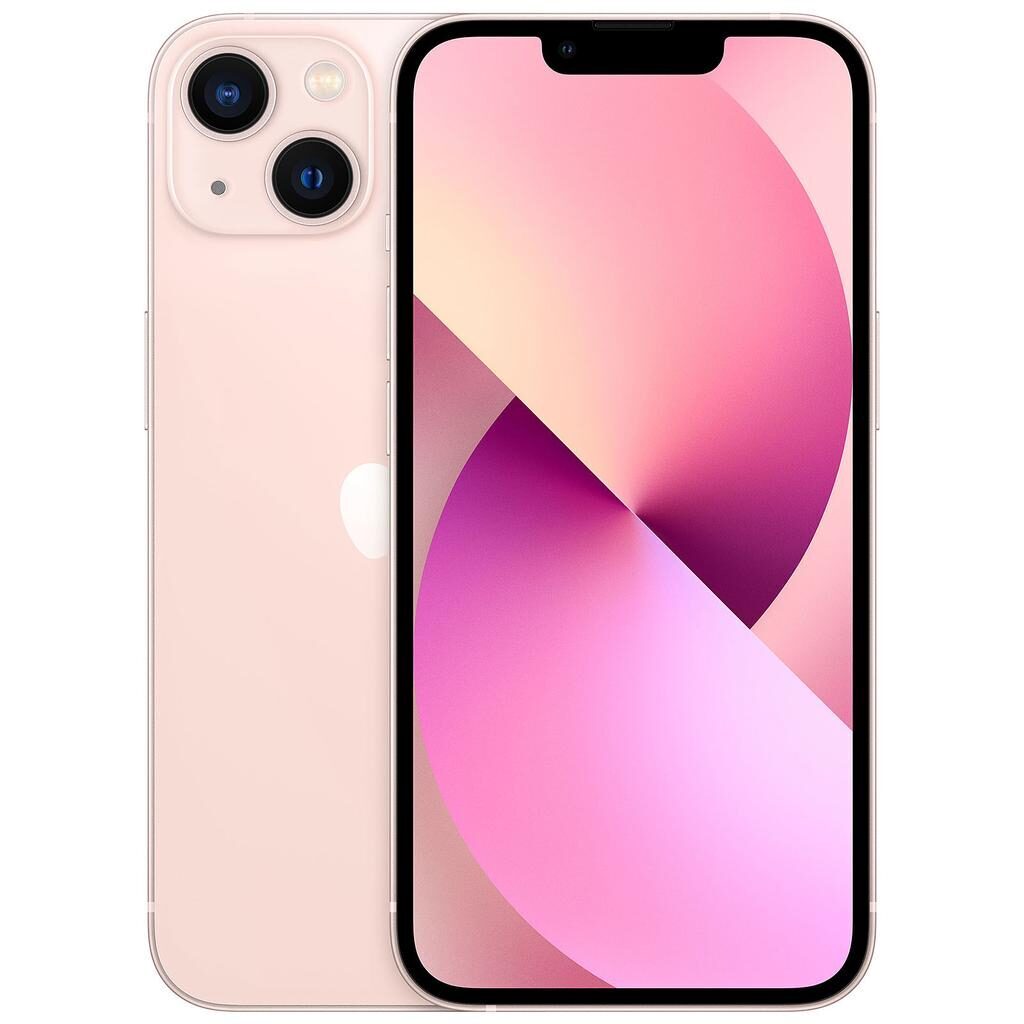
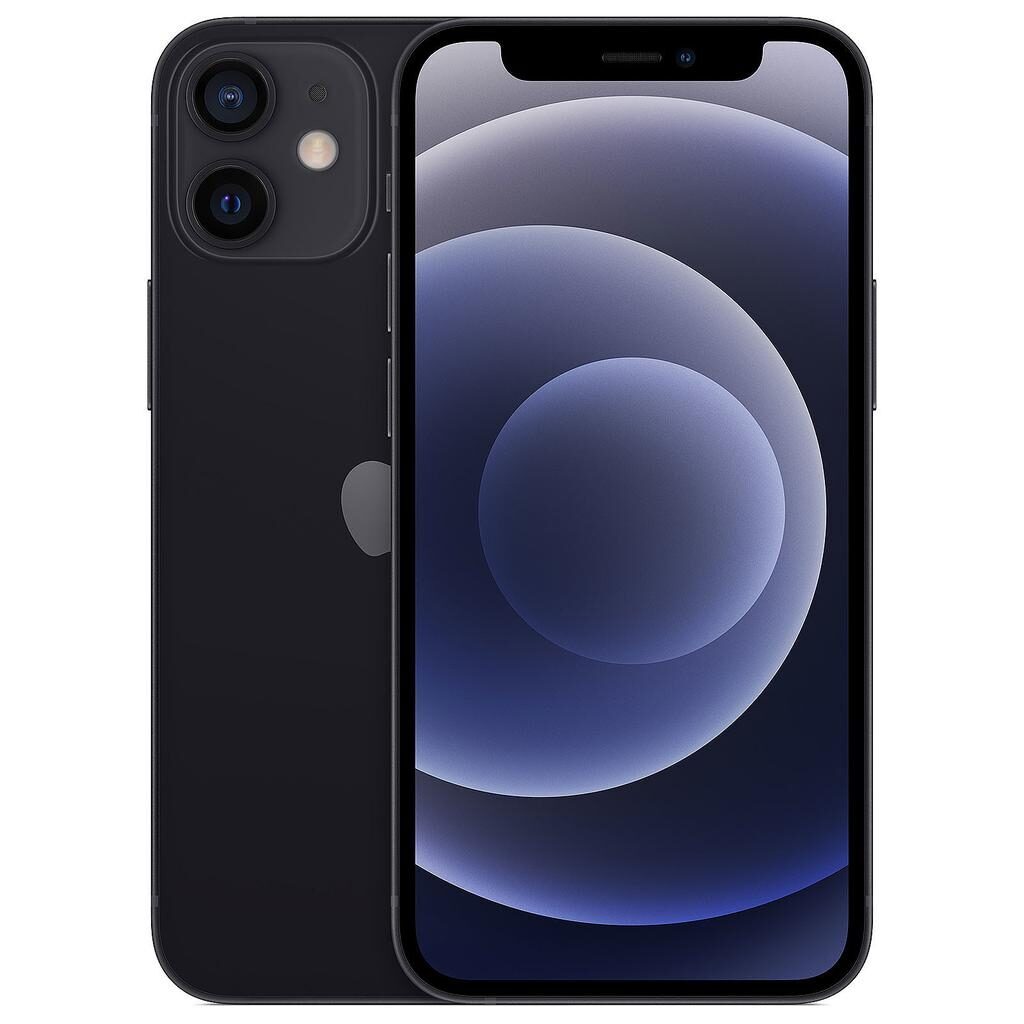
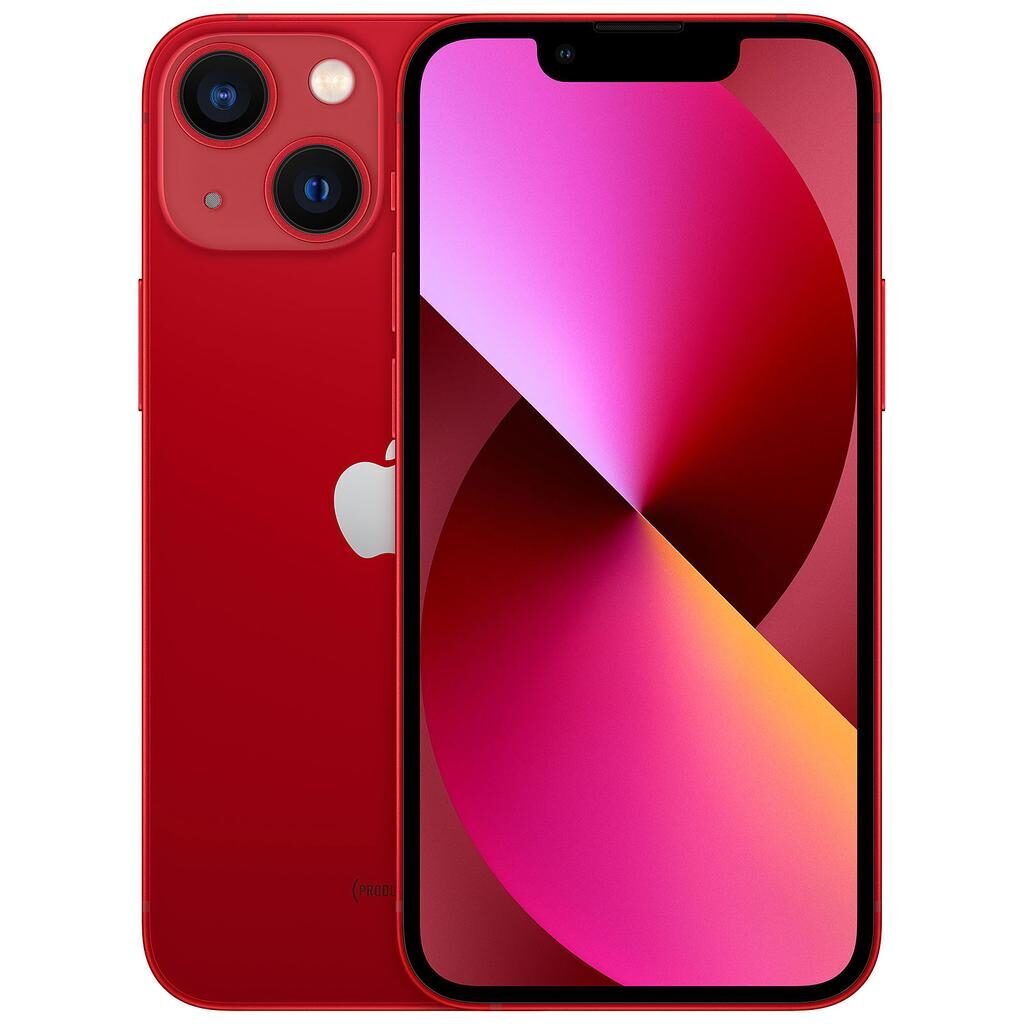
iPhone 13
Starting at
£249.06£599.00 new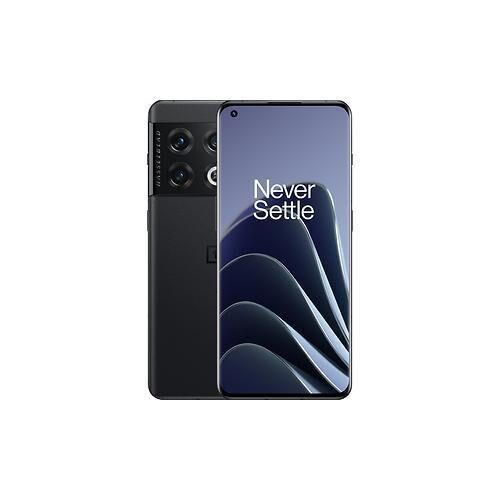
OnePlus 10 Pro
Starting at
£271.00What's the difference between the iPhone 13 and OnePlus 10 Pro?
iPhone 13 vs OnePlus 10 Pro comes down to the chipset, RAM and battery. Refurbished, the iPhone 13 starts at £249.06, £21.94 less than the OnePlus 10 Pro. The OnePlus 10 Pro is the newer model, released in 2022.
Refurbished from
Chipset
RAM
Battery
Screen size
Screen type
- Chipset: Apple A15 Bionic (5 nm) on the iPhone 13, Qualcomm SM8450 Snapdragon 8 Gen 1 (4 nm) on the OnePlus 10 Pro.
- The OnePlus 10 Pro has more RAM: 8 GB vs 4 GB.
- The OnePlus 10 Pro has a bigger battery: 5000 mAh vs 3240 mAh.
iPhone 13 vs OnePlus 10 Pro specs
The iPhone 13 and OnePlus 10 Pro differ in several key areas that suit different preferences. The iPhone 13 offers a smaller, lighter design with a 6.1 inch OLED screen and 4 GB of RAM, running iOS 15. It has a 3240 mAh battery and a 12 megapixel front and main camera setup. The OnePlus 10 Pro features a larger 6.7 inch LTPO2 Fluid AMOLED screen with a 120 Hz refresh rate, 8 GB of RAM, and a higher resolution display. It runs Android and has a 5000 mAh battery. The OnePlus 10 Pro also has higher megapixel cameras. Each device fits different user needs: the iPhone 13 is well suited for those who prefer a compact phone with iOS, while the OnePlus 10 Pro suits users who want a bigger, smoother screen and more RAM for multitasking.
iPhone 13 vs OnePlus 10 Pro price
Colour
Storage
- 128GBSold out
- 256GBSold out
iPhone 13 vs OnePlus 10 Pro battery life and software updates
Durability includes battery size, operating system, and release year. These factors influence how long the phone lasts on a charge and the software experience you get.
Battery Capacity
The OnePlus 10 Pro has a 5000 mAh battery, which is larger than the iPhone 13's 3240 mAh. This means the OnePlus 10 Pro is likely to offer longer usage between charges, which is useful if you spend long hours away from power sources. The iPhone 13's smaller battery suits those who prefer a lighter device and may charge more frequently.
Operating System
The iPhone 13 runs iOS 15, providing a familiar Apple software experience, while the OnePlus 10 Pro runs Android. Your choice here depends on which operating system you prefer and which apps or ecosystem you are more comfortable with.
Release Year
The iPhone 13 was released in 2021 and the OnePlus 10 Pro in 2022. This confirms their place in recent smartphone generations but does not imply differences beyond what the specs state.
Battery
Fast charging
Foldable
Ip rating
OS at launch
Software updates
Wireless charging
Year of release
iPhone 13 vs OnePlus 10 Pro performance
Performance covers the chipset, RAM, and storage options you can choose from. These affect how smoothly your phone runs apps, multitasks, and stores files.
Chipset Technology
The iPhone 13 uses the Apple A15 Bionic chipset built on a 5 nm process, while the OnePlus 10 Pro features the Qualcomm SM8450 Snapdragon 8 Gen 1 chipset built on a 4 nm process. Both are designed for strong performance, so your experience will be smooth whether you choose iOS or Android.
Memory for Multitasking
With 4 GB of RAM, the iPhone 13 is suited to everyday use and typical apps on iOS. The OnePlus 10 Pro has 8 GB of RAM, which helps keep more apps open at once and can benefit users who multitask heavily or use more demanding apps.
Storage Options
The iPhone 13 offers three storage sizes: 128GB, 256GB, and 512GB, giving more choice for storing apps, photos, and media. The OnePlus 10 Pro is available with 128GB or 256GB, which suits users with moderate to high storage needs.
Chipset
RAM
iPhone 13 vs OnePlus 10 Pro screen
Screen quality is key for enjoying video, gaming, and everyday use. Differences include size, resolution, refresh rate, and screen technology.
Screen Size and Resolution
The OnePlus 10 Pro has a larger 6.7 inch screen with a resolution of 1440 x 3216, providing more space and sharper detail for watching videos or browsing. The iPhone 13's 6.1 inch screen at 1170 x 2532 resolution offers a compact and clear display that fits comfortably in one hand.
Refresh Rate
The OnePlus 10 Pro supports a 120 Hz refresh rate, which means smoother scrolling and animations, particularly noticeable in games and fast-moving content. The iPhone 13 has a 60 Hz refresh rate, suitable for standard use and everyday tasks.
Screen Technology
The iPhone 13 uses an OLED screen, while the OnePlus 10 Pro uses an LTPO2 Fluid AMOLED screen. Both offer vibrant colours and deep blacks, with the OnePlus 10 Pro's screen type supporting adaptive refresh rates for better power efficiency.
Refresh rate
Resolution
Screen size
Screen type
iPhone 13 vs OnePlus 10 Pro camera
Audiovisual features focus on the cameras, affecting how much detail and clarity you get in photos and video calls.
Front Camera Resolution
The OnePlus 10 Pro has a 32 megapixel front camera, capturing more detail in selfies and video calls than the iPhone 13's 12 megapixel front camera. This suits those who prioritise high-resolution video chats or selfies.
Main Camera Resolution
For main photography, the OnePlus 10 Pro offers a 48 megapixel camera, which captures more detail compared to the iPhone 13's 12 megapixel main camera. This can benefit users who take many photos and want high-resolution images.
Front camera
Main camera
iPhone 13 vs OnePlus 10 Pro size and design
Miscellaneous features include physical attributes, connectors, network compatibility, and SIM options that affect daily handling and connectivity.
Connector Type
The iPhone 13 uses a Lightning connector, while the OnePlus 10 Pro uses USB Type-C 3.1. USB Type-C 3.1 is widely used across devices and can offer faster data transfer and charging with compatible accessories.
SIM Card Options
The iPhone 13 supports a Physical SIM plus eSIM, allowing one physical and one digital SIM card. The OnePlus 10 Pro supports dual physical SIM cards, which can be handy for people who use two separate phone numbers without needing eSIM.
Physical Size and Weight
The iPhone 13 is smaller and lighter, measuring 146.7 mm in height, 71.5 mm in width, and weighing 174 g. The OnePlus 10 Pro is larger and heavier with 163 mm height, 73.9 mm width, and 201 g weight. Choose the iPhone 13 if you want a more compact phone and the OnePlus 10 Pro for a bigger device.
Mobile Network Compatibility
Both phones support 5G networks, allowing access to the latest mobile data speeds where available.
Carrier compatibility
Connector
Depth
Height
Mobile network
Release date
SD card slot
SIM card
Weight
Width
iPhone 13 or OnePlus 10 Pro: which should you buy?
Buy the iPhone 13 if
- you want to spend less: it starts at £249.06, £21.94 less than the OnePlus 10 Pro
- you want a lighter build (173 g vs 200.5 g)
Buy the OnePlus 10 Pro if
- you want more RAM (8 GB vs 4 GB)
- you want a bigger battery (5000 mAh vs 3240 mAh)
- you want a bigger screen (6.7 inch vs 6.1 inch)
What our customers say
Customers who have bought the iPhone 13 often highlight that the phone looks like new and performs well, with many appreciating the battery life especially when a new battery is fitted. Users frequently mention smooth setup and reliable operation, noting that the phone feels like a new device out of the box. Some customers chose fair condition models and were surprised by the overall quality and condition. The iPhone 13 appeals to those who want a trustworthy iOS experience with a compact, well-built phone and good battery health.
Reviews for the OnePlus 10 Pro mention that the phone looks like new and performs well, though some users experienced issues with battery life and screen responsiveness. Many found setup easy and were pleased with the device's quality for the price paid. Some customers noted minor network issues, but overall the phone's larger screen and performance were appreciated. The OnePlus 10 Pro suits buyers who want a bigger display and are comfortable with Android, with some prioritising value and performance.
Overall, the iPhone 13 is a good fit for people who prefer a smaller, lighter phone running iOS, with reliable battery and camera performance. The OnePlus 10 Pro is suitable for users who want a larger screen and higher camera resolution with more RAM, and who prefer Android's flexibility.
iPhone 13 vs OnePlus 10 Pro FAQs
iPhone 13 vs OnePlus 10 Pro comes down to the chipset, RAM and battery. Chipset: Apple A15 Bionic (5 nm) on the iPhone 13, Qualcomm SM8450 Snapdragon 8 Gen 1 (4 nm) on the OnePlus 10 Pro. The OnePlus 10 Pro has more RAM: 8 GB vs 4 GB.
The iPhone 13 is cheaper refurbished, from £249.06 compared with £271 for the OnePlus 10 Pro.
The OnePlus 10 Pro has a bigger battery: 5000 mAh vs 3240 mAh.
The OnePlus 10 Pro has a higher-resolution main camera: 48 megapixels vs 12 megapixels.
The iPhone 13 is still supported and can run iOS 27. We don't have published update dates for the OnePlus 10 Pro.
Refurbished, the iPhone 13 comes in 128GB, 256GB and 512GB, and the OnePlus 10 Pro in 128GB and 256GB.