iPhone 13 vs iPhone Air
Shop iPhone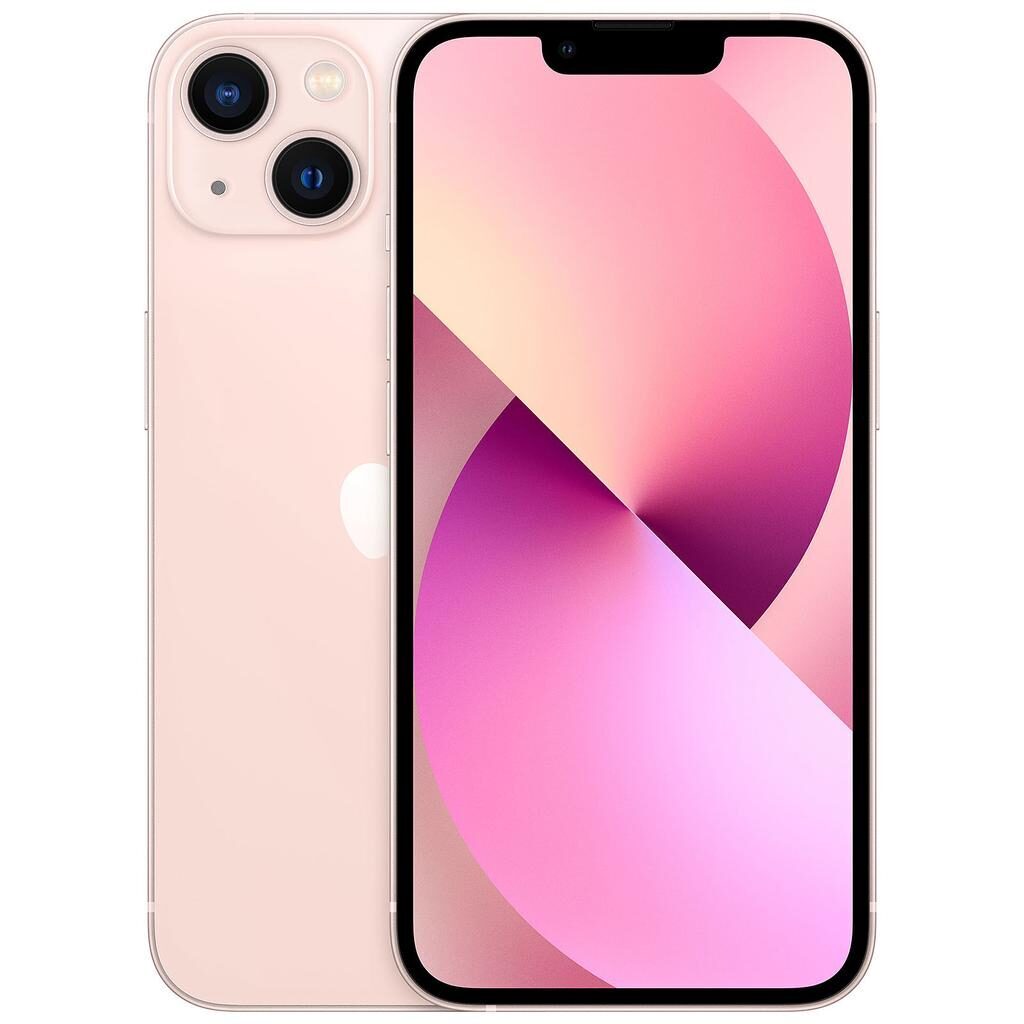
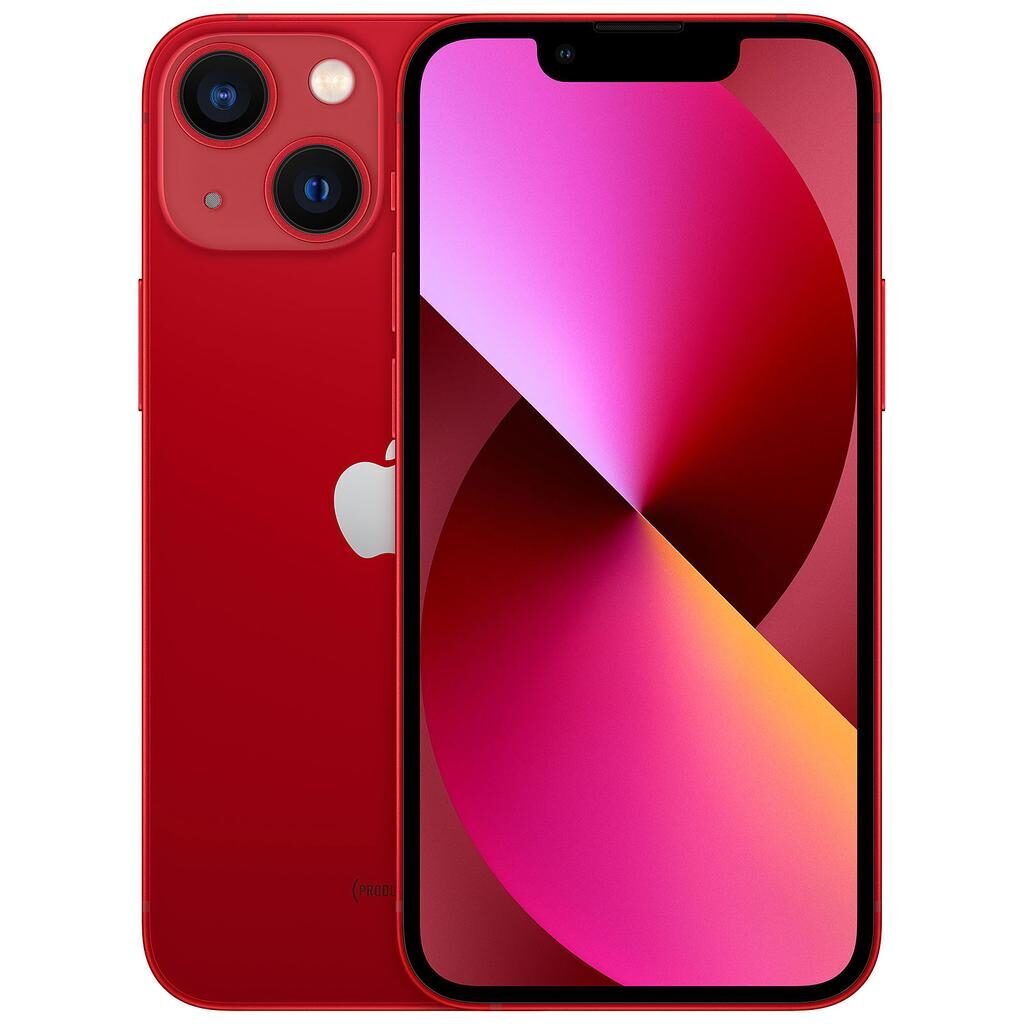
iPhone 13
Starting at
£249.06£599.00 new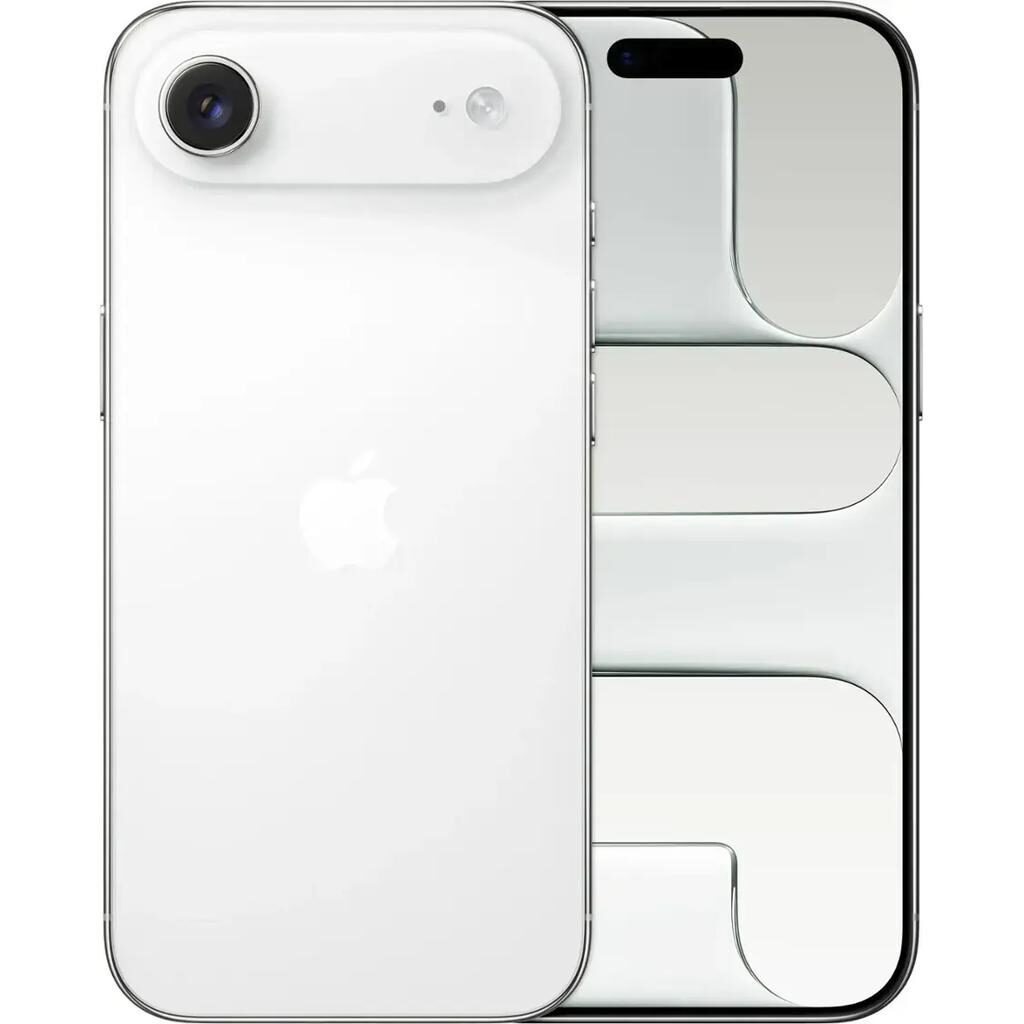
iPhone Air
Starting at
£687.30£999.00 newWhat's the difference between the iPhone 13 and iPhone Air?
iPhone 13 vs Air comes down to the chipset, RAM and screen size. Refurbished, the iPhone 13 starts at £249.06, £438.24 less than the iPhone Air. The iPhone Air is the newer model, released in 2025.
Refurbished from
Chipset
RAM
Screen size
Screen type
Refresh rate
- Chipset: Apple A15 Bionic (5 nm) on the iPhone 13, Apple A19 Pro on the iPhone Air.
- The iPhone Air has more RAM: 12 GB vs 4 GB.
- The iPhone Air has a bigger screen: 6.5 inch vs 6.1 inch.
iPhone 13 vs iPhone Air specs
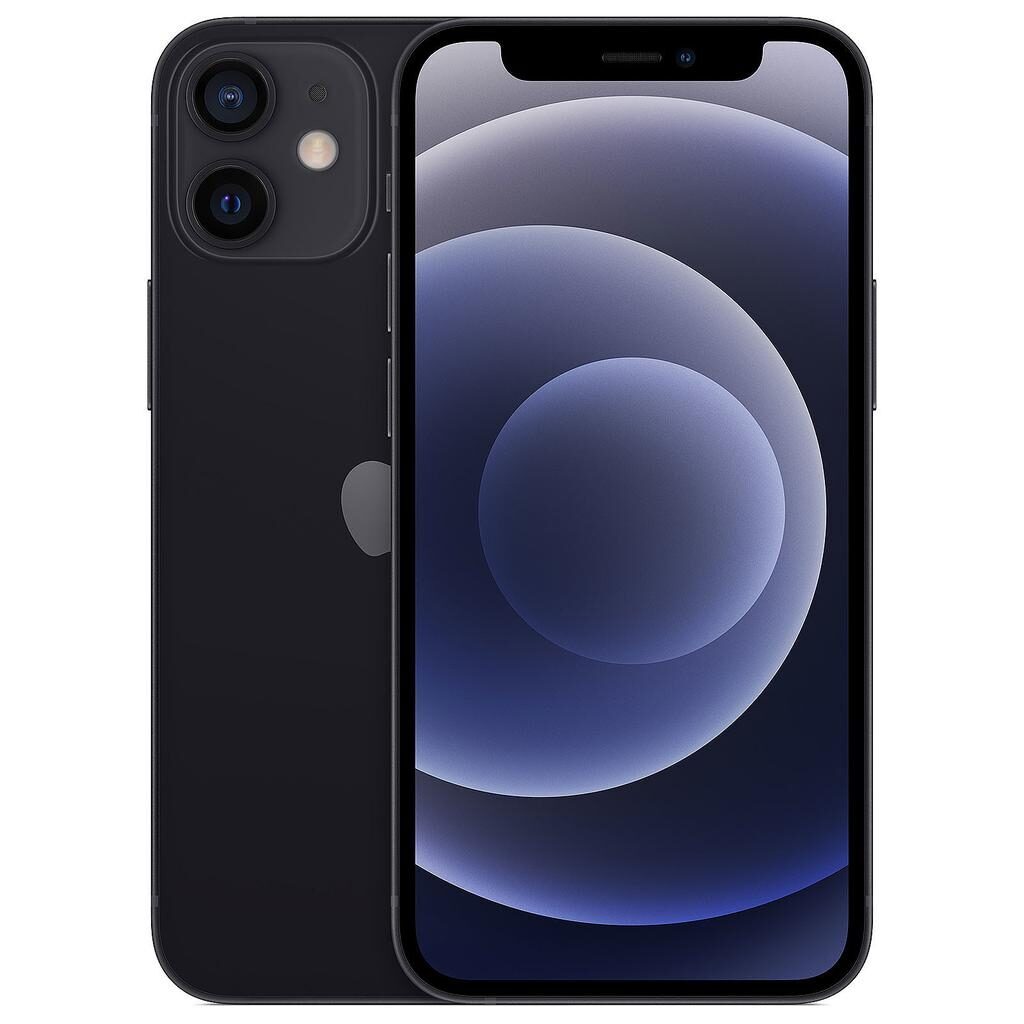
The iPhone 13 and iPhone Air differ in screen size, memory, camera resolution, and connector type, shaping who they suit best. The iPhone 13 has a 6.1 inch OLED screen with a 60 Hz refresh rate and 4 GB of RAM, making it a solid choice for everyday use and familiar iPhone experience. The iPhone Air offers a larger 6.5 inch Super Retina XDR screen with a 120 Hz refresh rate and 12 GB of RAM, suited for users wanting a roomier display and smoother visuals with more multitasking ability. The iPhone Air also features higher resolution cameras and uses USB-C, while the iPhone 13 sticks with Lightning. Both phones are unlocked and support 5G, so network compatibility is wide.
iPhone 13 vs iPhone Air price
Colour
iPhone 13 vs iPhone Air battery life and software updates
Durability covers the software version and device release year, which can affect how a phone fits your needs over time.
Operating System
The iPhone 13 runs iOS 15, which is a known software version. The iPhone Air runs iOS but without a specified version, so its exact software features are not detailed here. If you prefer a device with a known iOS version at purchase, the iPhone 13 provides that.
Release Year
The iPhone 13 was released in 2021 and the iPhone Air in 2025. The release year helps place each device in context.
Battery
Foldable
Ip rating
OS at launch
Software updates
Wireless charging
Year of release
iPhone 13 vs iPhone Air performance
Chipset
RAM
iPhone 13 vs iPhone Air screen
Screen quality affects how you view content and interact with your phone. Differences in size, resolution, refresh rate and screen type affect clarity, smoothness and space on the display.
Screen Size and Resolution
The iPhone 13 has a 6.1 inch screen with a resolution of 1170 by 2532 pixels, offering a compact and sharp display. The iPhone Air's screen is larger at 6.5 inches with a resolution of 2736 by 1260 pixels, providing more room for video and apps with a different pixel layout. If you want a larger display for media or multitasking, the iPhone Air suits that need.
Refresh Rate
The iPhone 13 refreshes its screen at 60 Hz, which is standard for smooth everyday use. The iPhone Air doubles that to 120 Hz, making animations and scrolling appear smoother. This higher refresh rate benefits anyone who notices subtle visual fluidity, especially when gaming or browsing.
Screen Technology
The iPhone 13 uses an OLED screen known for good contrast and colour. The iPhone Air features a Super Retina XDR screen, which is a high-quality display technology that enhances brightness and colour accuracy. This makes the iPhone Air attractive for those who value vivid and detailed visuals.
Refresh rate
Resolution
Screen size
Screen type
iPhone 13 vs iPhone Air camera
Camera quality can affect your photos and video calls. Front and main cameras differ in resolution, which influences detail in your pictures and selfies.
Front Camera Megapixels
The iPhone 13 has a 12 megapixel front camera, suitable for clear selfies and video calls. The iPhone Air increases this to 18 megapixels, capturing more detail and sharper images for those who prioritise selfie quality.
Main Camera Megapixels
For the main camera, the iPhone 13 offers 12 megapixels, which works well for everyday photography. The iPhone Air steps this up to 48 megapixels, allowing for more detailed photos and greater flexibility with cropping or zooming.
Front camera
Main camera
iPhone 13 vs iPhone Air size and design
Other practical differences include device size, weight, connector type, SIM support and storage options. These impact everyday handling, accessory compatibility and storage capacity.
Connector Type
The iPhone 13 uses a Lightning connector, which is common on many Apple devices. The iPhone Air uses USB-C, a widely used standard that works with many modern accessories and chargers. Choose based on what cables and chargers you already have or prefer.
Physical Size and Weight
The iPhone 13 measures 146.7 mm tall, 71.5 mm wide and 7.7 mm deep, weighing 174 grams. The iPhone Air is taller and wider at 156.2 mm by 74.7 mm but thinner at 5.6 mm deep and lighter at 165 grams. If you prefer a lighter, slimmer phone with a larger screen, the iPhone Air fits that requirement.
SIM Card Support
The iPhone 13 supports both a physical SIM and eSIM, giving flexibility for dual SIM setups. The iPhone Air supports eSIM only, which suits users comfortable with digital SIM management.
Storage Options
The iPhone 13 is stocked with 128GB, 256GB and 512GB options, covering typical storage needs. The iPhone Air offers 256GB, 512GB and 1TB, providing more space for large apps, photos and files if you need it.
Carrier compatibility
Connector
Depth
Height
Mobile network
Release date
SD card slot
SIM card
Weight
Width
iPhone 13 or iPhone Air: which should you buy?
Buy the iPhone 13 if
- you want to spend less: it starts at £249.06, £438.24 less than the iPhone Air
- you want an OLED screen
Buy the iPhone Air if
- you want more RAM (12 GB vs 4 GB)
- you want a bigger screen (6.5 inch vs 6.1 inch)
- you want a smoother screen (120 Hz vs 60 Hz)
What our customers say
Customers say the iPhone 13 looks like new and works like a new phone, with many praising the condition and battery health when buying refurbished models. Users appreciate the straightforward setup and reliability for everyday use. The screen and colour are well received, and some buyers mention the phone suits first-time iPhone users or as a gift. Most find the battery holds up well and the phone meets their expectations with good value for money.
For the iPhone Air, customers report it looks almost brand new, with excellent battery health and performance. The larger screen and storage options suit those needing more space and a premium condition handset. Users describe the phone as working perfectly for daily tasks and enjoying the quality of the display and battery life. Some mention finding the right case to keep the slim design while protecting the phone.
Overall, the iPhone 13 appeals to those wanting a solid, familiar iPhone experience with various storage choices. The iPhone Air suits users who want a larger, lighter device with higher memory and camera resolution, along with USB-C connectivity.
iPhone 13 vs iPhone Air FAQs
iPhone 13 vs Air comes down to the chipset, RAM and screen size. Chipset: Apple A15 Bionic (5 nm) on the iPhone 13, Apple A19 Pro on the iPhone Air. The iPhone Air has more RAM: 12 GB vs 4 GB.
The iPhone 13 is cheaper refurbished, from £249.06 compared with £687.30 for the iPhone Air.
The iPhone Air has a higher-resolution main camera: 48 megapixels vs 12 megapixels.
The iPhone 13 is still supported and can run iOS 27. The iPhone Air is still supported and can run iOS 27.
The iPhone Air adds more RAM (12 GB vs 4 GB), a bigger screen (6.5 inch vs 6.1 inch) and a smoother screen (120 Hz vs 60 Hz). Refurbished, it costs £438.24 more (from £687.30 vs £249.06).
Refurbished, the iPhone 13 comes in 128GB, 256GB and 512GB, and the iPhone Air in 256GB, 512GB and 1TB.