iPhone 13 vs iPhone 7
Shop iPhone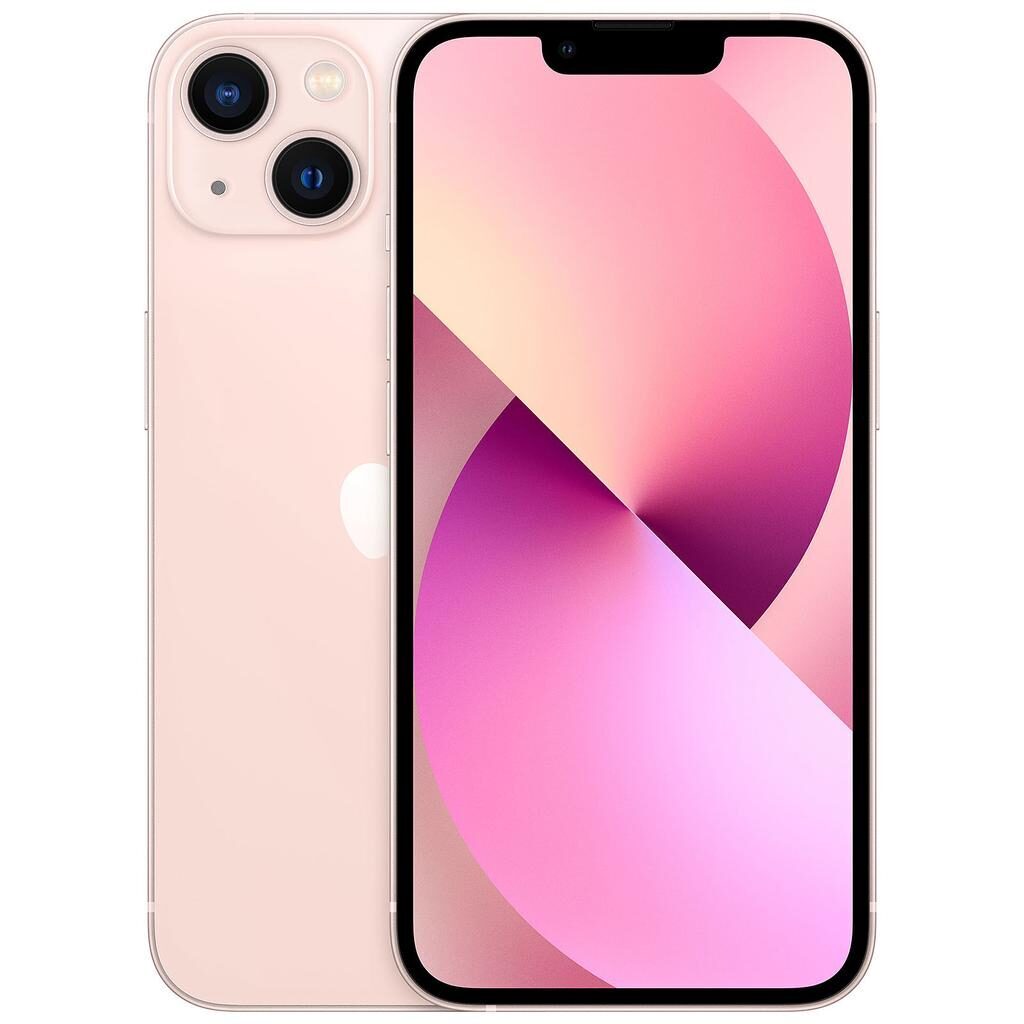
iPhone 13
Starting at
£249.06£599.00 new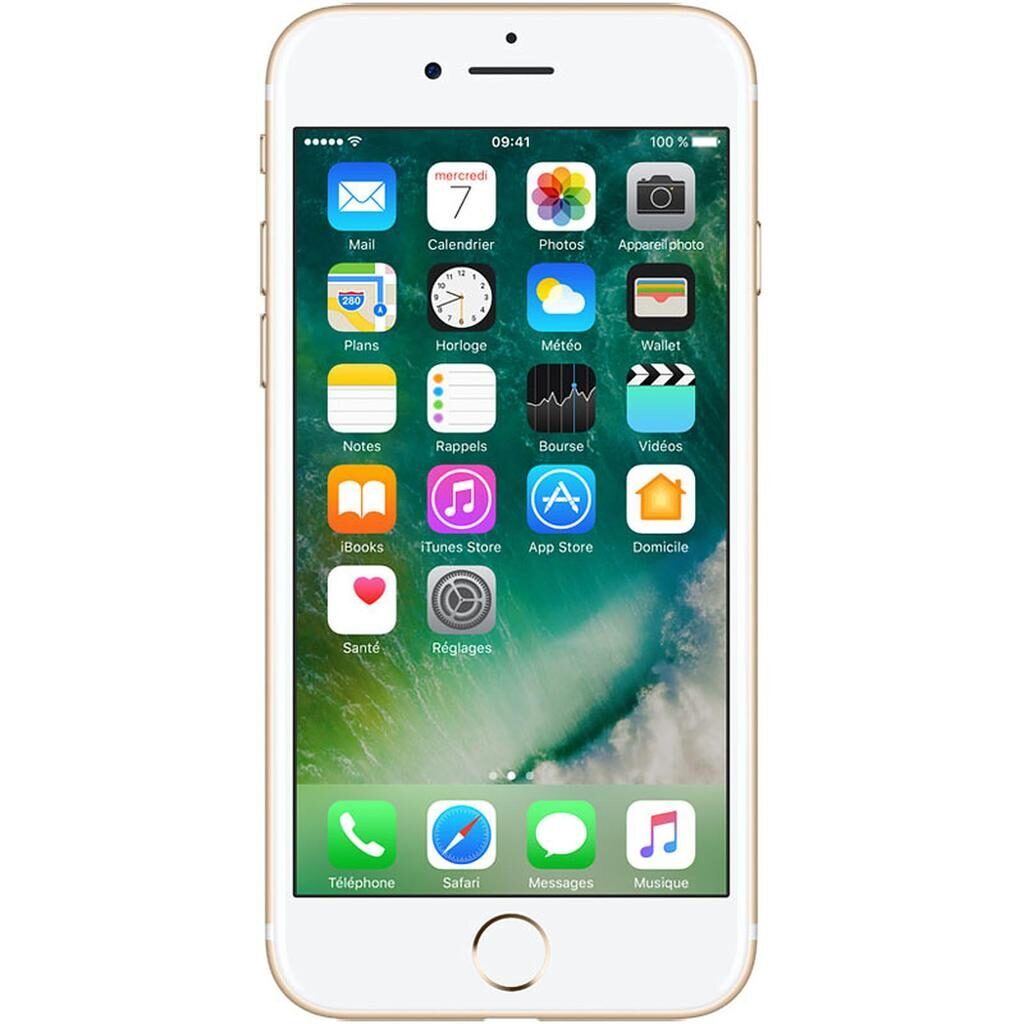
iPhone 7
Starting at
£66.24£179.00 newWhat's the difference between the iPhone 13 and iPhone 7?
iPhone 13 vs 7 comes down to the chipset, RAM and battery. Refurbished, the iPhone 7 starts at £66.24, £182.82 less than the iPhone 13. The iPhone 13 is the newer model, released in 2021.
Refurbished from
Chipset
RAM
Battery
Screen size
Screen type
- Chipset: Apple A15 Bionic (5 nm) on the iPhone 13, Apple A10 Fusion (16 nm) on the iPhone 7.
- The iPhone 13 has more RAM: 4 GB vs 2 GB.
- The iPhone 13 has a bigger battery: 3240 mAh vs 1960 mAh.
iPhone 13 vs iPhone 7 specs
The iPhone 13 and iPhone 7 differ mainly in performance, screen quality, and connectivity options. The iPhone 13 has a larger, higher-resolution OLED screen that is better for watching videos or browsing. It runs on an Apple A15 Bionic chipset with twice the RAM, which helps keep apps running smoothly and supports more storage options. The battery capacity is larger, which can mean longer use between charges. The iPhone 13 supports 5G networks and uses a physical SIM plus eSIM, while the iPhone 7 works on 4G and uses a physical SIM only. The iPhone 7 offers a smaller screen and a simpler setup, making it suitable for everyday use or those who want a lower priced phone with basic features.
iPhone 13 vs iPhone 7 price
Colour
iPhone 13 vs iPhone 7 battery life and software updates
Battery life and operating system are key factors in durability. The iPhone 13 and iPhone 7 show clear differences in battery capacity and operating system, which affect how long each device lasts and the experience of using it.
Battery Capacity
The iPhone 13 has a 3240 mAh battery, which is larger than the iPhone 7's 1960 mAh. This means the iPhone 13 can typically support longer use between charges, which suits people who rely on their phone throughout the day without frequent recharging. The iPhone 7's smaller battery is adequate for lighter use or shorter days.
Operating System Version
Users who want access to newer features and updates might prefer the iPhone 13. The iPhone 7 supports everyday tasks well.
Battery
Foldable
Ip rating
OS at launch
Software updates
Wireless charging
Year of release
iPhone 13 vs iPhone 7 performance
Performance relies on chipset power, memory, and storage. The iPhone 13 and iPhone 7 differ in processor technology, RAM size, and storage options, influencing how smoothly they run apps and how much data they can hold.
Chipset Technology
The iPhone 13 is powered by the Apple A15 Bionic chipset built on a 5 nm process, which provides efficient and powerful performance. The iPhone 7 uses the Apple A10 Fusion chipset on a 16 nm process. Users who run demanding apps or multitask frequently will notice the difference in speed and responsiveness on the iPhone 13.
Memory Capacity
With 4 GB of RAM, the iPhone 13 can keep more apps open in the background and handle multitasking more smoothly. The iPhone 7 has 2 GB of RAM, which supports everyday apps well but may require closing apps more often. This suits users with simpler needs or lighter phone use.
Storage Options
The iPhone 13 offers larger storage capacities from 128GB up to 512GB, which is helpful if you store many apps, photos, and media. The iPhone 7 is available in 32GB and 128GB, which suits users with basic storage needs or who prefer to keep fewer files on the device.
Chipset
RAM
iPhone 13 vs iPhone 7 screen
Screen quality affects how you view content and interact with your phone. The iPhone 13 and iPhone 7 differ in size, resolution, and screen technology, which influence clarity, colour, and the viewing experience.
Screen Size
The iPhone 13 has a 6.1 inch screen, offering a larger display area for browsing, reading, and watching videos. The iPhone 7 has a smaller 4.7 inch screen, which suits those who prefer a more compact phone that fits easily in one hand or pocket.
Screen Resolution
With a resolution of 1170 x 2532, the iPhone 13 delivers sharper images and crisper text compared to the iPhone 7's 750 x 1334 resolution. This higher resolution benefits users who value detailed visuals and clearer media display.
Screen Type
The iPhone 13 uses an OLED screen, which generally provides better contrast and deeper blacks, enhancing the viewing experience especially in low light. The iPhone 7 uses a Retina IPS LCD screen, offering good colour accuracy and brightness suitable for everyday use.
Refresh rate
Resolution
Screen size
Screen type
iPhone 13 vs iPhone 7 camera
Camera quality and front camera resolution influence photo and video capture. The iPhone 13 and iPhone 7 share the same main camera megapixel count but differ in front camera resolution.
Front Camera Resolution
The iPhone 13 features a 12 megapixel front camera, which captures more detail for selfies and video calls. The iPhone 7's front camera has 7 megapixels, suitable for video chats and selfies but with less detail.
Main Camera
Both devices have a 12 megapixel main camera, supporting good-quality photos. Users looking for a reliable main camera for everyday pictures will find both phones suitable.
Front camera
Main camera
iPhone 13 vs iPhone 7 size and design
Connectivity, size, and other features differ between the iPhone 13 and iPhone 7. These affect how you use the phone on mobile networks, carry it, and manage your SIM cards.
Mobile Network
The iPhone 13 supports 5G networks, providing faster data speeds where 5G coverage is available. The iPhone 7 supports 4G, which is widely available and sufficient for many users. Choose the iPhone 13 if faster mobile data is important to you.
SIM Card Options
The iPhone 13 offers both a physical SIM and an eSIM, allowing flexibility for dual SIM use or easier switching between plans. The iPhone 7 uses only a physical SIM, which suits users who prefer a traditional setup.
Size and Weight
The iPhone 13 measures 146.7 mm in height, 71.5 mm in width, and 7.7 mm in depth, weighing 174 g. The iPhone 7 is smaller at 138.3 mm height, 67.1 mm width, and 7.1 mm depth, and lighter at 138 g. The iPhone 7's smaller size may suit those who want a phone that fits easily in a pocket or hand.
Connector
Both phones use a Lightning connector for charging and accessories, so existing Lightning cables and chargers are compatible with either device.
Carrier compatibility
Connector
Depth
Height
Mobile network
Release date
SD card slot
SIM card
Weight
Width
iPhone 13 or iPhone 7: which should you buy?
Buy the iPhone 13 if
- you want more RAM (4 GB vs 2 GB)
- you want a bigger battery (3240 mAh vs 1960 mAh)
- you want a bigger screen (6.1 inch vs 4.7 inch)
Buy the iPhone 7 if
- you want to spend less: it starts at £66.24, £182.82 less than the iPhone 13
- you want a lighter build (138 g vs 173 g)
What our customers say
Customers say the iPhone 13 looks like new and works like new, with many praising the battery life and smooth performance. Users appreciate the large screen size and sharp display, noting the phone runs well for everyday use and multitasking. Several mention the phone's condition matches the description, with a clean appearance and strong battery health, especially when buying options with a new battery fitted. The iPhone 13 suits people who want a reliable smartphone with a large screen and modern features like 5G and eSIM.
For the iPhone 7, customers find it a good choice for basic use and appreciate its smaller size and ease of setup. Many report the phone works well for calls, texts, and everyday apps, with good battery life relative to its use. The condition is often described as excellent or very good, with some minor scratches noted but nothing that affects performance. The iPhone 7 fits users looking for a phone with a physical SIM and a compact screen.
Overall, the iPhone 13 appeals to those wanting a larger screen and stronger performance, while the iPhone 7 suits buyers who prefer a smaller, straightforward phone for everyday tasks.
iPhone 13 vs iPhone 7 FAQs
iPhone 13 vs 7 comes down to the chipset, RAM and battery. Chipset: Apple A15 Bionic (5 nm) on the iPhone 13, Apple A10 Fusion (16 nm) on the iPhone 7. The iPhone 13 has more RAM: 4 GB vs 2 GB.
The iPhone 7 is cheaper refurbished, from £66.24 compared with £249.06 for the iPhone 13.
The iPhone 13 has a bigger battery: 3240 mAh vs 1960 mAh.
Both have the same main camera: 12 megapixels.
The iPhone 13 is still supported and can run iOS 27. Updates for the iPhone 7 ended in Mar 2025. Its last version is iOS 15.
The iPhone 13 adds more RAM (4 GB vs 2 GB), a bigger battery (3240 mAh vs 1960 mAh) and a bigger screen (6.1 inch vs 4.7 inch). Refurbished, it costs £182.82 more (from £249.06 vs £66.24).
Refurbished, the iPhone 13 comes in 128GB, 256GB and 512GB, and the iPhone 7 in 32GB and 128GB.