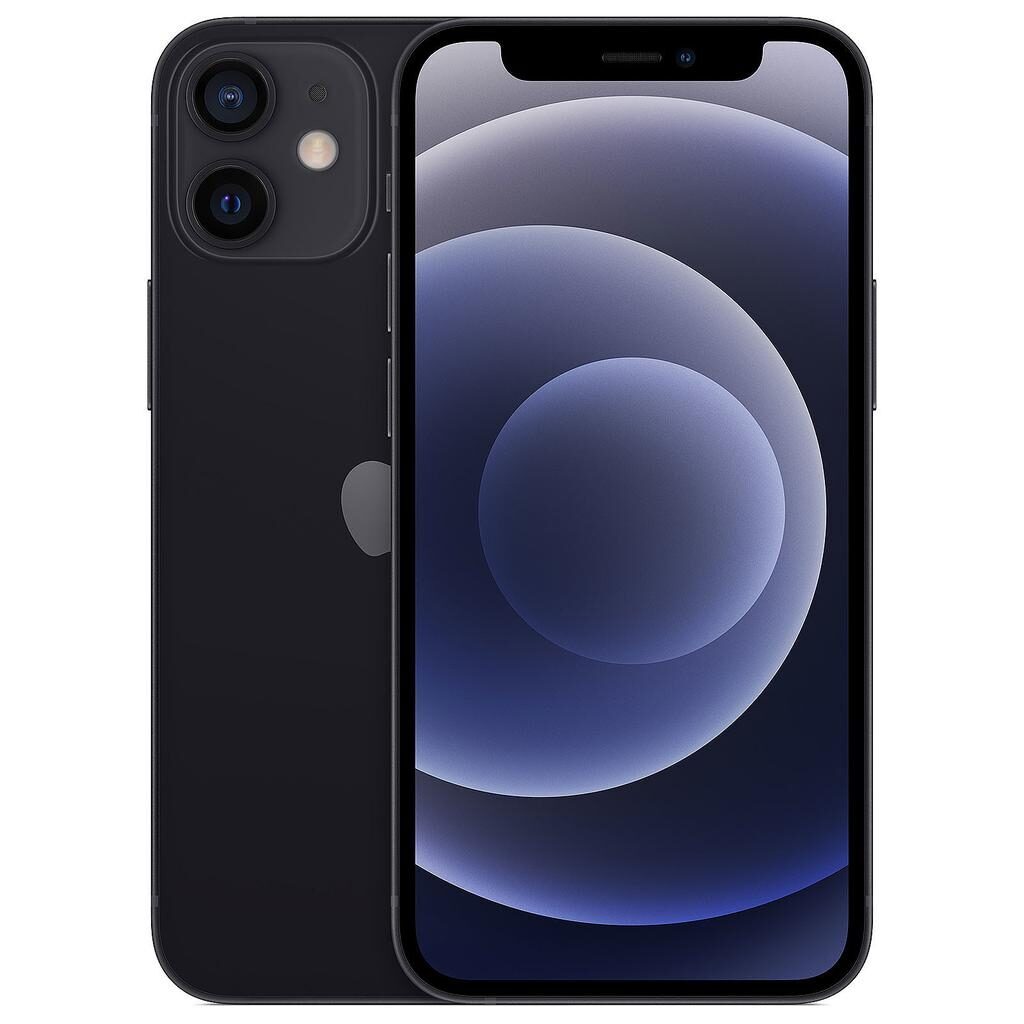
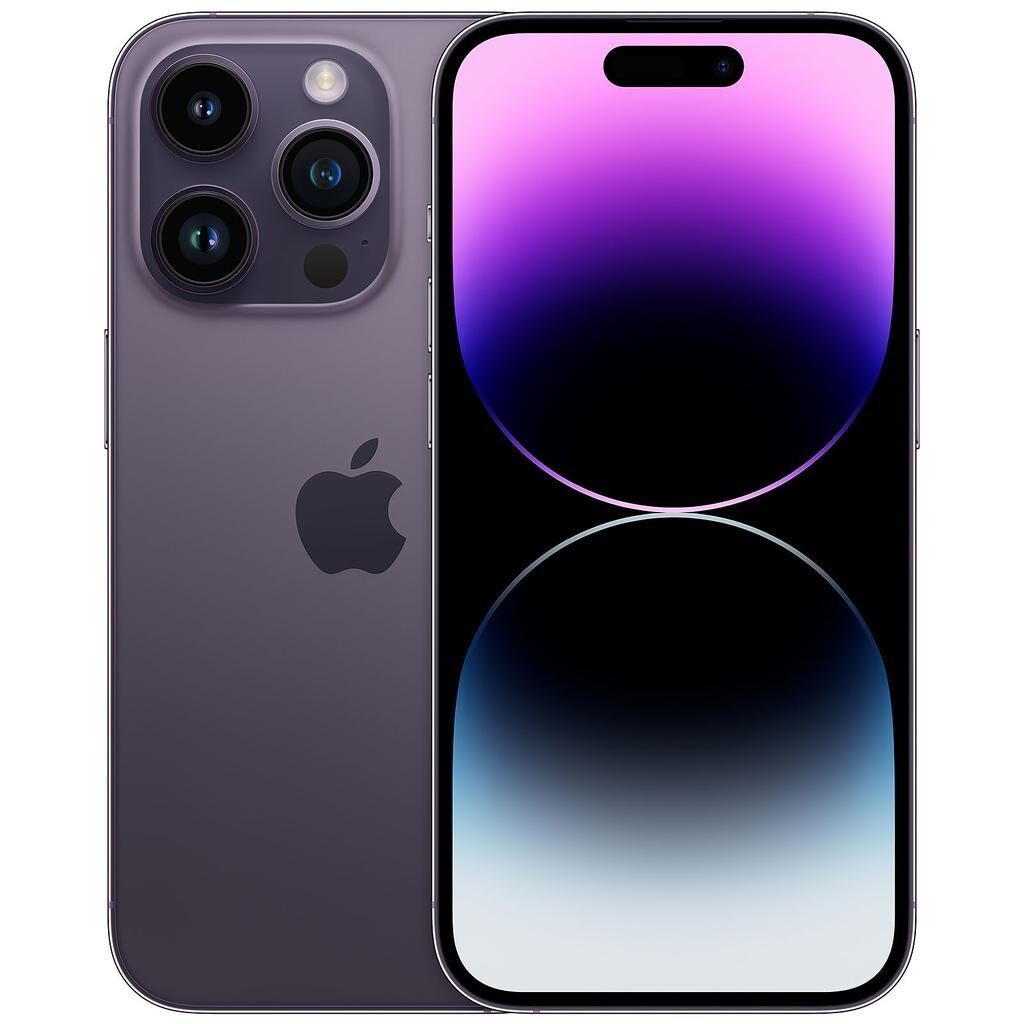
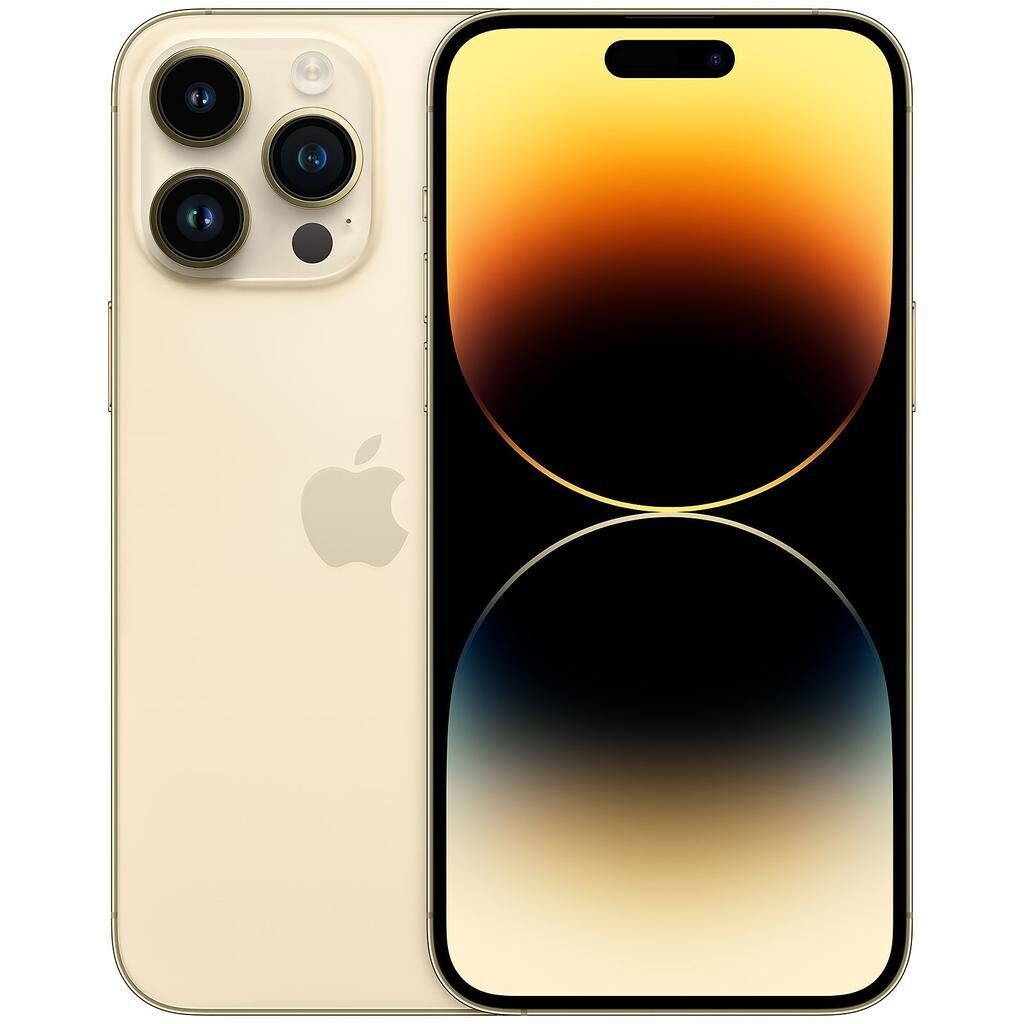
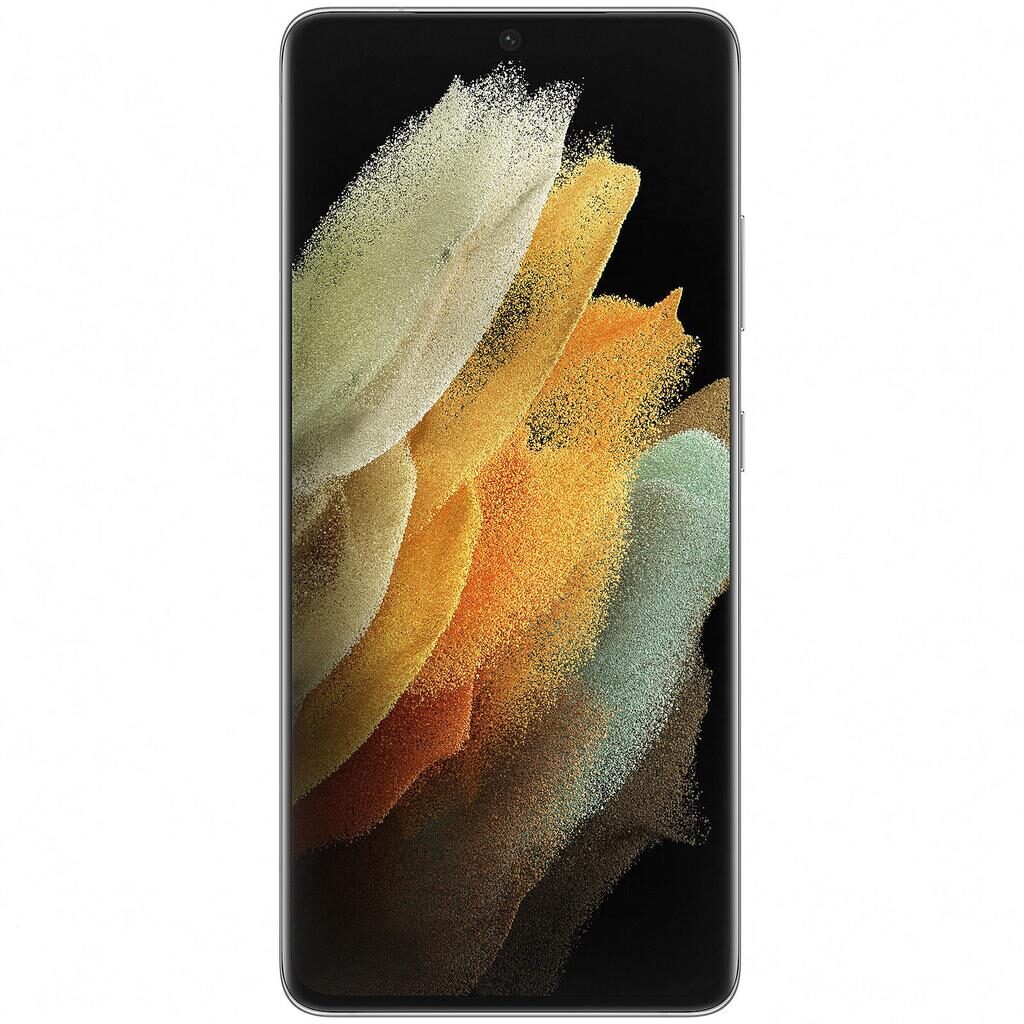
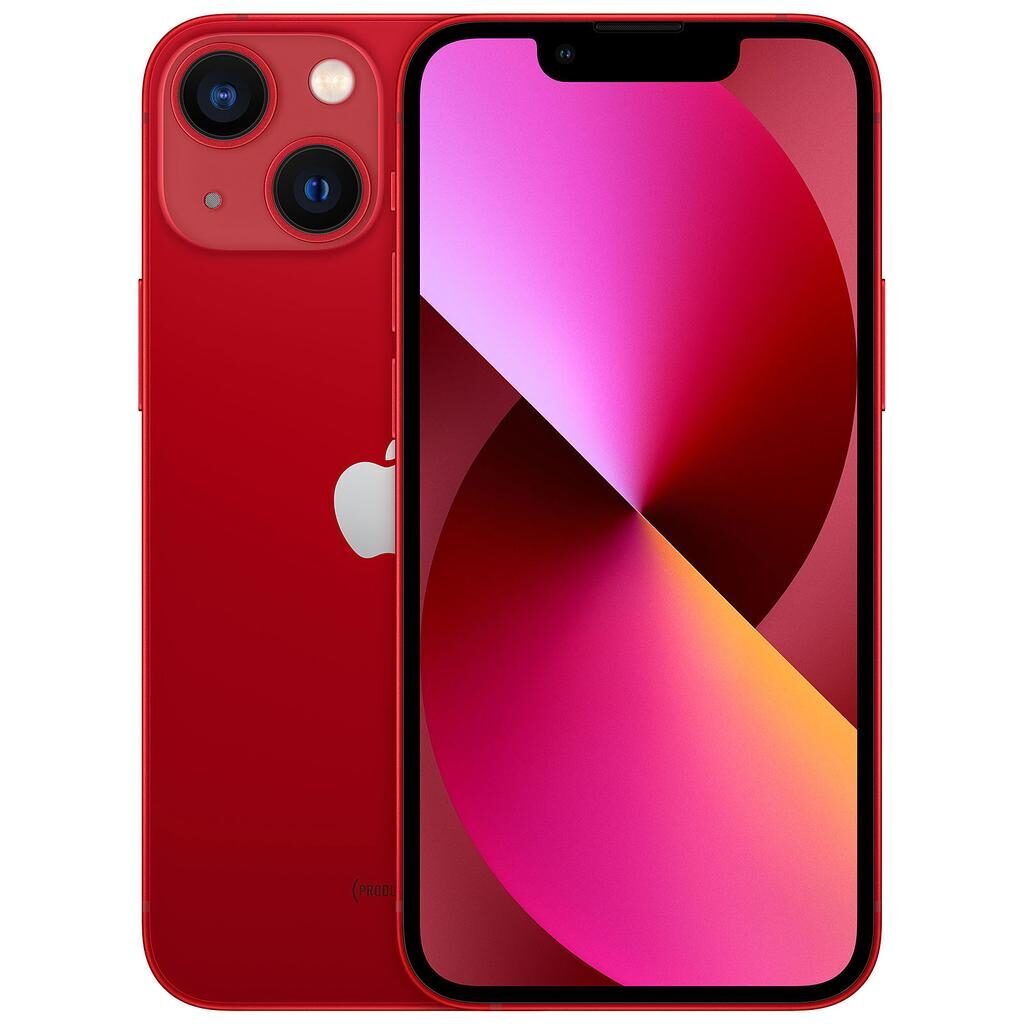
iPhone 13 vs iPhone 16e
Shop iPhone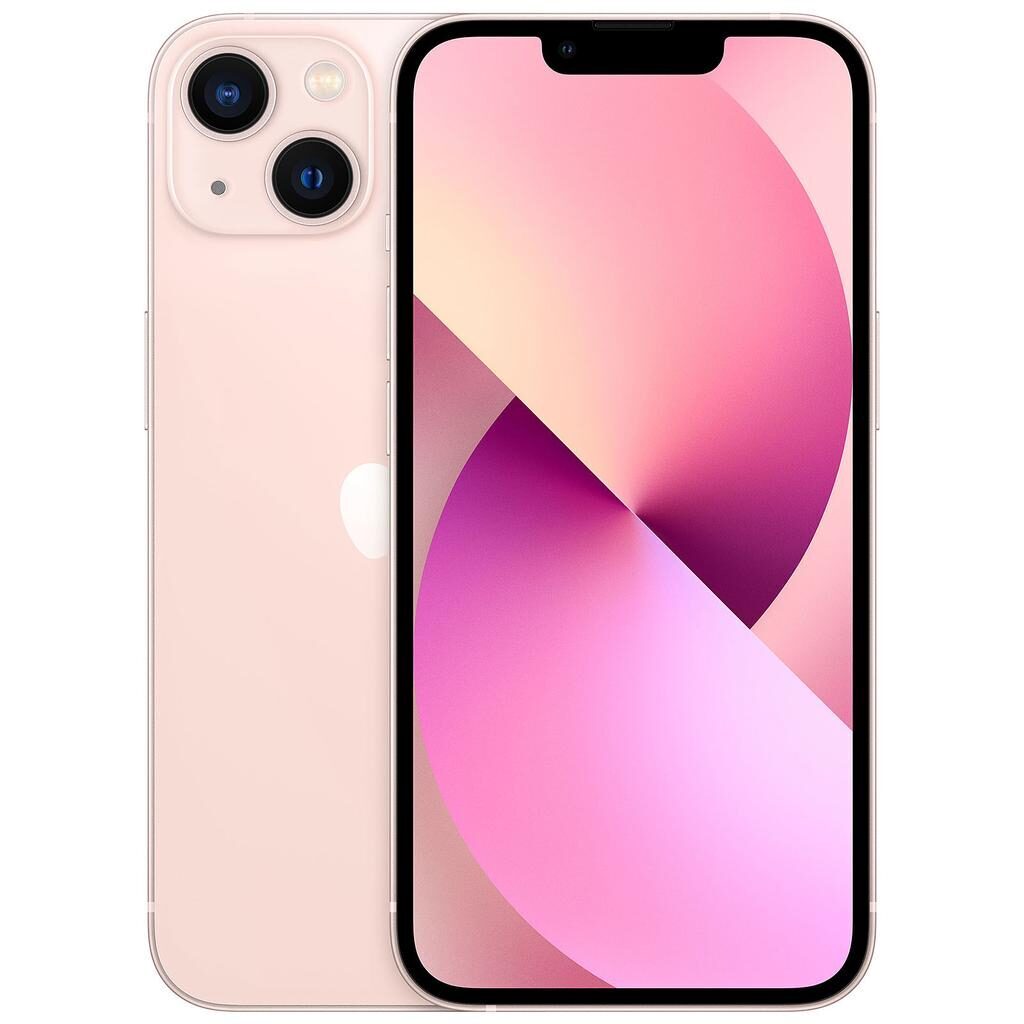
iPhone 13
Starting at
£249.06£599.00 new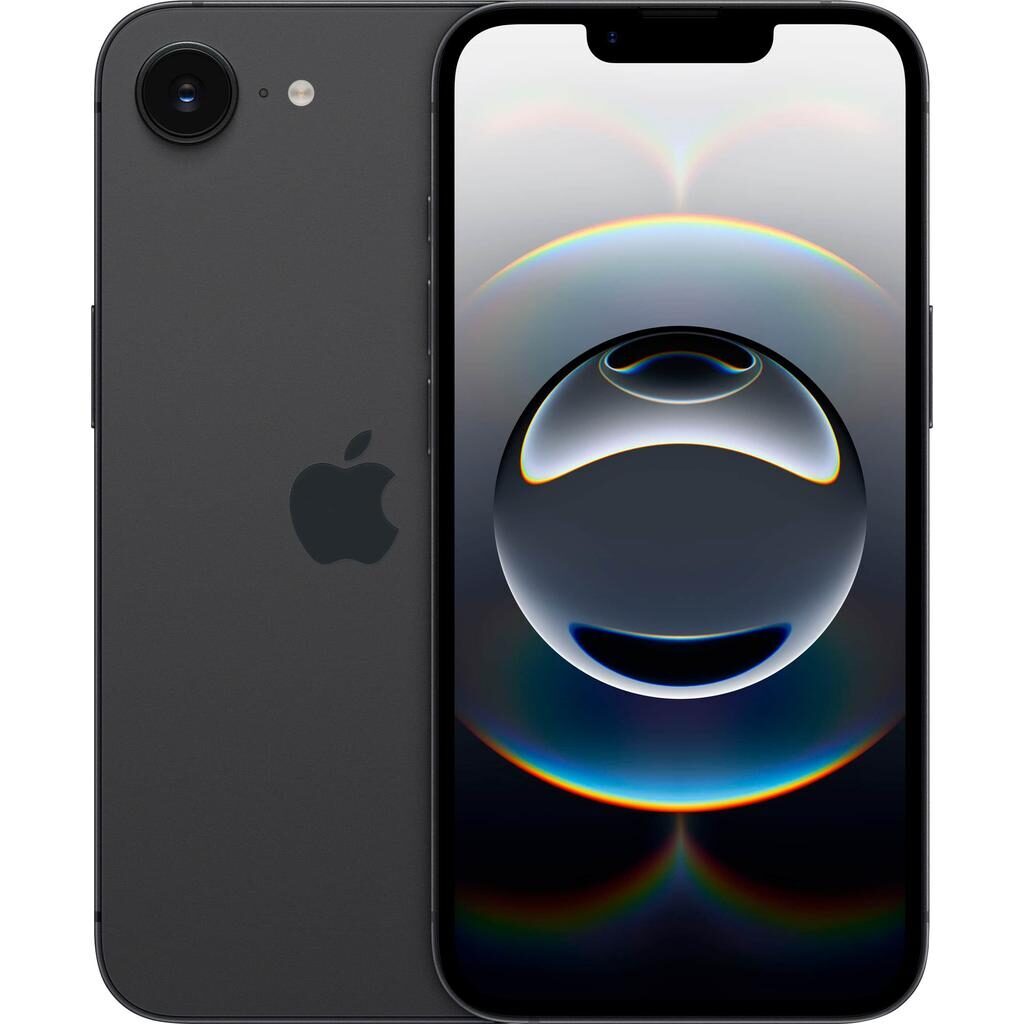
iPhone 16e
Starting at
£478.75£599.00 newWhat's the difference between the iPhone 13 and iPhone 16e?
iPhone 13 vs 16e comes down to the chipset, RAM and battery. Refurbished, the iPhone 13 starts at £249.06, £229.69 less than the iPhone 16e. The iPhone 16e is the newer model, released in 2025.
Refurbished from
Chipset
RAM
Battery
Screen type
Main camera
- Chipset: Apple A15 Bionic (5 nm) on the iPhone 13, Apple A18 (3 nm) on the iPhone 16e.
- The iPhone 16e has more RAM: 8 GB vs 4 GB.
- The iPhone 16e has a bigger battery: 4005 mAh vs 3240 mAh.
iPhone 13 vs iPhone 16e specs
The iPhone 13 and iPhone 16e share the same screen size and support 5G but they differ in several key areas. The iPhone 16e has a larger battery capacity and more RAM which helps keep apps running smoothly and supports longer use between charges. It also uses a USB-C connector which may be more convenient if you have other USB-C devices. Both have unlocked carriers and the same storage options stocked so your choice depends on how much performance and battery life matter to you versus a simpler everyday phone experience.
iPhone 13 vs iPhone 16e price
Colour
iPhone 13 vs iPhone 16e battery life and software updates
Durability covers battery capacity, operating system, and release year. These affect how long a device lasts in daily use and the software experience it offers.
Battery Capacity
The iPhone 16e has a 4005 mAh battery which is larger than the iPhone 13's 3240 mAh. This means the iPhone 16e can support longer use between charges suiting users who need more battery life throughout the day. The iPhone 13's battery capacity fits well for everyday use where charging opportunities are more frequent.
Operating System
Both devices offer a reliable software experience.
Battery
Foldable
Ip rating
OS at launch
Software updates
Wireless charging
Year of release
iPhone 13 vs iPhone 16e performance
Performance depends on the chipset, RAM, and storage options stocked. These influence speed, multitasking, and how much data you can keep on your device.
Chipset
The iPhone 13 uses the Apple A15 Bionic chip built on a 5 nm process whereas the iPhone 16e uses the Apple A18 chip with a 3 nm process. The Apple A18 chipset supports more demanding tasks and can handle newer software features better which benefits users who want smoother performance and responsiveness.
RAM
The iPhone 16e has 8 GB of RAM double the 4 GB found in the iPhone 13. More RAM helps keep everyday apps running smoothly especially when multitasking or using memory-intensive apps. The iPhone 13 is suitable for typical daily use and casual multitasking.
Storage Options
Both models come in 128GB, 256GB, and 512GB storage options. This means you can choose the storage size that fits your needs for apps, photos, and media without sacrificing capacity by choosing either device.
Chipset
RAM
iPhone 13 vs iPhone 16e screen
Screen quality focuses on resolution, screen size, and screen type. These factors impact how clear and vibrant the display is for watching videos, browsing, and other visual tasks.
Resolution and Size
Both the iPhone 13 and iPhone 16e have a 6.1 inch screen with a resolution of 1170 by 2532 pixels. This provides a sharp and detailed display size that fits comfortably in the hand and suits everyday viewing experiences.
Screen Type
The iPhone 13 has an OLED screen while the iPhone 16e features a Super Retina XDR OLED screen. The Super Retina XDR OLED may offer better brightness and contrast which benefits users who want a richer display for photos, videos, and outdoor use.
Refresh rate
Resolution
Screen size
Screen type
iPhone 13 vs iPhone 16e camera
Front camera
Main camera
iPhone 13 vs iPhone 16e size and design
Miscellaneous features include network compatibility, physical dimensions, connectors, and SIM options. These affect how you connect to networks, accessories, and carry the phone.
Connector Type
The iPhone 13 uses a Lightning connector while the iPhone 16e uses USB-C. USB-C is commonly used across many devices which may make charging and data transfer easier if you already have USB-C accessories.
Weight
The iPhone 16e weighs 167 g slightly lighter than the iPhone 13's 174 g. This small difference may make the iPhone 16e feel a bit lighter in the hand which some users prefer for comfort during extended use.
SIM and Network
Both phones support 5G networks and feature Physical SIM plus eSIM options giving flexibility in how you connect to mobile networks. Both come unlocked for use with any compatible carrier.
Dimensions
The height and width are the same for both phones at 146.7 mm tall and 71.5 mm wide. The iPhone 13 is 7.7 mm deep and the iPhone 16e is 7.8 mm. These similar sizes mean both phones offer comparable handling and pocket fit.
Carrier compatibility
Connector
Depth
Height
Mobile network
Release date
SD card slot
SIM card
Weight
Width
iPhone 13 or iPhone 16e: which should you buy?
Buy the iPhone 13 if
- you want to spend less: it starts at £249.06, £229.69 less than the iPhone 16e
Buy the iPhone 16e if
- you want more RAM (8 GB vs 4 GB)
- you want a bigger battery (4005 mAh vs 3240 mAh)
- you want a higher-resolution main camera (48 megapixels vs 12 megapixels)
What our customers say
Customers say the iPhone 13 looks and works like new with many praising the condition, battery health, and ease of setup. The phone is described as reliable and good for first-time iPhone users with several buyers noting the battery holds up well and the device looks great even in fair condition. Some customers appreciate the consistent quality across purchases with the refurbished iPhone 13 feeling like a new device right out of the box.
The iPhone 16e also receives positive feedback for looking almost unused and offering improved speed, battery life, camera quality, and screen compared to earlier models. Customers find the battery life good and report smooth data transfer from older iPhones though a few mention minor challenges with transferring data or SIM compatibility. The device is praised for its premium condition and ease of use with many describing it as a significant upgrade.
Both devices suit different users well: the iPhone 13 fits those seeking solid performance and value with a trusted refurbished device while the iPhone 16e appeals to those wanting a newer model with more memory, better battery life, and a refined display experience.
iPhone 13 vs iPhone 16e FAQs
iPhone 13 vs 16e comes down to the chipset, RAM and battery. Chipset: Apple A15 Bionic (5 nm) on the iPhone 13, Apple A18 (3 nm) on the iPhone 16e. The iPhone 16e has more RAM: 8 GB vs 4 GB.
The iPhone 13 is cheaper refurbished, from £249.06 compared with £478.75 for the iPhone 16e.
The iPhone 16e has a bigger battery: 4005 mAh vs 3240 mAh.
The iPhone 16e has a higher-resolution main camera: 48 megapixels vs 12 megapixels.
The iPhone 13 is still supported and can run iOS 27. The iPhone 16e is still supported and can run iOS 27.
The iPhone 16e adds more RAM (8 GB vs 4 GB), a bigger battery (4005 mAh vs 3240 mAh) and a higher-resolution main camera (48 megapixels vs 12 megapixels). Refurbished, it costs £229.69 more (from £478.75 vs £249.06).
Both come in 128GB, 256GB and 512GB refurbished.