iPhone 13 vs iPhone 16 Plus
Shop iPhone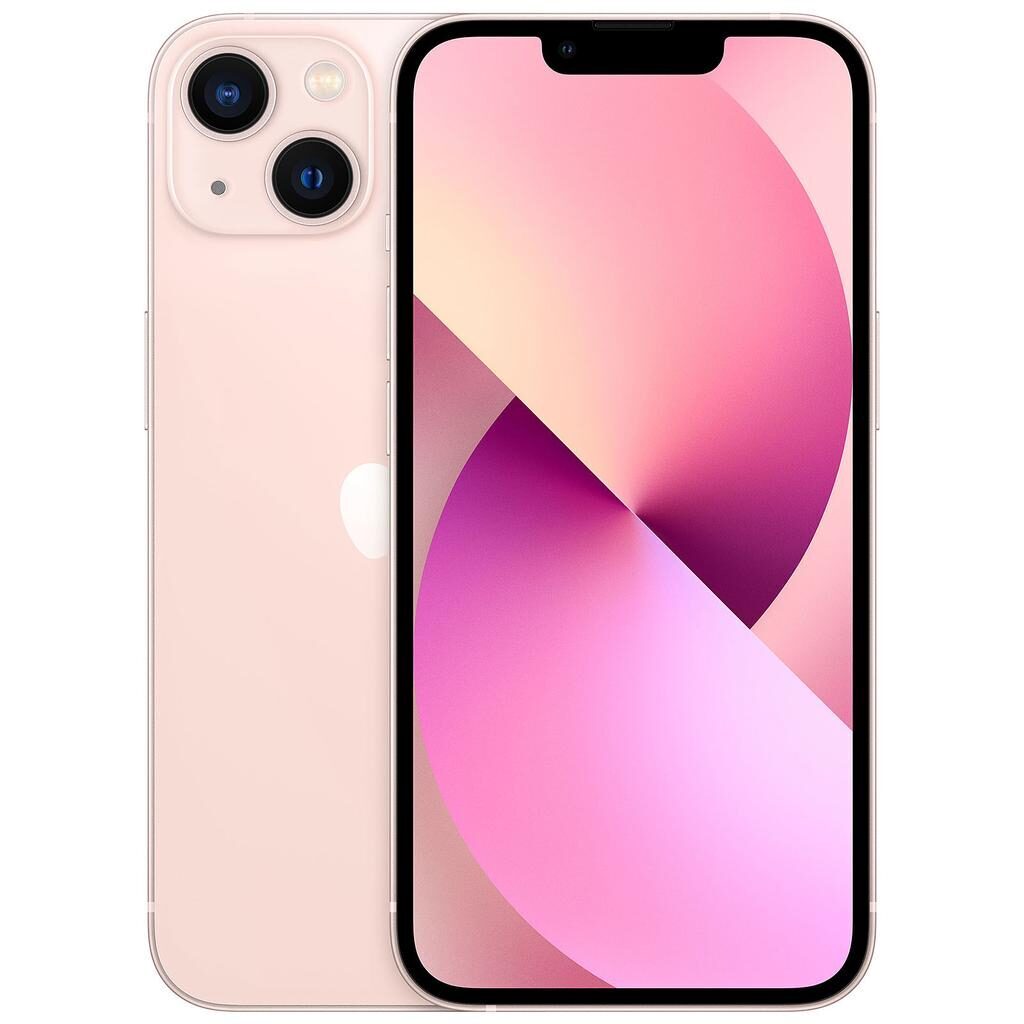
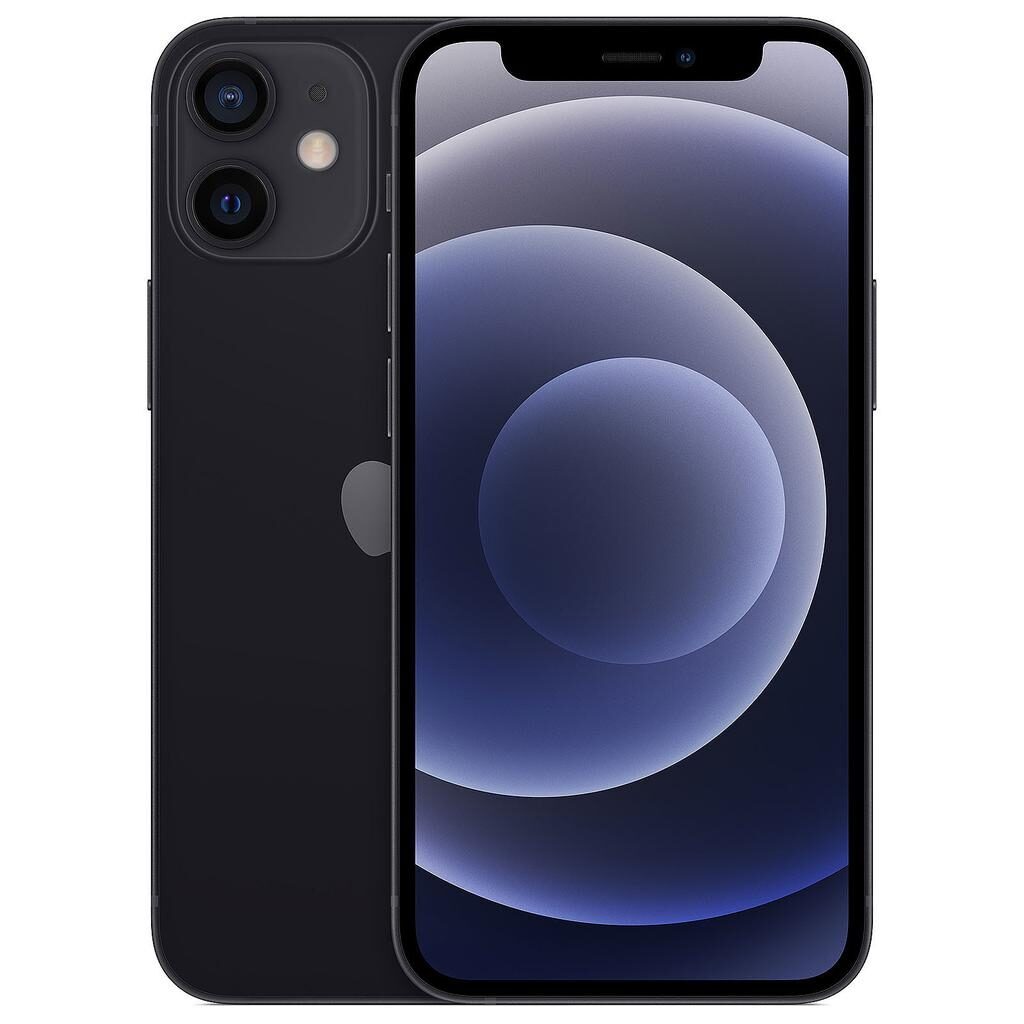
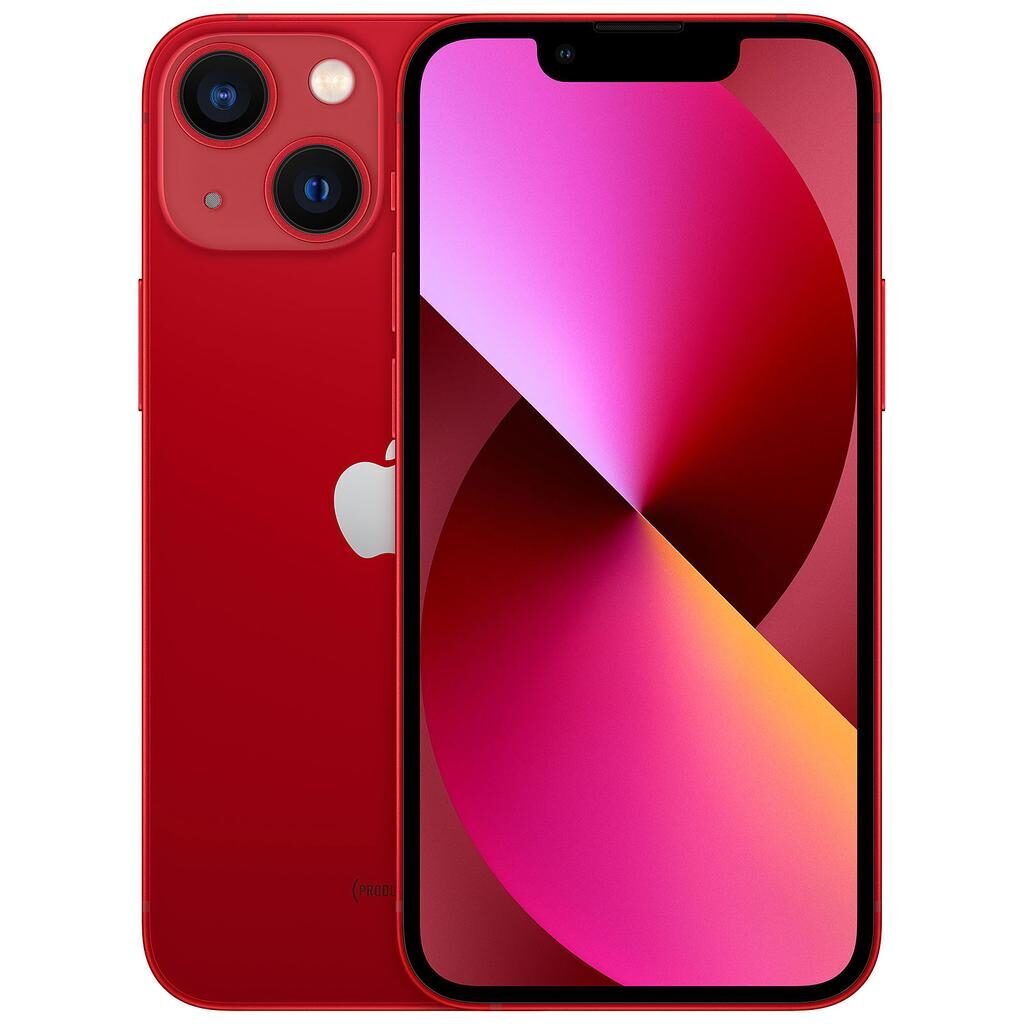
iPhone 13
Starting at
£249.06£599.00 new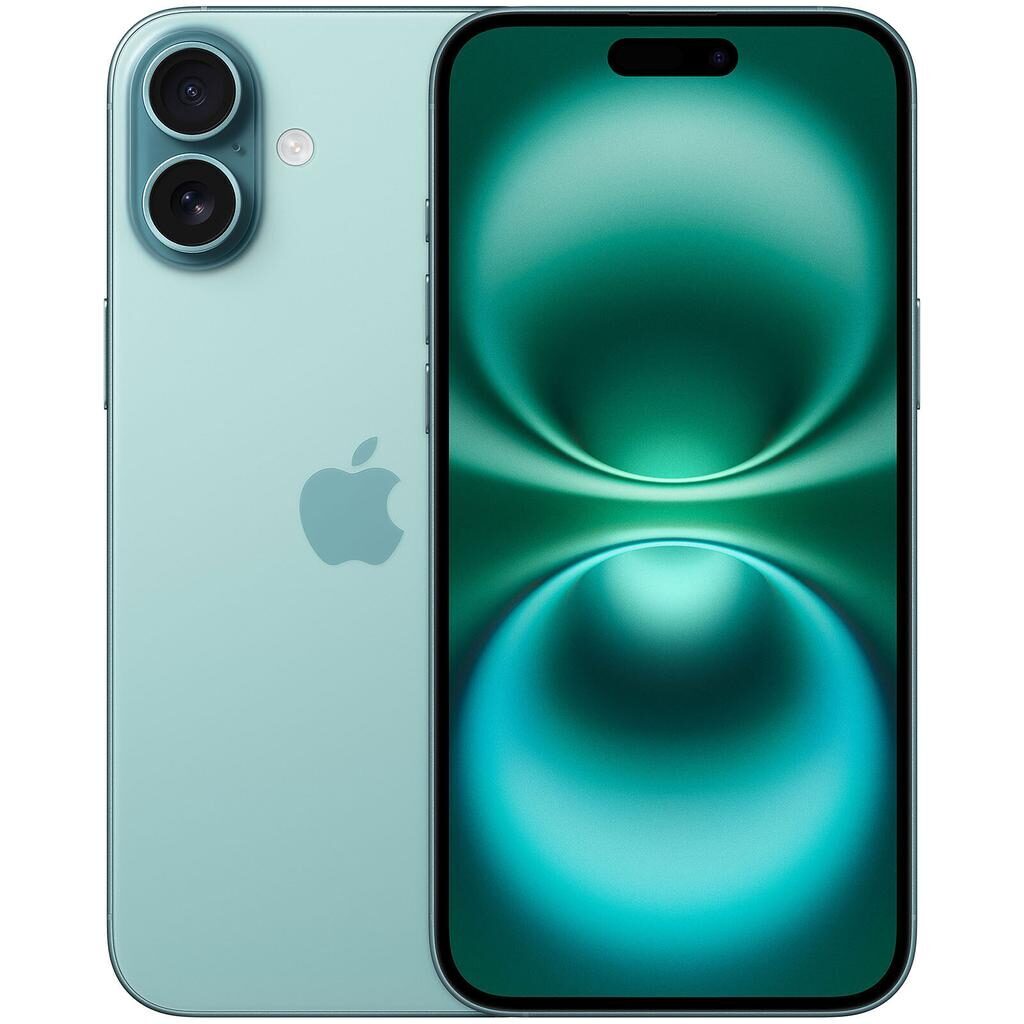
iPhone 16 Plus
Starting at
£588.00£799.00 newWhat's the difference between the iPhone 13 and iPhone 16 Plus?
iPhone 13 vs 16 Plus comes down to the chipset, RAM and battery. Refurbished, the iPhone 13 starts at £249.06, £338.94 less than the iPhone 16 Plus. The iPhone 16 Plus is the newer model, released in 2024.
Refurbished from
Chipset
RAM
Battery
Screen size
Screen type
- Chipset: Apple A15 Bionic (5 nm) on the iPhone 13, Apple A18 on the iPhone 16 Plus.
- The iPhone 16 Plus has more RAM: 8 GB vs 4 GB.
- The iPhone 16 Plus has a bigger battery: 4674 mAh vs 3240 mAh.
iPhone 13 vs iPhone 16 Plus specs
The iPhone 13 and iPhone 16 Plus differ mainly in size, power, and camera capabilities. The iPhone 13 is smaller with a 6.1 inch screen and 4 GB of RAM, suitable for everyday use and those who prefer a compact phone. The iPhone 16 Plus offers a larger 6.7 inch screen, double the RAM at 8 GB, and a bigger battery, making it a better fit for users who want more screen space and longer battery life. The iPhone 16 Plus also has a higher resolution screen, a newer chipset, and a 48 megapixel main camera, ideal for those seeking stronger performance and detailed photography. Both phones support 5G and use unlocked carriers, but the iPhone 13 uses a Lightning connector while the iPhone 16 Plus has a USB-C port.
iPhone 13 vs iPhone 16 Plus price
Colour
iPhone 13 vs iPhone 16 Plus battery life and software updates
Battery capacity and operating system affect how long each phone lasts between charges and the software experience. The iPhone 16 Plus features a larger battery and a newer version of iOS than the iPhone 13.
Battery Capacity
The iPhone 16 Plus has a 4674 mAh battery, which holds more charge than the iPhone 13's 3240 mAh battery. This makes the iPhone 16 Plus better suited for users who want longer usage away from a charger, such as heavy media watchers or those who use their phone extensively throughout the day.
Operating System
The iPhone 13 runs on iOS 15 while the iPhone 16 Plus comes with iOS 18.
Release Year
The iPhone 13 was released in 2021 and the iPhone 16 Plus in 2024.
Battery
Foldable
Ip rating
OS at launch
Software updates
Wireless charging
Year of release
iPhone 13 vs iPhone 16 Plus performance
Performance depends on the chipset, memory, and storage options. The iPhone 16 Plus offers more RAM and a newer chipset, supporting smoother multitasking and potentially faster processing.
Chipset
The iPhone 16 Plus uses the Apple A18 chipset built on a 3 nm process, which is a newer technology compared to the iPhone 13's Apple A15 Bionic chipset made with a 5 nm process. This suggests the iPhone 16 Plus may handle demanding apps and tasks more efficiently.
Memory
With 8 GB of RAM, the iPhone 16 Plus can keep more apps open and support more intensive multitasking than the iPhone 13, which has 4 GB of RAM. This suits users who run multiple apps or use memory-heavy applications.
Storage Options
Both phones are available with 128GB, 256GB, and 512GB storage options, so they offer similar choices for storing apps, photos, and media.
Chipset
RAM
iPhone 13 vs iPhone 16 Plus screen
Screen size, resolution, and type affect how much content you see and the quality of the display. Both phones have a 60 Hz refresh rate but differ in size and resolution.
Screen Size
The iPhone 16 Plus has a larger 6.7 inch screen compared to the iPhone 13's 6.1 inch screen. The bigger display is better for watching videos, browsing, and gaming, appealing to users who want more screen space.
Resolution
The iPhone 16 Plus offers a higher resolution of 1290 x 2796 pixels, which provides more detail and sharper images than the iPhone 13's 1170 x 2532 pixels. This benefits users who value clarity in photos and text.
Screen Type
The iPhone 16 Plus features a Super Retina XDR OLED screen, which is a type of OLED display that can deliver enhanced brightness and colour accuracy. The iPhone 13 has an OLED screen, providing good contrast and colour but without the Super Retina XDR branding.
Refresh Rate
Both phones have a 60 Hz refresh rate, which is standard for smooth scrolling and general use.
Refresh rate
Resolution
Screen size
Screen type
iPhone 13 vs iPhone 16 Plus camera
Camera quality is an important factor for many buyers. The main and front cameras differ in resolution and detail they capture.
Main Camera
The iPhone 16 Plus has a 48 megapixel main camera, which captures more detail than the iPhone 13's 12 megapixel main camera. This makes the iPhone 16 Plus better suited for users who take detailed photos or want higher resolution images.
Front Camera
Both phones have a 12 megapixel front camera, so they offer similar quality for selfies and video calls.
Front camera
Main camera
iPhone 13 vs iPhone 16 Plus size and design
Other features such as connectors, size, weight, and network options affect daily convenience and compatibility.
Connector Type
USB-C is commonly used on many devices, which may simplify charging and accessory use for iPhone 16 Plus users.
Physical Dimensions
The iPhone 16 Plus is larger and heavier, measuring 160.9 mm in height, 77.8 mm in width, and weighing 199 g. The iPhone 13 is smaller at 146.7 mm height, 71.5 mm width, and 174 g weight. The iPhone 16 Plus suits users who prefer a larger phone, while the iPhone 13 is for those who want a more compact device.
Mobile Network and SIM
Both phones support 5G networks and have physical SIM plus eSIM options, providing flexibility for mobile connectivity.
Storage Expansion
Neither the iPhone 13 nor the iPhone 16 Plus has an SD card slot, so storage depends on the built-in options.
Depth
The iPhone 16 Plus has a depth of 7.8 mm compared to the iPhone 13's 7.7 mm, which is a slight difference and unlikely to affect handling noticeably.
Carrier compatibility
Connector
Depth
Height
Mobile network
Release date
SD card slot
SIM card
Weight
Width
iPhone 13 or iPhone 16 Plus: which should you buy?
Buy the iPhone 13 if
- you want to spend less: it starts at £249.06, £338.94 less than the iPhone 16 Plus
- you want a lighter build (173 g vs 199 g)
Buy the iPhone 16 Plus if
- you want more RAM (8 GB vs 4 GB)
- you want a bigger battery (4674 mAh vs 3240 mAh)
- you want a bigger screen (6.7 inch vs 6.1 inch)
What our customers say
Customers who chose the iPhone 13 appreciate how the phone works like new, often noting the condition looks excellent even in fair grade. They mention the battery holding up well and the phone running smoothly for everyday use. Many say the setup was straightforward and the phone feels reliable for general tasks. Some mention it being a great first iPhone or a good value for money.
For the iPhone 16 Plus, customers often remark on the phone looking and feeling like new, with several mentioning 100% battery health and minimal charge cycles. The larger size and battery life are appreciated by those who want a more spacious screen and longer use between charges. Some users note minor quirks with features or software updates but generally report satisfaction with the phone's performance and condition.
Overall, the iPhone 13 suits buyers looking for a compact, reliable phone for everyday tasks, while the iPhone 16 Plus appeals to those who want a larger screen, more memory, and stronger camera performance.
iPhone 13 vs iPhone 16 Plus FAQs
iPhone 13 vs 16 Plus comes down to the chipset, RAM and battery. Chipset: Apple A15 Bionic (5 nm) on the iPhone 13, Apple A18 on the iPhone 16 Plus. The iPhone 16 Plus has more RAM: 8 GB vs 4 GB.
The iPhone 13 is cheaper refurbished, from £249.06 compared with £588 for the iPhone 16 Plus.
The iPhone 16 Plus has a bigger battery: 4674 mAh vs 3240 mAh.
The iPhone 16 Plus has a higher-resolution main camera: 48 megapixels vs 12 megapixels.
The iPhone 13 is still supported and can run iOS 27. The iPhone 16 Plus is still supported and can run iOS 27.
The iPhone 16 Plus adds more RAM (8 GB vs 4 GB), a bigger battery (4674 mAh vs 3240 mAh) and a bigger screen (6.7 inch vs 6.1 inch). Refurbished, it costs £338.94 more (from £588 vs £249.06).
Both come in 128GB, 256GB and 512GB refurbished.