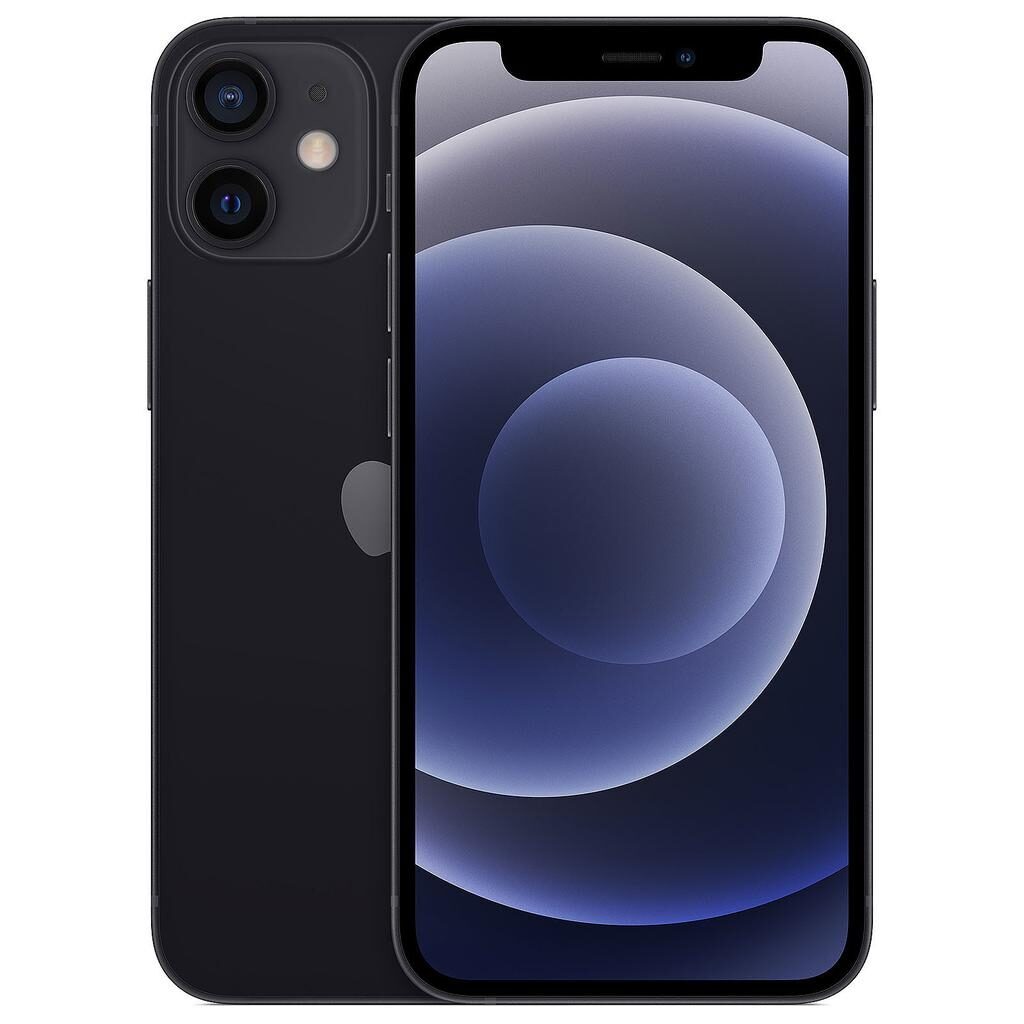
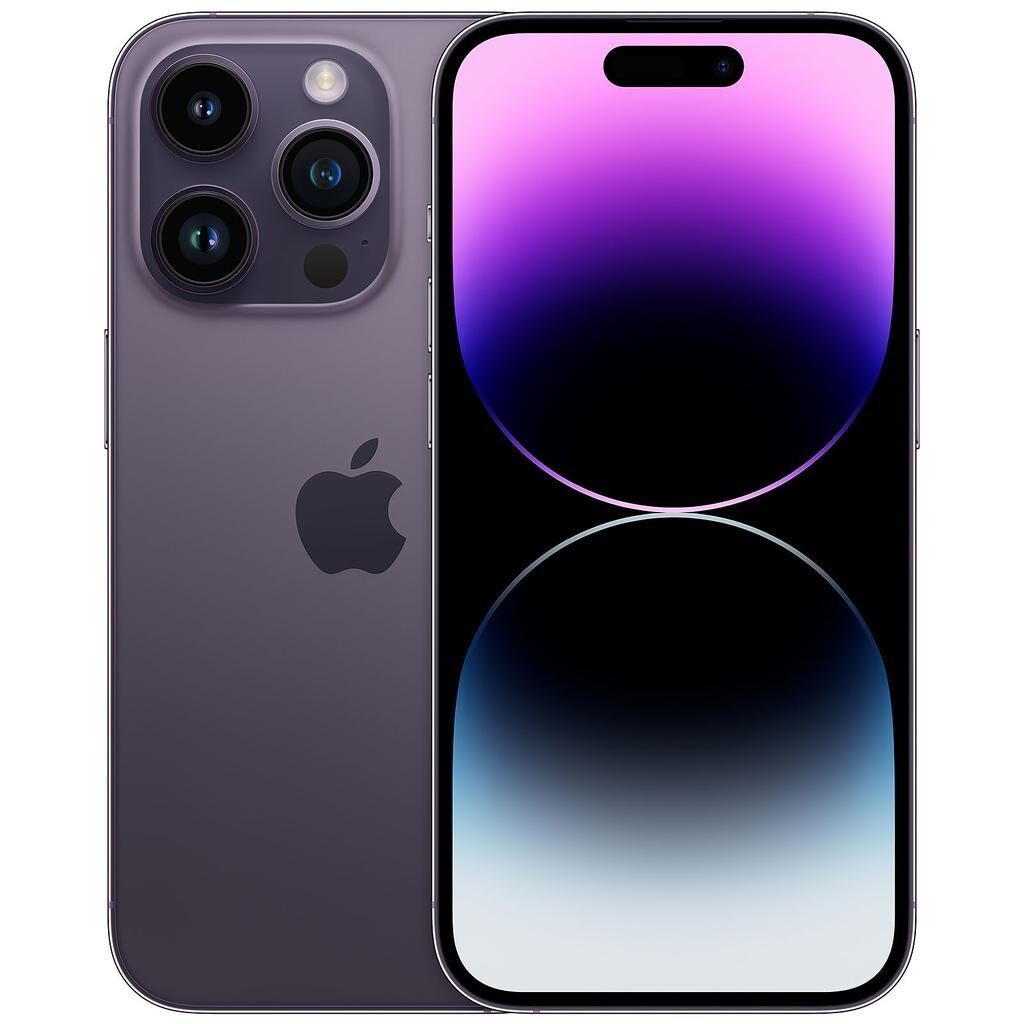
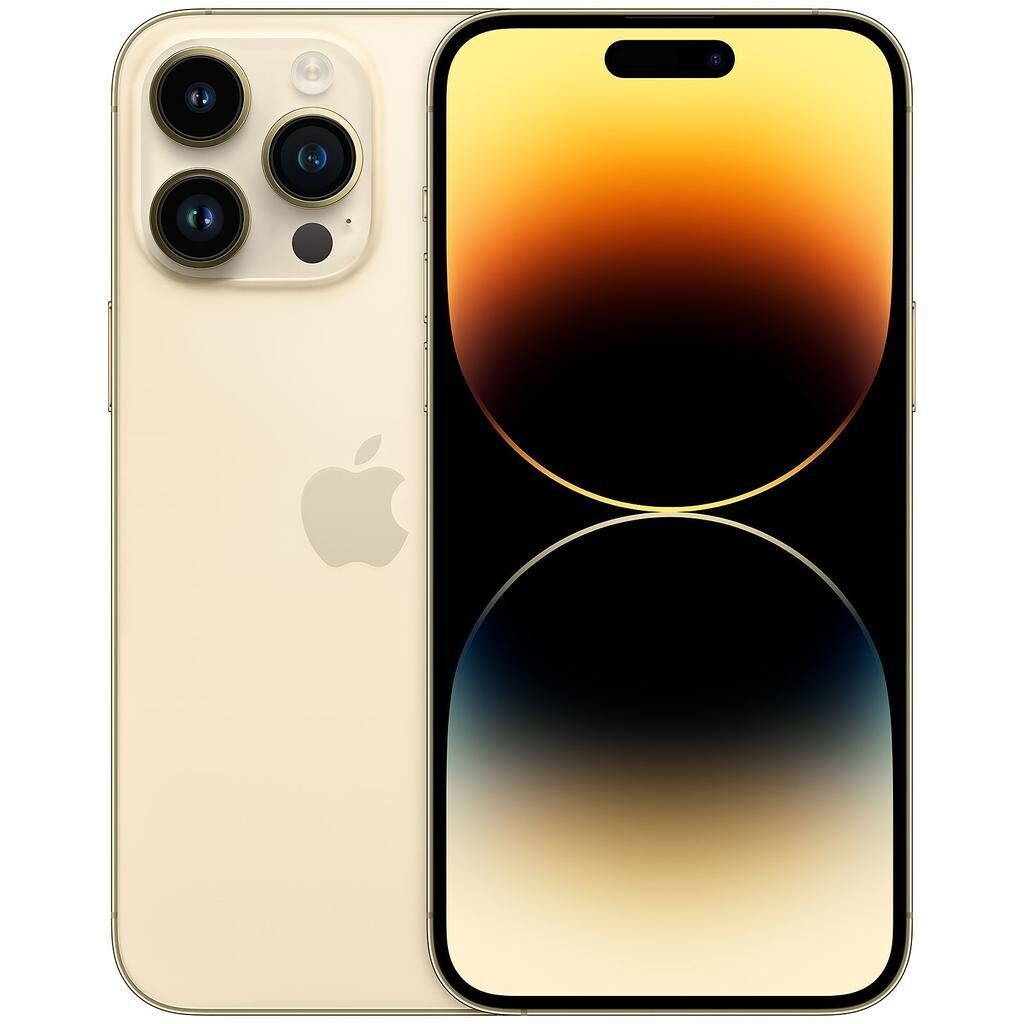
iPhone 13 Pro vs iPhone 16e
Shop iPhone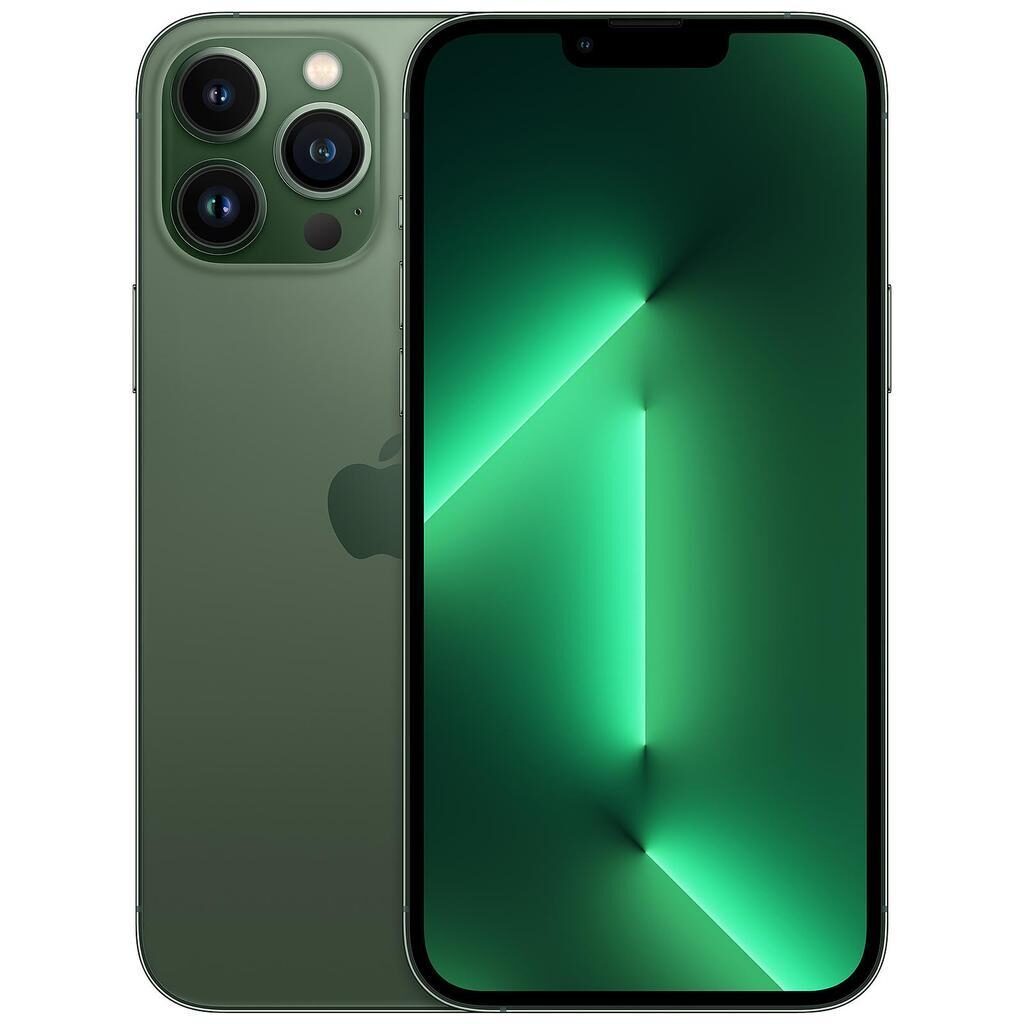
iPhone 13 Pro
Starting at
£292.45£949.00 new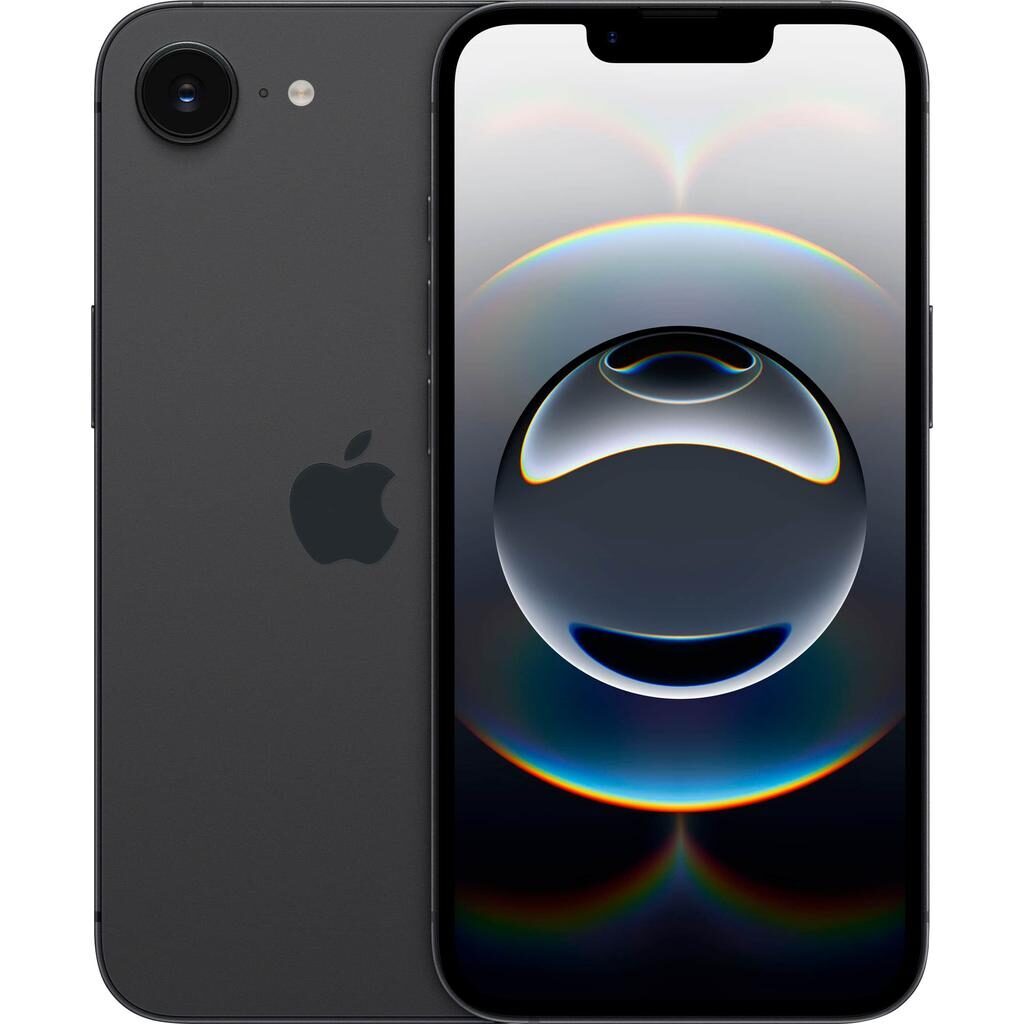
iPhone 16e
Starting at
£478.75£599.00 newWhat's the difference between the iPhone 13 Pro and iPhone 16e?
iPhone 13 Pro vs 16e comes down to the chipset, RAM and battery. Refurbished, the iPhone 13 Pro starts at £292.45, £186.30 less than the iPhone 16e. The iPhone 16e is the newer model, released in 2025.
Refurbished from
Chipset
RAM
Battery
Main camera
Weight
- Chipset: Apple A15 Bionic (5 nm) on the iPhone 13 Pro, Apple A18 (3 nm) on the iPhone 16e.
- The iPhone 16e has more RAM: 8 GB vs 6 GB.
- The iPhone 16e has a bigger battery: 4005 mAh vs 3095 mAh.
iPhone 13 Pro vs iPhone 16e specs
The iPhone 13 Pro and iPhone 16e share the same screen size and operating system but differ in battery capacity, performance, and design details. The iPhone 16e offers a larger battery and more RAM, which suits users who want longer battery life and smoother multitasking. It also has a newer chipset and USB-C connector, appealing to those who prefer the latest interface standards. The iPhone 13 Pro has a slightly heavier and thicker build, with Lightning charging, and includes a 1TB storage option, fitting those who need maximum storage. Both phones are unlocked and support 5G, so network compatibility is flexible for either choice.
iPhone 13 Pro vs iPhone 16e price
Colour
iPhone 13 Pro vs iPhone 16e battery life and software updates
Durability covers battery size and basic physical features that affect how long each phone lasts on a charge and their general design. These factors matter if you use your phone heavily or want something lighter.
Battery Capacity
The iPhone 16e has a 4005 mAh battery, which is noticeably larger than the iPhone 13 Pro's 3095 mAh. This means the iPhone 16e will hold a charge for longer between uses, suiting people who need extended battery life for daily tasks or travel. The 13 Pro's smaller battery still offers solid endurance but may require more frequent charging if you use power-intensive apps.
Weight and Dimensions
The iPhone 16e is lighter at 167 g compared to the iPhone 13 Pro's 203 g. Both have similar height and width, but the 16e's depth is 7.8 mm, slightly thicker than the 13 Pro's 7.6 mm. The lighter weight makes the 16e easier to carry for extended periods, while the 13 Pro's weight may feel more substantial in hand.
Battery
Foldable
Ip rating
Software updates
Wireless charging
Year of release
iPhone 13 Pro vs iPhone 16e performance
Performance focuses on the chipset, RAM, and storage options. These specs influence speed, multitasking, and how much data you can keep on the device.
Processor and RAM
The iPhone 16e has the Apple A18 chipset built on a 3 nm process and 8 GB of RAM, compared to the iPhone 13 Pro's Apple A15 Bionic (5 nm) and 6 GB RAM. The 16e suits users wanting smoother multitasking and potentially faster app performance, especially with demanding tasks. The 13 Pro still performs well for everyday use and gaming but with slightly less memory for simultaneous apps.
Storage Options
The iPhone 13 Pro offers storage choices up to 1TB, making it a good fit for users needing large local storage for media or apps. The iPhone 16e stores up to 512GB, which still covers most users well but may not be enough for those who keep extensive files directly on their device.
Chipset
RAM
iPhone 13 Pro vs iPhone 16e screen
Screen quality looks at resolution, size, and type. Both phones share the same screen size and OLED technology, important for viewing comfort and colour accuracy.
Resolution and Size
Both the iPhone 13 Pro and iPhone 16e feature a 6.1 inch Super Retina XDR OLED screen with a resolution of 1170 x 2532. This means they both deliver sharp images and vibrant colours on the same sized display, making them equally suited for watching videos, browsing, and gaming.
Refresh rate
Resolution
Screen size
Screen type
iPhone 13 Pro vs iPhone 16e camera
Camera type
Front camera
Main camera
iPhone 13 Pro vs iPhone 16e size and design
Miscellaneous specs include connectors, network compatibility, SIM options and physical dimensions that affect daily convenience and compatibility with accessories.
Connector Type
The iPhone 13 Pro uses a Lightning connector, while the iPhone 16e has switched to USB-C. USB-C is widely used across modern devices, making the iPhone 16e easier to charge with common cables and accessories. The 13 Pro's Lightning connector may require dedicated cables for charging and data transfer.
SIM and Network
Both phones support unlocked 5G networks and offer a combination of physical SIM and eSIM options. This flexibility suits users who want to choose their carrier or use multiple numbers on one device.
Carrier compatibility
Connector
Depth
Height
Mobile network
Release date
SD card slot
SIM card
Weight
Width
iPhone 13 Pro or iPhone 16e: which should you buy?
Buy the iPhone 13 Pro if
- you want to spend less: it starts at £292.45, £186.30 less than the iPhone 16e
Buy the iPhone 16e if
- you want more RAM (8 GB vs 6 GB)
- you want a bigger battery (4005 mAh vs 3095 mAh)
- you want a higher-resolution main camera (48 megapixels vs 12 megapixels)
What our customers say
Customers who bought the iPhone 13 Pro frequently mention that their devices look like new and perform well for everyday use. Many appreciate the strong battery life and smooth operation for browsing, gaming, and multitasking. Reviews highlight good condition even in lower grade options, with minimal marks that do not affect daily use. Users often note the device runs apps and cameras smoothly and find it a good value choice for those wanting more storage options, including up to 1TB.
Buyers of the iPhone 16e report a similar high satisfaction with the phone's condition and battery health. They note smooth speed improvements, longer battery life, and ease of network setup, especially with eSIM. Several mention the phone looks almost unused and performs well for tasks like transferring data from older phones. Some users point out the USB-C connector and larger RAM as helpful for everyday use. A few note minor challenges with data transfer instructions or SIM compatibility, but overall the device is praised for performance and condition.
Both phones suit users who want reliable refurbished iPhones with strong screens and 5G support. The iPhone 13 Pro fits well for those who want maximum storage and a familiar connector, while the iPhone 16e appeals to those seeking greater battery capacity, more RAM, and USB-C charging.
iPhone 13 Pro vs iPhone 16e FAQs
iPhone 13 Pro vs 16e comes down to the chipset, RAM and battery. Chipset: Apple A15 Bionic (5 nm) on the iPhone 13 Pro, Apple A18 (3 nm) on the iPhone 16e. The iPhone 16e has more RAM: 8 GB vs 6 GB.
The iPhone 13 Pro is cheaper refurbished, from £292.45 compared with £478.75 for the iPhone 16e.
The iPhone 16e has a bigger battery: 4005 mAh vs 3095 mAh.
The iPhone 16e has a higher-resolution main camera: 48 megapixels vs 12 megapixels.
The iPhone 13 Pro is still supported and can run iOS 27. The iPhone 16e is still supported and can run iOS 27.
The iPhone 16e adds more RAM (8 GB vs 6 GB), a bigger battery (4005 mAh vs 3095 mAh) and a higher-resolution main camera (48 megapixels vs 12 megapixels). Refurbished, it costs £186.30 more (from £478.75 vs £292.45).
Refurbished, the iPhone 13 Pro comes in 128GB, 256GB, 512GB and 1TB, and the iPhone 16e in 128GB, 256GB and 512GB.