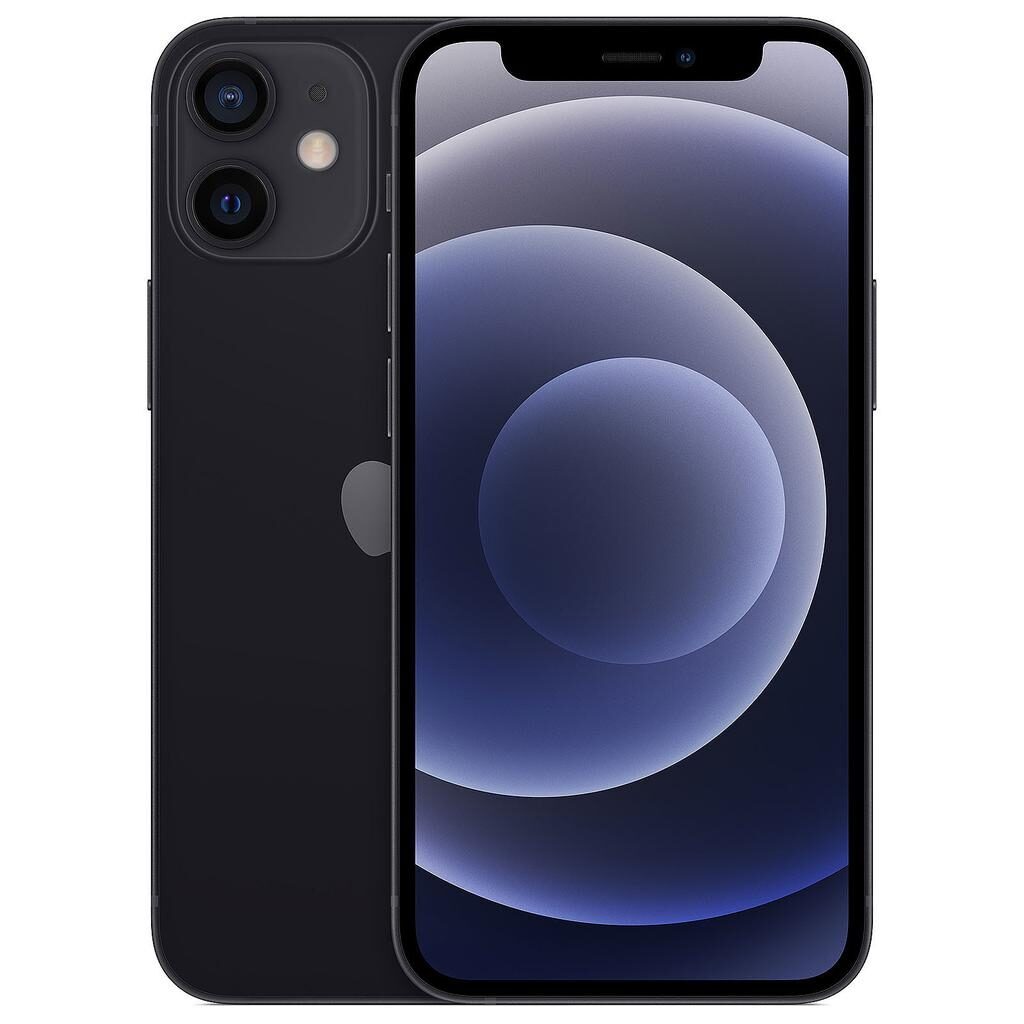
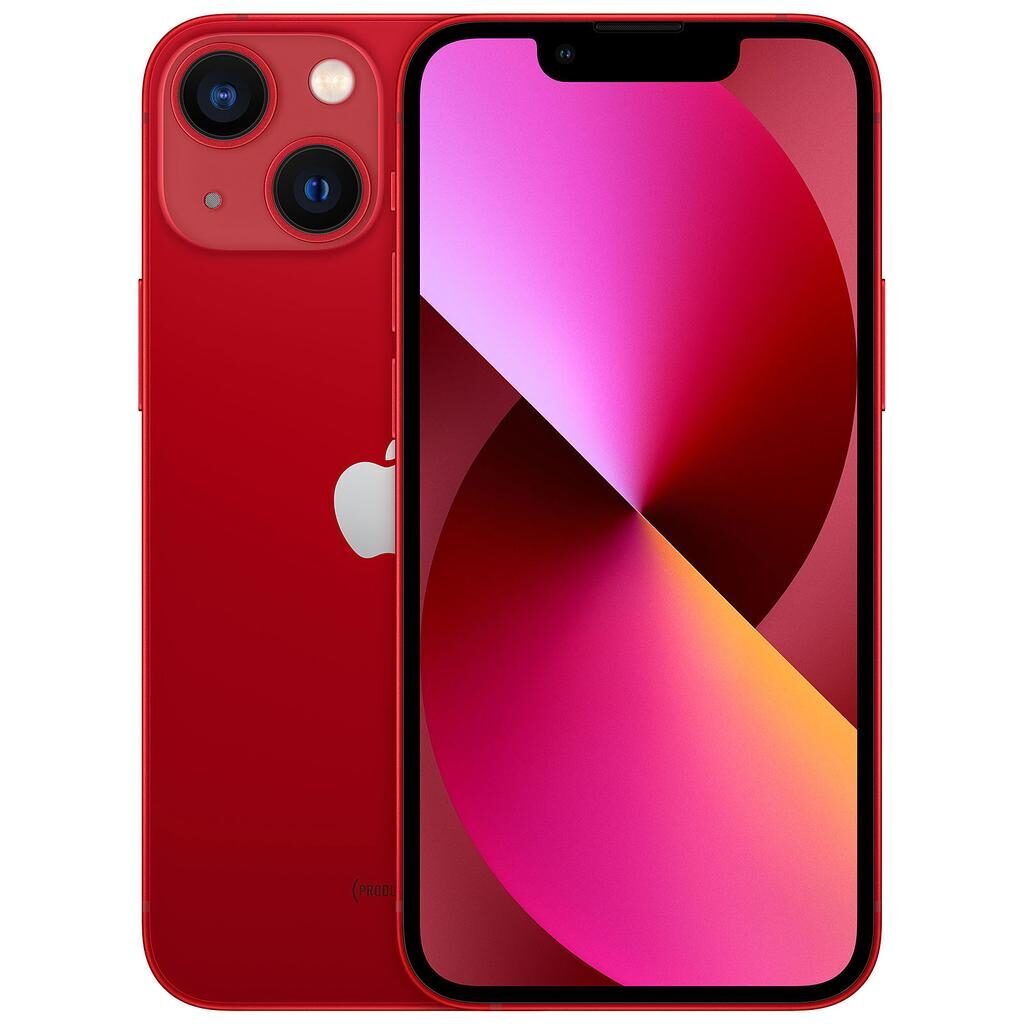
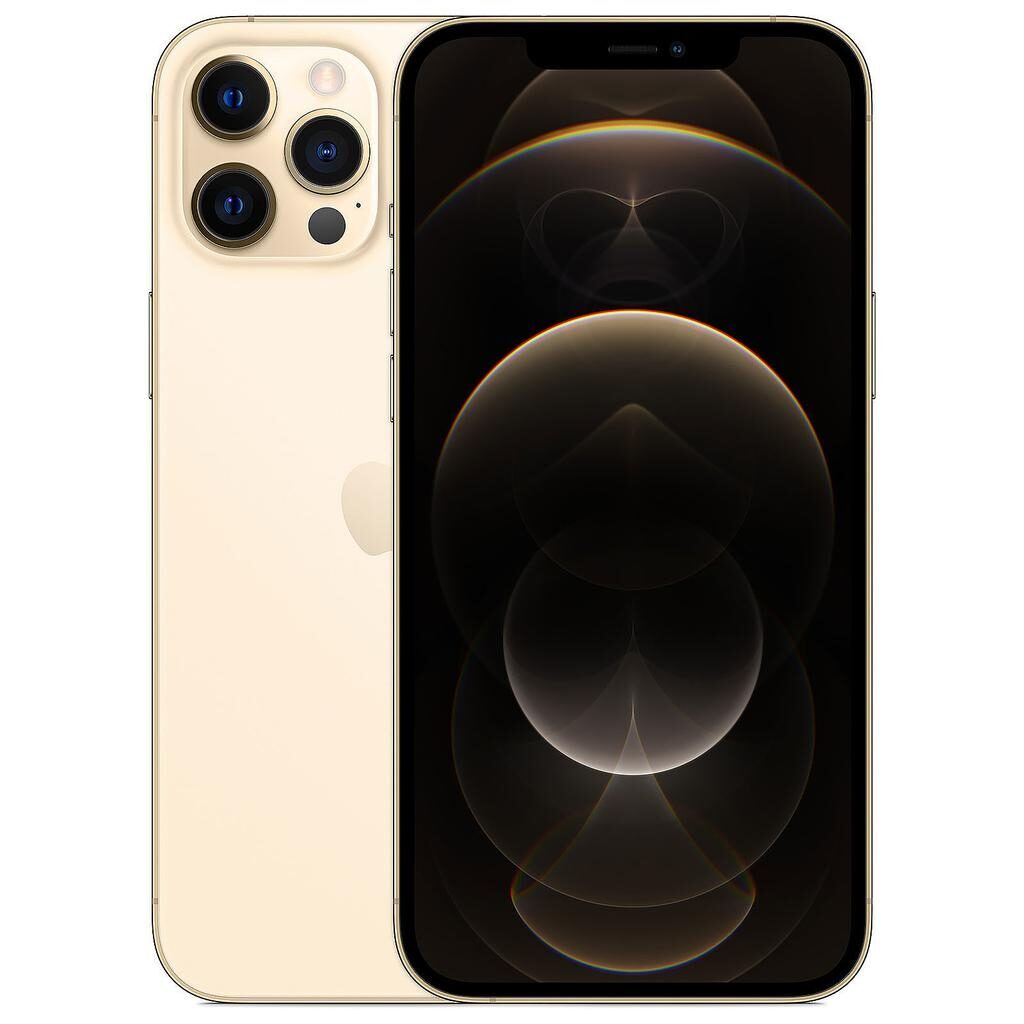
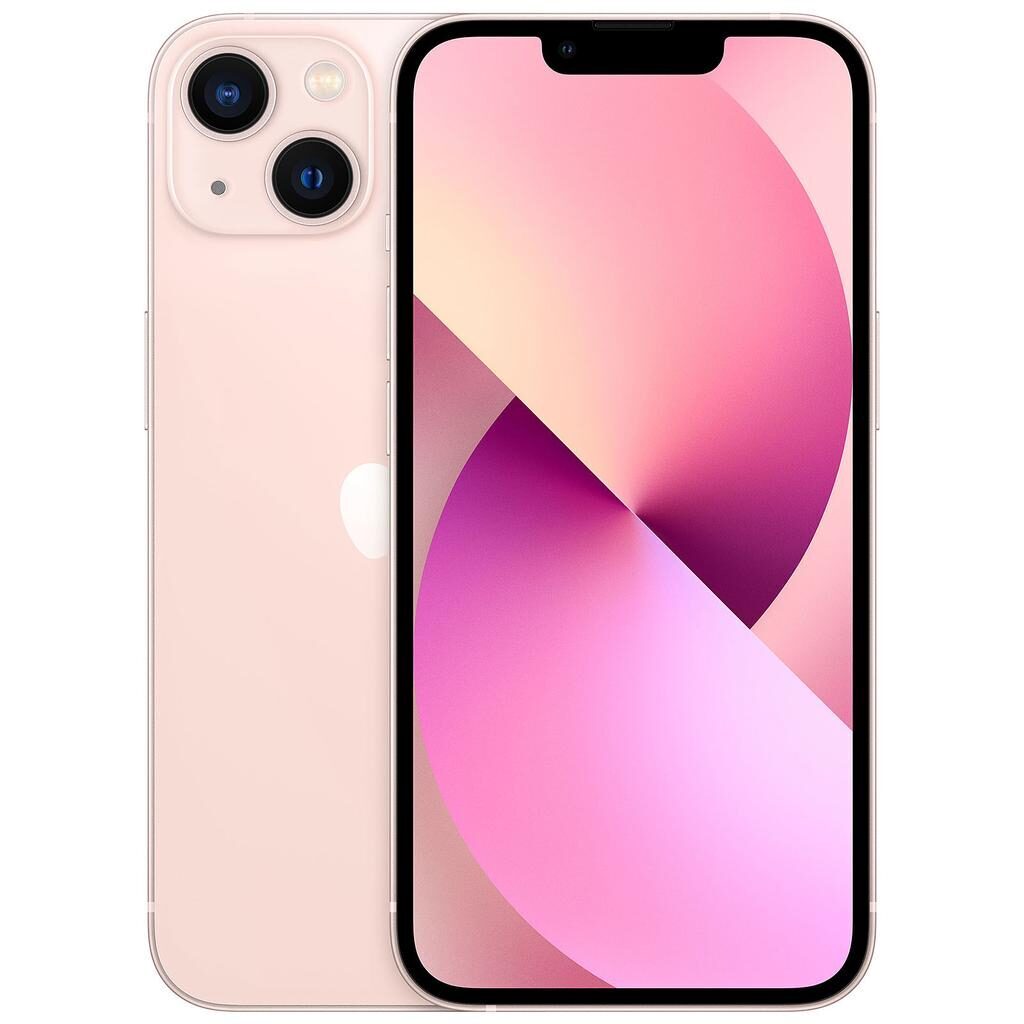
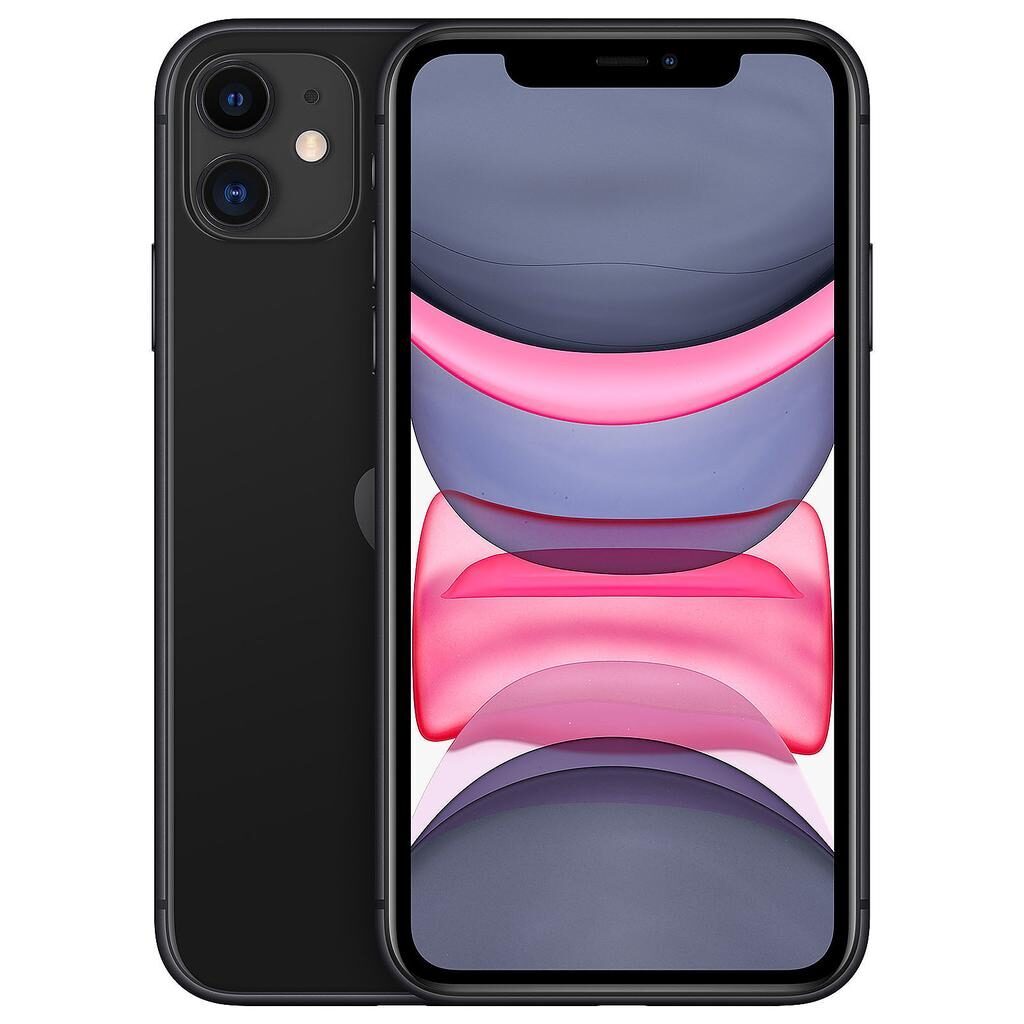
iPhone 12 vs iPhone 16e
Shop iPhone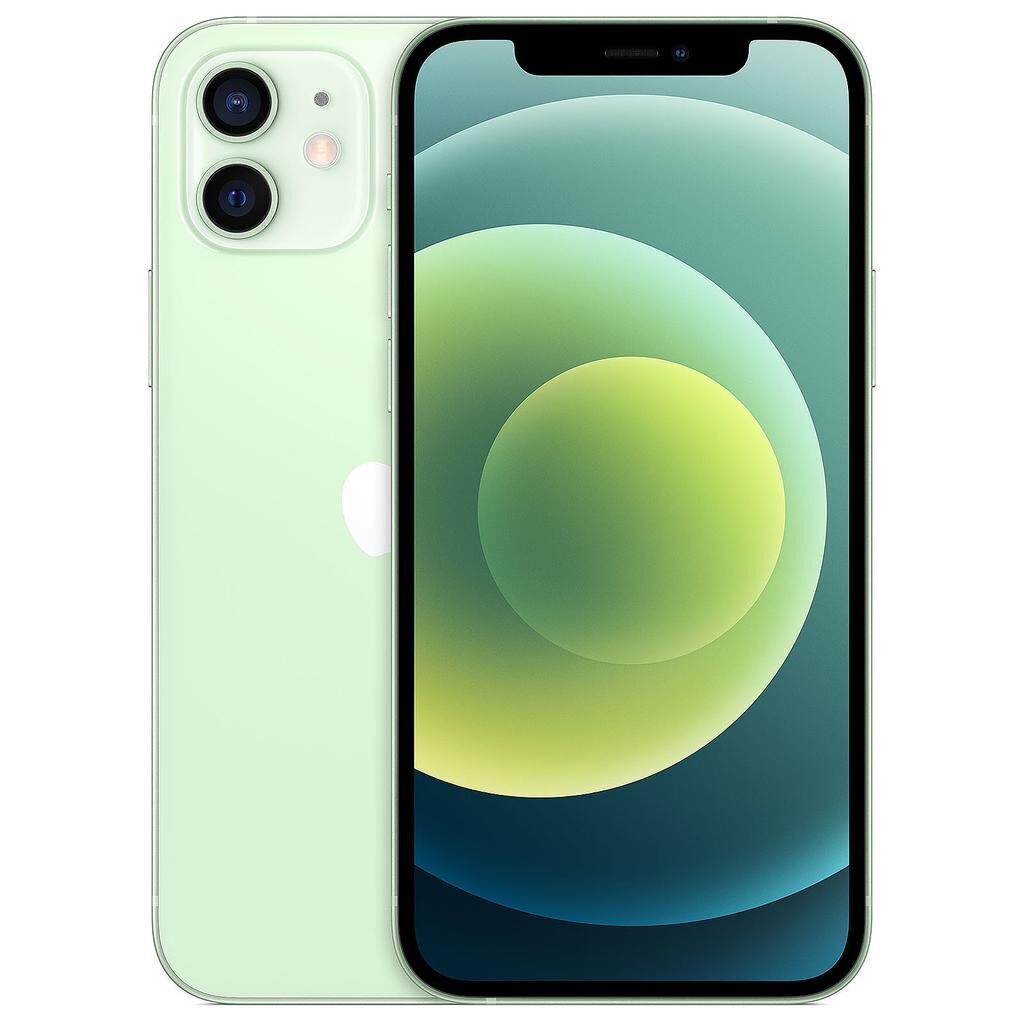
iPhone 12
Starting at
£170.00£649.00 new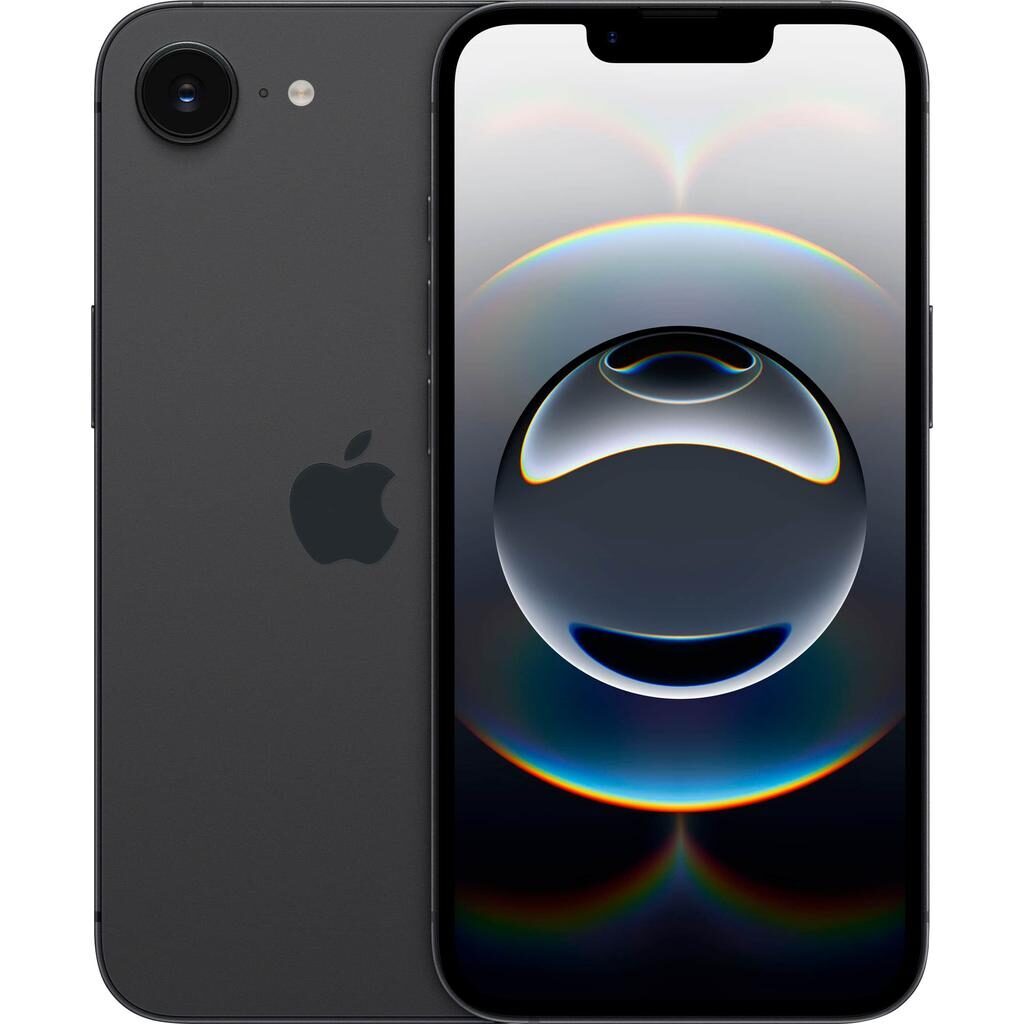
iPhone 16e
Starting at
£478.75£599.00 newWhat's the difference between the iPhone 12 and iPhone 16e?
iPhone 12 vs 16e comes down to the chipset, RAM and battery. Refurbished, the iPhone 12 starts at £170, £308.75 less than the iPhone 16e. The iPhone 16e is the newer model, released in 2025.
Refurbished from
Chipset
RAM
Battery
Main camera
Weight
- Chipset: Apple A14 Bionic (5 nm) on the iPhone 12, Apple A18 (3 nm) on the iPhone 16e.
- The iPhone 16e has more RAM: 8 GB vs 4 GB.
- The iPhone 16e has a bigger battery: 4005 mAh vs 2815 mAh.
iPhone 12 vs iPhone 16e specs
The iPhone 12 and the iPhone 16e share the same screen size and OLED technology, but differ in performance, battery, and connectivity. The iPhone 16e has a larger battery and double the RAM, which can keep more apps open and extend usage between charges. Its chipset is a newer generation with a smaller manufacturing process. Storage options for the iPhone 16e go up to 512GB, while the iPhone 12 offers up to 256GB. The iPhone 12 uses a Lightning connector, while the iPhone 16e switches to USB-C. Both offer 5G and use the same iOS operating system. The iPhone 12 suits those looking for a reliable and capable phone for everyday use, while the iPhone 16e fits users who want more power, longer battery life, and higher storage capacity.
iPhone 12 vs iPhone 16e price
Colour
iPhone 12 vs iPhone 16e battery life and software updates
Durability covers battery capacity and operating system, both of which affect daily use and device longevity. The iPhone 12 and iPhone 16e both run on iOS but differ in battery size.
Battery Capacity
The iPhone 16e has a 4005 mAh battery, which is noticeably larger than the iPhone 12's 2815 mAh. This means the iPhone 16e can typically last longer between charges, which benefits heavy users or those who spend more time away from charging points. The iPhone 12 still offers solid battery life suitable for everyday tasks.
Operating System
Both devices run iOS, providing a familiar and consistent user experience. Choosing between them does not affect access to apps or software features available through the operating system.
Battery
Foldable
Ip rating
Software updates
Wireless charging
Year of release
iPhone 12 vs iPhone 16e performance
Performance depends on chipset, RAM, and storage options. These aspects determine how smoothly the device handles apps, multitasking, and the amount of data you can store.
Chipset Generation
The iPhone 16e features the Apple A18 chipset built on a 3 nm process, compared to the iPhone 12's Apple A14 Bionic on 5 nm. The smaller process of the A18 often means improved efficiency and performance, making the iPhone 16e better suited for users who run demanding apps or multitask frequently.
RAM Size
With 8 GB of RAM, the iPhone 16e can keep more apps open in the background, which supports smoother multitasking. The iPhone 12 offers 4 GB of RAM, which is sufficient for everyday use and standard app switching.
Storage Capacity
The iPhone 16e is available in storage options up to 512GB, allowing space for more photos, videos, and apps. The iPhone 12 offers up to 256GB, which suits users with moderate storage needs or those who use cloud services extensively.
Chipset
RAM
iPhone 12 vs iPhone 16e screen
Screen quality affects how you view content and interact with your device. Both iPhones share the same screen size and technology, but differ slightly in resolution layout.
Resolution and Size
Both the iPhone 12 and iPhone 16e have a 6.1 inch Super Retina XDR OLED screen. The resolution for the iPhone 12 is 1170 x 2532, while the iPhone 16e lists 2532 x 1170. Both resolutions provide sharp and clear displays, ideal for watching videos and reading text. The difference in resolution layout has no practical impact on display quality for most users.
Refresh rate
Resolution
Screen size
Screen type
iPhone 12 vs iPhone 16e camera
Camera type
Front camera
Main camera
iPhone 12 vs iPhone 16e size and design
Other important factors include connectivity, physical dimensions, and charging ports, which affect compatibility and comfort in use.
Connector Type
The iPhone 12 uses a Lightning connector, which is standard for many Apple devices from its era. The iPhone 16e features a USB-C connector, offering compatibility with a wider range of modern chargers and accessories.
Physical Dimensions
Both phones are very similar in size. The iPhone 12 is 146.7 mm tall, 71.5 mm wide, and 7.4 mm deep, weighing 164 g. The iPhone 16e measures 146.7 mm in height, 71.5 mm in width, and 7.8 mm in depth, weighing 167 g. These differences are minimal and both fit comfortably in hand and pocket.
Network and SIM
Both devices support 5G networks and offer unlocked carrier compatibility. Each supports a physical SIM card and eSIM, giving flexibility for network choices.
Carrier compatibility
Connector
Depth
Height
Mobile network
Release date
SD card slot
SIM card
Weight
Width
iPhone 12 or iPhone 16e: which should you buy?
Buy the iPhone 12 if
- you want to spend less: it starts at £170, £308.75 less than the iPhone 16e
- you want a lighter build (162 g vs 167 g)
Buy the iPhone 16e if
- you want more RAM (8 GB vs 4 GB)
- you want a bigger battery (4005 mAh vs 2815 mAh)
- you want a higher-resolution main camera (48 megapixels vs 12 megapixels)
What our customers say
Customers who chose the iPhone 12 appreciate its condition and reliability. Many report that the phone looks and feels like new, with clean screens and frames free of marks. Users find the A14 Bionic chip handles everyday apps and multitasking smoothly. Battery replacements included with some purchases ensure strong battery health. The phone suits those wanting a dependable device with solid performance and reasonable price. Customers also mention that the iPhone 12 meets all their needs without compromise.
Reviews for the iPhone 16e highlight its like-new condition and excellent performance. Users notice the larger battery life and smoother multitasking thanks to the 8 GB RAM. Some mention ease of use with eSIM and the improved speed compared to older iPhones. The storage options and camera quality are also praised. While a few customers experienced minor issues transferring data or network setup, most are very happy with the upgrade from earlier models. The iPhone 16e is suited for those seeking a more powerful phone with higher storage and longer battery life.
Both iPhones receive strong positive feedback for their condition and performance after refurbishment. The iPhone 12 fits those looking for a reliable everyday device, while the iPhone 16e suits users wanting more power, storage, and a modern connector type.
iPhone 12 vs iPhone 16e FAQs
iPhone 12 vs 16e comes down to the chipset, RAM and battery. Chipset: Apple A14 Bionic (5 nm) on the iPhone 12, Apple A18 (3 nm) on the iPhone 16e. The iPhone 16e has more RAM: 8 GB vs 4 GB.
The iPhone 12 is cheaper refurbished, from £170 compared with £478.75 for the iPhone 16e.
The iPhone 16e has a bigger battery: 4005 mAh vs 2815 mAh.
The iPhone 16e has a higher-resolution main camera: 48 megapixels vs 12 megapixels.
The iPhone 12 is still supported and can run iOS 27. The iPhone 16e is still supported and can run iOS 27.
The iPhone 16e adds more RAM (8 GB vs 4 GB), a bigger battery (4005 mAh vs 2815 mAh) and a higher-resolution main camera (48 megapixels vs 12 megapixels). Refurbished, it costs £308.75 more (from £478.75 vs £170).
Refurbished, the iPhone 12 comes in 64GB, 128GB and 256GB, and the iPhone 16e in 128GB, 256GB and 512GB.