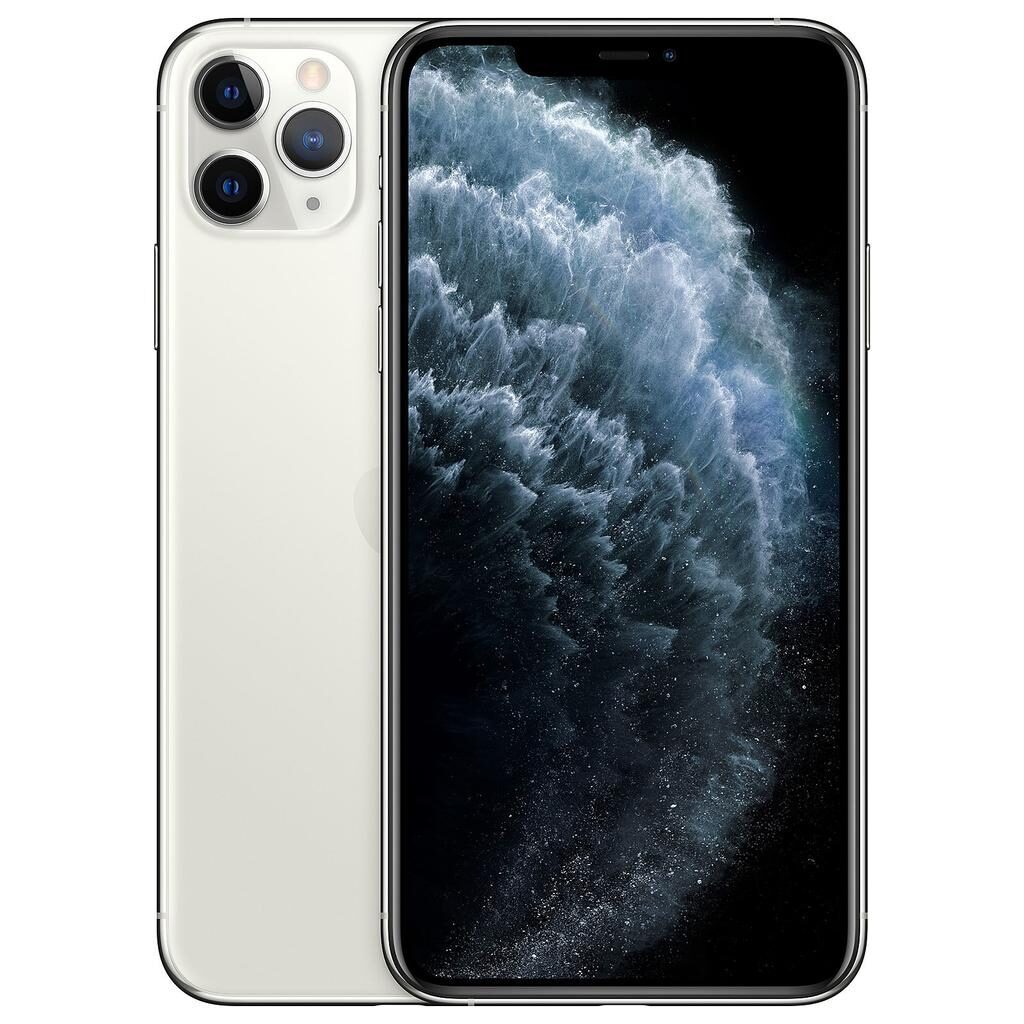
iPhone 11 vs iPhone 8 Plus
Shop iPhone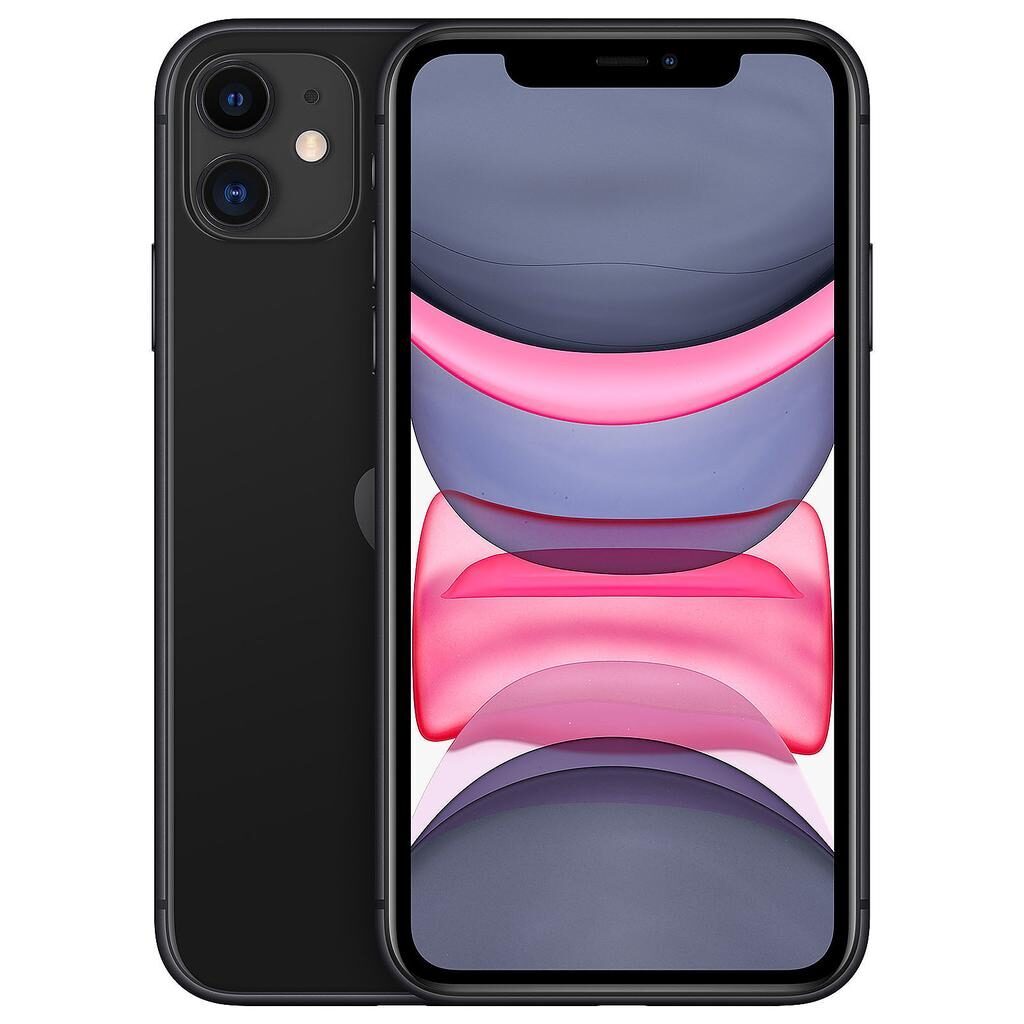
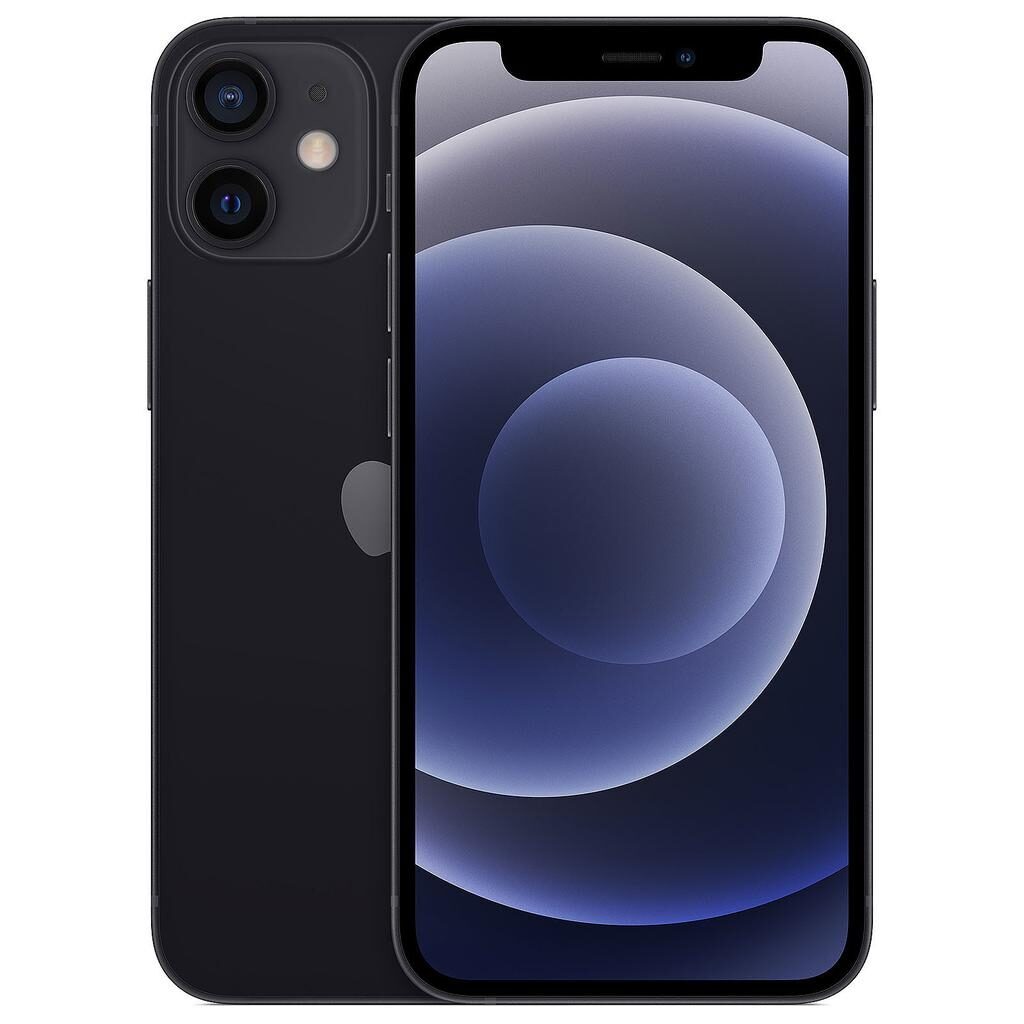
iPhone 11
Starting at
£163.65£489.00 new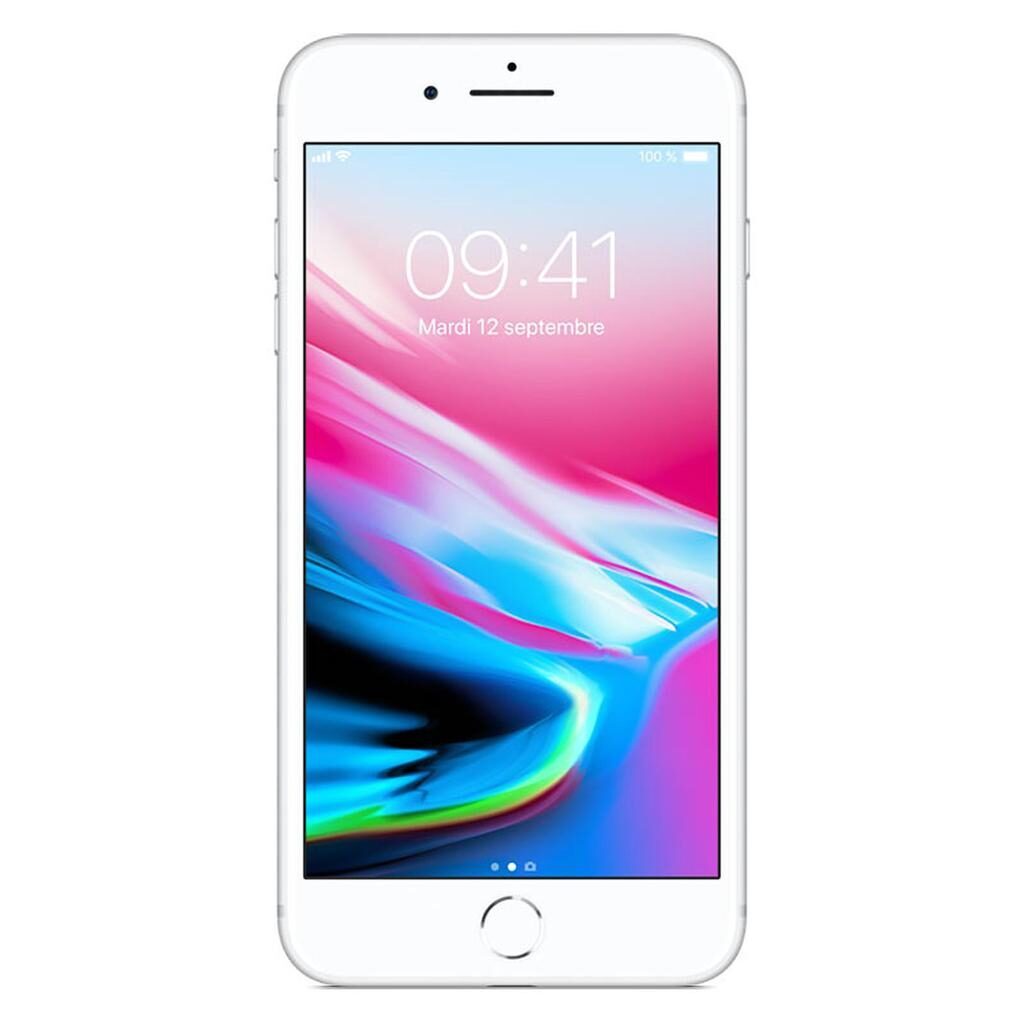
iPhone 8 Plus
Starting at
£100.56£399.00 newWhat's the difference between the iPhone 11 and iPhone 8 Plus?
iPhone 11 vs 8 Plus comes down to the chipset, RAM and battery. Refurbished, the iPhone 8 Plus starts at £100.56, £63.09 less than the iPhone 11. The iPhone 11 is the newer model, released in 2019.
Refurbished from
Chipset
RAM
Battery
Screen size
Screen type
- Chipset: Apple A13 Bionic on the iPhone 11, Apple A11 Bionic on the iPhone 8 Plus.
- The iPhone 11 has more RAM: 4 GB vs 3 GB.
- The iPhone 11 has a bigger battery: 3110 mAh vs 2691 mAh.
iPhone 11 vs iPhone 8 Plus specs
The iPhone 11 and iPhone 8 Plus differ in features that suit different types of users. The iPhone 11 offers a larger screen, more RAM, and a higher capacity battery, making it better for those who want a phone that handles multitasking and longer use between charges. The iPhone 8 Plus has a higher screen resolution and a slightly smaller, more compact body, suiting buyers who prefer a sharper display and a traditional physical SIM card. Both phones share the same main camera resolution but differ in front camera detail, which affects selfies and video calls.
iPhone 11 vs iPhone 8 Plus price
Colour
iPhone 11 vs iPhone 8 Plus battery life and software updates
Durability covers battery capacity, software updates, and physical dimensions. These affect how long the phone lasts in daily use and whether it keeps up with new software.
Battery Capacity
The iPhone 11 has a 3110 mAh battery, which suits users who want longer usage between charges. The iPhone 8 Plus has a 2691 mAh battery, which fits those with lighter daily use or who charge more often.
Physical Size and Weight
The iPhone 11 measures 150.9 mm in height and 75.7 mm in width, weighing 194 g. It is slightly lighter and narrower than the iPhone 8 Plus, which measures 158.4 mm in height, 78.1 mm in width, and weighs 202 g. Buyers who prefer a more compact or lighter phone may find the iPhone 11 suits them better.
Battery
Foldable
Ip rating
Software updates
Wireless charging
Year of release
iPhone 11 vs iPhone 8 Plus performance
Performance depends on the chipset, RAM, and storage options. These affect speed, multitasking, and space for apps and media.
Processor and RAM
The iPhone 11 features the Apple A13 Bionic chipset and 4 GB of RAM, providing smooth multitasking and handling of demanding apps. The iPhone 8 Plus uses the Apple A11 Bionic with 3 GB of RAM, suitable for everyday use and lighter multitasking.
Storage Options
The iPhone 11 comes in 64GB, 128GB, and 256GB variants, offering more flexibility for users needing extra space for media and apps. The iPhone 8 Plus is stocked in 64GB and 256GB options, which covers basic to higher storage needs but without the mid-tier choice.
Chipset
RAM
iPhone 11 vs iPhone 8 Plus screen
Screen quality includes size, resolution, and type. These factors influence how videos, photos, and apps appear.
Screen Size and Type
The iPhone 11 has a 6.1 inch Liquid Retina IPS LCD screen, which offers a larger viewing area suitable for watching videos and browsing. The iPhone 8 Plus has a smaller 5.5 inch Retina IPS LCD screen, making it more compact and easier to hold for users preferring a smaller display.
Resolution
The iPhone 8 Plus has a higher resolution of 1080 x 1920 pixels, which means a sharper and more detailed image. The iPhone 11 has a resolution of 828 x 1792 pixels, which fits its larger screen but provides less pixel density, better suited to users who prioritise screen size over pixel sharpness.
Resolution
Screen size
Screen type
iPhone 11 vs iPhone 8 Plus camera
Audiovisual features focus on cameras, which affect photo and video quality, especially for selfies and video calls.
Front Camera
The iPhone 11 has a 12 megapixel front camera, capturing more detail for selfies and video chats. The iPhone 8 Plus has a 7 megapixel front camera, which suits users with basic selfie needs.
Main Camera
Both the iPhone 11 and iPhone 8 Plus have a 12 megapixel main camera, offering similar detail for photos and videos. This makes both phones capable for everyday photography.
Camera type
Front camera
Main camera
iPhone 11 vs iPhone 8 Plus size and design
Additional features include SIM options, network support, and physical dimensions that affect daily use and connectivity.
SIM Card Options
The iPhone 11 supports both a physical SIM and eSIM, giving users more flexibility with carriers and dual SIM use. The iPhone 8 Plus uses a physical SIM only, fitting users with standard SIM needs.
Weight and Dimensions
The iPhone 11 weighs 194 g and measures 8.3 mm in depth, 150.9 mm in height, and 75.7 mm in width. The iPhone 8 Plus is slightly heavier at 202 g, with a depth of 7.5 mm, height of 158.4 mm, and width of 78.1 mm. Users looking for a lighter device may prefer the iPhone 11, while those wanting a slightly thinner phone might choose the iPhone 8 Plus.
Network Compatibility
Both devices support 4G mobile networks and come unlocked, making them suitable for use with any UK carrier.
Connector Type
Both the iPhone 11 and iPhone 8 Plus use the Lightning connector for charging and accessories, allowing compatibility with a wide range of existing iPhone chargers and peripherals.
Carrier compatibility
Connector
Depth
Height
Mobile network
Release date
SD card slot
SIM card
Weight
Width
iPhone 11 or iPhone 8 Plus: which should you buy?
Buy the iPhone 11 if
- you want more RAM (4 GB vs 3 GB)
- you want a bigger battery (3110 mAh vs 2691 mAh)
- you want a bigger screen (6.1 inch vs 5.5 inch)
Buy the iPhone 8 Plus if
- you want to spend less: it starts at £100.56, £63.09 less than the iPhone 11
What our customers say
Customers who chose the iPhone 11 often mention the phone looks like new and has excellent battery health, with many noting smooth performance and a good condition screen. Several customers appreciate the battery lasting well and the phone running without problems after purchase. Some mention minor screen protector bubbles or light scratches but still express overall satisfaction. The larger screen, better front camera, and updated software support are appreciated by users wanting a device that meets everyday and more demanding needs. One customer noted battery drain but this was addressed.
Reviews for the iPhone 8 Plus highlight its excellent physical condition and good performance for everyday use. Some customers mention the phone does not support the latest iOS updates, which affects app compatibility. The screen is praised for its appearance and build quality, though one user noted some text cut off at the bottom of the screen. Battery life varies, with some users experiencing shorter usage times. The phone suits buyers looking for solid performance with a sharper screen in a slightly smaller size.
Overall, the iPhone 11 suits those wanting longer battery life, newer software, and a larger screen, while the iPhone 8 Plus fits buyers preferring a sharper display and simpler SIM setup. Both devices are liked for their condition and usability by different customer groups.
iPhone 11 vs iPhone 8 Plus FAQs
iPhone 11 vs 8 Plus comes down to the chipset, RAM and battery. Chipset: Apple A13 Bionic on the iPhone 11, Apple A11 Bionic on the iPhone 8 Plus. The iPhone 11 has more RAM: 4 GB vs 3 GB.
The iPhone 8 Plus is cheaper refurbished, from £100.56 compared with £163.65 for the iPhone 11.
The iPhone 11 has a bigger battery: 3110 mAh vs 2691 mAh.
Both have the same main camera: 12 megapixels.
The iPhone 11 is still supported and can run iOS 27. Updates for the iPhone 8 Plus ended in Mar 2025. Its last version is iOS 16.
The iPhone 11 adds more RAM (4 GB vs 3 GB), a bigger battery (3110 mAh vs 2691 mAh) and a bigger screen (6.1 inch vs 5.5 inch). Refurbished, it costs £63.09 more (from £163.65 vs £100.56).
Refurbished, the iPhone 11 comes in 64GB, 128GB and 256GB, and the iPhone 8 Plus in 64GB and 256GB.