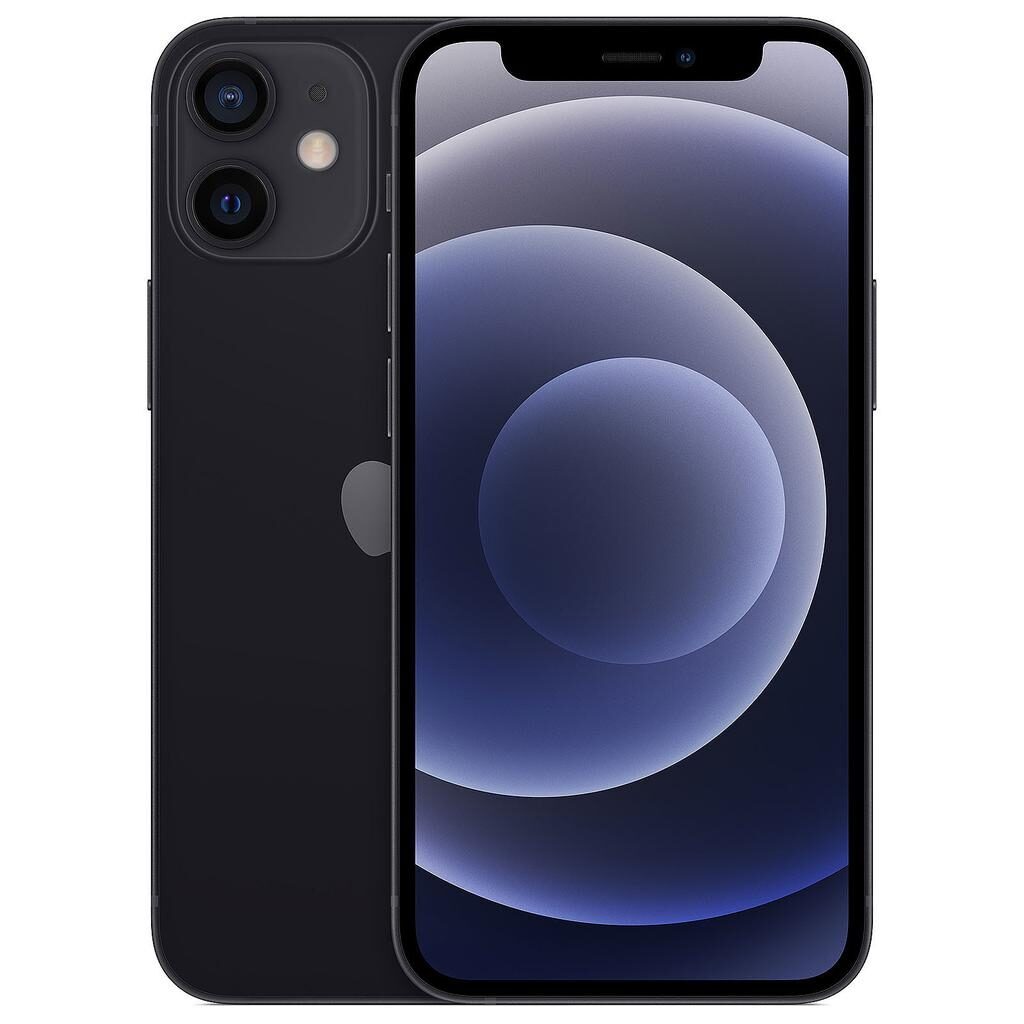
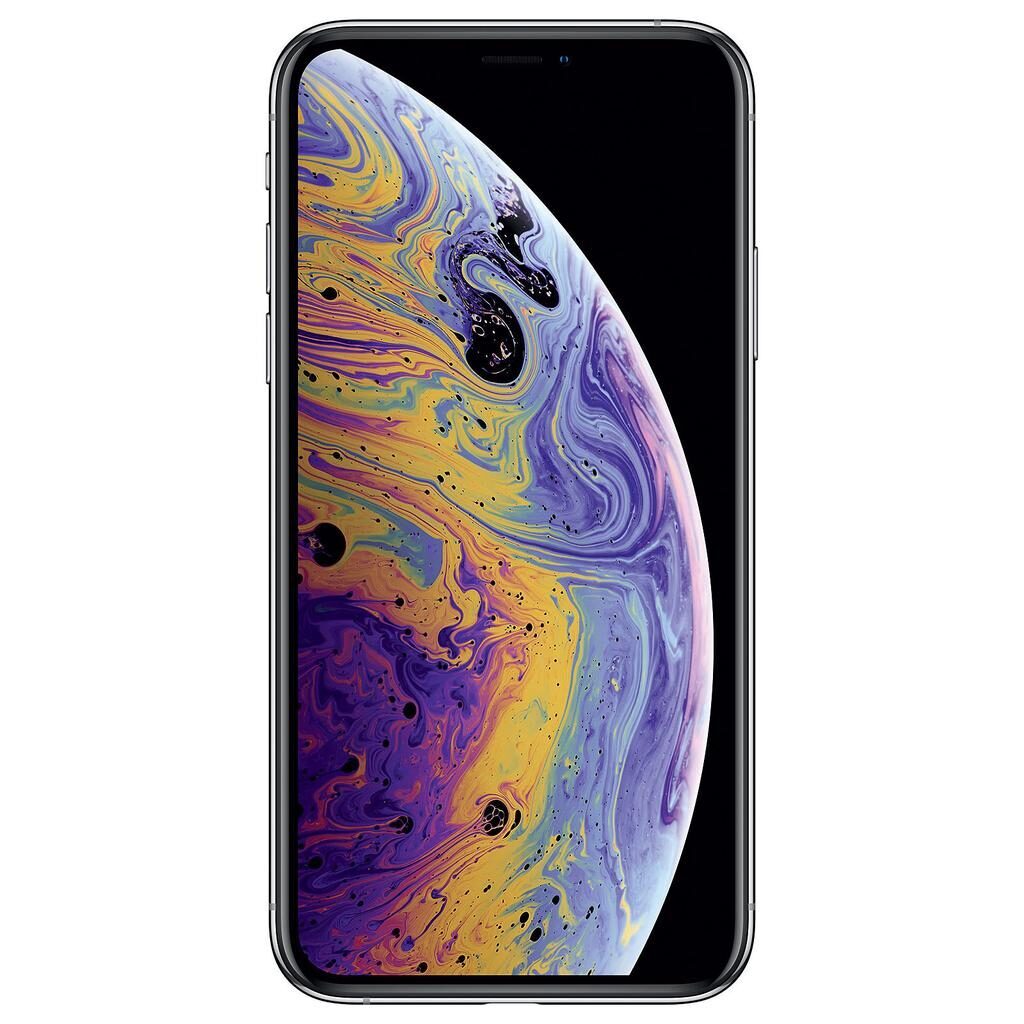
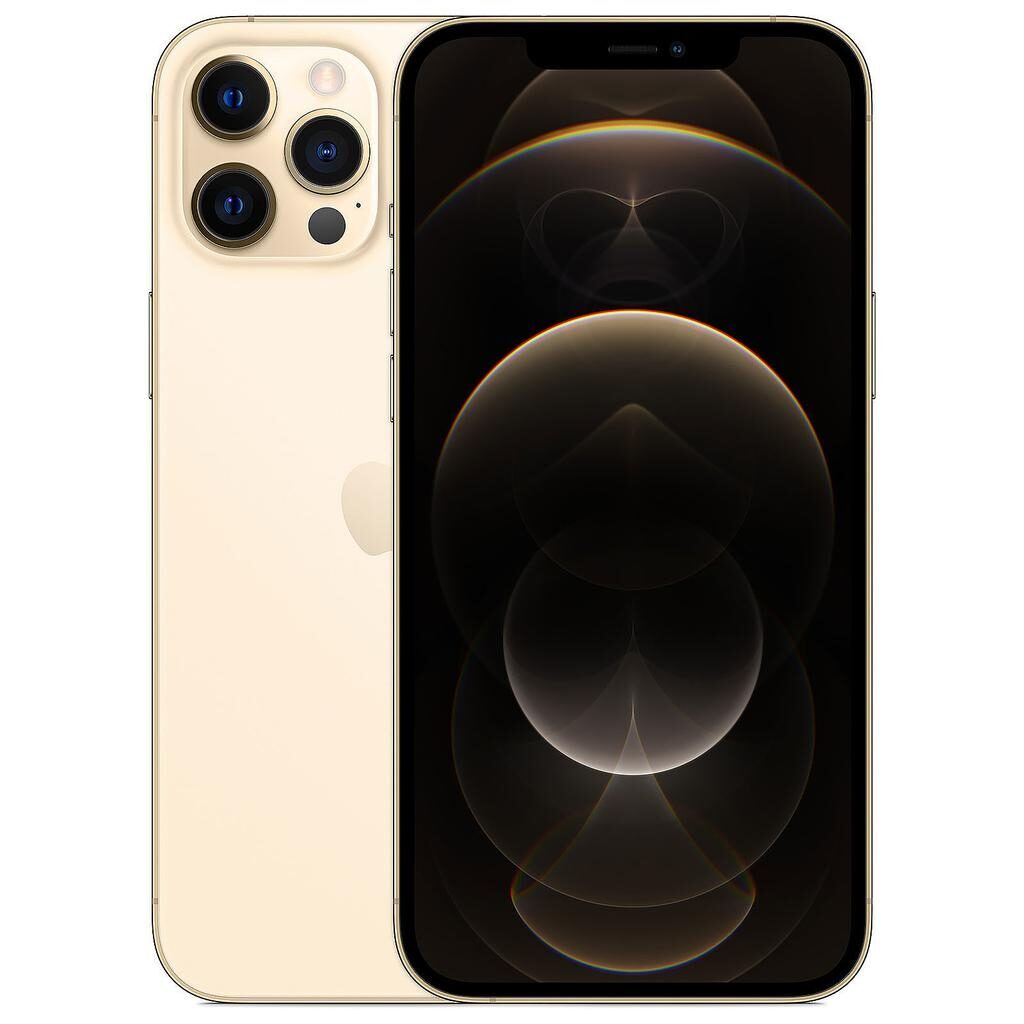
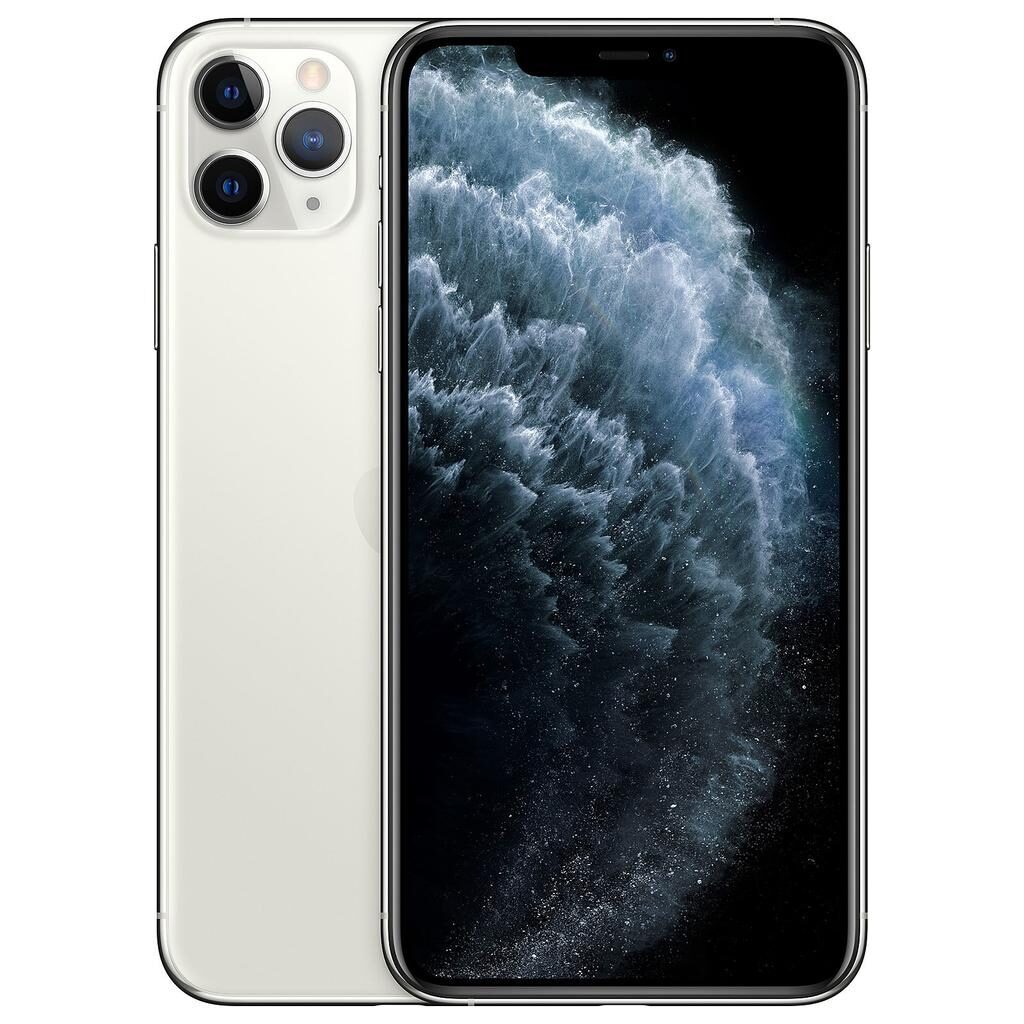
iPhone 11 vs iPhone 16e
Shop iPhone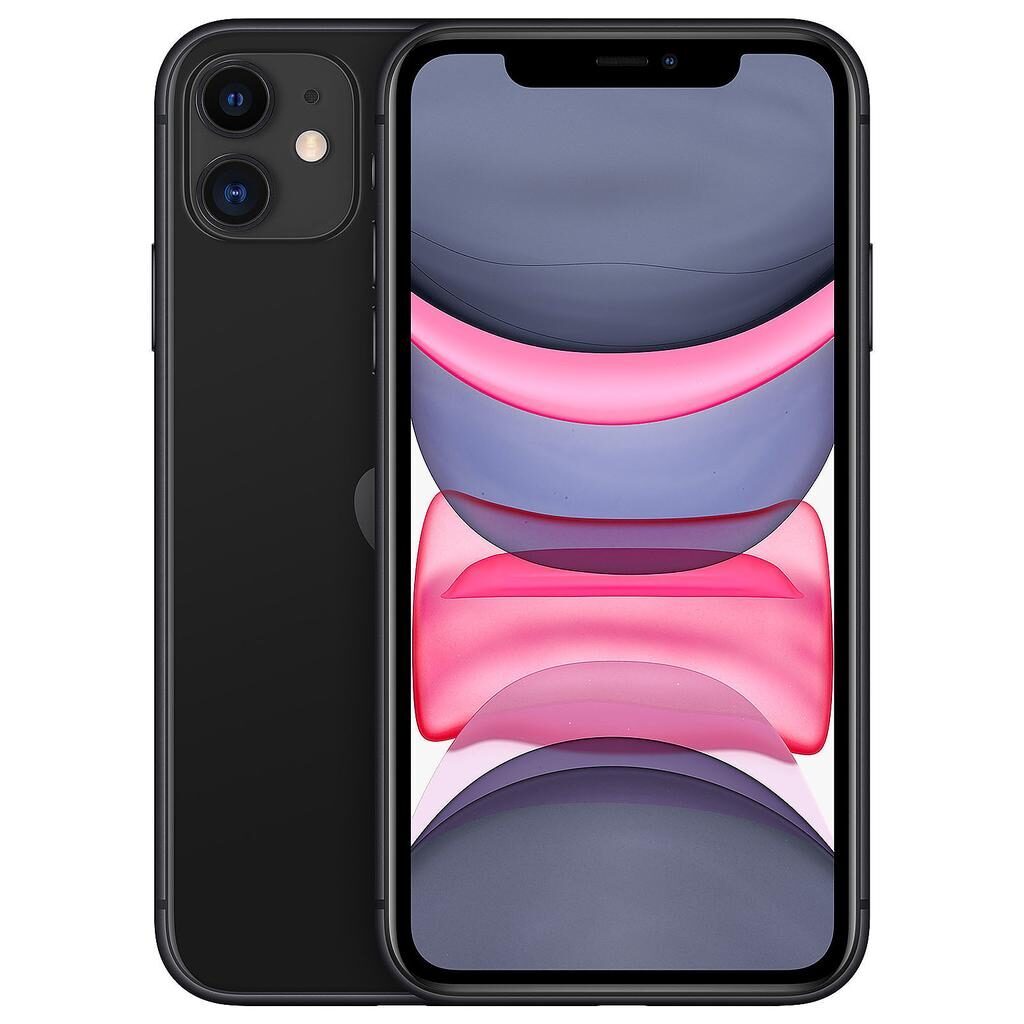
iPhone 11
Starting at
£163.65£489.00 new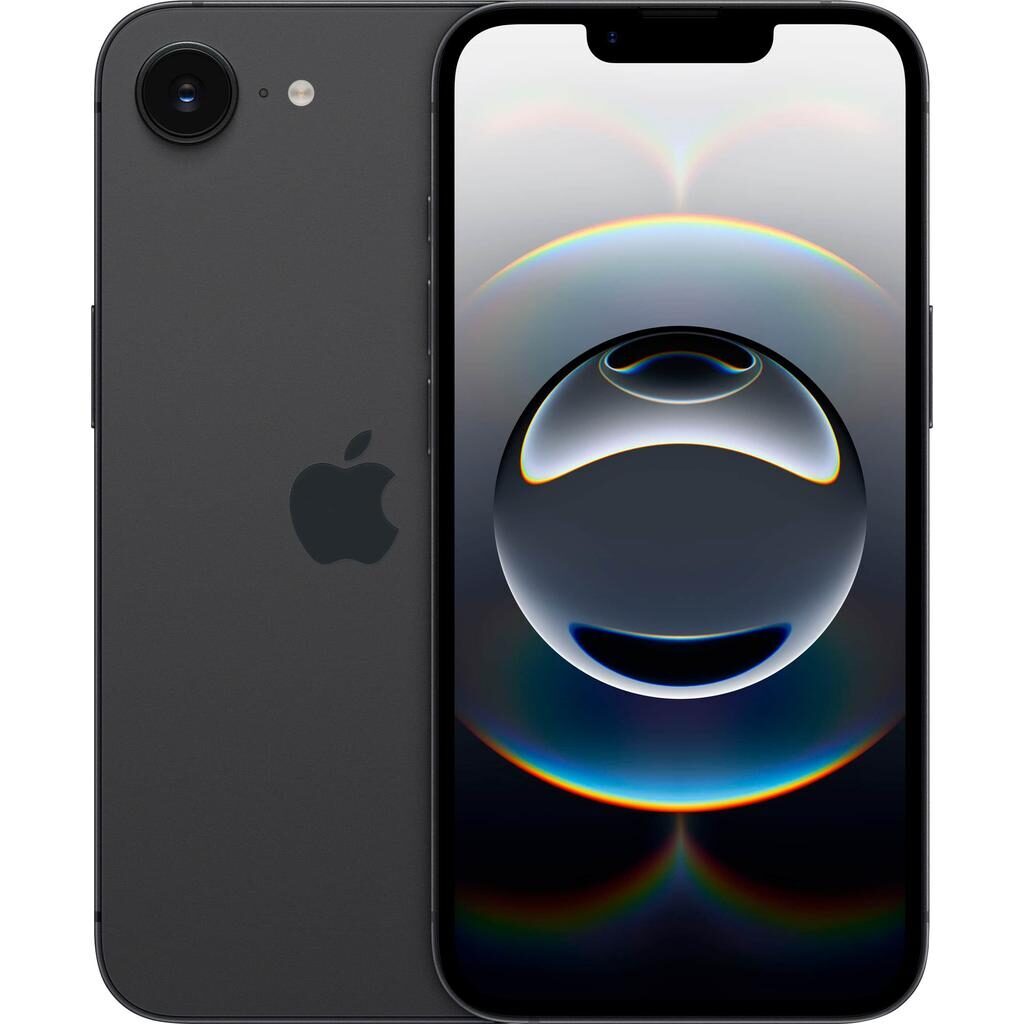
iPhone 16e
Starting at
£478.75£599.00 newWhat's the difference between the iPhone 11 and iPhone 16e?
iPhone 11 vs 16e comes down to the chipset, RAM and battery. Refurbished, the iPhone 11 starts at £163.65, £315.10 less than the iPhone 16e. The iPhone 16e is the newer model, released in 2025.
Refurbished from
Chipset
RAM
Battery
Screen type
Main camera
- Chipset: Apple A13 Bionic on the iPhone 11, Apple A18 (3 nm) on the iPhone 16e.
- The iPhone 16e has more RAM: 8 GB vs 4 GB.
- The iPhone 16e has a bigger battery: 4005 mAh vs 3110 mAh.
iPhone 11 vs iPhone 16e specs
The iPhone 11 and iPhone 16e share the same screen size and both run iOS, but they differ in several key ways that suit different needs. The iPhone 11 offers a Liquid Retina IPS LCD screen and 4 GB of RAM. It is a solid choice for everyday use and users who prefer a familiar Lightning connector. The iPhone 16e offers a sharper, brighter Super Retina XDR OLED display, more RAM, a larger battery, and 5G support. It also uses USB-C for charging. This makes the iPhone 16e better suited for users who want higher performance, longer battery life, and faster mobile connectivity. Storage options also vary, with the iPhone 16e offering up to 512GB compared to 256GB on the iPhone 11.
iPhone 11 vs iPhone 16e price
Colour
iPhone 11 vs iPhone 16e battery life and software updates
Durability covers battery capacity and operating system, which contribute to how long the devices last on a charge and their core software experience.
Battery Capacity
The iPhone 16e has a 4005 mAh battery, which is larger than the iPhone 11's 3110 mAh. This means the iPhone 16e can last longer between charges, making it suitable for users who need extended battery life during busy days or travel.
Operating System
Both the iPhone 11 and iPhone 16e run iOS, ensuring a familiar interface and access to the same apps. Users moving between these devices will find a consistent software experience.
Battery
Foldable
Ip rating
Software updates
Wireless charging
Year of release
iPhone 11 vs iPhone 16e performance
Performance depends on the chipset, RAM, and storage options you choose, which affect speed, multitasking, and space for your files and apps.
Chipset and RAM
The iPhone 11 uses the Apple A13 Bionic chipset with 4 GB RAM, which handles everyday apps and tasks smoothly. The iPhone 16e features the Apple A18 (3 nm) chipset with 8 GB RAM, offering more power and memory. This suits users who run multiple apps at once or use demanding software.
Storage Options
The iPhone 11 is available in 64GB, 128GB, and 256GB storage capacities, suitable for users with moderate storage needs. The iPhone 16e offers 128GB, 256GB, and 512GB, making it a better option for those who store large amounts of media or apps.
Chipset
RAM
iPhone 11 vs iPhone 16e screen
Screen quality affects how content looks, with resolution, type, and size shaping your viewing experience for videos, photos, and reading.
Screen Resolution
The iPhone 16e has a higher resolution of 2532 x 1170 compared to the iPhone 11's 828 x 1792. This means sharper images and crisper text on the iPhone 16e, ideal for users who watch high-definition videos or want finer detail in photos.
Screen Type
The iPhone 11 uses a Liquid Retina IPS LCD screen, while the iPhone 16e has a Super Retina XDR OLED display. OLED screens offer better contrast and deeper blacks, which benefits users who value vivid colours and a more immersive viewing experience.
Screen Size
Both devices have a 6.1 inch screen, so they offer the same amount of display space. Users switching between these phones will find the size familiar and comfortable for daily use.
Resolution
Screen size
Screen type
iPhone 11 vs iPhone 16e camera
Front camera
Main camera
iPhone 11 vs iPhone 16e size and design
Miscellaneous features include network support, connectors, size, and weight, which shape how you use and carry the device.
Mobile Network
The iPhone 11 supports 4G networks, suitable for users who do not require the fastest mobile data speeds. The iPhone 16e supports 5G, offering faster download and upload speeds, which benefits users who stream, game, or work on the go.
Connector Type
The iPhone 11 uses a Lightning connector, familiar to many Apple users for charging and accessories. The iPhone 16e uses USB-C, common across many devices, allowing easier compatibility with newer chargers and peripherals.
Size and Weight
The iPhone 16e is slightly smaller and lighter, measuring 146.7 mm in height, 71.5 mm in width, 7.8 mm in depth, and weighing 167 g. The iPhone 11 is 150.9 mm tall, 75.7 mm wide, 8.3 mm deep, and weighs 194 g. The iPhone 16e's dimensions and lower weight may appeal to those seeking a more compact and lighter phone.
SIM and Carrier Compatibility
Both phones come unlocked and support a physical SIM with eSIM, giving flexibility for different network setups and travel.
Carrier compatibility
Connector
Depth
Height
Mobile network
Release date
SD card slot
SIM card
Weight
Width
iPhone 11 or iPhone 16e: which should you buy?
Buy the iPhone 11 if
- you want to spend less: it starts at £163.65, £315.10 less than the iPhone 16e
Buy the iPhone 16e if
- you want more RAM (8 GB vs 4 GB)
- you want a bigger battery (4005 mAh vs 3110 mAh)
- you want an OLED screen
What our customers say
Customers who bought the iPhone 11 praise its condition and performance, often mentioning that the battery health is excellent even on refurbished units. Many say the phone looks perfect or nearly new, with only minor cosmetic issues in some cases. Users find the iPhone 11 smooth for everyday use and good value at its price. Some note the battery life is adequate, though a few mention it drains quicker than expected. Overall, buyers recommend the iPhone 11 for reliable daily performance and good condition in refurbished form.
The iPhone 16e receives positive feedback for looking and working like new, with several customers highlighting its excellent battery health and smooth data transfer from older devices. Buyers appreciate the speed, battery life, and screen quality improvements, with some noting the 5G support and USB-C connector as helpful features. A few customers experienced some minor issues with data transfer or network setup, but these are not typical. The phone is described as excellent for users upgrading from older models or those wanting a premium-feeling device.
Both phones suit different users well. The iPhone 11 is a dependable option for everyday tasks with solid battery and condition, while the iPhone 16e fits those wanting more power, storage, and faster connectivity in a lighter, slightly smaller device.
iPhone 11 vs iPhone 16e FAQs
iPhone 11 vs 16e comes down to the chipset, RAM and battery. Chipset: Apple A13 Bionic on the iPhone 11, Apple A18 (3 nm) on the iPhone 16e. The iPhone 16e has more RAM: 8 GB vs 4 GB.
The iPhone 11 is cheaper refurbished, from £163.65 compared with £478.75 for the iPhone 16e.
The iPhone 16e has a bigger battery: 4005 mAh vs 3110 mAh.
The iPhone 16e has a higher-resolution main camera: 48 megapixels vs 12 megapixels.
The iPhone 11 is still supported and can run iOS 27. The iPhone 16e is still supported and can run iOS 27.
The iPhone 16e adds more RAM (8 GB vs 4 GB), a bigger battery (4005 mAh vs 3110 mAh) and an OLED screen. Refurbished, it costs £315.10 more (from £478.75 vs £163.65).
Refurbished, the iPhone 11 comes in 64GB, 128GB and 256GB, and the iPhone 16e in 128GB, 256GB and 512GB.