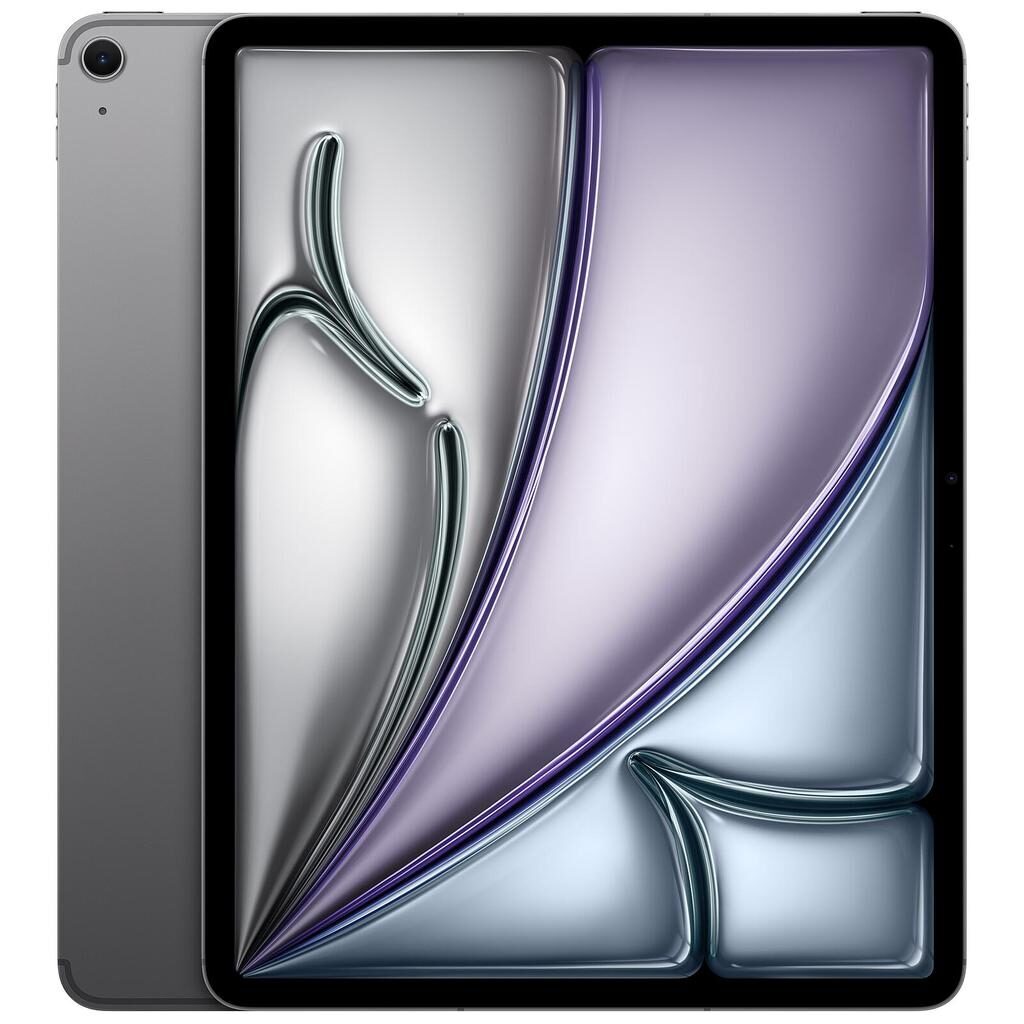
iPad Air 7 (2025, M3 series) vs iPad Pro (2024, M4 series)
Shop iPad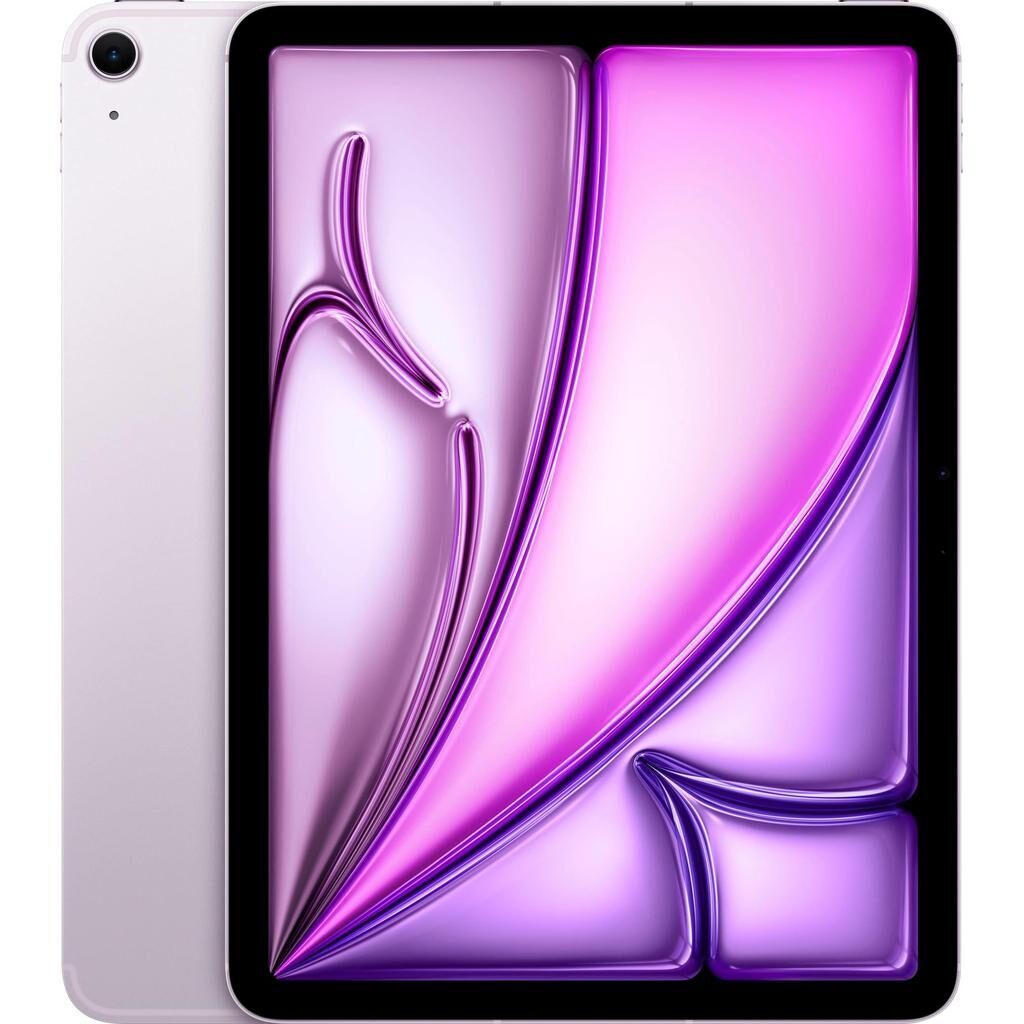
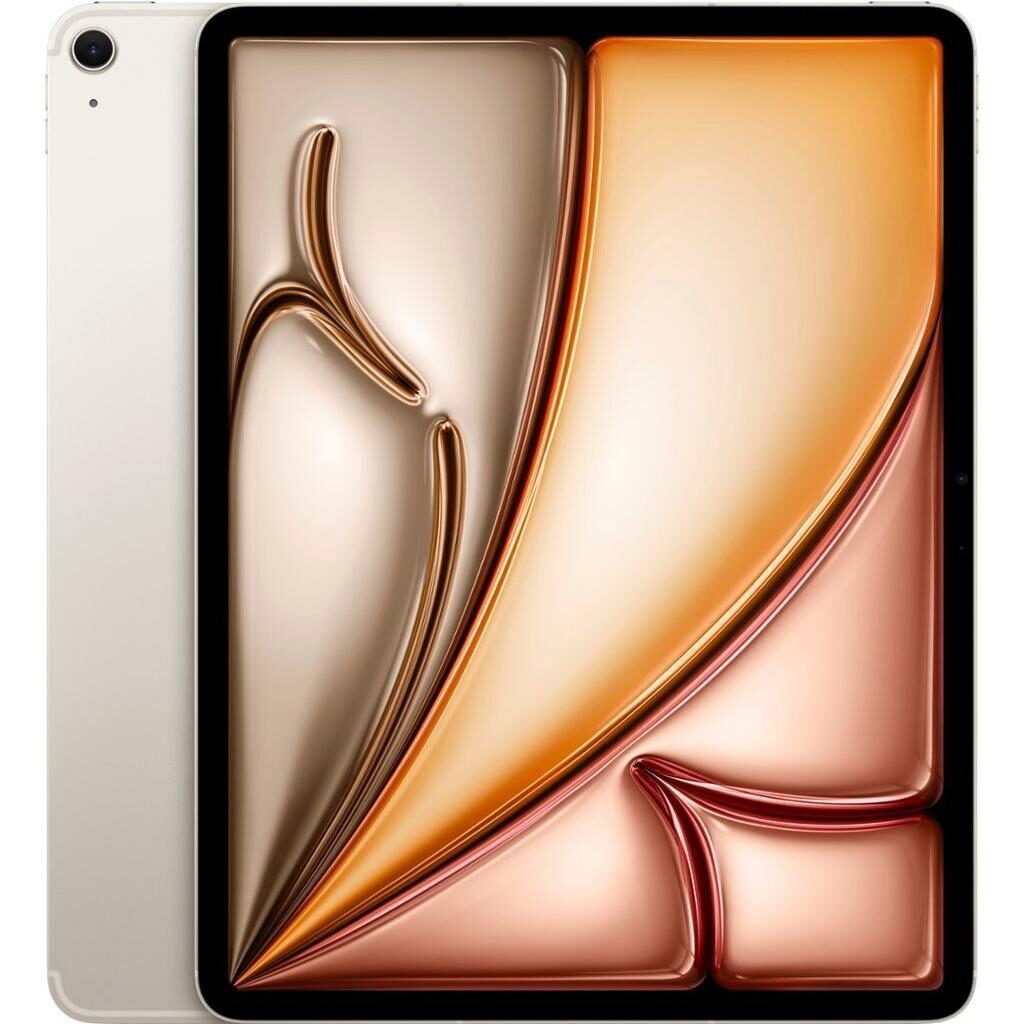
iPad Air 7 (2025, M3 series)
Starting at
£496.00£749.00 new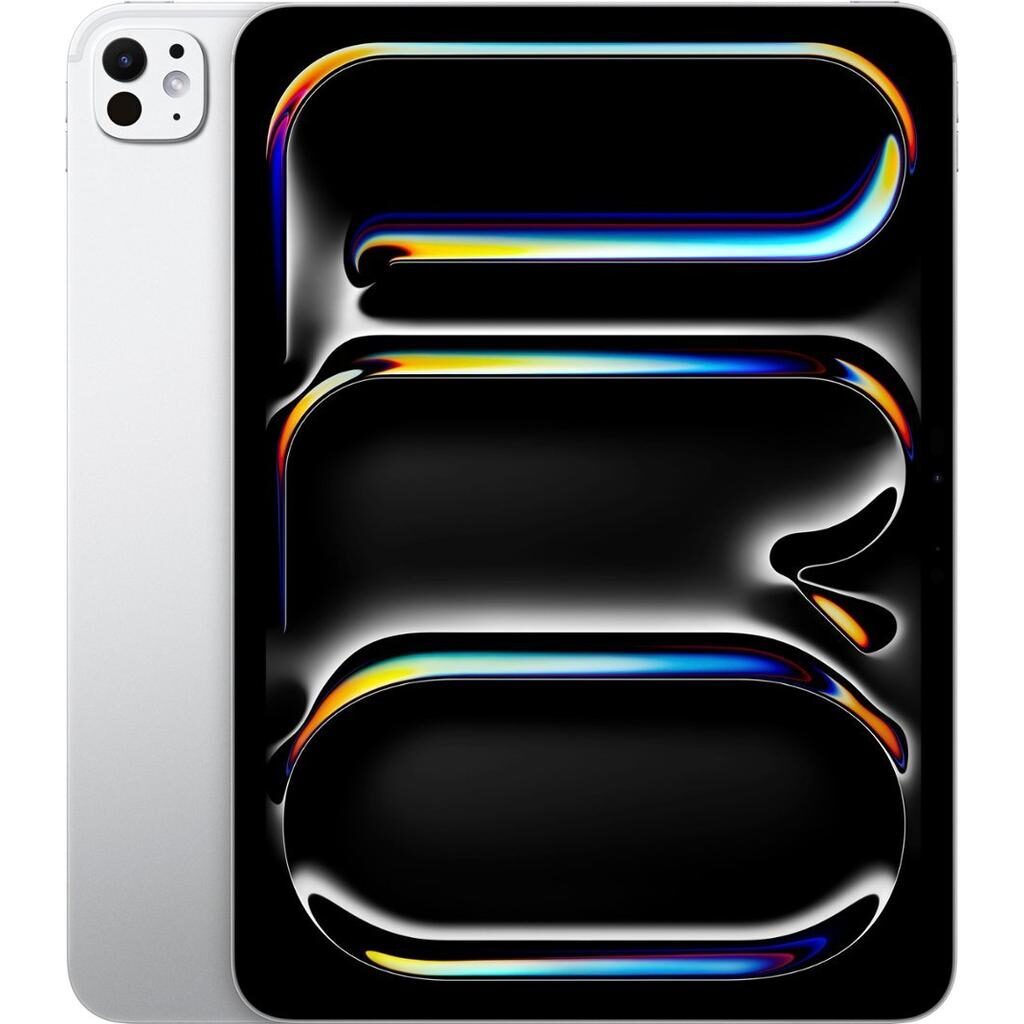
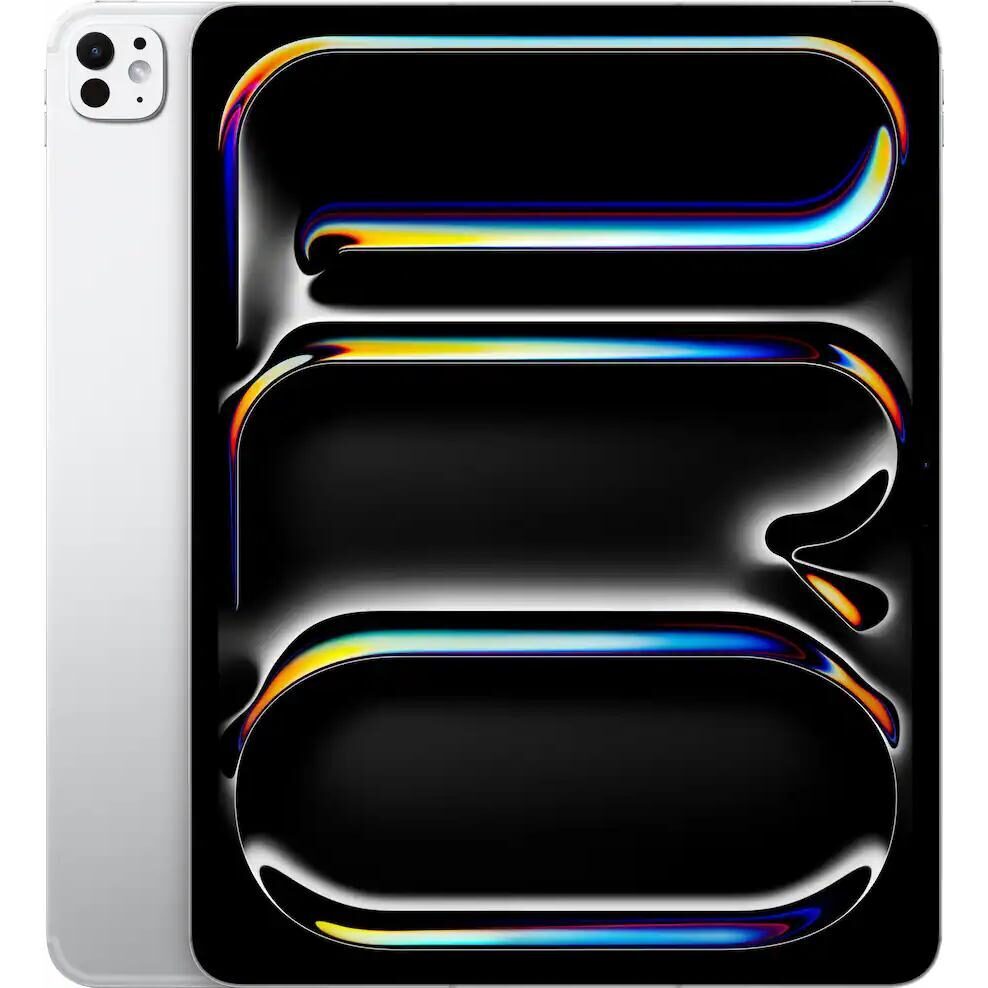
iPad Pro (2024, M4 series)
Starting at
£929.37£1,098.90 newWhat's the difference between the iPad Air 7 (2025, M3 series) and iPad Pro (2024, M4 series)?
iPad Air 7 (2025, M3 series) vs iPad Pro (2024, M4 series) comes down to the screen size, screen type and weight. Refurbished, the iPad Air 7 (2025, M3 series) starts at £496, £433.37 less than the iPad Pro (2024, M4 series). The iPad Air 7 (2025, M3 series) is the newer model, released in 2025.
Refurbished from
Screen size
Screen type
Weight
- The iPad Pro (2024, M4 series) has a bigger screen: 13 inch vs 11 inch.
- Screen type: Liquid Retina display on the iPad Air 7 (2025, M3 series), Ultra Retina XDR display on the iPad Pro (2024, M4 series).
- The iPad Air 7 (2025, M3 series) has a lighter build: 460 g vs 582 g.
iPad Air 7 (2025, M3 series) vs iPad Pro (2024, M4 series) specs
The iPad Air 7 (2025, M3 series) and the iPad Pro (2024, M4 series) offer different advantages depending on what you need. The iPad Air 7 is lighter and smaller with an 11 inch Liquid Retina display and 8 GB RAM, suited for everyday use and portability. It has the M3 processor and supports up to 1 TB of storage. The iPad Pro has a larger 13 inch Ultra Retina XDR display with higher brightness and a faster M4 processor. It offers more storage options up to 2 TB, a 120 Hz refresh rate, and features like Face ID and a lidar scanner that suit creative and professional users. Both run iPadOS 18 and support Apple Pencil models, but the choice depends on whether you prioritise screen size and advanced features or a lighter, compact design.
iPad Air 7 (2025, M3 series) vs iPad Pro (2024, M4 series) price
Colour
iPad Air 7 (2025, M3 series) vs iPad Pro (2024, M4 series) battery life and software updates
Their release years differ but both provide compatibility with iPadOS 18.
Operating System Support
This means either device will stay current with software improvements for the foreseeable future.
Maximum operating system supported
Software updates
Year of release
iPad Air 7 (2025, M3 series) vs iPad Pro (2024, M4 series) performance
Performance differences come down to processor and storage. Both models have 8 GB RAM, which keeps everyday apps running smoothly, but their processors and storage options vary.
Processor Power
The iPad Air 7 uses the Apple M3 processor with a combination of cores running at 4.1 GHz and 2.7 GHz, balancing speed and efficiency. The iPad Pro runs the Apple M4 processor at 4.4 GHz, offering higher clock speed suited for more demanding tasks and workflows.
Storage Capacities
The iPad Air 7 starts at 128 GB and goes up to 1 TB, offering suitable space for most everyday users. The iPad Pro starts at 256 GB and offers up to 2 TB, making it better suited for users who need extensive storage for large files, apps, or media libraries.
Processor
Processor speed ghz
RAM
iPad Air 7 (2025, M3 series) vs iPad Pro (2024, M4 series) screen
Screen quality varies significantly between these iPads. Differences in size, brightness, resolution, and display technology shape how you will experience content on each device.
Screen Size and Resolution
The iPad Air 7 has an 11 inch Liquid Retina display with a resolution of 2360 x 1640 and 264 ppi pixel density, providing sharp and clear visuals in a compact form. The iPad Pro features a larger 13 inch Ultra Retina XDR display with a higher resolution of 2752 x 2064 at the same pixel density, offering a more spacious and detailed viewing experience.
Brightness and Display Type
With a maximum brightness of 500 nits, the iPad Air 7's screen is well suited for most indoor and moderate outdoor lighting conditions. The iPad Pro doubles that brightness to 1000 nits and uses an Ultra Retina XDR display, making it better for bright environments and high dynamic range content.
True Tone Support
Both iPads feature True Tone technology, which adjusts the screen's colour temperature to ambient lighting for a more natural viewing experience throughout the day.
Brightness
Display glass
Pixel density
Refresh rate
Resolution
Screen size
Screen type
True tone
iPad Air 7 (2025, M3 series) vs iPad Pro (2024, M4 series) camera
Audiovisual features are important for video calls, media consumption, and creative work. Both iPads share several capabilities but differ in speaker setup.
Camera Quality
Both the iPad Air 7 and iPad Pro have 12 megapixel front and rear cameras capable of recording 4K video at 60 frames per second. This makes them equally suited for high-quality photos and videos.
Speaker System
The iPad Air 7 comes with stereo speakers optimised for landscape use, which deliver clear sound for everyday media. The iPad Pro offers four speaker audio, providing a richer and more immersive sound experience, which benefits multimedia and professional audio work.
Front camera definition
Rear camera definition
Speakers
Video recording
iPad Air 7 (2025, M3 series) vs iPad Pro (2024, M4 series) size and design
Several additional features differentiate these two iPads, including refresh rate, biometric options, connectivity, and size. These affect usability and convenience in different ways.
Refresh Rate and Touch
The iPad Pro supports a 120 Hz refresh rate, which offers smoother motion and scrolling, an advantage for gamers and video editors. The iPad Air 7 has a standard refresh rate but supports touch input, giving a responsive experience for regular use.
Biometric Security
Face ID is available on the iPad Pro, providing facial recognition for device unlock and authentication. The iPad Air 7 does not have Face ID, which may suit users preferring other unlock methods.
Size and Weight
The iPad Air 7 is more compact and lighter at 247.6 mm in height, 178.5 mm in width, and 460 g in weight, making it easier to carry and hold for long periods. The iPad Pro is larger and heavier at 281 mm height, 215 mm width, and 582 g weight, offering more screen real estate but less portability.
Additional Features
The iPad Pro includes a lidar scanner, enhancing augmented reality experiences and precise depth sensing, which is useful for creative professionals. The iPad Air 7 does not have this feature. Both have USB Type-C connectors, Bluetooth 5.3, and no SIM port, with the Air supporting eSIM and the Pro having no SIM compatibility.
Wi-Fi and Promotion
The iPad Pro supports Wi-Fi 6E (802.11ax), which can offer faster wireless speeds in compatible networks. The iPad Air 7 supports Wi-Fi 6 (802.11ax). A promotion is listed for the iPad Pro but not for the iPad Air 7.
120hz
Apple pen compatible
Bluetooth version
Carrier compatibility
Connector
Depth
Face
Generation number
Headphones connectivity
Height
Lidar scanner
Minimum system requirements mac
Minimum system requirements windows
Promotion
Sim format
Touch
Weight
Width
Wifi technology
iPad Air 7 (2025, M3 series) or iPad Pro (2024, M4 series): which should you buy?
Buy the iPad Air 7 (2025, M3 series) if
- you want to spend less: it starts at £496, £433.37 less than the iPad Pro (2024, M4 series)
- you want a lighter build (460 g vs 582 g)
Buy the iPad Pro (2024, M4 series) if
- you want a bigger screen (13 inch vs 11 inch)
iPad Air 7 (2025, M3 series) vs iPad Pro (2024, M4 series) FAQs
iPad Air 7 (2025, M3 series) vs iPad Pro (2024, M4 series) comes down to the screen size, screen type and weight. The iPad Pro (2024, M4 series) has a bigger screen: 13 inch vs 11 inch. Screen type: Liquid Retina display on the iPad Air 7 (2025, M3 series), Ultra Retina XDR display on the iPad Pro (2024, M4 series).
The iPad Air 7 (2025, M3 series) is cheaper refurbished, from £496 compared with £929.37 for the iPad Pro (2024, M4 series).
The iPad Air 7 (2025, M3 series) is still supported and can run iPadOS 27. The iPad Pro (2024, M4 series) is still supported and can run iPadOS 27.
The iPad Air 7 (2025, M3 series) adds a lighter build (460 g vs 582 g). Refurbished, it costs £433.37 less (from £496 vs £929.37).
Refurbished, the iPad Air 7 (2025, M3 series) comes in 128GB, 256GB, 512GB and 1TB, and the iPad Pro (2024, M4 series) in 256GB, 512GB, 1TB and 2TB.