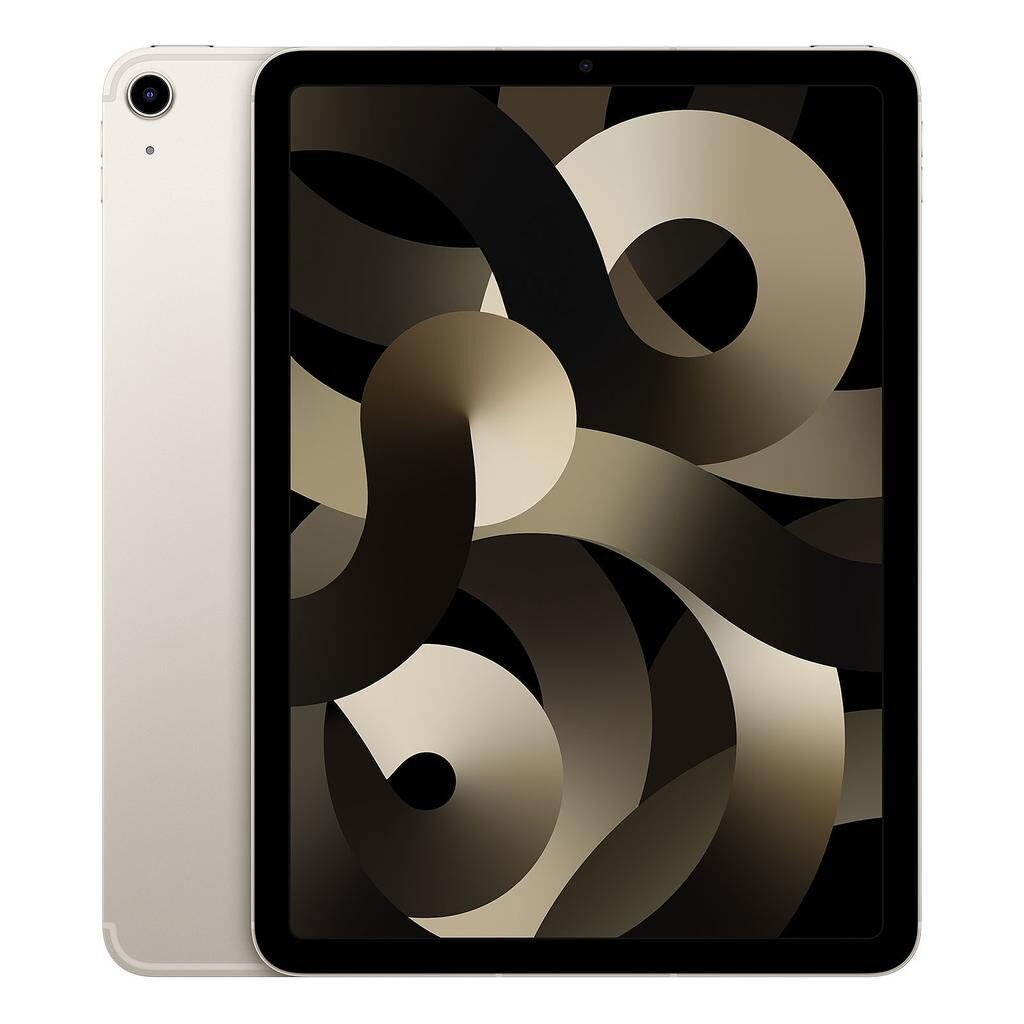
iPad 7 (2019, A10 series) vs iPad Pro (2021, M1 series)
Shop iPad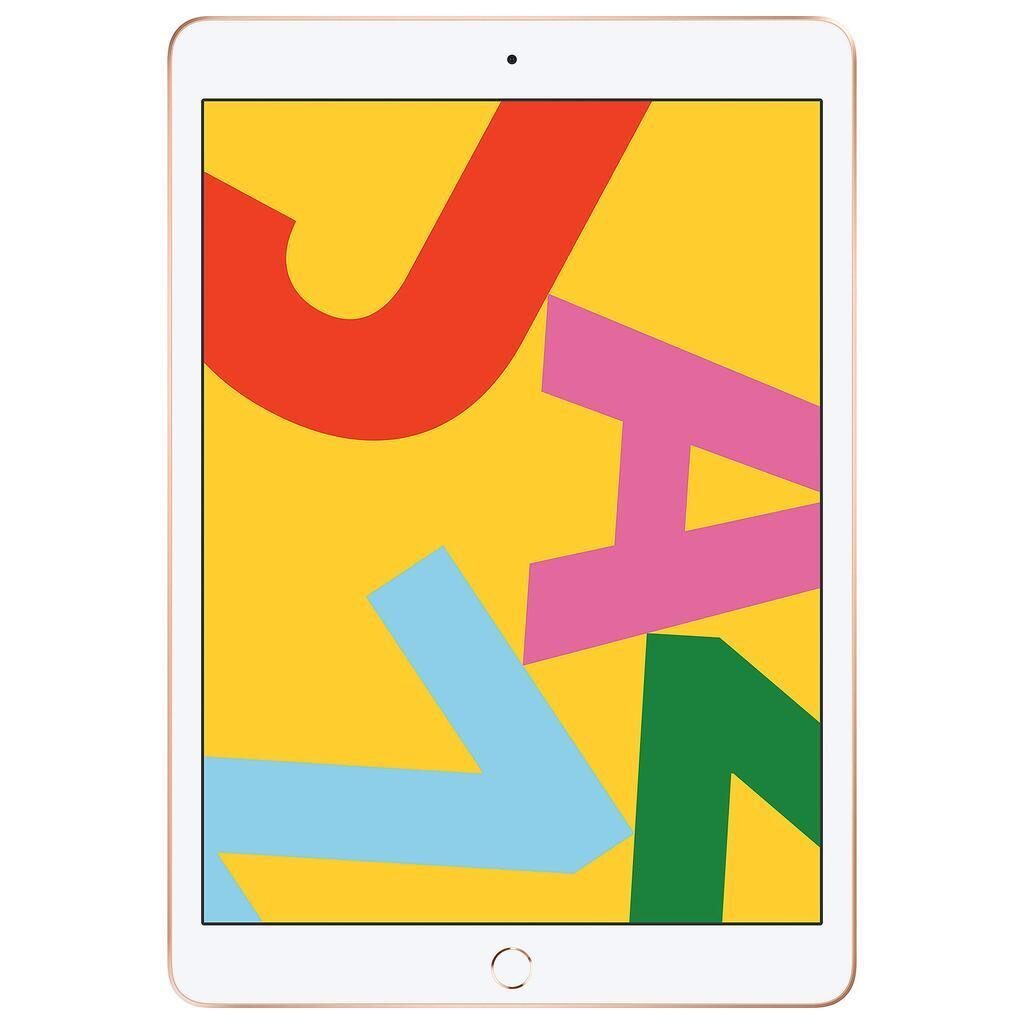
iPad 7 (2019, A10 series)
Starting at
£91.58£489.00 new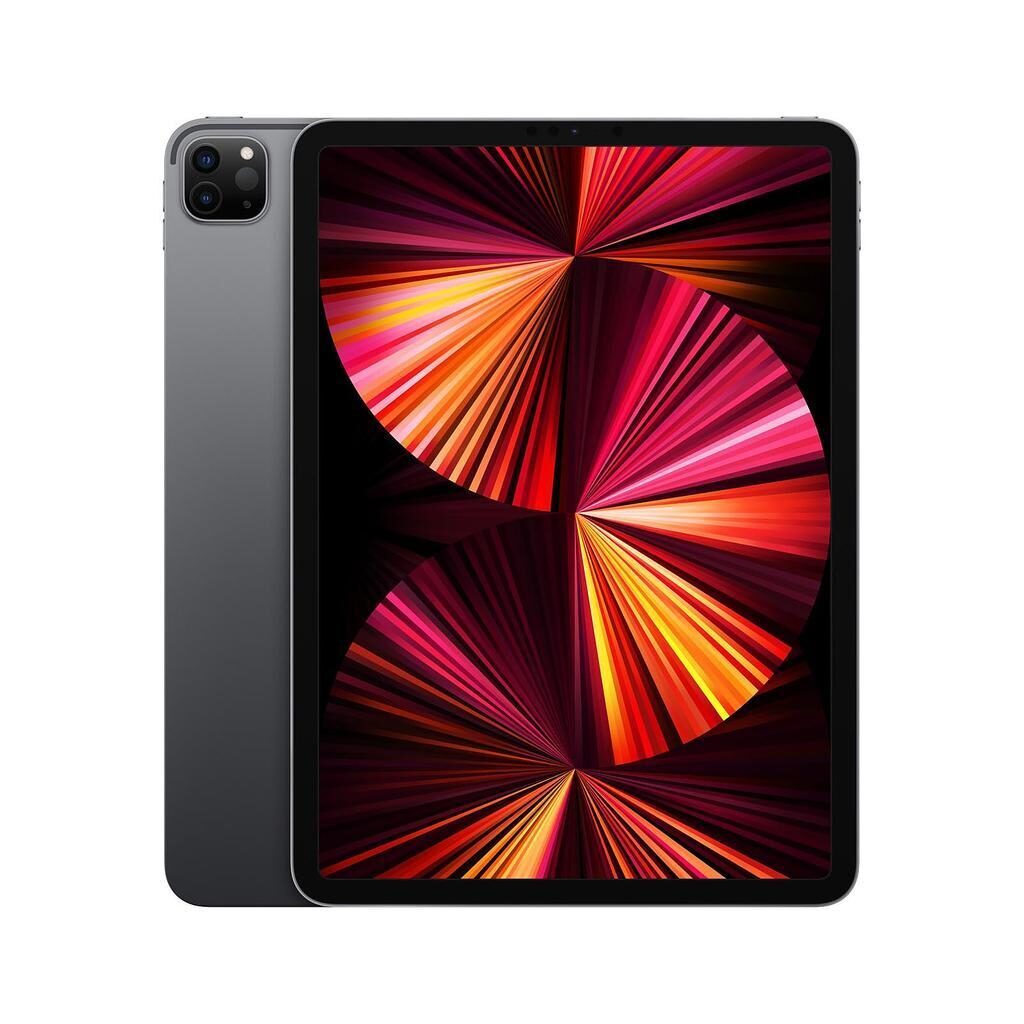
iPad Pro (2021, M1 series)
Starting at
£476.53£749.00 newWhat's the difference between the iPad 7 (2019, A10 series) and iPad Pro (2021, M1 series)?
iPad 7 (2019, A10 series) vs iPad Pro (2021, M1 series) comes down to the RAM, screen size and screen type. Refurbished, the iPad 7 (2019, A10 series) starts at £91.58, £384.95 less than the iPad Pro (2021, M1 series). The iPad Pro (2021, M1 series) is the newer model, released in 2021.
Refurbished from
RAM
Screen size
Screen type
Software updates
Weight
- The iPad Pro (2021, M1 series) has more RAM: 8 GB vs 3 GB.
- The iPad Pro (2021, M1 series) has a bigger screen: 11 inch vs 10.2 inch.
- Screen type: Retina display on the iPad 7 (2019, A10 series), Liquid Retina display on the iPad Pro (2021, M1 series).
iPad 7 (2019, A10 series) vs iPad Pro (2021, M1 series) specs
The iPad 7 (2019, A10 series) and the iPad Pro (2021, M1 series) differ in performance, screen quality, audiovisual features, and connectivity options. The iPad 7 suits everyday use like watching shows, reading, and music, with simpler performance and a smaller screen. The iPad Pro offers a faster processor, more RAM, and a larger, brighter display with better cameras and advanced audio. It suits users needing higher performance for tasks like photo and video editing. Storage options on the iPad Pro are broader, catering to those who need more space. Both run iPadOS 18, but the iPad Pro continues to receive updates beyond that. Your choice depends on whether you want a solid, straightforward tablet or a more feature-rich device with advanced capabilities.
iPad 7 (2019, A10 series) vs iPad Pro (2021, M1 series) price
Colour
iPad 7 (2019, A10 series) vs iPad Pro (2021, M1 series) battery life and software updates
Durability covers software support and device longevity. Both iPads can run iPadOS 18, but their update paths differ, affecting how long you get new features and security patches.
Software Update Support
The iPad 7 (2019, A10 series) will stop receiving updates after May 2026 when it finishes with iPadOS 18. The iPad Pro (2021, M1 series) is supported beyond that, up to iPadOS 27. This means the iPad Pro will keep getting software improvements and security fixes for a longer period.
Release Year Context
The iPad 7 was released in 2019 and the iPad Pro in 2021. Both support the same maximum iPadOS version currently, so you can expect a good software experience on either for now.
Battery
Maximum operating system supported
Software updates
Year of release
iPad 7 (2019, A10 series) vs iPad Pro (2021, M1 series) performance
Performance includes processing power, memory, and storage options. These differences affect how smoothly apps run and how much you can store.
Processor and RAM
The iPad 7 features the Apple A10 Fusion chip with 3 GB of RAM, which suits everyday tasks like browsing, streaming, and casual apps. The iPad Pro uses the Apple M1 chip with 8 GB of RAM, providing faster performance that keeps up with demanding apps and multitasking. This makes the iPad Pro better for users who want smooth handling of heavy apps or multiple apps open at once.
Storage Options
The iPad 7 comes with 32GB or 128GB storage, suitable for general use with moderate app and media storage. The iPad Pro offers much larger options from 128GB up to 2TB, which is ideal if you store large files, videos, or many apps and games.
Processor
RAM
iPad 7 (2019, A10 series) vs iPad Pro (2021, M1 series) screen
Screen quality affects how clear and vibrant your content looks. These iPads differ in size, brightness, and some display features that impact viewing comfort.
Display Size and Resolution
The iPad 7 has a 10.2 inch Retina display with 2160 x 1620 resolution, offering a good balance of size and sharpness. The iPad Pro has a slightly larger 11 inch Liquid Retina display with a higher resolution of 2388 x 1668, giving you more screen space and finer detail, which benefits watching videos or working on detailed apps.
Brightness and Display Features
The iPad Pro reaches up to 600 nits brightness and includes True Tone, which adjusts the colour temperature to your environment for more natural viewing. The iPad 7 has 500 nits brightness and no True Tone. The Pro's higher brightness and True Tone help in bright settings and reduce eye strain during prolonged use.
Pixel Density and Glass
Both iPads share the same pixel density of 264 ppi and use standard display glass. This means sharpness and general screen feel are similar in those aspects.
Brightness
Display glass
Pixel density
Refresh rate
Resolution
Screen size
Screen type
True tone
iPad 7 (2019, A10 series) vs iPad Pro (2021, M1 series) camera
Audiovisual features include cameras, video recording, and speakers. These specifications influence how well you can capture and enjoy photos, videos, and sound.
Cameras and Video Recording
The iPad 7 has an 8 megapixel rear camera and a 1.2 megapixel front camera, recording video at 1080p 30 FPS. The iPad Pro has 12 megapixel front and rear cameras, with video recording at 4K 60 FPS. This means the Pro captures more detailed photos and smoother, higher-resolution videos, suited for users interested in photography or video calls.
Speakers
The iPad 7 has stereo speakers, while the iPad Pro features four speaker audio. The Pro's audio setup provides richer and more immersive sound, making it better for watching videos or listening to music without headphones.
Front camera
Front camera definition
Main camera
Rear camera definition
Speakers
Video recording
iPad 7 (2019, A10 series) vs iPad Pro (2021, M1 series) size and design
The miscellaneous section covers connectivity, design, and accessory support. These details affect convenience, compatibility, and daily handling.
Apple Pencil Compatibility
The iPad 7 supports Apple Pencil 1st generation, suitable for note-taking and drawing with basic features. The iPad Pro works with Apple Pencil 2nd generation and the Apple Pencil (USB-C), offering more advanced stylus features and easier charging options.
Connectivity and Ports
The iPad 7 uses Bluetooth 4.2 and a Lightning connector for charging and headphones. The iPad Pro uses Bluetooth 5.0 and USB-C for charging and headphones, offering faster data transfer and compatibility with more modern accessories.
Carrier and SIM Features
The iPad 7 has no SIM port. The iPad Pro is unlocked and uses a Nano SIM, allowing mobile data connectivity with a SIM card. This suits users who want internet access on the go without relying on Wi-Fi.
Physical Dimensions and Design
The iPad Pro is thinner at 5.9 mm compared to 7.5 mm on the iPad 7, and lighter at 470 g versus 483 g. The Pro is also slightly wider and shorter. It includes Face ID for unlocking, while the iPad 7 uses Touch ID and has a thicker design.
Additional Features
The iPad Pro features a LiDAR scanner for advanced depth sensing. It supports dual SIM and Wi-Fi 6 802.11ax, while the iPad 7 supports Wi-Fi 6 802.11a/b/g/n/ac. The Pro also supports promotion technology for smoother scrolling, which the iPad 7 does not.
Apple pen compatible
Bluetooth version
Carrier compatibility
Connector
Depth
Double sim
Face
Generation number
Headphones connectivity
Height
Lidar scanner
Minimum system requirements mac
Minimum system requirements windows
Promotion
Sim format
Touch
Weight
Width
Wifi technology
iPad 7 (2019, A10 series) or iPad Pro (2021, M1 series): which should you buy?
Buy the iPad 7 (2019, A10 series) if
- you want to spend less: it starts at £91.58, £384.95 less than the iPad Pro (2021, M1 series)
Buy the iPad Pro (2021, M1 series) if
- you want more RAM (8 GB vs 3 GB)
- you want a bigger screen (11 inch vs 10.2 inch)
- you want longer software support (supported, up to iPadOS 27 vs ended May 2026, last iPadOS 18)
What our customers say
Customers buying the iPad 7 (2019, A10 series) appreciate its good condition and value, often noting it looks like new or has only minor marks. Many highlight its suitability for everyday use such as watching shows, reading, and listening to music. Users find the screen quality and battery life satisfactory for these tasks. Some mention a few small scratches but overall express happiness with the device's performance and feel it offers good value compared to new models.
Reviews for the iPad Pro (2021, M1 series) praise its clean condition with minimal marks and excellent performance. Buyers note the fast and snappy handling of apps, longer battery life, and larger storage options. The screen and overall feel receive positive comments, with users happy to upgrade to this model for more demanding tasks. Some mention minor scratches but find the device reliable and well suited to their needs.
Overall, the iPad 7 suits buyers looking for a solid, everyday tablet at a lower price with dependable performance. The iPad Pro appeals to users who want more power, better cameras, and advanced features for professional or intensive use.
iPad 7 (2019, A10 series) vs iPad Pro (2021, M1 series) FAQs
iPad 7 (2019, A10 series) vs iPad Pro (2021, M1 series) comes down to the RAM, screen size and screen type. The iPad Pro (2021, M1 series) has more RAM: 8 GB vs 3 GB. The iPad Pro (2021, M1 series) has a bigger screen: 11 inch vs 10.2 inch.
The iPad 7 (2019, A10 series) is cheaper refurbished, from £91.58 compared with £476.53 for the iPad Pro (2021, M1 series).
Updates for the iPad 7 (2019, A10 series) ended in May 2026. Its last version is iPadOS 18. The iPad Pro (2021, M1 series) is still supported and can run iPadOS 27.
The iPad Pro (2021, M1 series) adds more RAM (8 GB vs 3 GB), a bigger screen (11 inch vs 10.2 inch) and longer software support (supported, up to iPadOS 27 vs ended May 2026, last iPadOS 18). Refurbished, it costs £384.95 more (from £476.53 vs £91.58).
Refurbished, the iPad 7 (2019, A10 series) comes in 32GB and 128GB, and the iPad Pro (2021, M1 series) in 128GB, 256GB, 512GB, 1TB and 2TB.