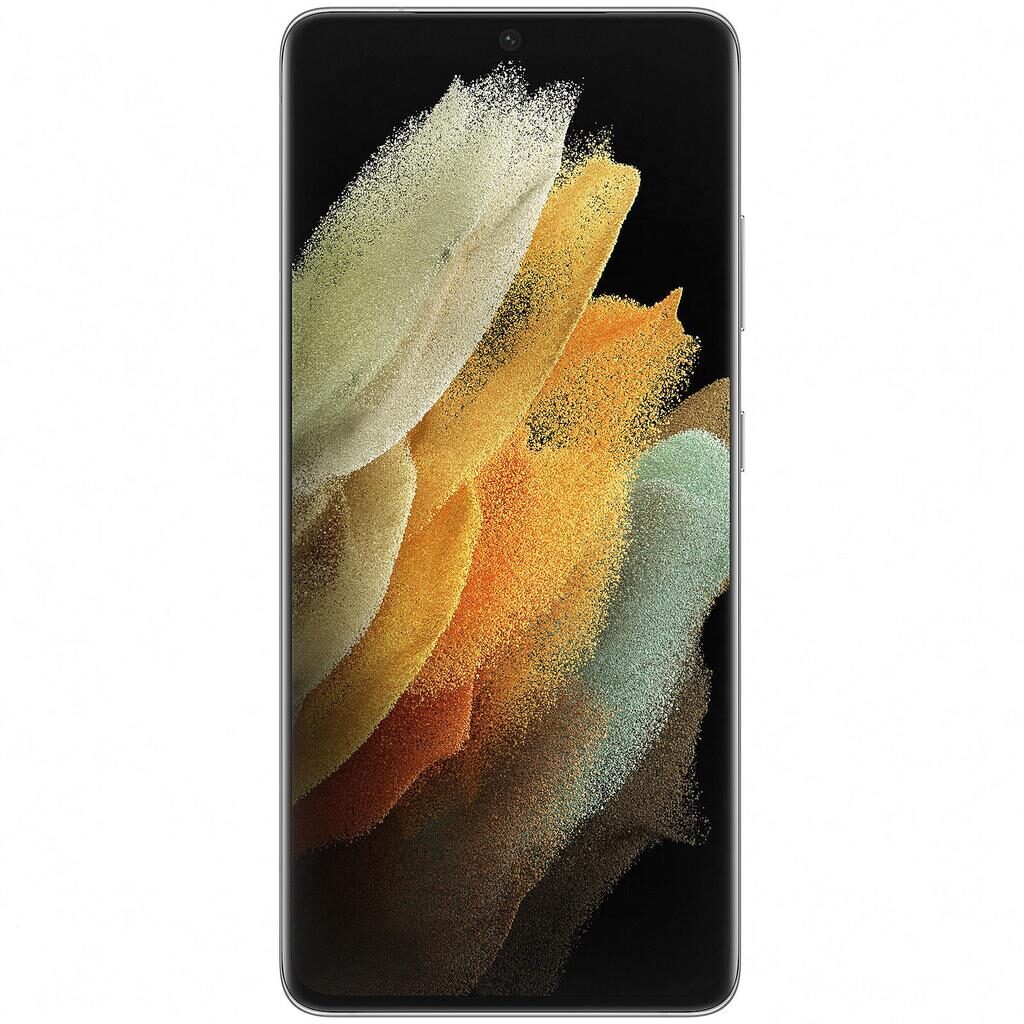
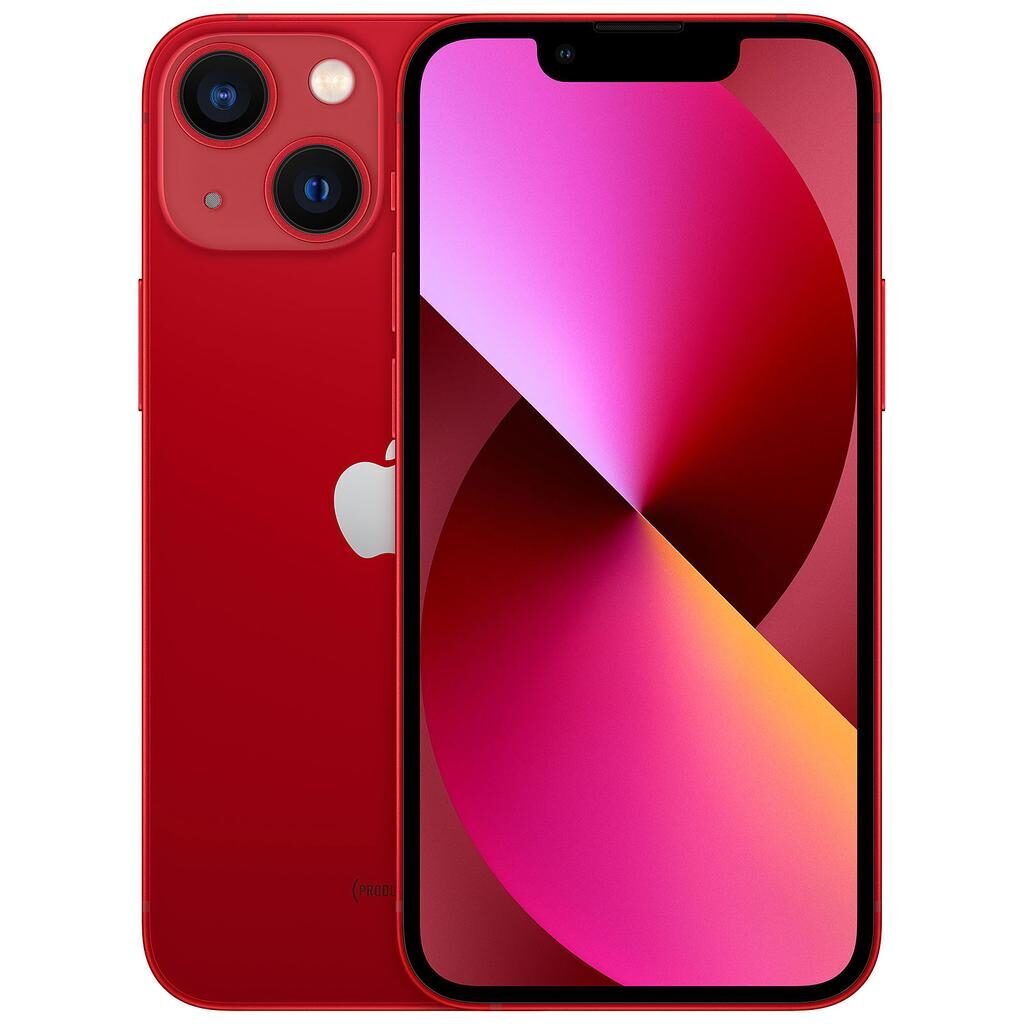
Huawei P40 Pro vs iPhone 13
Shop Android Smartphones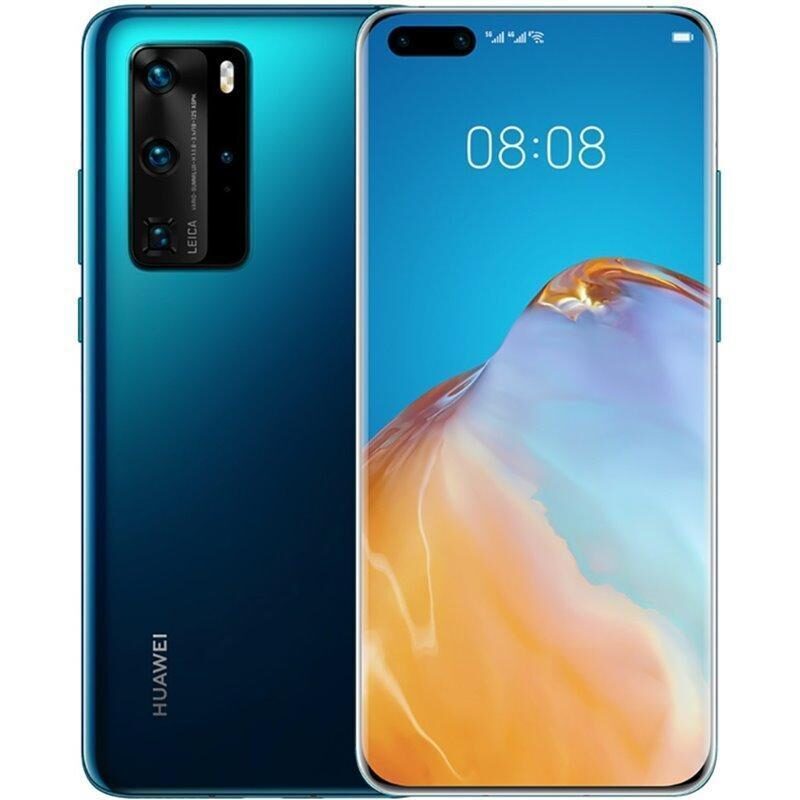
Huawei P40 Pro
Starting at
£349.00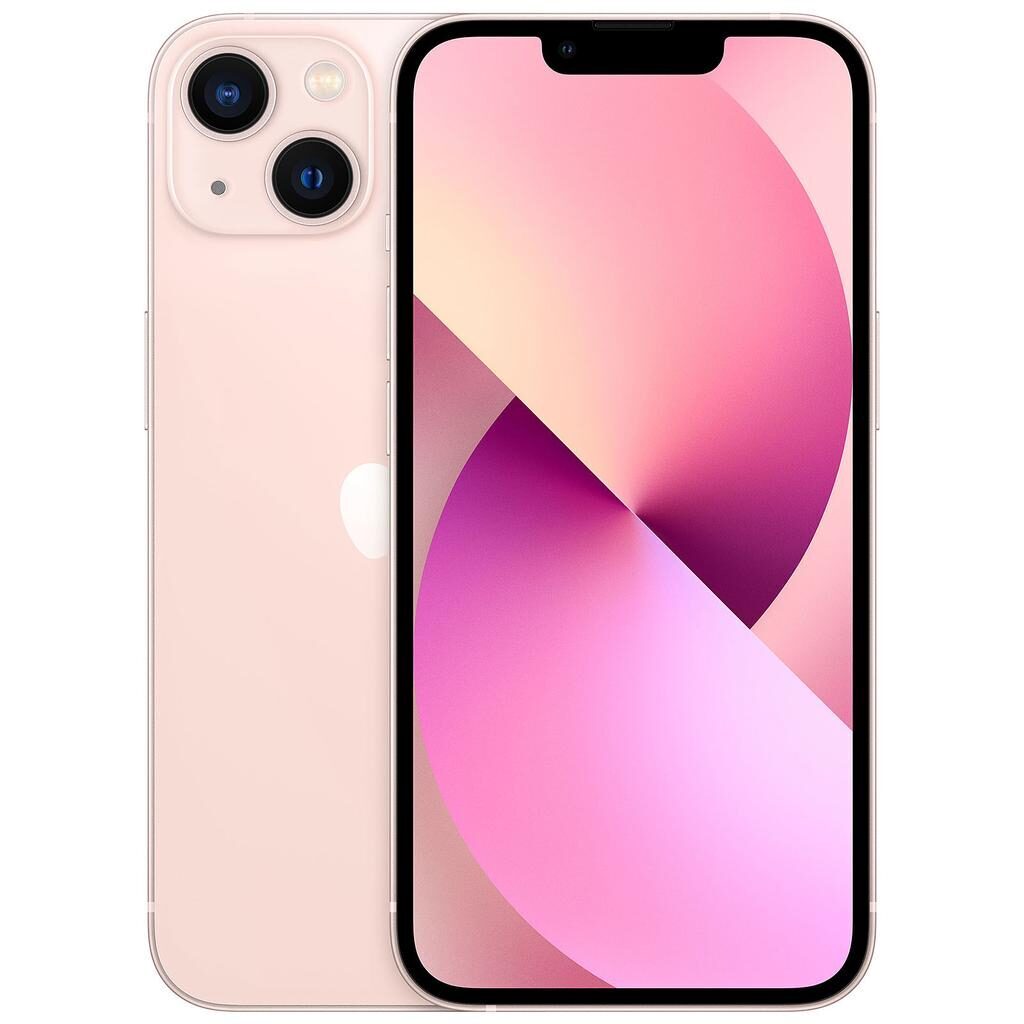
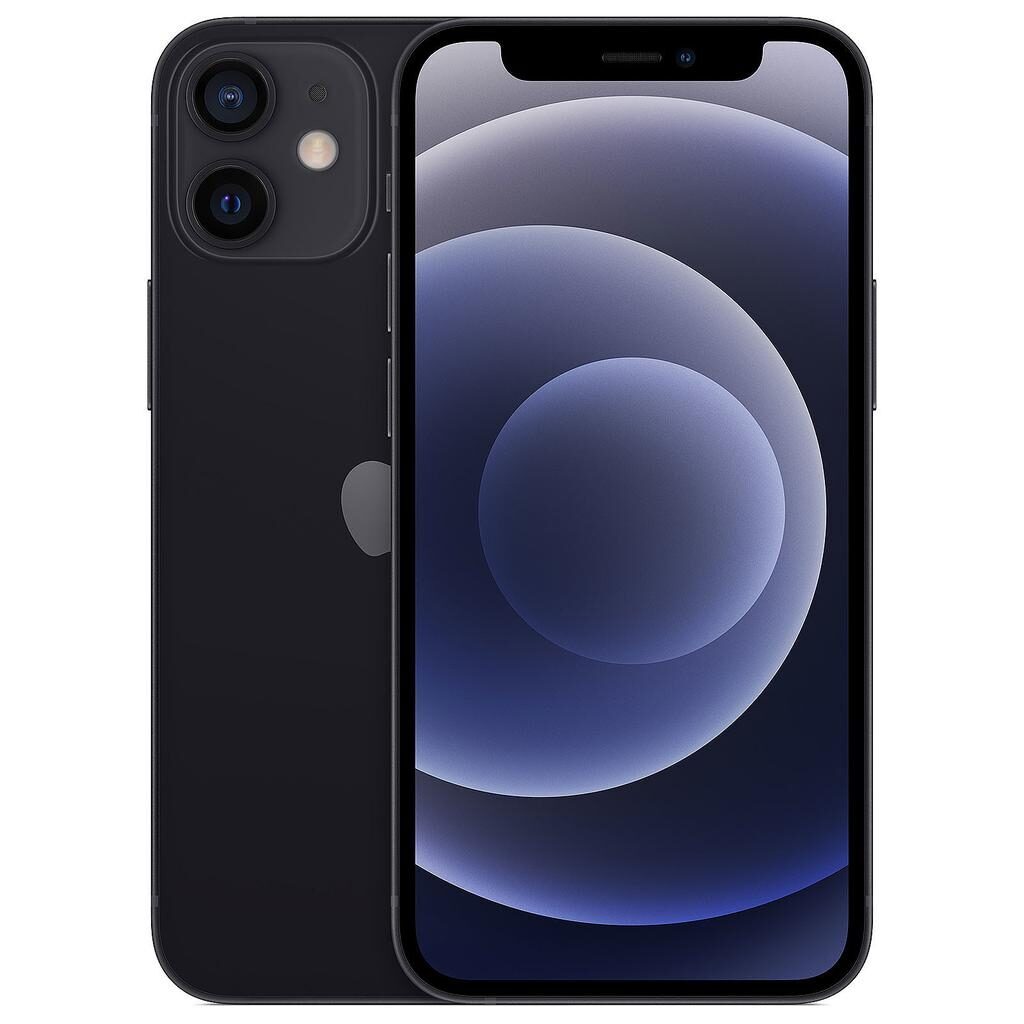
iPhone 13
Starting at
£249.06£599.00 newWhat's the difference between the Huawei P40 Pro and iPhone 13?
Huawei P40 Pro vs iPhone 13 comes down to the chipset, RAM and battery. Refurbished, the iPhone 13 starts at £249.06, £99.94 less than the Huawei P40 Pro. The iPhone 13 is the newer model, released in 2021.
Refurbished from
Chipset
RAM
Battery
Screen size
Refresh rate
- Chipset: Kirin 990 5G (7 nm+) on the Huawei P40 Pro, Apple A15 Bionic (5 nm) on the iPhone 13.
- The Huawei P40 Pro has more RAM: 8 GB vs 4 GB.
- The Huawei P40 Pro has a bigger battery: 4200 mAh vs 3240 mAh.
Huawei P40 Pro vs iPhone 13 specs
The Huawei P40 Pro and iPhone 13 differ in ways that suit different users. The Huawei P40 Pro has a larger battery and more RAM, which helps with longer use and multitasking. It also offers a bigger screen with a smoother 90 Hz refresh rate, making it good for video and browsing. The iPhone 13 has a newer chipset and comes with more storage options, which suits those wanting a variety of storage sizes. Cameras on the Huawei P40 Pro have higher megapixels for capturing detail, while the iPhone 13 runs iOS 15 and has a smaller, lighter design. Both support 5G and are unlocked, but their connectors and SIM options differ. Choose the Huawei P40 Pro if you want a larger display and more memory. Pick the iPhone 13 for a lighter phone with more storage choices and iOS.
Huawei P40 Pro vs iPhone 13 price
Colour
- BlackSold out
- BlueSold out
- SilverSold out
Storage
Huawei P40 Pro vs iPhone 13 battery life and software updates
Durability covers battery capacity, operating system, and release year. These factors affect daily use and software experience. The Huawei P40 Pro and iPhone 13 differ in battery size and operating system.
Battery Capacity
The Huawei P40 Pro has a 4200 mAh battery, which provides more power for longer use between charges. The iPhone 13 has a 3240 mAh battery, suited for users with lighter daily usage or who prefer shorter charging times.
Operating System
The Huawei P40 Pro runs Android, which offers a wide range of apps and customisation options. The iPhone 13 runs iOS 15, known for its smooth integration with other Apple devices and regular software updates.
Battery
Fast charging
Foldable
Ip rating
OS at launch
Software updates
Wireless charging
Year of release
Huawei P40 Pro vs iPhone 13 performance
Performance depends on the chipset, RAM, and storage options available. These affect speed, multitasking, and how much data you can keep on the device.
Chipset Efficiency
The Huawei P40 Pro uses the Kirin 990 5G chipset built on 7 nm+ technology, while the iPhone 13 has the Apple A15 Bionic built on 5 nm technology. The smaller 5 nm process in the iPhone 13's chipset typically contributes to improved power efficiency and performance.
Memory for Multitasking
Huawei P40 Pro has 8 GB of RAM, which helps keep more apps open and running smoothly at once. The iPhone 13 has 4 GB of RAM, which suits everyday use and efficient app management within iOS.
Storage Options
Huawei P40 Pro is stocked with 256GB of storage. The iPhone 13 comes in 128GB, 256GB, and 512GB options, giving you more choice depending on how much space you need for apps, photos, and media.
Chipset
RAM
Huawei P40 Pro vs iPhone 13 screen
Screen quality affects how you see content, with differences in size, resolution, and refresh rate influencing your experience when watching videos, playing games, or browsing.
Screen Size and Resolution
The Huawei P40 Pro has a 6.58 inch OLED screen with a resolution of 1200 x 2640 pixels, offering a slightly larger and sharper display. The iPhone 13 has a 6.1 inch OLED screen with a resolution of 1170 x 2532 pixels, making it more compact and easy to hold.
Refresh Rate
Huawei P40 Pro supports a 90 Hz refresh rate, providing smoother scrolling and animations. The iPhone 13 has a 60 Hz refresh rate, which is standard and suits most everyday tasks without extra smoothness.
Refresh rate
Resolution
Screen size
Screen type
Huawei P40 Pro vs iPhone 13 camera
Audiovisual features influence how you capture photos and video calls. Camera megapixels indicate potential detail captured on the front and main cameras.
Front Camera Detail
Huawei P40 Pro has a 32 megapixel front camera, which captures more detail in selfies and video calls. The iPhone 13 has a 12 megapixel front camera, which is adequate for most users and integrates well with iOS features.
Main Camera Resolution
Huawei P40 Pro offers a 50 megapixel main camera, suited for users who want highly detailed photos. The iPhone 13 has a 12 megapixel main camera, balancing image quality with efficient processing.
Front camera
Main camera
Huawei P40 Pro vs iPhone 13 size and design
Miscellaneous specs include physical size, connectors, SIM options, and storage expansion. These affect how the device fits in your hand, connects with accessories, and handles network and storage needs.
Physical Size and Weight
The Huawei P40 Pro measures 158.2 mm in height, 72.6 mm in width, and 9 mm in depth, weighing 209 g. The iPhone 13 is smaller and lighter at 146.7 mm height, 71.5 mm width, 7.7 mm depth, and 174 g weight, making it easier to carry and use one-handed.
Connector Type
Huawei P40 Pro uses a USB Type-C connector, which is common for charging and accessories across many devices. The iPhone 13 has a Lightning connector, designed for Apple accessories and charging.
SIM and Storage Expansion
Huawei P40 Pro supports dual physical SIM cards and includes an NM (Nano Memory) card slot for extra storage. The iPhone 13 uses one physical SIM and one eSIM but does not support external storage cards.
Network Compatibility
Both phones support 5G networks and come unlocked, allowing you to choose any compatible network provider.
Carrier compatibility
Connector
Depth
Height
Mobile network
Release date
SD card slot
SIM card
Weight
Width
Huawei P40 Pro or iPhone 13: which should you buy?
Buy the Huawei P40 Pro if
- you want more RAM (8 GB vs 4 GB)
- you want a bigger battery (4200 mAh vs 3240 mAh)
- you want a bigger screen (6.58 inch vs 6.1 inch)
Buy the iPhone 13 if
- you want to spend less: it starts at £249.06, £99.94 less than the Huawei P40 Pro
- you want a lighter build (173 g vs 209 g)
What our customers say
Customers using the Huawei P40 Pro often praise its camera quality and phone build, describing it as good quality and reliable over extended use. Some note challenges with missing Google apps and services, which affects app availability and use in the UK. Others appreciate the phone's appearance and overall feel but advise caution if Google Play Store access is important. Battery life receives mixed feedback, with some customers finding it runs out quickly.
Users of the iPhone 13 report high satisfaction with the phone's condition, battery health, and performance. Many mention the ease of setup and reliability of the device, often highlighting its like-new appearance even in fair condition. The iPhone 13 is appreciated for its smooth operation and consistent battery life. One customer reported a network connection issue requiring repairs but this was noted as an exception.
Overall, the Huawei P40 Pro suits users who prioritise a larger screen and camera detail but may need to consider app compatibility. The iPhone 13 is well suited to those who want dependable performance, multiple storage options, and integration with iOS.
Huawei P40 Pro vs iPhone 13 FAQs
Huawei P40 Pro vs iPhone 13 comes down to the chipset, RAM and battery. Chipset: Kirin 990 5G (7 nm+) on the Huawei P40 Pro, Apple A15 Bionic (5 nm) on the iPhone 13. The Huawei P40 Pro has more RAM: 8 GB vs 4 GB.
The iPhone 13 is cheaper refurbished, from £249.06 compared with £349 for the Huawei P40 Pro.
The Huawei P40 Pro has a bigger battery: 4200 mAh vs 3240 mAh.
The Huawei P40 Pro has a higher-resolution main camera: 50 megapixels vs 12 megapixels.
We don't have published update dates for the Huawei P40 Pro. The iPhone 13 is still supported and can run iOS 27.
Refurbished, the Huawei P40 Pro comes in 256GB, and the iPhone 13 in 128GB, 256GB and 512GB.