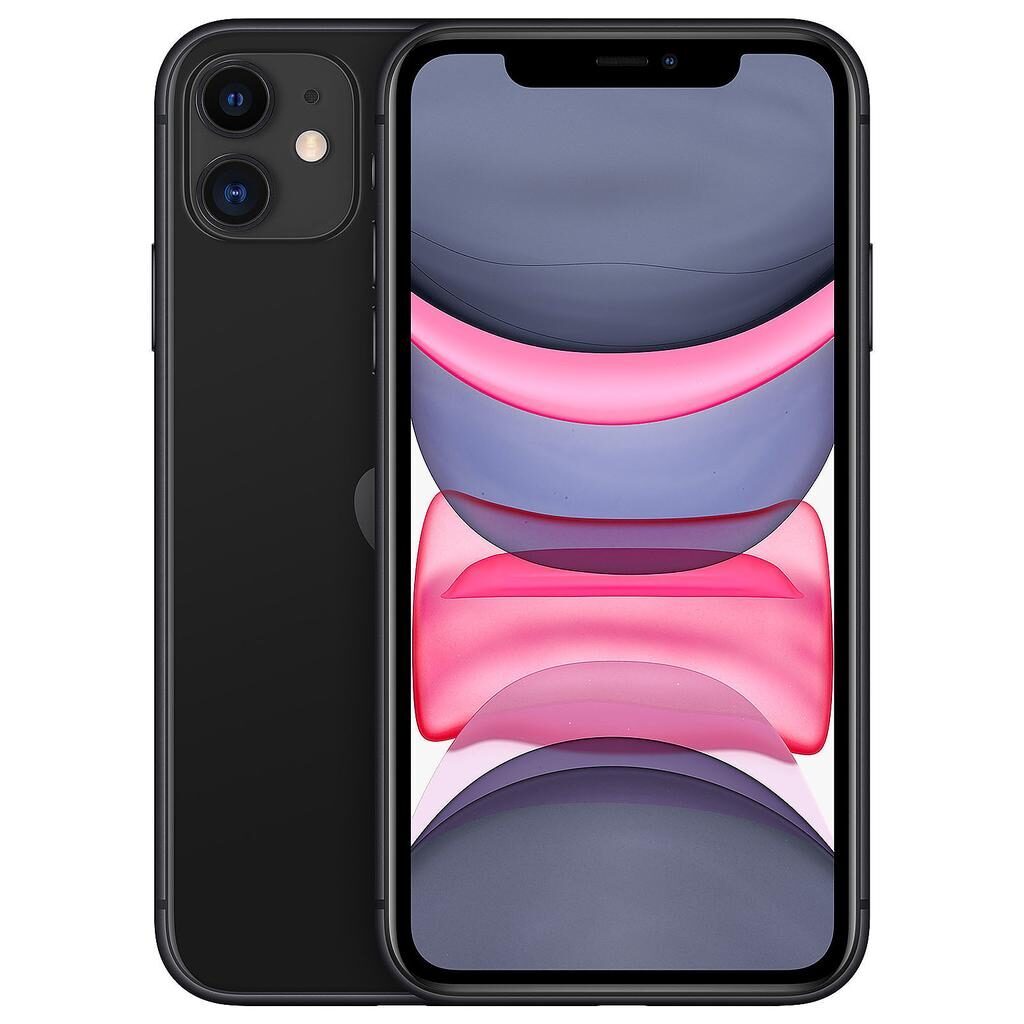
Huawei P30 vs Realme 7 Pro
Shop Android Smartphones
Huawei P30
Starting at
£134.00
Realme 7 Pro
Starting at
£146.00What's the difference between the Huawei P30 and Realme 7 Pro?
Huawei P30 vs Realme 7 Pro comes down to the chipset, RAM and battery. Refurbished, the Huawei P30 starts at £134, £12 less than the Realme 7 Pro. The Realme 7 Pro is the newer model, released in 2020.
Refurbished from
Chipset
RAM
Battery
Screen size
Screen type
- Chipset: Kirin 980 (7 nm) on the Huawei P30, Qualcomm SM7125 Snapdragon 720G (8 nm) on the Realme 7 Pro.
- The Realme 7 Pro has more RAM: 8 GB vs 6 GB.
- The Realme 7 Pro has a bigger battery: 4500 mAh vs 3650 mAh.
Huawei P30 vs Realme 7 Pro specs
The Huawei P30 and Realme 7 Pro each offer a distinct set of features suited to different users. The Huawei P30 has a smaller 6.1 inch OLED screen and 6 GB of RAM, making it a more compact choice for those who prefer a lighter phone with a sharp display. The Realme 7 Pro has a larger 6.4 inch Super AMOLED screen and 8 GB of RAM, which helps keep more apps running smoothly and provides a roomier display for video or browsing. The Realme 7 Pro's bigger 4500 mAh battery suits users needing longer battery life, while the Huawei P30's 3650 mAh battery fits lighter daily use. Camera resolution also differs, with the Realme 7 Pro offering a higher 64 megapixel main camera. Both phones run Android and support 4G, with unlocked SIM options and 128GB storage.
Huawei P30 vs Realme 7 Pro price
Colour
- BlueSold out
- BlueSold out
Storage
- 128GBSold out
- 128GBSold out
Huawei P30 vs Realme 7 Pro battery life and software updates
Battery capacity and software support contribute to how long you can use the phone each day and over time. Battery size differs notably.
Battery Capacity
The Realme 7 Pro has a larger 4500 mAh battery, which is suited to users who want longer usage between charges. The Huawei P30's 3650 mAh battery fits lighter daily routines or those who charge more frequently.
Operating System
Both phones run Android, offering a familiar and flexible software experience.
Battery
Foldable
Ip rating
Year of release
Huawei P30 vs Realme 7 Pro performance
Performance depends on chipset, RAM and storage. Both have 128GB storage, but differences in RAM and chipset affect multitasking and app handling.
RAM Size
The Realme 7 Pro comes with 8 GB of RAM, which helps keep more apps open and running smoothly when multitasking. The Huawei P30's 6 GB of RAM suits everyday use with fewer apps in active memory.
Chipset Technology
The Huawei P30 uses a Kirin 980 chipset built on 7 nm technology, which means efficient performance and power use. The Realme 7 Pro has a Qualcomm Snapdragon 720G chipset built on 8 nm technology, offering solid performance for general use.
Chipset
RAM
Huawei P30 vs Realme 7 Pro screen
Screen size, resolution and display type affect how you view content. Both screens offer full HD resolution with slight differences in size and panel type.
Screen Size and Resolution
The Realme 7 Pro has a larger 6.4 inch screen with 1080 x 2400 resolution, providing more room for watching videos or browsing. The Huawei P30 has a 6.1 inch screen with 1080 x 2340 resolution, making it more compact and easier to hold.
Display Type
The Huawei P30 uses an OLED screen, known for good contrast and colour accuracy. The Realme 7 Pro features a Super AMOLED screen, which offers vibrant colours and deep blacks, enhancing media viewing.
Refresh rate
Resolution
Screen size
Screen type
Huawei P30 vs Realme 7 Pro camera
Camera quality and front-facing camera resolution matter if you take many photos or video calls. Both phones have strong front cameras but differ on main camera detail.
Main Camera Resolution
The Realme 7 Pro offers a 64 megapixel main camera, which captures more detail and suits users who prioritise high-resolution photos. The Huawei P30 has a 40 megapixel main camera, which still delivers sharp images for everyday photography.
Front Camera
Both phones have a 32 megapixel front camera, ideal for high-quality selfies and clear video calls.
Camera type
Front camera
Main camera
Huawei P30 vs Realme 7 Pro size and design
Other practical features include SIM options, memory cards and physical dimensions, which affect usability and flexibility.
SIM Card Options
The Realme 7 Pro supports dual physical SIM cards, which benefits users who want to manage two phone numbers on one device. The Huawei P30 uses a single physical SIM card.
Memory Card Compatibility
The Huawei P30 supports NM (Nano Memory) cards, a specific format for expanding storage. The Realme 7 Pro accepts microSDXC cards, which are widely available and commonly used.
Dimensions and Weight
The Huawei P30 is slimmer and lighter, measuring 7.6 mm in depth, 149 mm in height, 71 mm in width, and weighing 165 g. The Realme 7 Pro is slightly larger and heavier at 8.7 mm depth, 160.9 mm height, 74.3 mm width, and 182 g weight, offering a bigger screen but a less compact feel.
Connectivity and Network
Both phones have USB-C and 3.5 mm headphone jacks, support 4G networks, and come unlocked, giving you flexibility with carriers and accessories.
Carrier compatibility
Connector
Depth
Height
Mobile network
SD card slot
SIM card
Weight
Width
Huawei P30 or Realme 7 Pro: which should you buy?
Buy the Huawei P30 if
- you want to spend less: it starts at £134, £12 less than the Realme 7 Pro
- you want a lighter build (165 g vs 182 g)
Buy the Realme 7 Pro if
- you want more RAM (8 GB vs 6 GB)
- you want a bigger battery (4500 mAh vs 3650 mAh)
- you want a higher-resolution main camera (64 megapixels vs 40 megapixels)
Huawei P30 vs Realme 7 Pro FAQs
Huawei P30 vs Realme 7 Pro comes down to the chipset, RAM and battery. Chipset: Kirin 980 (7 nm) on the Huawei P30, Qualcomm SM7125 Snapdragon 720G (8 nm) on the Realme 7 Pro. The Realme 7 Pro has more RAM: 8 GB vs 6 GB.
The Huawei P30 is cheaper refurbished, from £134 compared with £146 for the Realme 7 Pro.
The Realme 7 Pro has a bigger battery: 4500 mAh vs 3650 mAh.
The Realme 7 Pro has a higher-resolution main camera: 64 megapixels vs 40 megapixels.
Both come in 128GB refurbished.