Huawei P20 Pro vs iPhone 7 Plus
Shop Android Smartphones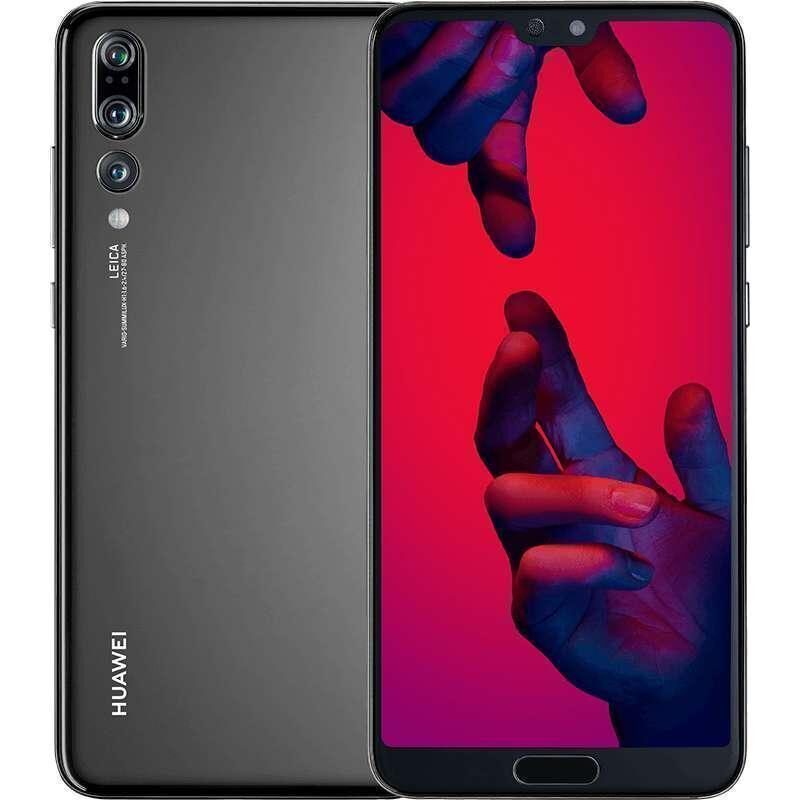
Huawei P20 Pro
Starting at
£119.00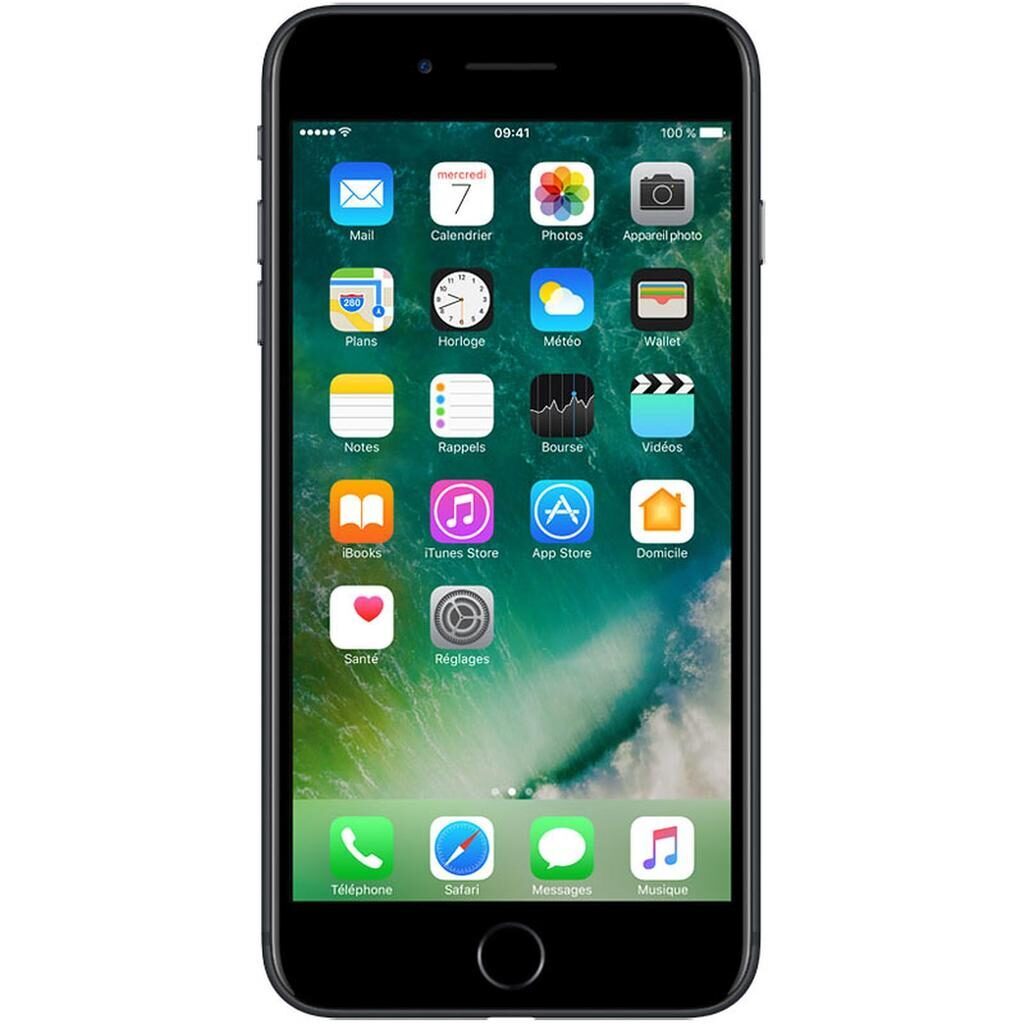
iPhone 7 Plus
Starting at
£106.15£139.00 newWhat's the difference between the Huawei P20 Pro and iPhone 7 Plus?
Huawei P20 Pro vs iPhone 7 Plus comes down to the chipset, RAM and battery. Refurbished, the iPhone 7 Plus starts at £106.15, £12.85 less than the Huawei P20 Pro. The Huawei P20 Pro is the newer model, released in 2018.
Refurbished from
Chipset
RAM
Battery
Screen size
Screen type
- Chipset: Kirin 970 (10 nm) on the Huawei P20 Pro, Apple A10 Fusion (16 nm) on the iPhone 7 Plus.
- The Huawei P20 Pro has more RAM: 6 GB vs 3 GB.
- The Huawei P20 Pro has a bigger battery: 4000 mAh vs 2900 mAh.
Huawei P20 Pro vs iPhone 7 Plus specs
The Huawei P20 Pro and the iPhone 7 Plus differ in several key areas that suit different users. The Huawei P20 Pro has a larger battery, more RAM, and a bigger OLED screen with higher resolution, making it suitable for those who want a device that lasts longer on a charge and offers a more spacious display for media. It also offers higher megapixel counts for both front and main cameras, fitting users who prioritise detailed photography. The iPhone 7 Plus has a smaller screen with Retina IPS LCD, a simpler camera setup, and uses the Lightning connector. Each device suits buyers who prefer either Android or iOS and the features that come with those ecosystems.
Huawei P20 Pro vs iPhone 7 Plus price
Colour
- BlackSold out
- BlueSold out
Storage
- 64GBSold out
- 128GBSold out
Huawei P20 Pro vs iPhone 7 Plus battery life and software updates
Durability here focuses on battery capacity, operating system, and compatibility with software updates. Both phones are unlocked and use physical SIM cards.
Battery Capacity
The Huawei P20 Pro has a 4000 mAh battery, which generally provides longer usage between charges. This suits users who need extended battery life during the day. The iPhone 7 Plus has a 2900 mAh battery, enough for typical daily use but with less reserve compared to the Huawei.
Operating System
The Huawei P20 Pro runs Android, offering an experience preferred by those who like customisation and access to Google services. The iPhone 7 Plus runs iOS, suitable for users who appreciate Apple's ecosystem and app environment.
Battery
Foldable
Ip rating
Software updates
Year of release
Huawei P20 Pro vs iPhone 7 Plus performance
Performance differences include chipset manufacturing process, RAM, and storage options. These influence multitasking, app performance, and storage capacity choices.
Processor and RAM
The Huawei P20 Pro uses the Kirin 970 chipset built on a 10 nm process, paired with 6 GB of RAM. This combination supports smooth multitasking and efficient processing for demanding apps. The iPhone 7 Plus has the Apple A10 Fusion chipset with 3 GB of RAM, which suits everyday use and standard app performance but with fewer apps kept open simultaneously.
Storage Options
Huawei P20 Pro models come in 64GB and 128GB variants, offering flexibility depending on your storage needs. The iPhone 7 Plus is available in 32GB and 128GB options, allowing choice for simpler storage needs or more space for media and apps.
Chipset
RAM
Huawei P20 Pro vs iPhone 7 Plus screen
Screen quality affects how you view photos, videos, and apps. Differences include size, resolution, and screen type, all influencing image sharpness and colour reproduction.
Screen Size and Resolution
The Huawei P20 Pro has a 6.1 inch screen with a resolution of 1080 x 2240 pixels, making it more spacious and suitable for watching videos or multitasking. The iPhone 7 Plus has a smaller 5.5 inch screen with a resolution of 1080 x 1920 pixels, which fits comfortably in one hand and suits users who prefer a compact display.
Screen Type
The Huawei P20 Pro features an OLED screen, which provides deeper blacks and higher contrast, beneficial for media viewing and outdoor visibility. The iPhone 7 Plus uses a Retina IPS LCD screen, which offers accurate colours and wide viewing angles, ideal for natural image presentation.
Resolution
Screen size
Screen type
Huawei P20 Pro vs iPhone 7 Plus camera
Camera quality and audio features shape your experience capturing photos and videos. The Huawei P20 Pro offers a more complex camera setup and higher megapixel counts for front and main cameras.
Main Camera
The Huawei P20 Pro has a triple main camera setup with a 40 megapixel primary sensor. This is suited for users looking to capture high-resolution photos with more detail and versatile shooting options. The iPhone 7 Plus has a dual main camera setup with a 12 megapixel primary sensor, suitable for standard photography needs and reliable image quality.
Front Camera
Huawei P20 Pro's front camera has 24 megapixels, ideal for detailed selfies and video calls. The iPhone 7 Plus's front camera is 7 megapixels, which works well for everyday selfies and video chats.
Camera type
Front camera
Main camera
Huawei P20 Pro vs iPhone 7 Plus size and design
This section covers physical dimensions, connectors, network compatibility, and other practical details that affect daily use and fit.
Connector Type
The Huawei P20 Pro uses a USB-C connector, common for modern Android devices, allowing fast data transfer and charging with compatible cables. The iPhone 7 Plus uses Apple's Lightning connector, which is standard for many iOS devices and accessories.
Size and Weight
The Huawei P20 Pro measures 155 mm in height, 73.9 mm in width, and 7.8 mm in depth, weighing 180 g. The iPhone 7 Plus is slightly taller and wider at 158.2 mm by 77.9 mm, with a depth of 7.3 mm and weighs 188 g. The Huawei is marginally lighter and slimmer, which may suit those who prefer a lighter phone.
Network and SIM
Both phones support 4G mobile networks and use physical SIM cards, ensuring compatibility with a wide range of carriers in the UK and beyond. Both are unlocked, giving you freedom to choose your provider.
Carrier compatibility
Connector
Depth
Height
Mobile network
SD card slot
SIM card
Weight
Width
Huawei P20 Pro or iPhone 7 Plus: which should you buy?
Buy the Huawei P20 Pro if
- you want more RAM (6 GB vs 3 GB)
- you want a bigger battery (4000 mAh vs 2900 mAh)
- you want a bigger screen (6.1 inch vs 5.5 inch)
Buy the iPhone 7 Plus if
- you want to spend less: it starts at £106.15, £12.85 less than the Huawei P20 Pro
What our customers say
Customers of the Huawei P20 Pro often praise the phone's camera quality and battery life, noting that the device meets their needs well and looks like new. Some users highlight the phone's value for the price and environmental benefits of buying refurbished. A few mention issues with stability or battery life, but the majority appreciate the phone's features and performance, especially those familiar with the model.
Buyers of the iPhone 7 Plus appreciate its condition and ease of setup, with many describing the phone as spotless and working perfectly. Users find the battery life acceptable and enjoy the iOS experience. Some point out that the phone suits everyday use and is a great gift or reliable device for less intensive tasks. A minority note concerns with battery health and the device not supporting the latest software updates, but overall satisfaction is high.
The Huawei P20 Pro suits buyers wanting a larger screen and advanced camera features with Android. The iPhone 7 Plus fits those who prefer iOS and a smaller, familiar device for everyday use.
Huawei P20 Pro vs iPhone 7 Plus FAQs
Huawei P20 Pro vs iPhone 7 Plus comes down to the chipset, RAM and battery. Chipset: Kirin 970 (10 nm) on the Huawei P20 Pro, Apple A10 Fusion (16 nm) on the iPhone 7 Plus. The Huawei P20 Pro has more RAM: 6 GB vs 3 GB.
The iPhone 7 Plus is cheaper refurbished, from £106.15 compared with £119 for the Huawei P20 Pro.
The Huawei P20 Pro has a bigger battery: 4000 mAh vs 2900 mAh.
The Huawei P20 Pro has a higher-resolution main camera: 40 megapixels vs 12 megapixels.
We don't have published update dates for the Huawei P20 Pro. Updates for the iPhone 7 Plus ended in Mar 2025. Its last version is iOS 15.
Refurbished, the Huawei P20 Pro comes in 64GB and 128GB, and the iPhone 7 Plus in 32GB and 128GB.