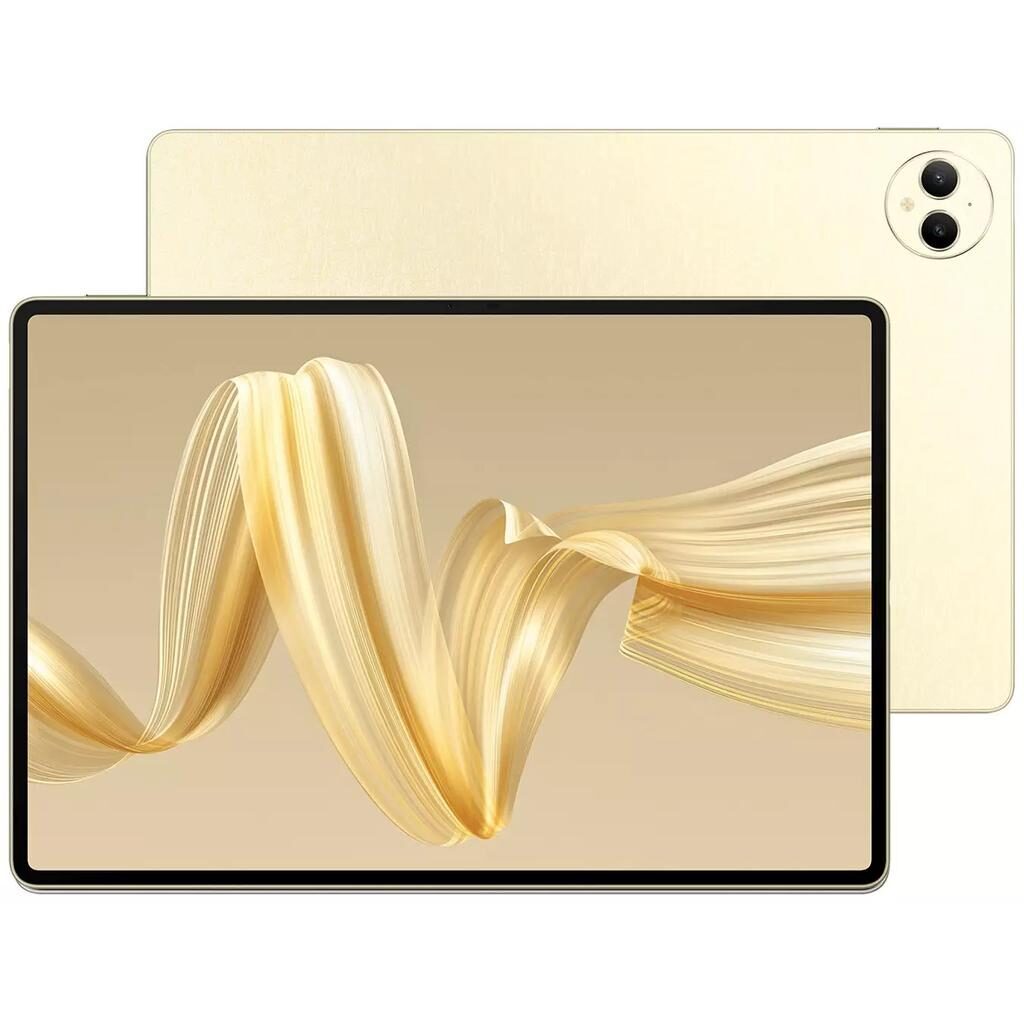
Huawei MatePad Pro (13.2", 2025) vs Huawei MatePad T 10s (10.1", 2020)
Shop Android Tablet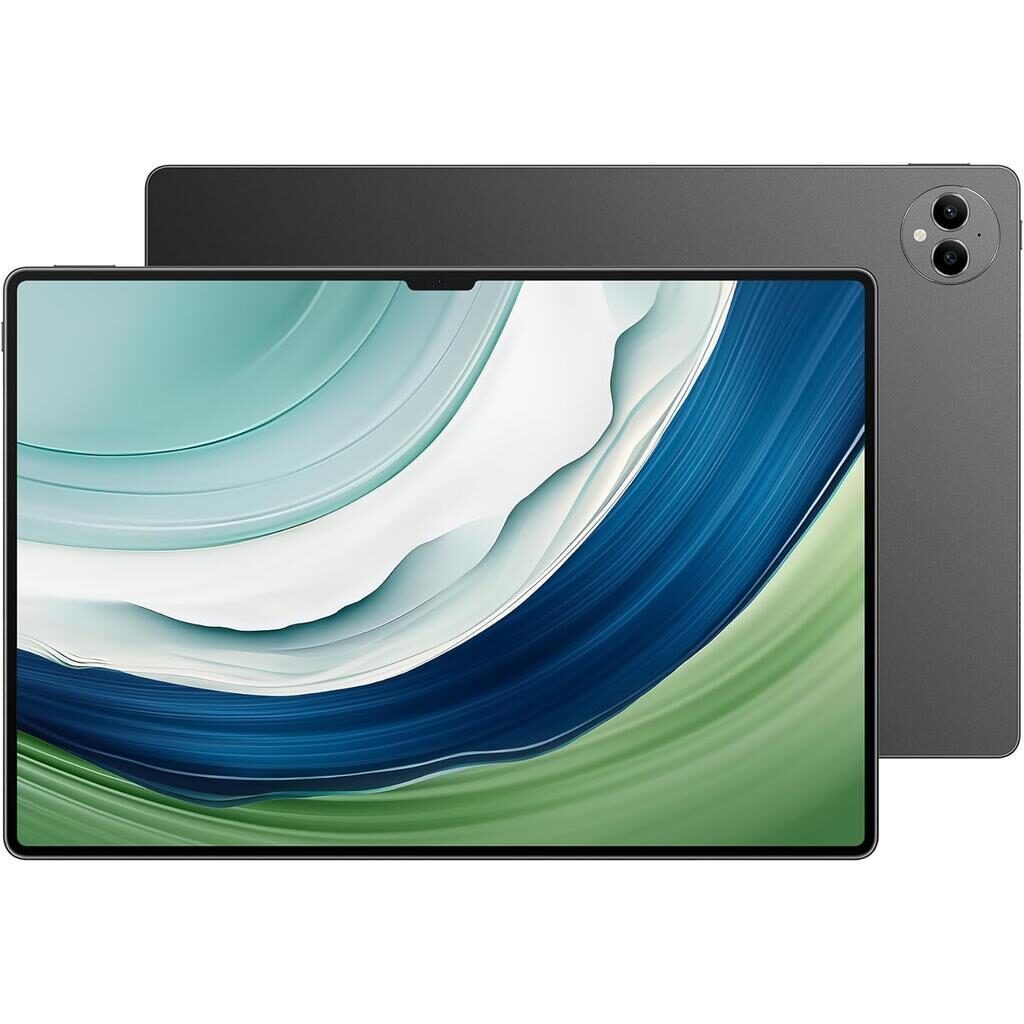
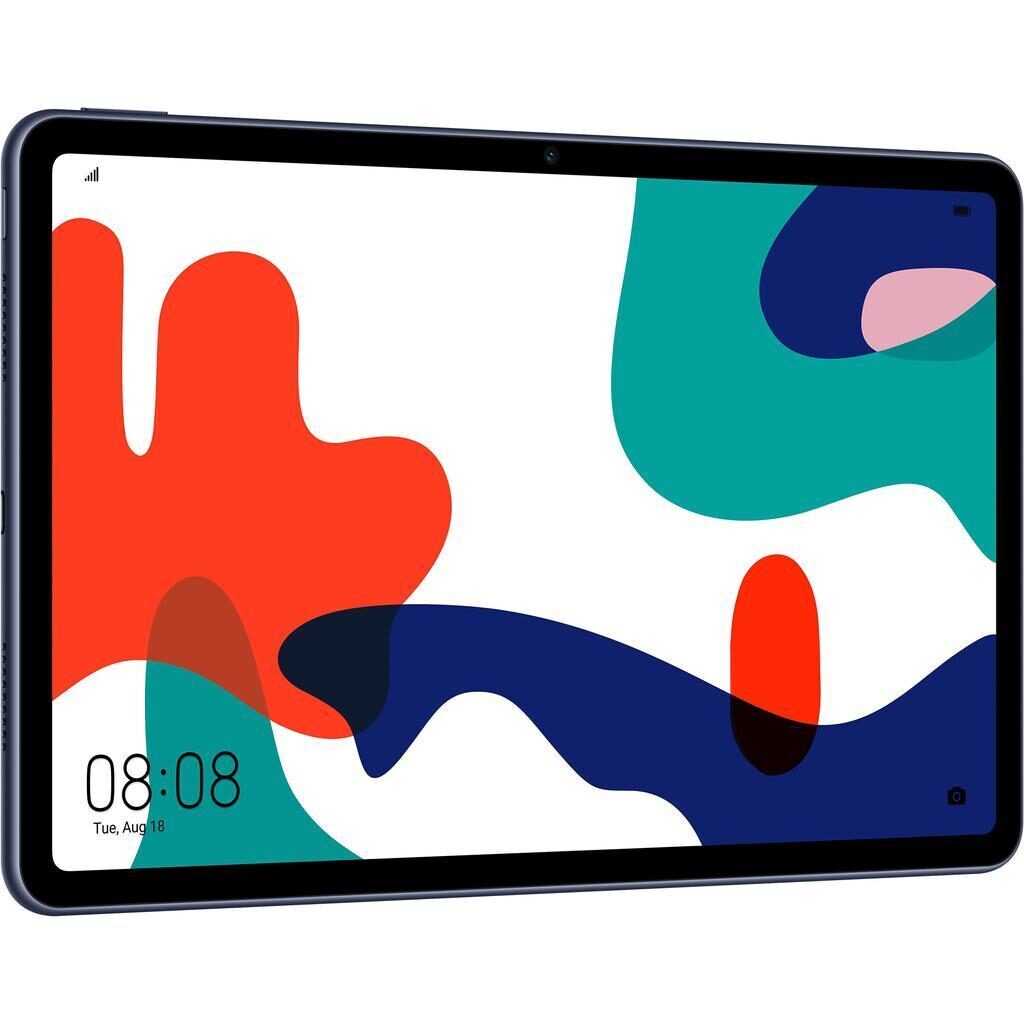
Huawei MatePad Pro (13.2", 2025)
Starting at
£864.60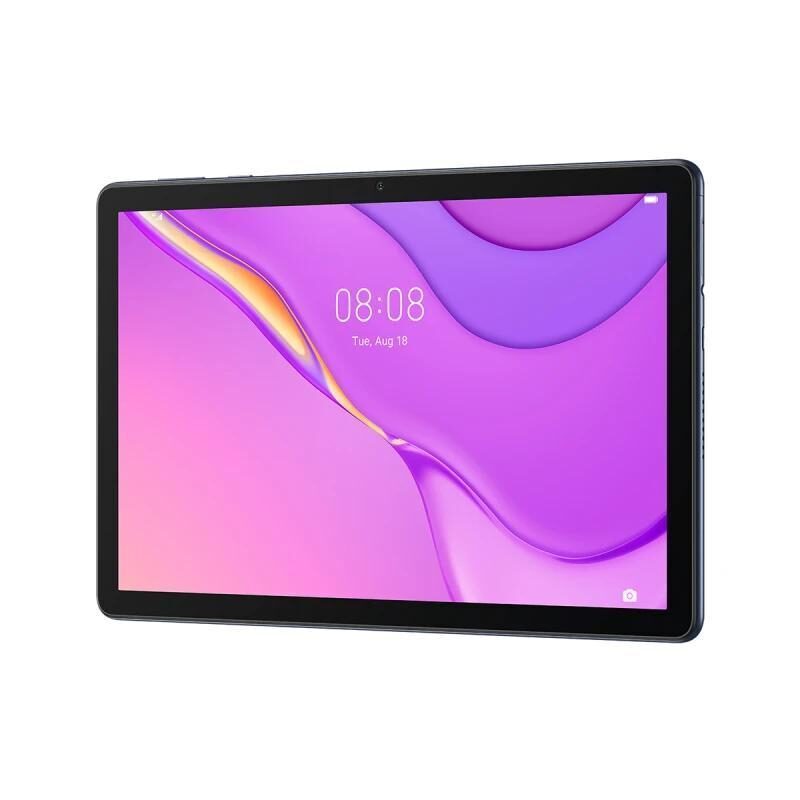
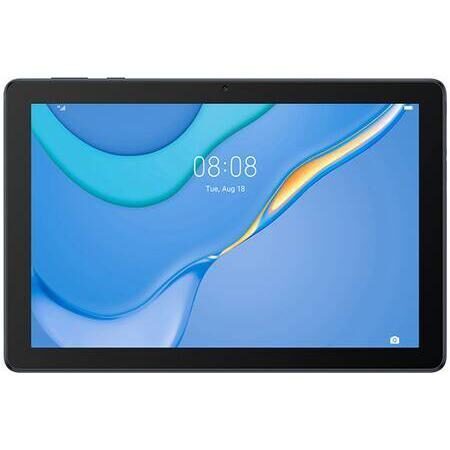
Huawei MatePad T 10s (10.1", 2020)
Starting at
£179.00What's the difference between the Huawei MatePad Pro (13.2", 2025) and Huawei MatePad T 10s (10.1", 2020)?
Huawei MatePad Pro (13.2", 2025) vs Huawei MatePad T 10s (10.1", 2020) comes down to the chipset, RAM and battery. Refurbished, the Huawei MatePad T 10s (10.1", 2020) starts at £179, £685.60 less than the Huawei MatePad Pro (13.2", 2025). The Huawei MatePad Pro (13.2", 2025) is the newer model, released in 2025.
Refurbished from
Chipset
RAM
Battery
Screen size
Screen type
- Chipset: Kirin T92 on the Huawei MatePad Pro (13.2", 2025), Kirin 710A on the Huawei MatePad T 10s (10.1", 2020).
- The Huawei MatePad Pro (13.2", 2025) has more RAM: 12 GB vs 3 GB.
- The Huawei MatePad Pro (13.2", 2025) has a bigger battery: 10100 mAh vs 5100 mAh.
Huawei MatePad Pro (13.2", 2025) vs Huawei MatePad T 10s (10.1", 2020) specs
The Huawei MatePad Pro (13.2", 2025) and the Huawei MatePad T 10s (10.1", 2020) differ in size, performance, and features that relate to their intended use. The MatePad Pro offers a larger, higher resolution OLED screen and more memory, suited for users who want a spacious display and multitasking ability. Its battery capacity is double that of the MatePad T 10s, supporting longer use between charges. The MatePad T 10s is a tablet with a smaller screen and lower storage, ideal for everyday tasks and lighter use. Both run Android-based operating systems but support different versions. Buyers should choose the MatePad Pro for more demanding use and the MatePad T 10s for straightforward, everyday tablet needs.
Huawei MatePad Pro (13.2", 2025) vs Huawei MatePad T 10s (10.1", 2020) price
Colour
- WhiteSold out
- BlueSold out
Storage
- 256GBSold out
- 64GBSold out
Huawei MatePad Pro (13.2", 2025) vs Huawei MatePad T 10s (10.1", 2020) battery life and software updates
Battery size and operating system support influence how long each tablet can last in daily use and what software features are available. These differences affect your experience over time and how you interact with each device.
Battery Capacity
The Huawei MatePad Pro comes with a 10100 mAh battery, which means it can power longer sessions between charges. This suits users who need extended use for work or entertainment without frequent recharging. The MatePad T 10s has a 5100 mAh battery, which fits everyday use and shorter sessions.
Operating System Versions
The MatePad Pro supports Harmony OS 4.3, offering a different software environment than the MatePad T 10s, which runs Android 10. Both are Android-based but provide distinct system experiences that may influence app compatibility and updates.
Battery
Maximum operating system supported
Year of release
Huawei MatePad Pro (13.2", 2025) vs Huawei MatePad T 10s (10.1", 2020) performance
Performance depends on processor, memory, and storage. These factors determine how well a tablet handles multitasking, apps, and data storage, affecting who the device suits best.
Processor Brands and Models
The Huawei MatePad Pro uses a Kirin T92 processor, while the MatePad T 10s runs on a Kirin 710A chipset made by Kirin. These different processors reflect the design focus and performance expectations of each device.
Memory Size
With 12 GB of RAM, the MatePad Pro allows for keeping many apps open and smooth multitasking. The MatePad T 10s has 3 GB of RAM, which suits everyday use and lighter multitasking needs.
Storage Options
Storage capacity varies with the MatePad Pro offering 256 GB, ideal for storing large files, apps, and media. The MatePad T 10s provides 64 GB, enough for everyday apps and moderate media storage.
Chipset
Processor
Processor brand
Processor core
Processor speed ghz
RAM
Huawei MatePad Pro (13.2", 2025) vs Huawei MatePad T 10s (10.1", 2020) screen
Screen size, resolution, and type impact how you view content and interact with your tablet. These differences target distinct uses, from immersive viewing to portability.
Screen Size and Resolution
The MatePad Pro features a 13.2 inch display with 2880x1920 resolution, providing a spacious and sharp viewing area for videos, reading, and multitasking. The MatePad T 10s has a smaller 10.1 inch screen with 1200x1920 resolution, suitable for daily browsing and casual media consumption.
Screen Technology
The MatePad Pro uses an OLED screen type, which is known for deeper blacks and vibrant colours, enhancing visual quality. The MatePad T 10s uses an IPS LCD screen, which offers good colour accuracy and brightness for everyday use.
Pixel Density
With 262 pixels per inch, the MatePad Pro has a sharper image quality that benefits detailed viewing and text clarity. The MatePad T 10s has 230 pixels per inch, which still delivers clear visuals for its screen size.
Pixel density
Refresh rate
Resolution
Screen size
Screen type
Huawei MatePad Pro (13.2", 2025) vs Huawei MatePad T 10s (10.1", 2020) camera
Sound and camera features influence how you enjoy media and communicate. These tablets provide stereo speakers and webcams suitable for video calls and media playback.
Speaker Setup
The Huawei MatePad Pro includes stereo speakers (6 speakers), offering a richer and more immersive sound experience. The MatePad T 10s has stereo speakers, providing balanced audio for everyday listening.
Webcam Availability
Both the MatePad Pro and the MatePad T 10s come with webcams, making them equally capable for video conferencing and casual video chats.
Front camera
Main camera
Speakers
Webcam
Huawei MatePad Pro (13.2", 2025) vs Huawei MatePad T 10s (10.1", 2020) size and design
Other features like camera resolution, weight, and connectivity options affect portability, photo quality, and compatibility with accessories.
Camera Megapixels
The MatePad Pro has a 13 megapixel camera, capturing more detail in photos. The MatePad T 10s has a 5 megapixel camera, suitable for basic photography and video calls.
Weight Differences
Weighing 2045 g, the MatePad Pro is heavier, reflecting its larger screen and battery size. The MatePad T 10s is lighter at 450 g, making it easier to carry and hold for longer periods.
Connectivity and Ports
Both tablets use USB Type-C connectors and operate on Wi-Fi networks, with no SIM card slots, focusing on wireless internet use and modern accessory support.
120hz
Carrier compatibility
Connector
Depth
Double sim
Height
Megapixels
Network
Weight
Width
With stylus pencil
Huawei MatePad Pro (13.2", 2025) or Huawei MatePad T 10s (10.1", 2020): which should you buy?
Buy the Huawei MatePad Pro (13.2", 2025) if
- you want more RAM (12 GB vs 3 GB)
- you want a bigger battery (10100 mAh vs 5100 mAh)
- you want a bigger screen (13.2 inch vs 10.1 inch)
Buy the Huawei MatePad T 10s (10.1", 2020) if
- you want to spend less: it starts at £179, £685.60 less than the Huawei MatePad Pro (13.2", 2025)
- you want a lighter build (450 g vs 2045 g)
Huawei MatePad Pro (13.2", 2025) vs Huawei MatePad T 10s (10.1", 2020) FAQs
Huawei MatePad Pro (13.2", 2025) vs Huawei MatePad T 10s (10.1", 2020) comes down to the chipset, RAM and battery. Chipset: Kirin T92 on the Huawei MatePad Pro (13.2", 2025), Kirin 710A on the Huawei MatePad T 10s (10.1", 2020). The Huawei MatePad Pro (13.2", 2025) has more RAM: 12 GB vs 3 GB.
The Huawei MatePad T 10s (10.1", 2020) is cheaper refurbished, from £179 compared with £864.60 for the Huawei MatePad Pro (13.2", 2025).
The Huawei MatePad Pro (13.2", 2025) has a bigger battery: 10100 mAh vs 5100 mAh.
The Huawei MatePad Pro (13.2", 2025) adds more RAM (12 GB vs 3 GB), a bigger battery (10100 mAh vs 5100 mAh) and a bigger screen (13.2 inch vs 10.1 inch). Refurbished, it costs £685.60 more (from £864.60 vs £179).
Refurbished, the Huawei MatePad Pro (13.2", 2025) comes in 256GB, and the Huawei MatePad T 10s (10.1", 2020) in 64GB.