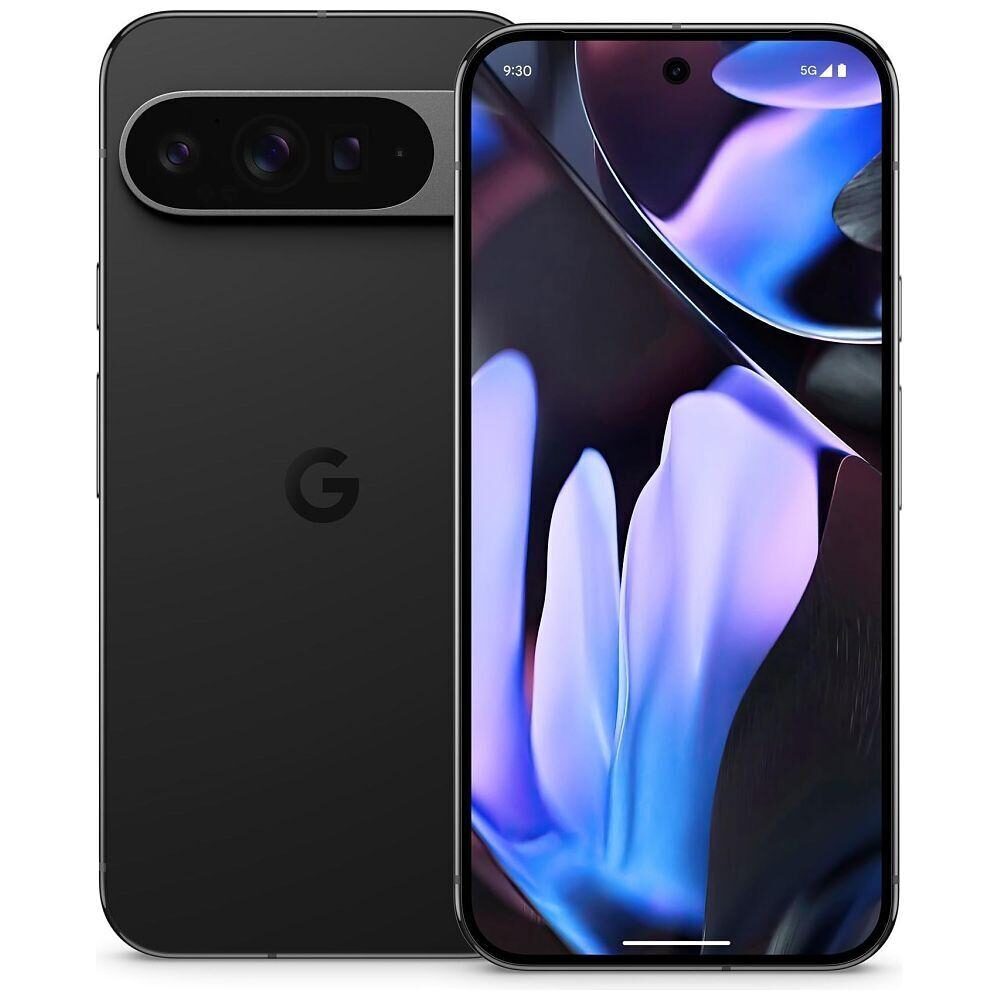
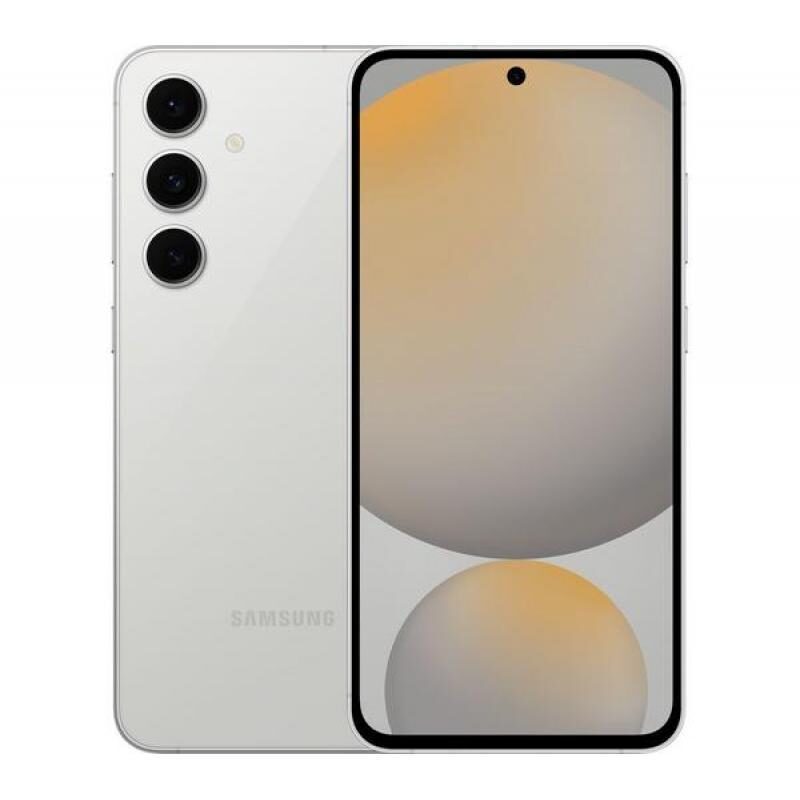
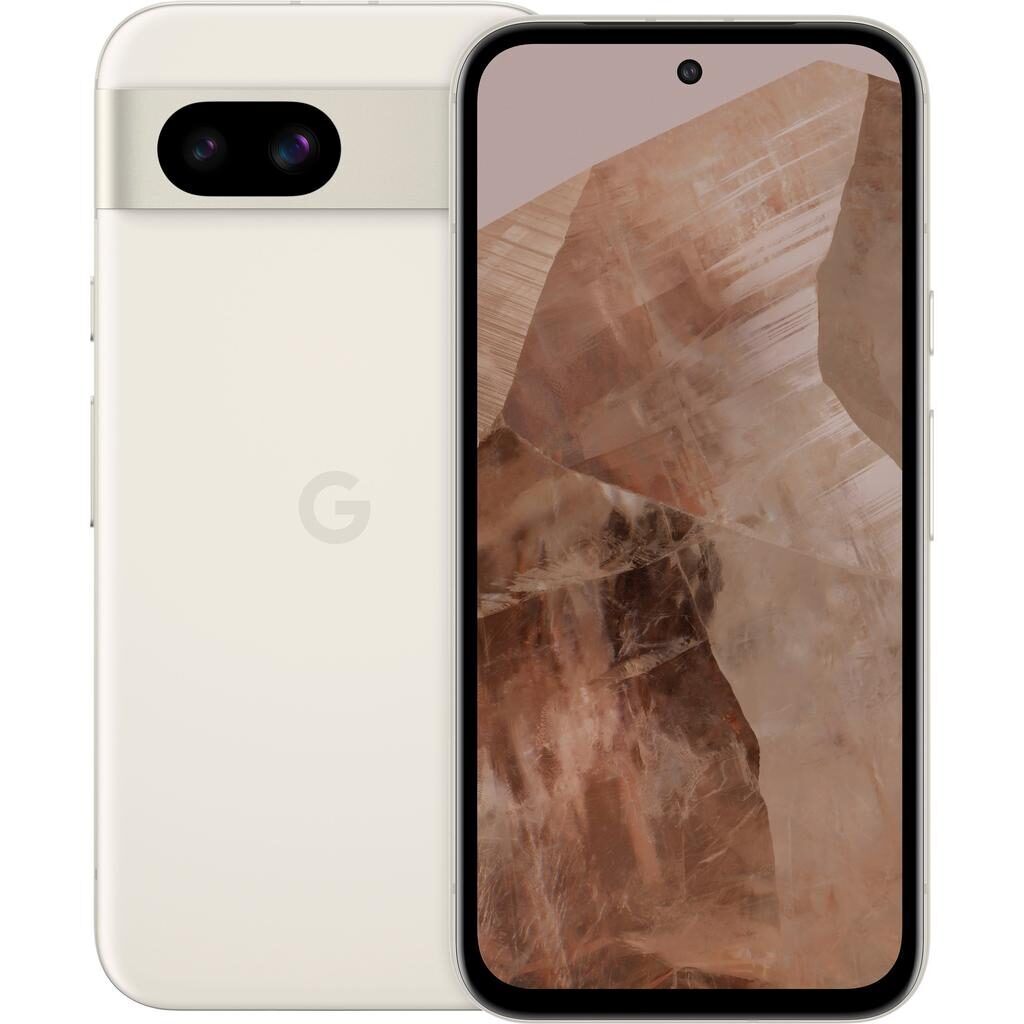
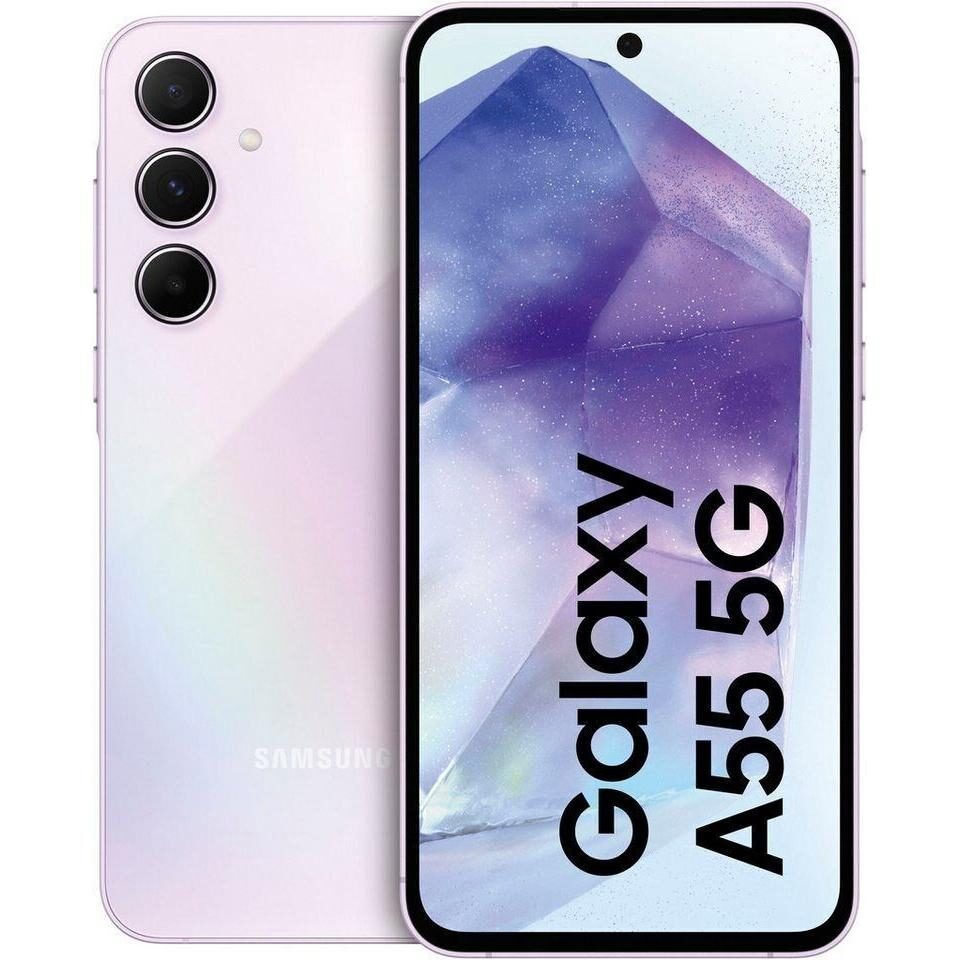
HMD Pulse vs Motorola Moto G85
Shop Android Smartphones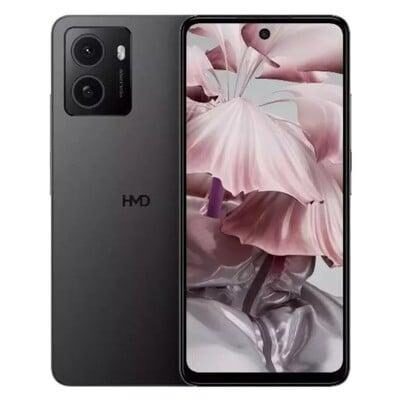
HMD Pulse
Starting at
£103.00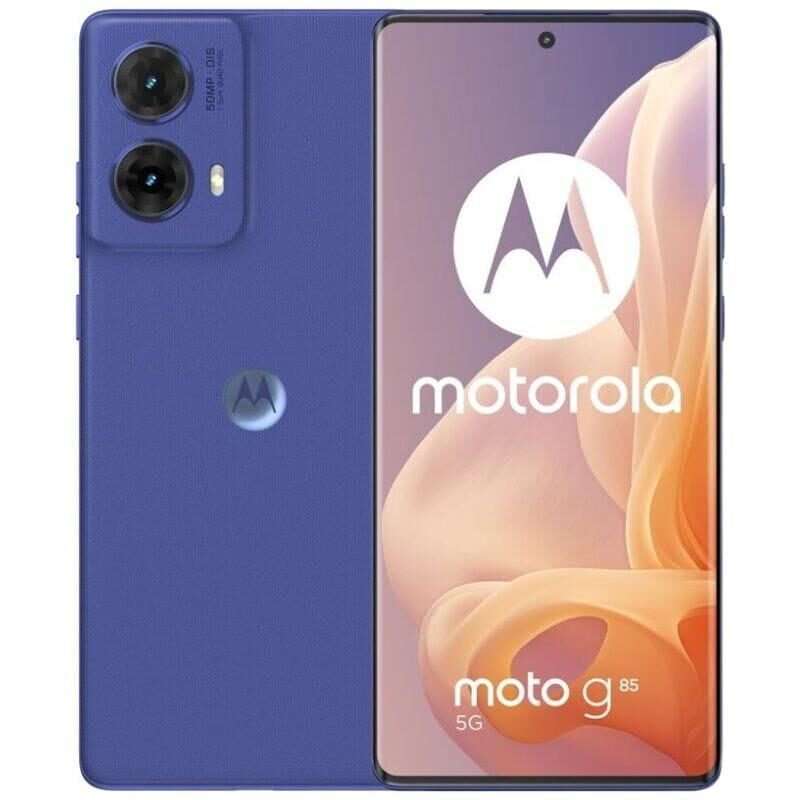
Motorola Moto G85
Starting at
£251.99What's the difference between the HMD Pulse and Motorola Moto G85?
HMD Pulse vs Motorola Moto G85 comes down to the chipset, RAM and screen size. Refurbished, the HMD Pulse starts at £103, £148.99 less than the Motorola Moto G85.
Refurbished from
Chipset
RAM
Screen size
Screen type
Refresh rate
- Chipset: Unisoc T606 (12 nm) on the HMD Pulse, Qualcomm SM6375 Snapdragon 6s Gen 3 (6 nm) on the Motorola Moto G85.
- The Motorola Moto G85 has more RAM: 12 GB vs 4 GB.
- Screen size: 6.65 inch on the HMD Pulse, 6,67 inch on the Motorola Moto G85.
HMD Pulse vs Motorola Moto G85 specs
The HMD Pulse and the Motorola Moto G85 both offer solid features for everyday use, but they cater to different needs. The HMD Pulse provides a straightforward experience with 4 GB of RAM and a 720x1612 IPS LCD screen at 90 Hz, suitable for users who want a simpler device. The Motorola Moto G85 stands out with a more powerful Snapdragon 6s Gen 3 chipset, 12 GB of RAM, a higher resolution OLED screen at 120 Hz, and a 32 megapixel front camera, making it ideal for users who want smoother performance, a sharper display, and more detailed selfies. The Moto G85 also supports 5G and offers more storage options, along with a slimmer and lighter design, which suits those looking for a faster, more feature-rich phone.
HMD Pulse vs Motorola Moto G85 price
Colour
- BlackSold out
- BlueSold out
Storage
- 64GBSold out
- 256GBSold out
HMD Pulse vs Motorola Moto G85 battery life and software updates
Both phones offer similar durability features including battery capacity and operating system, which are key for daily reliability and consistent use.
Battery Capacity
The HMD Pulse and the Motorola Moto G85 each have a 5000 mAh battery. This capacity supports long usage times, making both suitable for users who need their phone to last through a full day of typical use.
Operating System
Both devices run Android, providing a familiar and flexible software environment. This means you can expect a similar user interface and app compatibility from each phone.
Battery
Foldable
Year of release
HMD Pulse vs Motorola Moto G85 performance
Performance differences are notable between these two phones, affecting multitasking, app speed, and overall responsiveness.
Chipset Efficiency
The HMD Pulse uses a Unisoc T606 chipset with a 12 nm process, which suits everyday tasks and basic app usage. The Motorola Moto G85 has a Qualcomm Snapdragon 6s Gen 3 chipset built on 6 nm technology, offering more power and efficiency for demanding apps and smoother multitasking.
Memory Capacity
With 4 GB of RAM, the HMD Pulse is designed for everyday use and keeps common apps running smoothly. The Motorola Moto G85's 12 GB of RAM allows for more apps to stay open simultaneously, which benefits users who multitask heavily or use memory-intensive applications.
Storage Size
The HMD Pulse comes with 64 GB of storage, fitting for users with moderate app and media needs. The Motorola Moto G85 offers 256 GB, ideal for those who store large files, games, or many apps without relying heavily on external memory.
Chipset
RAM
HMD Pulse vs Motorola Moto G85 screen
Screen quality varies significantly, affecting how vibrant and smooth the display looks for watching videos, gaming, or browsing.
Display Technology
The HMD Pulse features an IPS LCD screen, providing clear and accurate colour reproduction suitable for everyday viewing. The Motorola Moto G85 uses OLED technology, known for deeper blacks and more vivid colours, enhancing visual experiences for media consumption.
Resolution and Size
The HMD Pulse has a 6.65 inch screen with 720x1612 resolution, offering sufficient space for browsing and apps. The Motorola Moto G85 has a slightly larger 6.67 inch display with 1080x2400 pixels, delivering sharper images and more detail, which benefits users who prioritise screen clarity.
Refresh Rate
With a 90 Hz refresh rate, the HMD Pulse provides smoother scrolling and animations compared to standard 60 Hz screens. The Motorola Moto G85 boosts this to 120 Hz, making interactions feel even more fluid and responsive, which is noticeable when gaming or scrolling quickly.
Refresh rate
Resolution
Screen size
Screen type
HMD Pulse vs Motorola Moto G85 camera
Camera type
Front camera
Main camera
HMD Pulse vs Motorola Moto G85 size and design
Additional features affect network options, physical design, and expandability, which can influence daily convenience and connectivity.
Network Compatibility
The HMD Pulse supports 4G networks, suitable for users in areas where 5G is not essential. The Motorola Moto G85 supports 5G, offering faster mobile data speeds where available, which suits users wanting quicker downloads and streaming.
SIM Card Options
The HMD Pulse uses a single physical SIM card, which is straightforward for standard use. The Motorola Moto G85 supports both a physical SIM card and an eSIM, providing flexibility for users managing multiple numbers or carriers.
Size and Weight
The HMD Pulse measures 163.2 mm tall, 75 mm wide, and 8.5 mm deep, weighing 187 g. The Motorola Moto G85 is slightly smaller and lighter at 161.9 mm by 73.1 mm by 7.6 mm and 173 g, which may be preferable for users seeking a more compact and lighter phone.
Storage Expansion
Both phones have a microSDXC slot, allowing you to add extra storage if needed. This is useful for users who want to keep more photos, videos, or files without relying solely on internal storage.
Connector Type
Each phone uses a USB-C connector, supporting common charging and data transfer standards for convenience and compatibility.
Carrier compatibility
Connector
Depth
Height
Mobile network
SD card slot
SIM card
Weight
Width
HMD Pulse or Motorola Moto G85: which should you buy?
Buy the HMD Pulse if
- you want to spend less: it starts at £103, £148.99 less than the Motorola Moto G85
Buy the Motorola Moto G85 if
- you want more RAM (12 GB vs 4 GB)
- you want an OLED screen
- you want a smoother screen (120 Hz vs 90 Hz)
HMD Pulse vs Motorola Moto G85 FAQs
HMD Pulse vs Motorola Moto G85 comes down to the chipset, RAM and screen size. Chipset: Unisoc T606 (12 nm) on the HMD Pulse, Qualcomm SM6375 Snapdragon 6s Gen 3 (6 nm) on the Motorola Moto G85. The Motorola Moto G85 has more RAM: 12 GB vs 4 GB.
The HMD Pulse is cheaper refurbished, from £103 compared with £251.99 for the Motorola Moto G85.
Both have the same battery: 5000 mAh.
Refurbished, the HMD Pulse comes in 64GB, and the Motorola Moto G85 in 256GB.