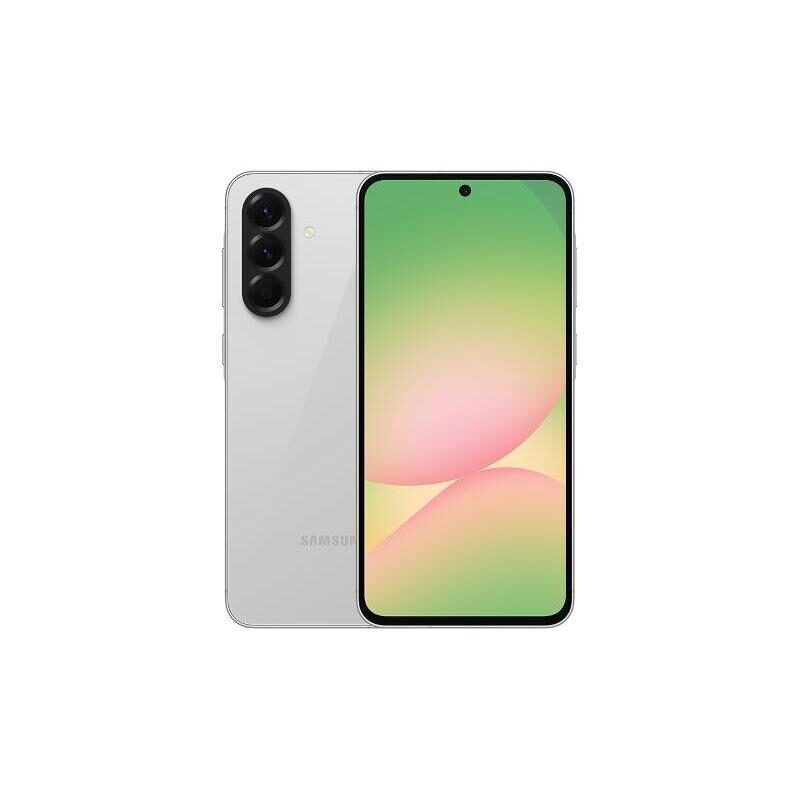
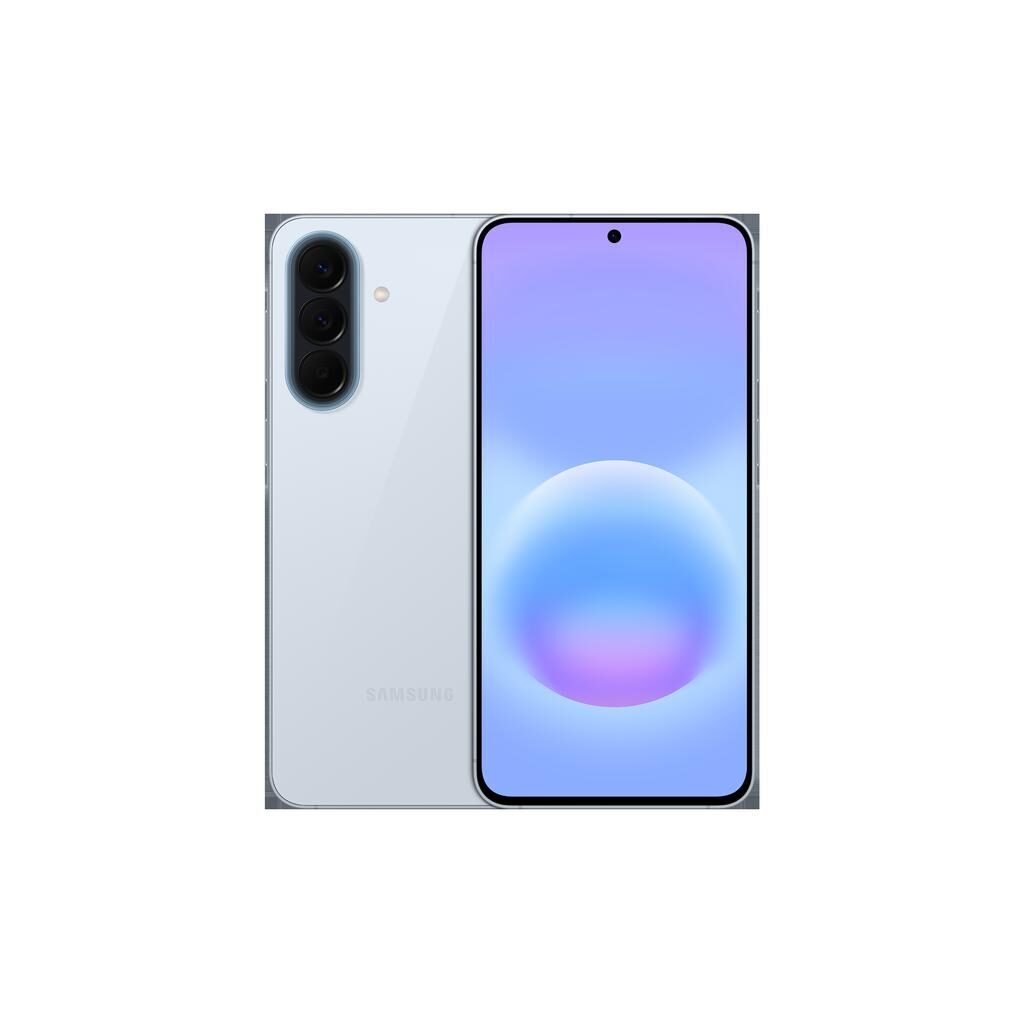
HMD Fusion vs Xiaomi Poco C71
Shop Android Smartphones
HMD Fusion
Starting at
£146.99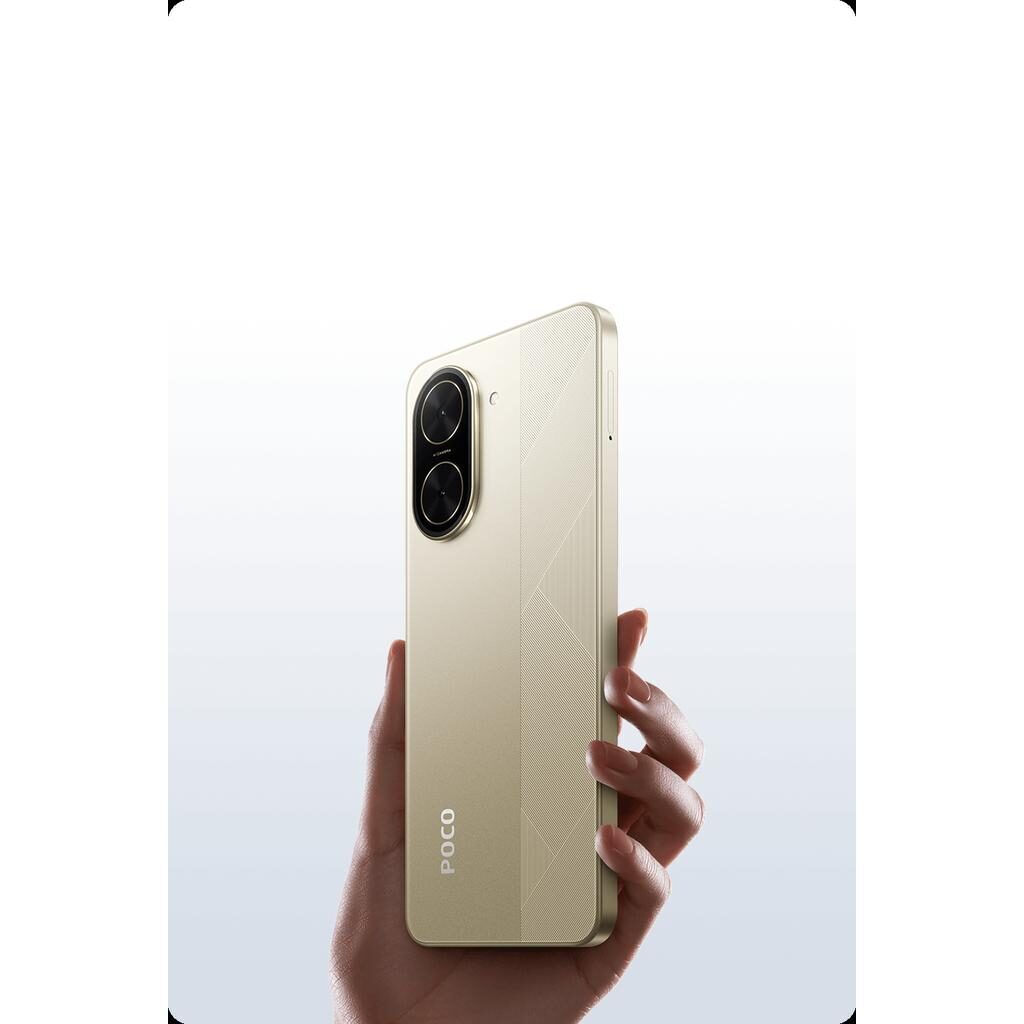
Xiaomi Poco C71
Starting at
£146.00What's the difference between the HMD Fusion and Xiaomi Poco C71?
HMD Fusion vs Xiaomi Poco C71 comes down to the chipset, battery and screen size. Refurbished, the Xiaomi Poco C71 starts at £146, £0.99 less than the HMD Fusion. The Xiaomi Poco C71 is the newer model, released in 2025.
Refurbished from
Chipset
Battery
Screen size
Refresh rate
Main camera
- Chipset: Qualcomm SM4450 Snapdragon 4 Gen 2 (4 nm) on the HMD Fusion, Unisoc T7250 (12 nm) on the Xiaomi Poco C71.
- The Xiaomi Poco C71 has a bigger battery: 5200 mAh vs 5000 mAh.
- The Xiaomi Poco C71 has a bigger screen: 6.88 inch vs 6.56 inch.
HMD Fusion vs Xiaomi Poco C71 specs
The HMD Fusion and Xiaomi Poco C71 offer different strengths suited to varying needs. The HMD Fusion features a more powerful Snapdragon chipset and higher resolution front and main cameras, ideal if you want faster performance and detailed photos. Xiaomi Poco C71 has a larger screen with a higher refresh rate for smoother scrolling and more room for video. It also provides a slightly bigger battery and a 3.5 mm headphone jack, which can matter if you use wired headphones often. The HMD Fusion supports 5G networks and includes both a physical SIM and eSIM, while the Xiaomi Poco C71 has dual physical SIM slots and runs on 4G. Both have 4 GB RAM and 128 GB storage, making them suitable for everyday use with similar multitasking and space.
HMD Fusion vs Xiaomi Poco C71 price
Colour
- BlackSold out
- GoldSold out
Storage
- 128GBSold out
- 128GBSold out
HMD Fusion vs Xiaomi Poco C71 battery life and software updates
Battery size and network compatibility are key durability factors here, along with SIM and operating system options. These aspects influence how long your device can last through the day and how you connect to mobile networks.
Battery Capacity
The Xiaomi Poco C71 has a 5200 mAh battery, offering a bit more capacity than the HMD Fusion's 5000 mAh. This difference could provide longer use between charges for the Poco C71, which suits users who spend more time away from power sources.
Mobile Network Support
HMD Fusion supports 5G networks, which is useful if you want faster mobile data speeds where 5G is available. Xiaomi Poco C71 supports 4G networks, which still deliver solid connectivity in many areas and suits those who do not require 5G.
SIM Card Options
HMD Fusion offers a physical SIM plus eSIM, giving flexibility to use a digital SIM alongside a physical one. Xiaomi Poco C71 comes with dual physical SIM slots, providing the option to use two physical SIM cards simultaneously, which can be handy for managing two numbers.
Operating System
Both devices run Android, so you can expect a familiar interface and access to the same apps and Google services on either phone.
Battery
Foldable
Year of release
HMD Fusion vs Xiaomi Poco C71 performance
Performance depends on the chipset, RAM, and storage available. These affect how smoothly apps run, how quickly tasks complete, and how much space you have.
Processor Chipset
HMD Fusion uses the Qualcomm SM4450 Snapdragon 4 Gen 2 built on a 4 nm process, which is designed for efficient and responsive performance. Xiaomi Poco C71 features a Unisoc T7250 chipset on a 12 nm process, suitable for everyday use but optimised differently. This means HMD Fusion is better suited to users wanting smoother multitasking and faster app performance.
RAM and Storage
Both phones come with 4 GB of RAM and 128 GB of storage. This amount of memory keeps everyday apps running smoothly and provides ample space for apps, photos, and files for most users.
Chipset
RAM
HMD Fusion vs Xiaomi Poco C71 screen
Screen size, resolution, refresh rate and panel type all shape your viewing and interaction experience. Both phones use IPS LCD screens but differ in size and smoothness.
Screen Size and Resolution
Xiaomi Poco C71 has a larger 6.88 inch screen compared to HMD Fusion's 6.56 inch display. The Poco C71's slightly higher resolution of 720 x 1640 pixels also gives you a bit more space and detail, which suits watching videos or browsing with a roomier display.
Refresh Rate
The Poco C71 offers a 120 Hz refresh rate, making scrolling and animations appear smoother. HMD Fusion has a 90 Hz refresh rate, which still improves over standard 60 Hz but feels less fluid than 120 Hz. The higher refresh rate suits users who value silky smooth visuals while gaming or browsing.
Screen Panel
Both phones feature IPS LCD panels, which provide good colour accuracy and viewing angles. This means you can expect clear and consistent image quality from either device.
Refresh rate
Resolution
Screen size
Screen type
HMD Fusion vs Xiaomi Poco C71 camera
Camera quality and front camera resolution influence how detailed your photos and video calls will be. Both phones differ in megapixels for front and main cameras.
Front Camera Detail
HMD Fusion has a 50 megapixel front camera, offering high-resolution selfies and video calls with more detail. Xiaomi Poco C71's front camera has 8 megapixels, which is suitable for everyday use like video chatting but captures less fine detail.
Main Camera Resolution
HMD Fusion sports a 50 megapixel main camera, delivering photos with a high level of detail. Xiaomi Poco C71 offers a 32 megapixel main camera, which can still take sharp pictures but at a lower megapixel count than the Fusion. This suits users who prioritise camera detail in their photos.
Camera type
Front camera
Main camera
HMD Fusion vs Xiaomi Poco C71 size and design
Other differences include physical dimensions, connectors, network options and SIM configurations which affect handling, accessory use and connectivity.
Physical Size and Weight
Xiaomi Poco C71 is taller at 171.8 mm and wider at 77.8 mm, making it a bigger device overall. It also weighs 193 g, which is lighter than the HMD Fusion's 202 g. Users who prefer a larger screen but lighter feel will find the Poco C71 suits them.
Connectors Available
HMD Fusion includes a USB-C connector. Xiaomi Poco C71 has both USB-C and a 3.5 mm headphone jack, which is useful if you use wired headphones without an adapter.
Carrier and SIM Compatibility
Both phones are unlocked for use with any carrier. HMD Fusion supports a physical SIM and an eSIM, ideal if you want a digital SIM alongside a physical one. Xiaomi Poco C71 offers dual physical SIM slots for using two separate physical SIM cards at once.
Expandable Storage
Both phones support microSDXC cards, allowing you to increase storage capacity beyond the built-in 128 GB. This suits users who want to carry many media files.
Carrier compatibility
Connector
Depth
Height
Mobile network
SD card slot
SIM card
Weight
Width
HMD Fusion or Xiaomi Poco C71: which should you buy?
Buy the HMD Fusion if
- you want a higher-resolution main camera (50 megapixels vs 32 megapixels)
- you want a higher-resolution front camera (50 megapixels vs 8 megapixels)
- you want 5G
Buy the Xiaomi Poco C71 if
- you want to spend less: it starts at £146, £0.99 less than the HMD Fusion
- you want a bigger battery (5200 mAh vs 5000 mAh)
- you want a bigger screen (6.88 inch vs 6.56 inch)
HMD Fusion vs Xiaomi Poco C71 FAQs
HMD Fusion vs Xiaomi Poco C71 comes down to the chipset, battery and screen size. Chipset: Qualcomm SM4450 Snapdragon 4 Gen 2 (4 nm) on the HMD Fusion, Unisoc T7250 (12 nm) on the Xiaomi Poco C71. The Xiaomi Poco C71 has a bigger battery: 5200 mAh vs 5000 mAh.
The Xiaomi Poco C71 is cheaper refurbished, from £146 compared with £146.99 for the HMD Fusion.
The Xiaomi Poco C71 has a bigger battery: 5200 mAh vs 5000 mAh.
The HMD Fusion has a higher-resolution main camera: 50 megapixels vs 32 megapixels.
Both come in 128GB refurbished.