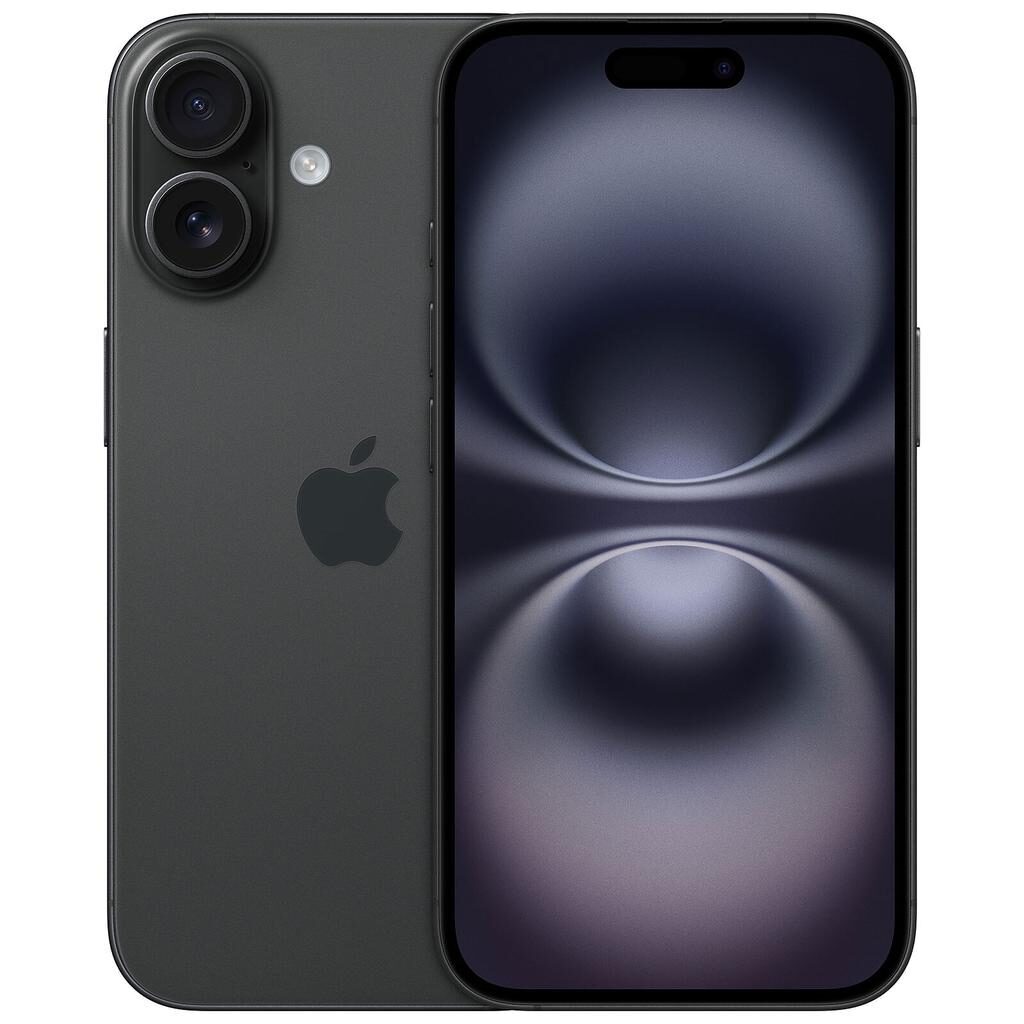
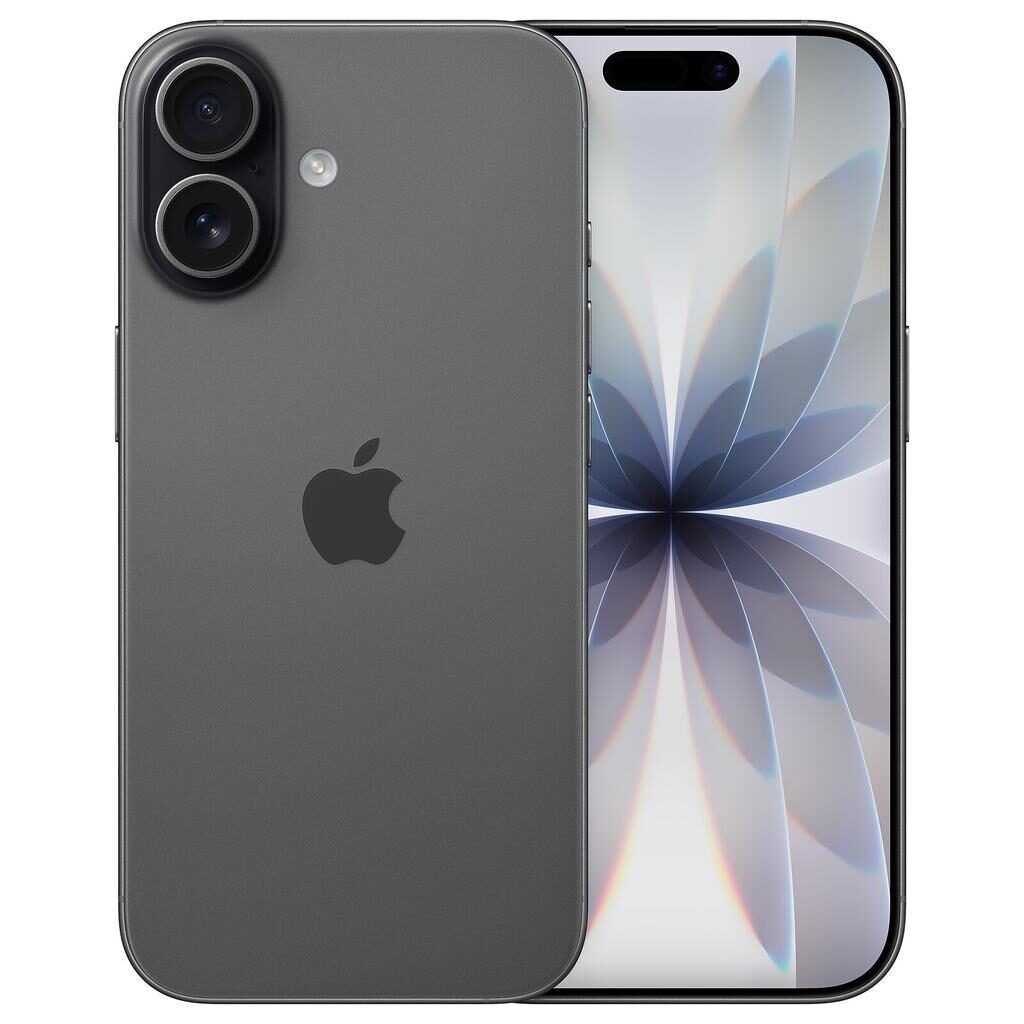
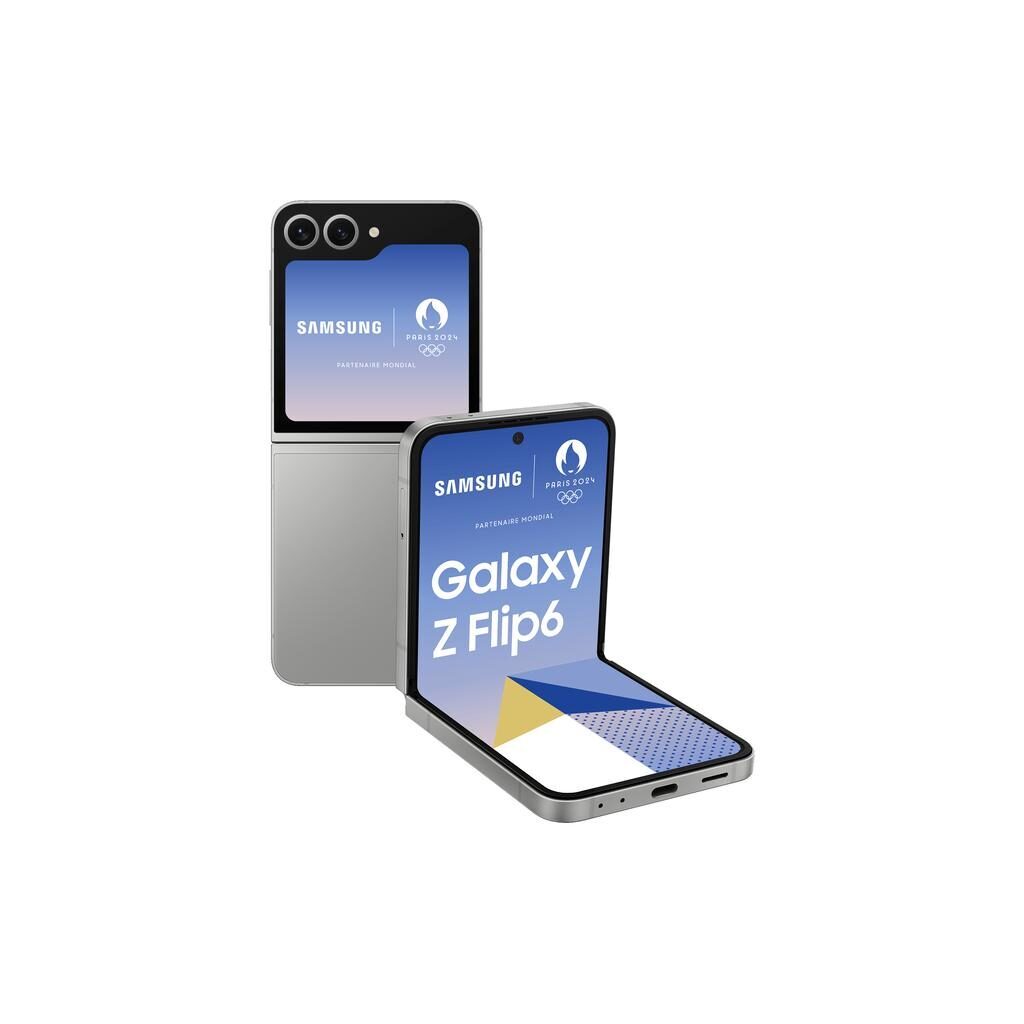
Google Pixel 9a vs iPhone 16e
Shop Google Pixel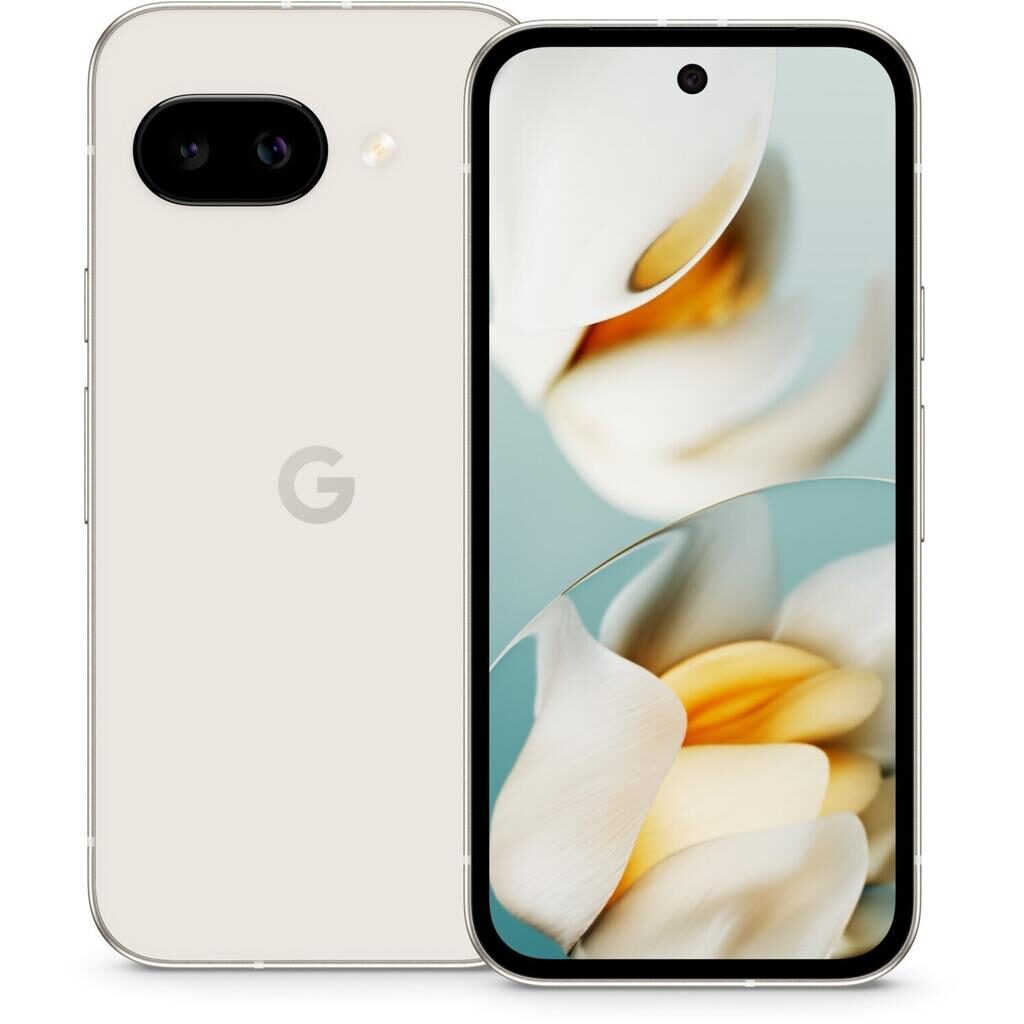
Google Pixel 9a
Starting at
£265.00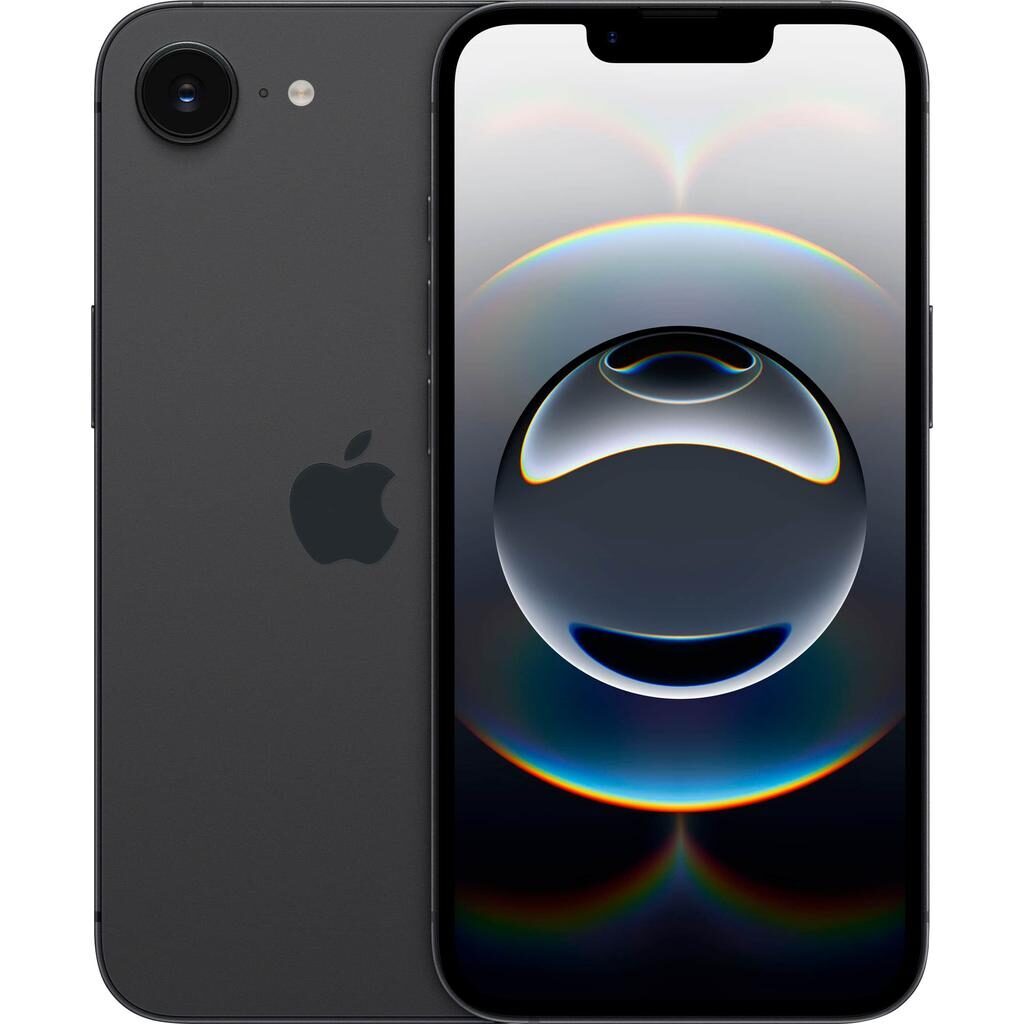
iPhone 16e
Starting at
£478.75£599.00 newWhat's the difference between the Google Pixel 9a and iPhone 16e?
Google Pixel 9a vs iPhone 16e comes down to the chipset, battery and screen size. Refurbished, the Google Pixel 9a starts at £265, £213.75 less than the iPhone 16e.
Refurbished from
Chipset
Battery
Screen size
Screen type
Front camera
- Chipset: Google Tensor G4 (4 nm) on the Google Pixel 9a, Apple A18 (3 nm) on the iPhone 16e.
- The Google Pixel 9a has a bigger battery: 5100 mAh vs 4005 mAh.
- The Google Pixel 9a has a bigger screen: 6.3 inch vs 6.1 inch.
Google Pixel 9a vs iPhone 16e specs
The Google Pixel 9a and the iPhone 16e, both released in 2025, offer distinct experiences for different users. The Pixel 9a suits those who prefer a larger screen, longer battery life, and the Android operating system, while the iPhone 16e appeals to those who value a higher screen resolution, a slightly smaller and lighter device, and iOS. Storage options also differ, with the Pixel 9a available in 128GB and the iPhone 16e offering 128GB, 256GB, and 512GB. Performance and camera features vary subtly, making each phone a solid choice depending on your priorities and ecosystem preference.
Google Pixel 9a vs iPhone 16e price
Colour
- BlackSold out
- BlueSold out
- BeigeSold out
Storage
Google Pixel 9a vs iPhone 16e battery life and software updates
Durability focuses on battery capacity and operating system, which affect daily use and software experience. Both phones were released in the same year, so these factors come down to battery life and OS preference.
Battery Capacity
The Google Pixel 9a has a 5100 mAh battery, which offers more capacity for longer use between charges. This suits users who prioritise extended battery life, especially for heavy use or being away from charging points. The iPhone 16e has a 4005 mAh battery, which is smaller but may still provide sufficient daily use depending on individual habits.
Operating System
The Pixel 9a runs on Android, offering flexibility with app choices and customisation. The iPhone 16e uses iOS, which provides a different ecosystem and user interface. Your choice here depends on which operating system you are comfortable with or prefer.
Battery
Fast charging
Foldable
Ip rating
Software updates
Wireless charging
Year of release
Google Pixel 9a vs iPhone 16e performance
Performance covers the chipset, RAM, and storage options, which impact speed, multitasking, and how much data you can keep on your device. Both phones have 8 GB of RAM, which keeps everyday apps running smoothly.
Processor Technology
The Google Pixel 9a uses the Google Tensor G4 chipset built on a 4 nm process, while the iPhone 16e features the Apple A18 chipset built on a 3 nm process. Differences in chip fabrication size can influence power efficiency and performance characteristics specific to each device's design and software optimisation.
Storage Options
The Pixel 9a is stocked with 128GB of storage, suitable for users who need a standard amount of space for apps, photos, and files. The iPhone 16e offers a broader range with 128GB, 256GB, and 512GB options, making it a better fit if you want more room for media or apps without relying on cloud storage.
Chipset
RAM
Google Pixel 9a vs iPhone 16e screen
Screen quality affects how you view content daily, including size, resolution, and display technology. Both devices use OLED technology but differ in screen size and resolution.
Screen Size
The Google Pixel 9a has a 6.3 inch screen, which gives you a bit more space for watching videos, browsing, and typing. The iPhone 16e has a slightly smaller 6.1 inch screen, which may appeal if you prefer a more compact device that fits easily in one hand.
Resolution and Display
The Pixel 9a shows 1080 by 2424 pixels on a P-OLED screen, which provides clear and vibrant images. The iPhone 16e uses a Super Retina XDR OLED display with a resolution of 2532 by 1170 pixels, offering higher pixel density across a different aspect ratio. This means the iPhone's screen may deliver sharper details in some uses, especially for text and images.
Refresh rate
Resolution
Screen size
Screen type
Google Pixel 9a vs iPhone 16e camera
Camera type
Front camera
Main camera
Google Pixel 9a vs iPhone 16e size and design
Miscellaneous specs include physical size, weight, connector type, and network features that affect everyday handling and compatibility.
Physical Dimensions and Weight
The Google Pixel 9a measures 154.7 mm in height, 73.3 mm in width, and 8.9 mm in depth, weighing 186 g. It is larger and heavier, which suits users who prefer a bigger device. The iPhone 16e is slightly smaller and lighter, at 146.7 mm tall, 71.5 mm wide, 7.8 mm deep, and 167 g, fitting better in smaller pockets or hands.
Connector and Carrier Compatibility
Both phones use USB-C connectors, which is convenient for charging and accessory compatibility. They are unlocked and support 5G networks, giving you the freedom to choose your carrier and benefit from fast mobile data.
SIM Card Options
Both devices support a physical SIM card along with eSIM, providing flexibility for managing multiple phone numbers or switching carriers easily without changing physical cards.
Carrier compatibility
Connector
Depth
Height
Mobile network
Release date
SD card slot
SIM card
Weight
Width
Google Pixel 9a or iPhone 16e: which should you buy?
Buy the Google Pixel 9a if
- you want to spend less: it starts at £265, £213.75 less than the iPhone 16e
- you want a bigger battery (5100 mAh vs 4005 mAh)
- you want a bigger screen (6.3 inch vs 6.1 inch)
Buy the iPhone 16e if
- you want a lighter build (167 g vs 185.9 g)
What our customers say
Customers who bought the Google Pixel 9a report being pleased with the phone's condition and performance. Many find the battery life to be very good, with some noting it lasts longer than their previous iPhones. The device is praised for running smoothly and handling apps well, with 8 GB of RAM keeping everyday use fluid. Some users mention a small setup hurdle due to the default language setting but generally they are happy with the value and quality of the phone. The larger screen and Android OS are appreciated by those new to the platform.
Buyers of the iPhone 16e describe it as looking and working like new, with some highlighting the ease of eSIM activation and good battery health. The screen quality and speed receive positive mentions and users upgrading from older iPhones notice a clear difference in performance. Some users experienced minor challenges with data transfer or network setup but still found the phone reliable and well conditioned. The range of storage options offers flexibility for different needs.
Both phones suit buyers who want a refurbished device that feels like new but have different priorities. Choose the Pixel 9a for longer battery life and a larger screen with Android or the iPhone 16e for a higher resolution display, lighter design, and iOS experience.
Google Pixel 9a vs iPhone 16e FAQs
Google Pixel 9a vs iPhone 16e comes down to the chipset, battery and screen size. Chipset: Google Tensor G4 (4 nm) on the Google Pixel 9a, Apple A18 (3 nm) on the iPhone 16e. The Google Pixel 9a has a bigger battery: 5100 mAh vs 4005 mAh.
The Google Pixel 9a is cheaper refurbished, from £265 compared with £478.75 for the iPhone 16e.
The Google Pixel 9a has a bigger battery: 5100 mAh vs 4005 mAh.
Both have the same main camera: 48 megapixels.
The Google Pixel 9a gets updates until Apr 2032. The iPhone 16e is still supported and can run iOS 27.
Refurbished, the Google Pixel 9a comes in 128GB, and the iPhone 16e in 128GB, 256GB and 512GB.