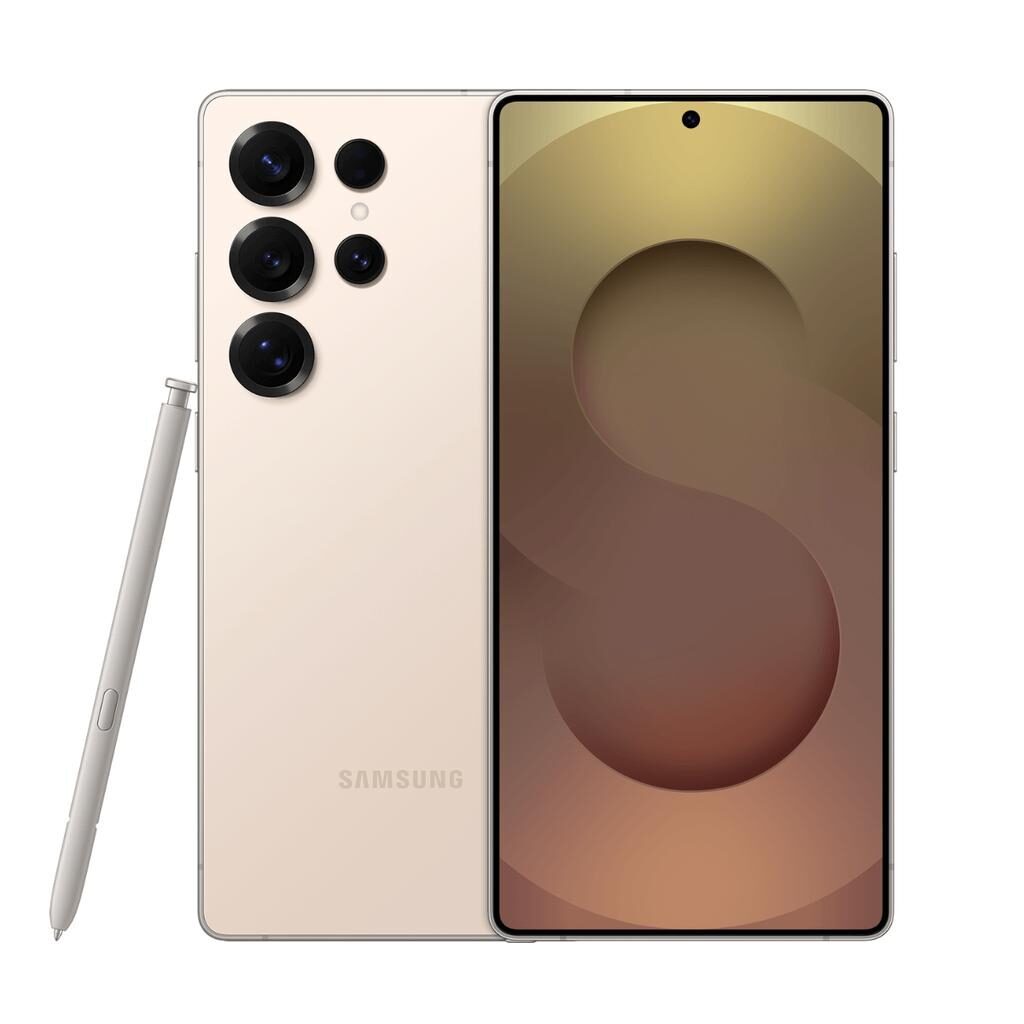
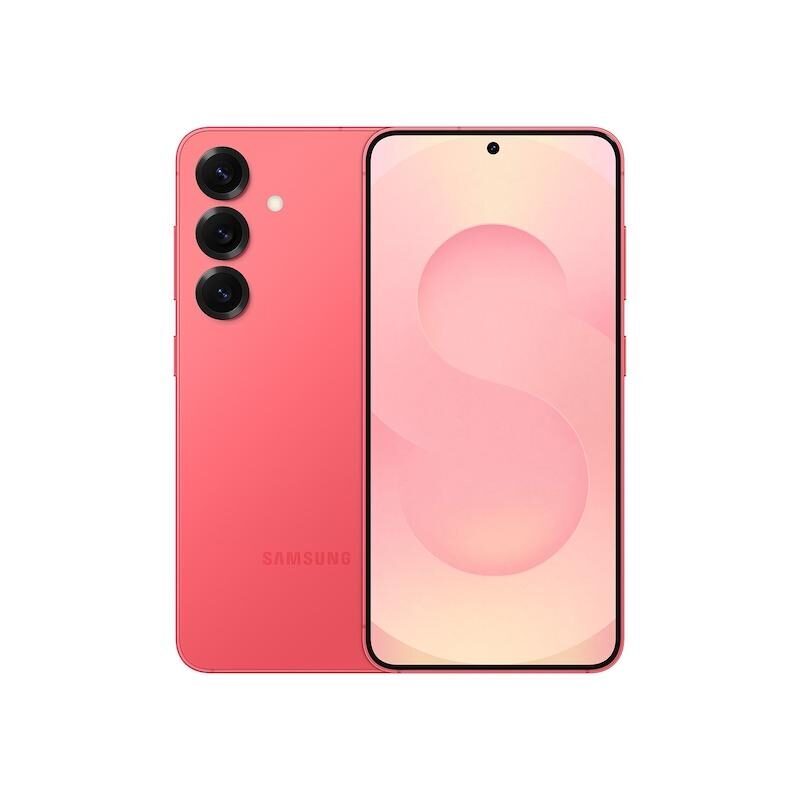
Google Pixel 9 vs Xiaomi Redmi Note 13 Pro
Shop Google Pixel
Google Pixel 9
Starting at
£314.00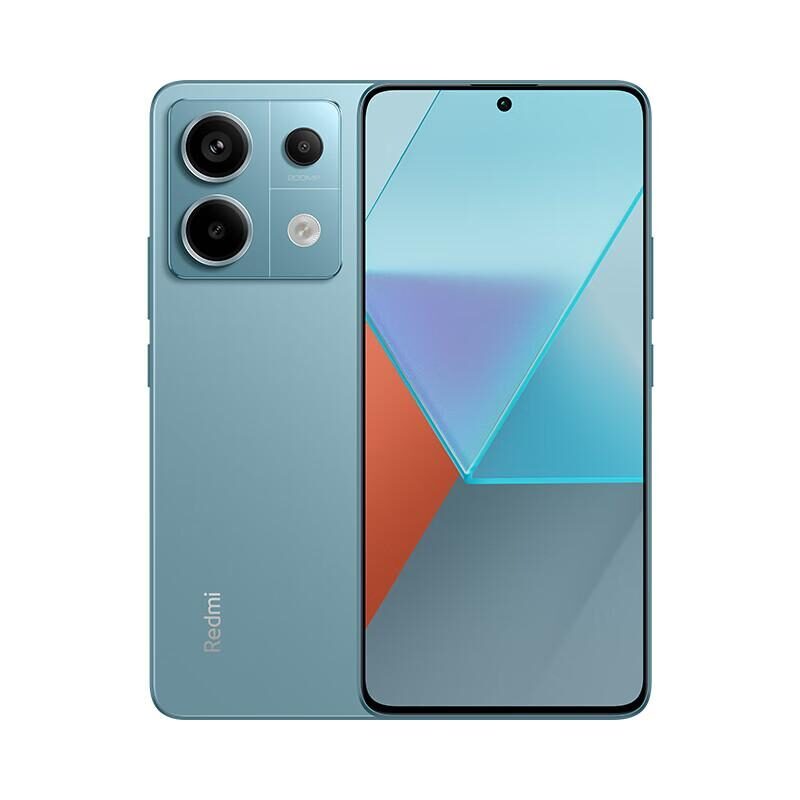
Xiaomi Redmi Note 13 Pro
Starting at
£262.00What's the difference between the Google Pixel 9 and Xiaomi Redmi Note 13 Pro?
Google Pixel 9 vs Xiaomi Redmi Note 13 Pro comes down to the chipset, battery and screen size. Refurbished, the Xiaomi Redmi Note 13 Pro starts at £262, £52 less than the Google Pixel 9. The Google Pixel 9 is the newer model, released in 2024.
Refurbished from
Chipset
Battery
Screen size
Screen type
Main camera
- Chipset: Google Tensor G4 (4 nm) on the Google Pixel 9, Qualcomm SM7435-AB Snapdragon 7s Gen 2 (4 nm) on the Xiaomi Redmi Note 13 Pro.
- The Xiaomi Redmi Note 13 Pro has a bigger battery: 5100 mAh vs 4700 mAh.
- The Xiaomi Redmi Note 13 Pro has a bigger screen: 6.67 inch vs 6.3 inch.
Google Pixel 9 vs Xiaomi Redmi Note 13 Pro specs
The Google Pixel 9 and Xiaomi Redmi Note 13 Pro both offer strong Android experiences with 12 GB RAM and 5G support, but they cater to different preferences. The Pixel 9 has a slightly smaller, 6.3 inch OLED screen and a 4700 mAh battery, suiting those who want a compact phone with good all-round performance and a balanced camera setup. The Redmi Note 13 Pro features a larger 6.67 inch AMOLED screen with a higher resolution and a bigger 5100 mAh battery, making it ideal for users who want more screen space and battery life. Its camera setup includes a notably higher main and front megapixel count, appealing to those prioritising detailed photography. Both phones are unlocked and offer USB-C connectors, but the Pixel 9 supports eSIM while the Redmi uses dual physical SIM cards.
Google Pixel 9 vs Xiaomi Redmi Note 13 Pro price
Colour
- BlackSold out
- BeigeSold out
- GreenSold out
- PinkSold out
- BlackSold out
- BlueSold out
Storage
- 128GBSold out
- 256GBSold out
- 256GBSold out
Google Pixel 9 vs Xiaomi Redmi Note 13 Pro battery life and software updates
Durability covers battery capacity, software updates, and physical features that affect daily use and longevity.
Battery Capacity
The Xiaomi Redmi Note 13 Pro has a larger 5100 mAh battery compared to the Google Pixel 9's 4700 mAh. This difference means the Redmi can potentially offer longer usage between charges, which benefits users who spend extended time away from power sources. The Pixel 9's battery still supports a full day of typical use but suits those who prioritise a slightly lighter and smaller device.
SIM Card Options
The Google Pixel 9 supports a combination of a physical SIM and eSIM, offering flexibility for users who want to manage two numbers without needing two physical cards. The Xiaomi Redmi Note 13 Pro provides dual physical SIM slots, which may suit users preferring to swap or use two physical SIM cards directly. This difference affects how you manage mobile plans and travel.
Battery
Foldable
Software updates
Year of release
Google Pixel 9 vs Xiaomi Redmi Note 13 Pro performance
Performance depends on the chipset, RAM, and storage options, which influence speed, multitasking, and app storage. Both phones share 12 GB of RAM but differ in their chipsets and storage choices.
Processor Differences
The Google Pixel 9 uses the Google Tensor G4 chipset, while the Xiaomi Redmi Note 13 Pro is powered by the Qualcomm SM7435-AB Snapdragon 7s Gen 2. Both are built on a 4 nm process, suggesting efficient performance and power use. Users looking for a chipset optimised by Google might prefer the Pixel 9, while those favouring Qualcomm technology will find the Redmi Note 13 Pro appealing.
Storage Options
The Xiaomi Redmi Note 13 Pro comes in a 256GB option in our stock, suited for users who want ample space for apps, media, and files without needing to decide between sizes.
Chipset
RAM
Google Pixel 9 vs Xiaomi Redmi Note 13 Pro screen
Screen quality impacts viewing comfort, clarity, and smoothness. Both phones offer high refresh rates but differ in size, resolution, and screen technology, affecting how you experience content and use the device.
Screen Size and Resolution
The Xiaomi Redmi Note 13 Pro features a larger 6.67 inch screen with a higher resolution of 1220 x 2712, providing more room and sharper details for video, gaming, and multitasking. The Google Pixel 9 has a more compact 6.3 inch display with 1080 x 2424 resolution, which suits users who prefer a smaller phone that is easier to handle with one hand.
Screen Technology
The Pixel 9 uses an OLED screen while the Redmi Note 13 Pro has an AMOLED display. Both offer vibrant colours and deep blacks, but AMOLED screens generally provide slightly higher contrast and brightness. This might appeal to users who prioritise vivid visuals and outdoor readability.
Refresh Rate
Both devices offer a 120 Hz refresh rate, supporting smooth scrolling and animations. This high refresh rate enhances everyday use, especially for gaming or scrolling through content, providing a fluid and responsive experience on both phones.
Refresh rate
Resolution
Screen size
Screen type
Google Pixel 9 vs Xiaomi Redmi Note 13 Pro camera
The audiovisual section focuses on camera capabilities which are important for photography and video calls. Both phones have triple rear cameras but differ significantly in megapixel counts for both main and front cameras.
Main Camera Resolution
The Xiaomi Redmi Note 13 Pro boasts a 200 megapixel main camera, ideal for users who want highly detailed photos and the ability to crop or zoom while retaining clarity. The Google Pixel 9 has a 50 megapixel main camera, delivering strong image quality with a focus on balanced photography suitable for everyday shots.
Front Camera Details
For selfies and video calls, the Redmi Note 13 Pro offers a 16 megapixel front camera, which provides more detail and clarity compared to the Pixel 9's 10.5 megapixel front camera. This difference suits users who frequently use their front camera for high-quality video or self-portraits.
Camera type
Front camera
Main camera
Google Pixel 9 vs Xiaomi Redmi Note 13 Pro size and design
Miscellaneous features include physical dimensions, connectivity, and network compatibility, which influence comfort, usability, and how the device fits in daily life.
Size and Weight
The Google Pixel 9 is more compact and slightly heavier at 198 g with dimensions of 152.8 mm height, 72 mm width, and 8.5 mm depth. The Xiaomi Redmi Note 13 Pro is larger at 161.2 mm height, 74.3 mm width, and 8 mm depth, but lighter at 187 g. The Pixel 9 suits those wanting a smaller phone that feels solid, while the Redmi Note 13 Pro offers a bigger screen in a lighter body.
SIM and Network Compatibility
Both phones support 5G networks and come unlocked. The Pixel 9 uses one physical SIM and one eSIM, providing flexibility in managing mobile plans without swapping cards. The Redmi Note 13 Pro uses dual physical SIM cards, which can be convenient for users who prefer physical SIM management or travel frequently.
Connector Type
Both phones use USB-C connectors, which is standard for charging and data transfer. This ensures compatibility with a wide range of accessories and chargers.
Carrier compatibility
Connector
Depth
Height
Mobile network
SD card slot
SIM card
Weight
Width
Google Pixel 9 or Xiaomi Redmi Note 13 Pro: which should you buy?
Buy the Google Pixel 9 if
- you want the newer model (2024)
Buy the Xiaomi Redmi Note 13 Pro if
- you want to spend less: it starts at £262, £52 less than the Google Pixel 9
- you want a bigger battery (5100 mAh vs 4700 mAh)
- you want a bigger screen (6.67 inch vs 6.3 inch)
Google Pixel 9 vs Xiaomi Redmi Note 13 Pro FAQs
Google Pixel 9 vs Xiaomi Redmi Note 13 Pro comes down to the chipset, battery and screen size. Chipset: Google Tensor G4 (4 nm) on the Google Pixel 9, Qualcomm SM7435-AB Snapdragon 7s Gen 2 (4 nm) on the Xiaomi Redmi Note 13 Pro. The Xiaomi Redmi Note 13 Pro has a bigger battery: 5100 mAh vs 4700 mAh.
The Xiaomi Redmi Note 13 Pro is cheaper refurbished, from £262 compared with £314 for the Google Pixel 9.
The Xiaomi Redmi Note 13 Pro has a bigger battery: 5100 mAh vs 4700 mAh.
The Xiaomi Redmi Note 13 Pro has a higher-resolution main camera: 200 megapixels vs 50 megapixels.
The Google Pixel 9 gets updates until Aug 2031. We don't have published update dates for the Xiaomi Redmi Note 13 Pro.
Refurbished, the Google Pixel 9 comes in 128GB and 256GB, and the Xiaomi Redmi Note 13 Pro in 256GB.