Google Pixel 9 vs iPhone 16e
Shop Google Pixel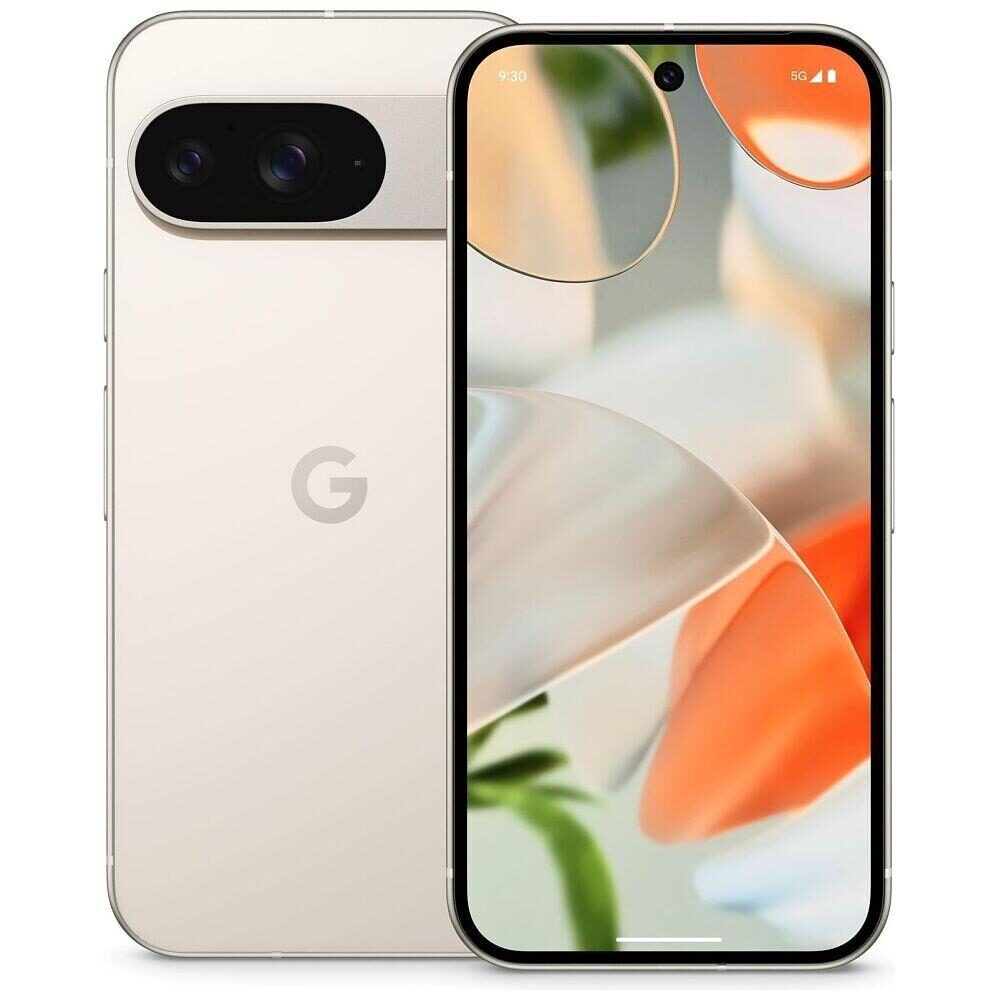
Google Pixel 9
Starting at
£314.00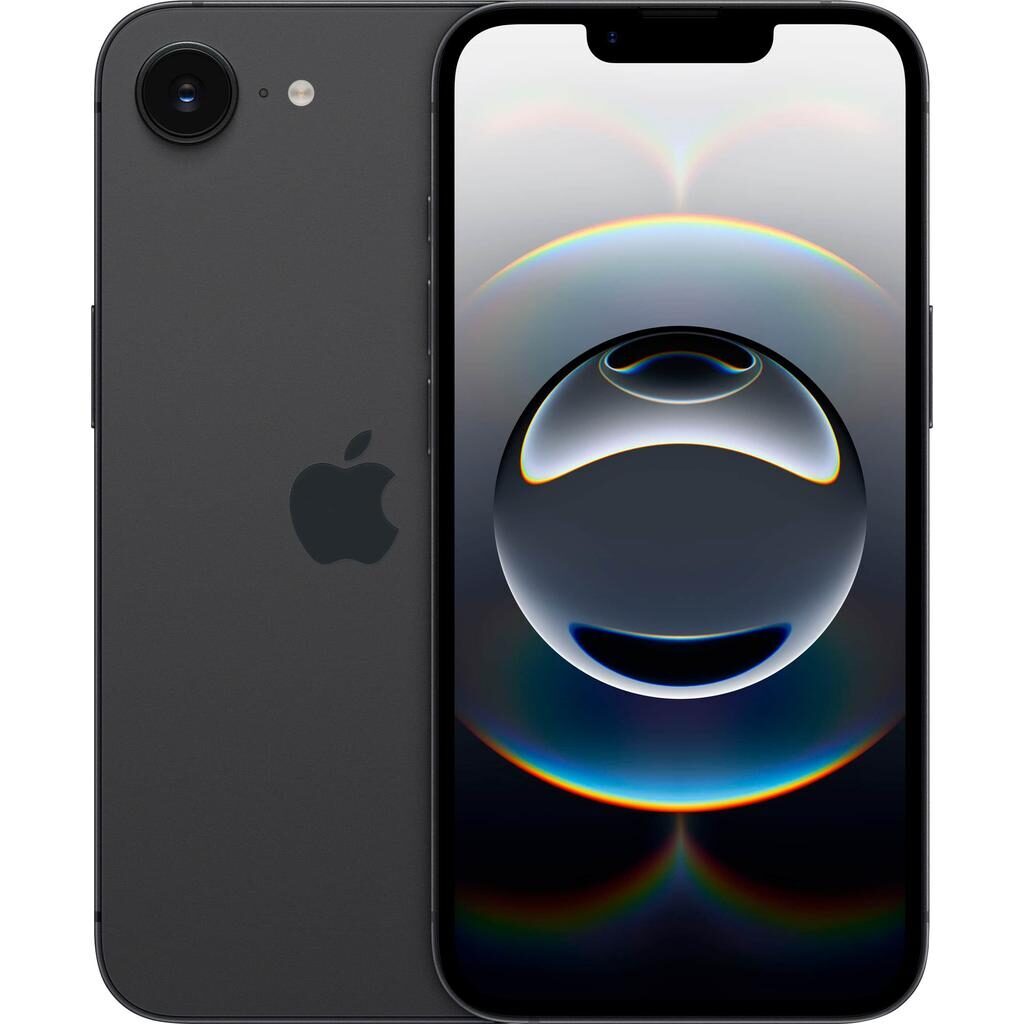
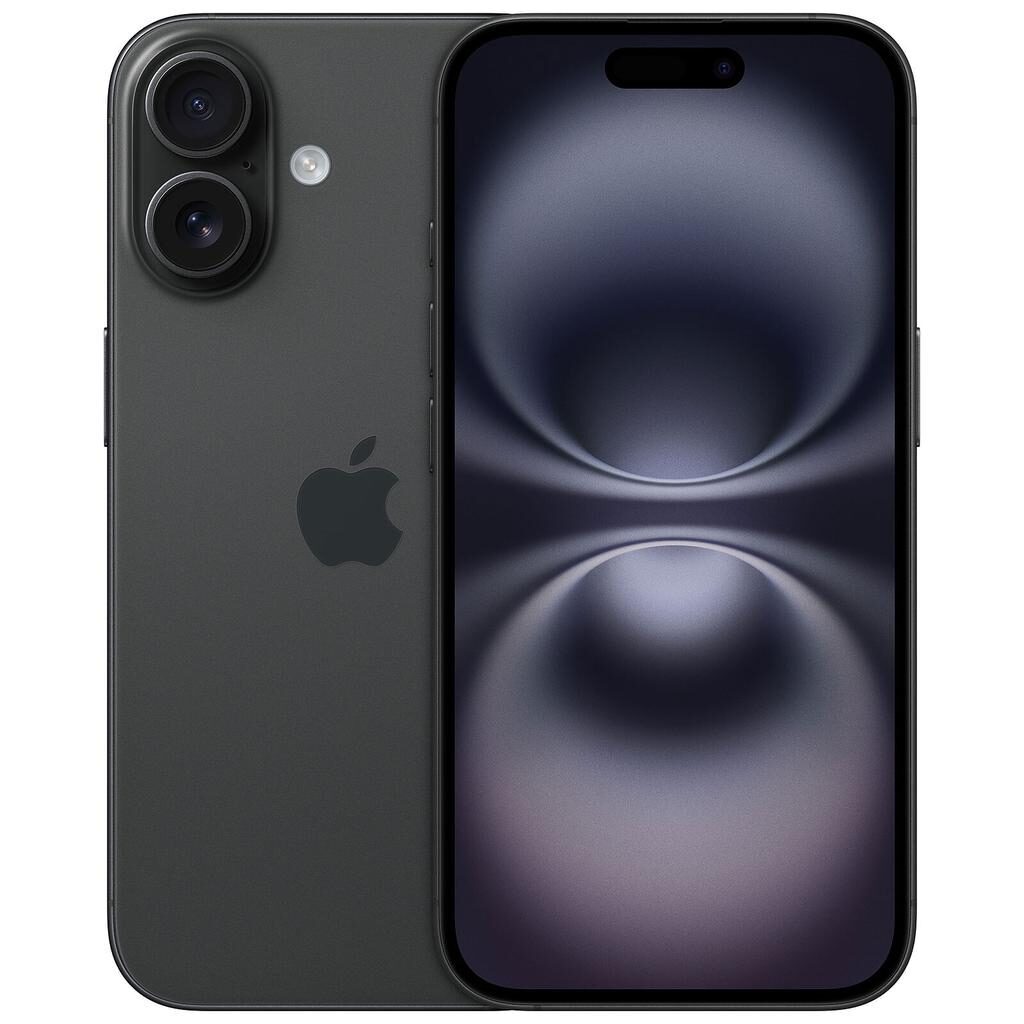
iPhone 16e
Starting at
£478.75£599.00 newWhat's the difference between the Google Pixel 9 and iPhone 16e?
Google Pixel 9 vs iPhone 16e comes down to the chipset, RAM and battery. Refurbished, the Google Pixel 9 starts at £314, £164.75 less than the iPhone 16e. The iPhone 16e is the newer model, released in 2025.
Refurbished from
Chipset
RAM
Battery
Screen size
Screen type
- Chipset: Google Tensor G4 (4 nm) on the Google Pixel 9, Apple A18 (3 nm) on the iPhone 16e.
- The Google Pixel 9 has more RAM: 12 GB vs 8 GB.
- The Google Pixel 9 has a bigger battery: 4700 mAh vs 4005 mAh.
Google Pixel 9 vs iPhone 16e specs
The Google Pixel 9 and iPhone 16e differ in several key areas that suit different user needs. The Pixel 9 offers a larger battery and more RAM, making it well suited for those who prioritise longer battery life and multitasking. It has a slightly bigger and different resolution screen with a straightforward OLED display, ideal for video and gaming. The iPhone 16e has a more compact size, a thinner body, and a Super Retina XDR OLED screen, which offers vivid colour and sharpness in a smaller package. It features the Apple A18 chipset with 8 GB of RAM and comes with up to 512GB storage options, appealing to those who want premium performance and more storage choices. Both phones have USB-C connectors and support 5G.
Google Pixel 9 vs iPhone 16e price
Colour
- BlackSold out
- BeigeSold out
- GreenSold out
- PinkSold out
Storage
- 128GBSold out
- 256GBSold out
Google Pixel 9 vs iPhone 16e battery life and software updates
Durability covers battery capacity, operating system, and device design. The Pixel 9 and the iPhone 16e both offer unlocked models with no foldable designs, but their battery capacities and operating systems differ.
Battery Capacity
The Google Pixel 9 has a 4700 mAh battery, providing a larger capacity for longer use between charges, which suits users who need extended battery life. The iPhone 16e has a 4005 mAh battery, which supports typical daily use and may be enough for those who prefer a smaller device and rely on regular charging.
Operating System
Google Pixel 9 runs on Android, offering a flexible and customisable experience. The iPhone 16e uses iOS, known for its integration with Apple services and a consistent user interface. Your choice here depends on whether you prefer Android or iOS ecosystems.
Battery
Foldable
Ip rating
Software updates
Wireless charging
Year of release
Google Pixel 9 vs iPhone 16e performance
Performance depends on chipset, RAM, and storage options. The Pixel 9 and iPhone 16e take different approaches to meet varying user needs in speed, multitasking, and storage capacity.
Chipset and Efficiency
The Google Pixel 9 is powered by the Google Tensor G4 chipset built on a 4 nm process, while the iPhone 16e uses the Apple A18 chipset manufactured on a 3 nm process. The A18's smaller process size indicates a focus on efficiency and power, which benefits users wanting smooth, high-performance operation.
RAM Size
Google Pixel 9 includes 12 GB of RAM, allowing more apps to stay active and providing smoother multitasking for power users. The iPhone 16e has 8 GB of RAM, which supports everyday tasks and most apps efficiently, suitable for users with typical usage patterns.
Storage Options
The Pixel 9 is available with 128GB or 256GB of storage, which covers most general storage needs. The iPhone 16e offers 128GB, 256GB, and 512GB options, making it ideal for those who require more space for apps, photos, and media.
Chipset
RAM
Google Pixel 9 vs iPhone 16e screen
Screen quality affects how you view content and interact with your device. The Pixel 9 and iPhone 16e differ in size, resolution, and screen technology, catering to different preferences.
Screen Size and Resolution
The Google Pixel 9 has a 6.3 inch screen with a resolution of 1080 by 2424 pixels, offering a taller display that suits users who want more vertical space for browsing and reading. The iPhone 16e features a 6.1 inch screen with a resolution of 2532 by 1170 pixels, delivering a sharper image in a more compact size.
Screen Technology
Pixel 9 uses an OLED screen, providing good contrast and colour depth, while the iPhone 16e employs a Super Retina XDR OLED display, which is known for higher brightness and enhanced colour accuracy. Users who prioritise vivid visuals and true-to-life colours might prefer the iPhone 16e's screen.
Refresh rate
Resolution
Screen size
Screen type
Google Pixel 9 vs iPhone 16e camera
Camera type
Front camera
Main camera
Google Pixel 9 vs iPhone 16e size and design
Other features include size, weight, connectivity, and SIM options, which influence daily handling and network compatibility.
Physical Dimensions
The Google Pixel 9 measures 152.8 mm in height, 72 mm in width, and 8.5 mm in depth, making it slightly larger and thicker than the iPhone 16e, which measures 146.7 mm tall, 71.5 mm wide, and 7.8 mm deep. The Pixel 9 weighs 198 g, heavier than the iPhone 16e's 167 g, suiting those who prefer a substantial feel versus a lighter, more compact device.
Connectivity and SIM
Both phones have USB-C connectors and support 5G networks, allowing fast data speeds and convenient charging. Each device supports a physical SIM card plus eSIM functionality, offering flexibility in how you manage your mobile connections.
Carrier compatibility
Connector
Depth
Height
Mobile network
Release date
SD card slot
SIM card
Weight
Width
Google Pixel 9 or iPhone 16e: which should you buy?
Buy the Google Pixel 9 if
- you want to spend less: it starts at £314, £164.75 less than the iPhone 16e
- you want more RAM (12 GB vs 8 GB)
- you want a bigger battery (4700 mAh vs 4005 mAh)
Buy the iPhone 16e if
- you want a higher-resolution front camera (12 megapixels vs 10.5 megapixels)
- you want a lighter build (167 g vs 198 g)
What our customers say
Customers who bought the Google Pixel 9 often praise its near-new condition, smooth performance, and strong battery life. Many highlight the ease of transferring data, though some note that switching from iPhone to Android can take some adjustment. The larger battery and screen are appreciated for browsing, gaming, and daily use. Comments mention the phone feeling as good as new and being environmentally friendly, with multiple customers satisfied with the balance of hardware and software.
Users of the iPhone 16e report that the device looks and works like new, with some noting the battery health is excellent with very few cycles. The iOS ecosystem and smooth data transfer from older iPhones are valued, although moving from Android can require manual setup. The iPhone 16e is praised for its speed, camera, and screen quality, with many customers happy with the storage options and its compact design. Some users find the eSIM setup straightforward, while others experienced minor challenges.
Overall, the Google Pixel 9 suits those who want a larger screen, more RAM, and a bigger battery for extended use. The iPhone 16e is ideal for people who prefer a more compact phone with premium display technology, efficient performance, and more storage choices.
Google Pixel 9 vs iPhone 16e FAQs
Google Pixel 9 vs iPhone 16e comes down to the chipset, RAM and battery. Chipset: Google Tensor G4 (4 nm) on the Google Pixel 9, Apple A18 (3 nm) on the iPhone 16e. The Google Pixel 9 has more RAM: 12 GB vs 8 GB.
The Google Pixel 9 is cheaper refurbished, from £314 compared with £478.75 for the iPhone 16e.
The Google Pixel 9 has a bigger battery: 4700 mAh vs 4005 mAh.
The Google Pixel 9 has a higher-resolution main camera: 50 megapixels vs 48 megapixels.
The Google Pixel 9 gets updates until Aug 2031. The iPhone 16e is still supported and can run iOS 27.
Refurbished, the Google Pixel 9 comes in 128GB and 256GB, and the iPhone 16e in 128GB, 256GB and 512GB.