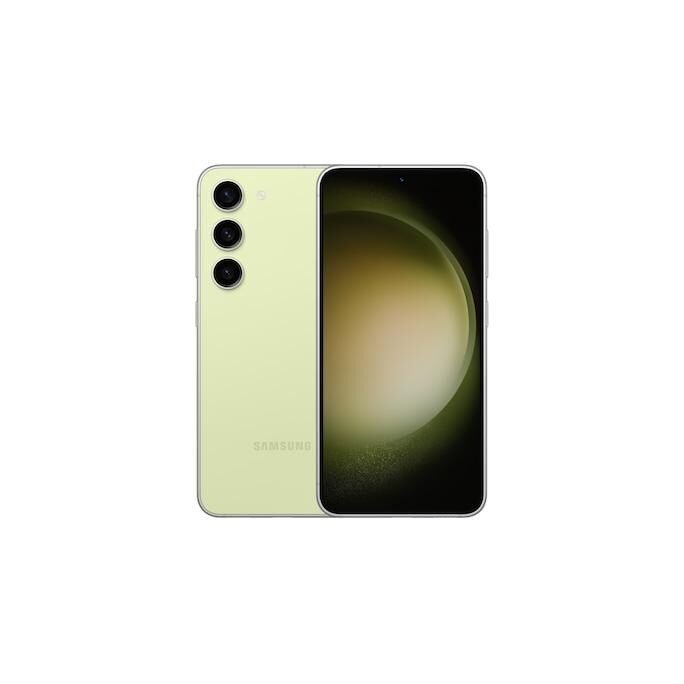
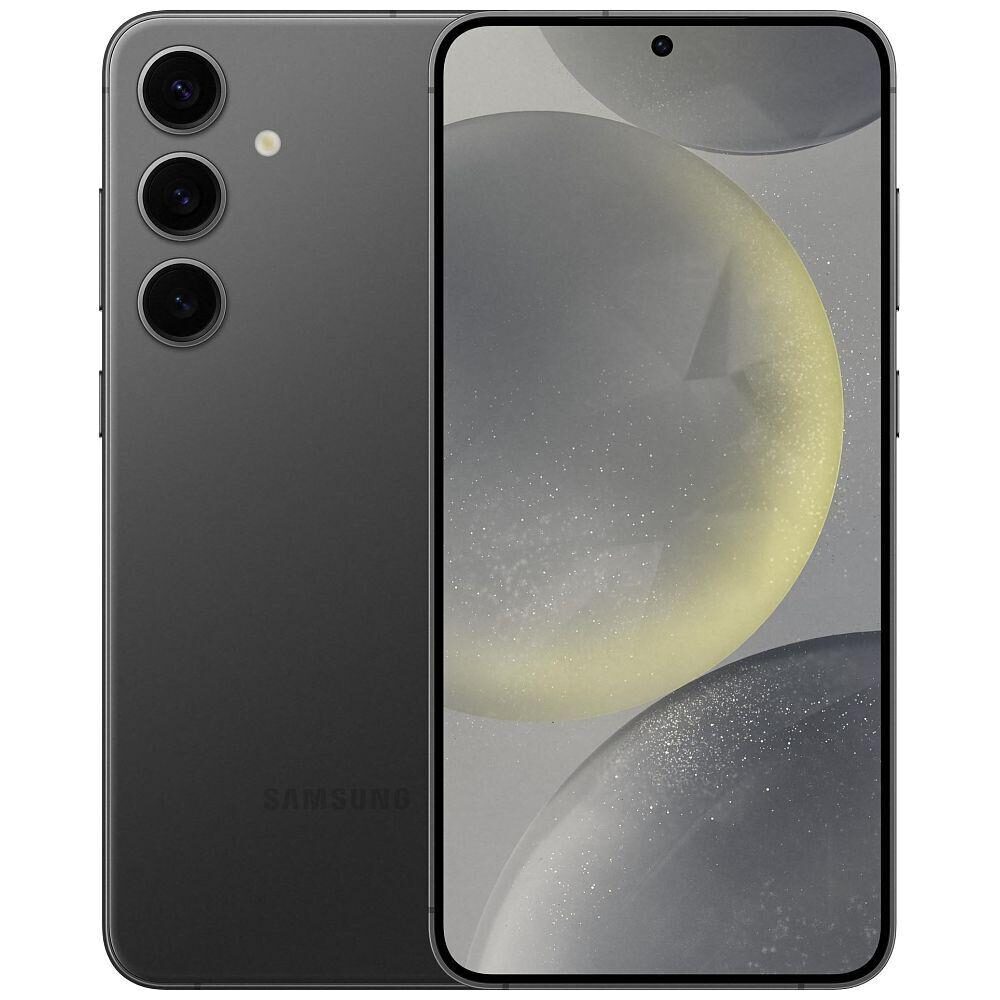
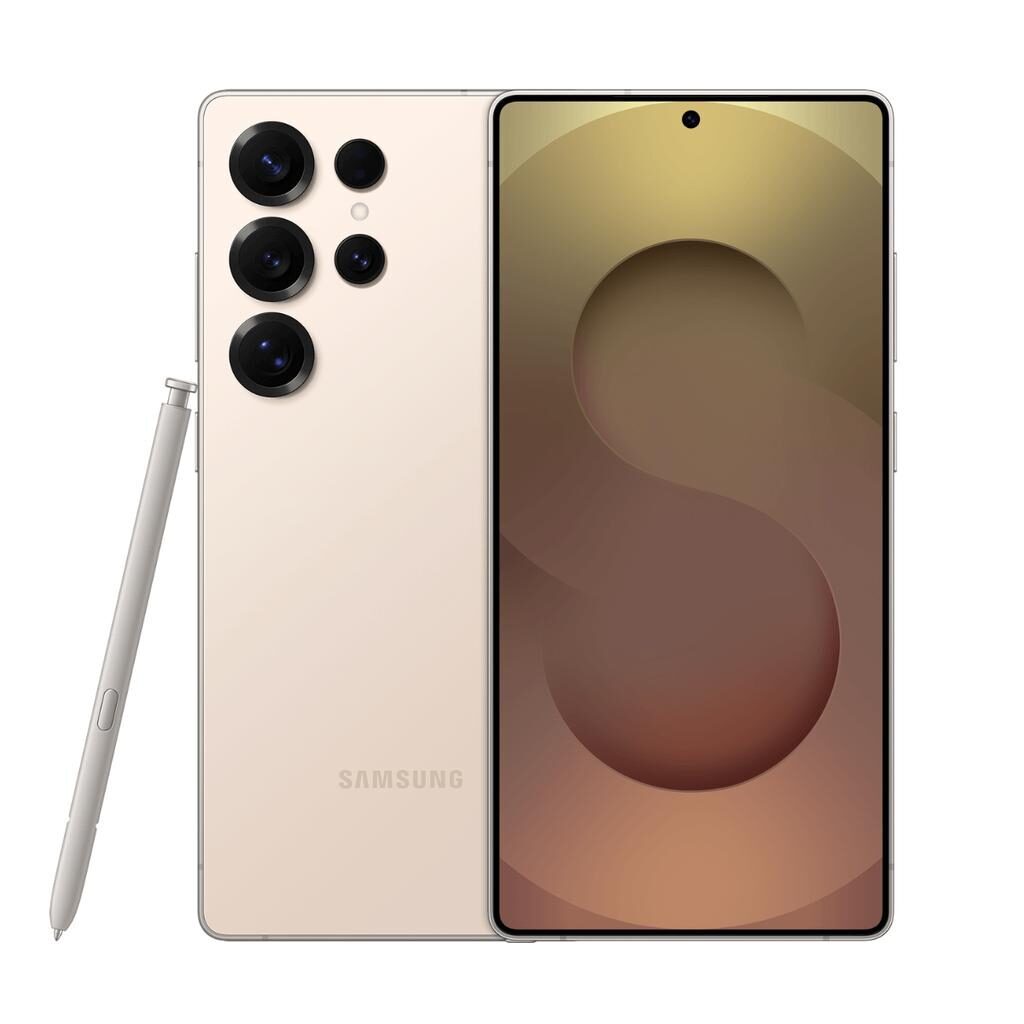
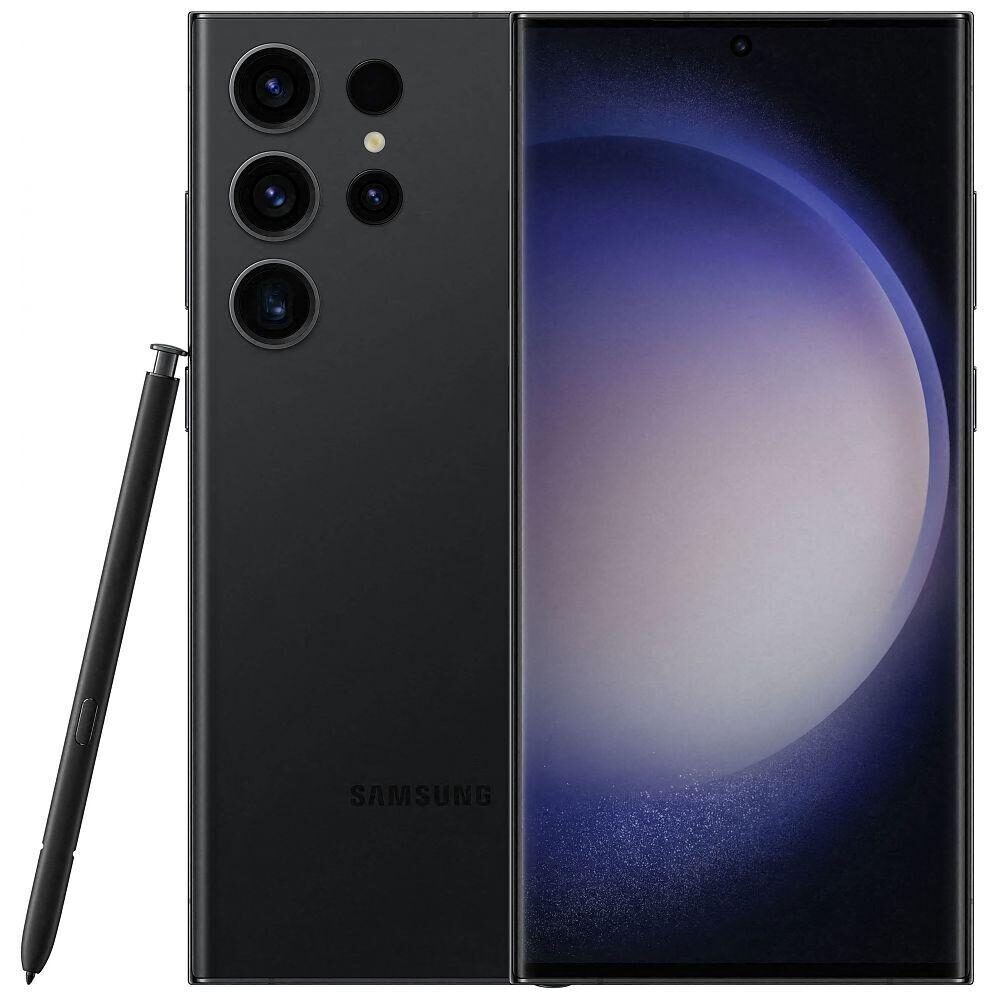
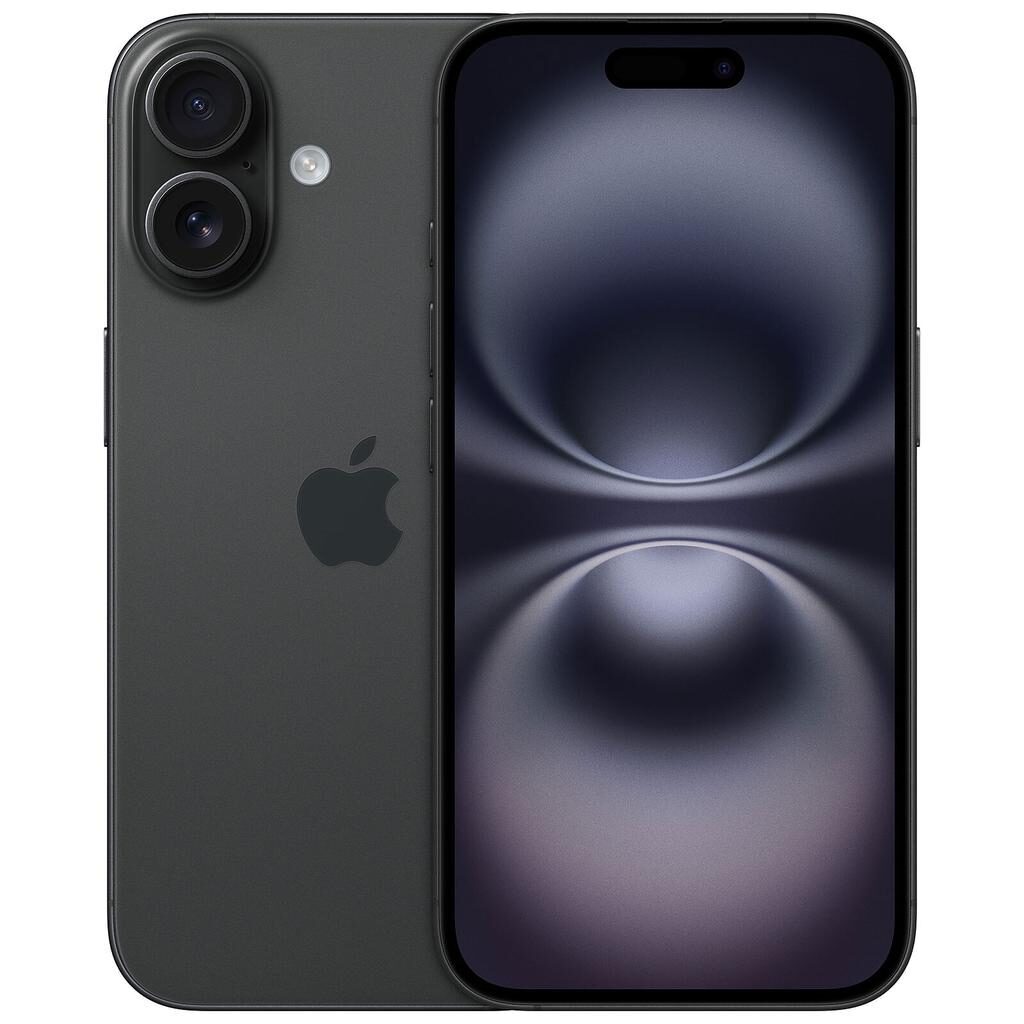
Google Pixel 9 Pro vs iPhone 16e
Shop Google Pixel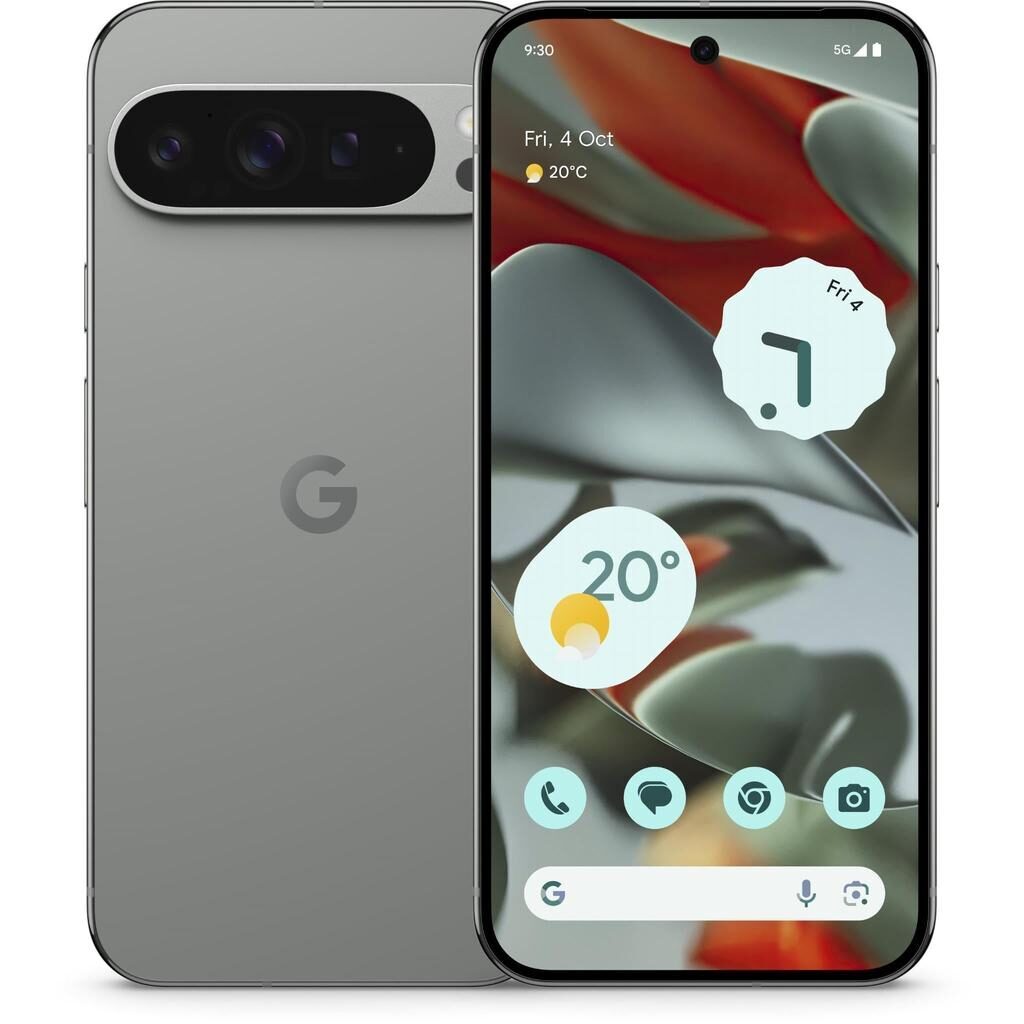
Google Pixel 9 Pro
Starting at
£443.00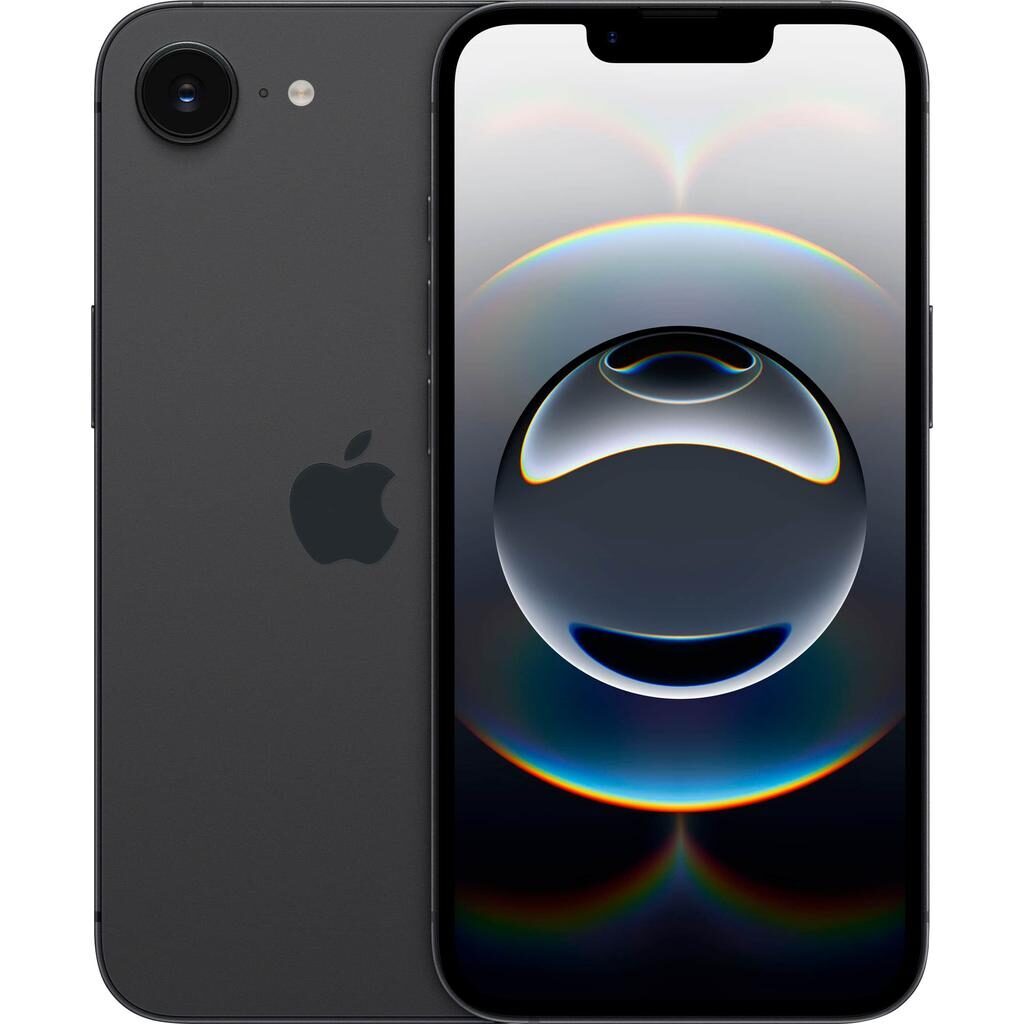
iPhone 16e
Starting at
£478.75£599.00 newWhat's the difference between the Google Pixel 9 Pro and iPhone 16e?
Google Pixel 9 Pro vs iPhone 16e comes down to the chipset, RAM and battery. Refurbished, the Google Pixel 9 Pro starts at £443, £35.75 less than the iPhone 16e. The iPhone 16e is the newer model, released in 2025.
Refurbished from
Chipset
RAM
Battery
Screen size
Screen type
- Chipset: Google Tensor G4 on the Google Pixel 9 Pro, Apple A18 (3 nm) on the iPhone 16e.
- The Google Pixel 9 Pro has more RAM: 16 GB vs 8 GB.
- The Google Pixel 9 Pro has a bigger battery: 4700 mAh vs 4005 mAh.
Google Pixel 9 Pro vs iPhone 16e specs
The Google Pixel 9 Pro and iPhone 16e differ in several key areas that suit different users. The Pixel 9 Pro offers a larger, higher resolution screen and more RAM, making it suitable for those who want a spacious display and multitasking capability. The iPhone 16e has a slightly smaller but sharp screen and comes with higher storage options including 512GB, which suits users needing more space. The Pixel 9 Pro's bigger battery may appeal to those who prioritise longer use between charges, while the iPhone 16e's front camera is standard but reliable for everyday selfies. Both are unlocked and support 5G, so network flexibility is assured.
Google Pixel 9 Pro vs iPhone 16e price
Colour
- BlackSold out
- BeigeSold out
- GreySold out
- PinkSold out
Storage
- 128GBSold out
- 256GBSold out
Google Pixel 9 Pro vs iPhone 16e battery life and software updates
Durability matters for how long your device stays reliable and ready to use. The Google Pixel 9 Pro and iPhone 16e both have unlocked networks and are not foldable, but differ in battery size and operating system, which affects daily use and app availability.
Battery Capacity
The Google Pixel 9 Pro has a 4700 mAh battery, which is larger than the iPhone 16e's 4005 mAh. This means the Pixel 9 Pro may last longer on a single charge, which suits users who spend extended periods away from charging points. The iPhone 16e's battery still supports typical daily use comfortably.
Operating System
The Pixel 9 Pro runs Android, offering a wide range of customisation and compatibility with many apps across various platforms. The iPhone 16e uses iOS, known for its smooth integration within Apple's ecosystem and consistent app experience. Your choice depends on which system you prefer for your apps and interface.
Battery
Fast charging
Foldable
Ip rating
Software updates
Wireless charging
Year of release
Google Pixel 9 Pro vs iPhone 16e performance
Performance affects how smoothly your phone handles apps, multitasking, and demanding tasks. Both devices come with high-end chipsets and storage options, but differ in RAM and chipset design.
Chipset Technology
The Pixel 9 Pro uses the Google Tensor G4 chipset, while the iPhone 16e is powered by the Apple A18 (3 nm) chipset. Each is designed to optimise performance on its platform, with the iPhone 16e benefiting from Apple's latest chipset manufacturing technology, which may improve efficiency.
Memory Size
With 16 GB of RAM, the Pixel 9 Pro supports keeping more apps open simultaneously and smoother multitasking. The iPhone 16e has 8 GB of RAM, which is well suited for everyday use and typical app operation.
Storage Options
The Pixel 9 Pro offers 128GB and 256GB storage options, making it suitable for users with moderate to high storage needs. The iPhone 16e adds a 512GB option, ideal for those who want more space for photos, videos, and apps without using external storage.
Chipset
RAM
Google Pixel 9 Pro vs iPhone 16e screen
Your screen affects how you view content, play games, or work on your phone. Both devices use OLED technology, but the Pixel 9 Pro has a larger and higher resolution display than the iPhone 16e.
Screen Size and Resolution
The Pixel 9 Pro has a 6.3 inch screen with a resolution of 1280 x 2856 pixels, offering a taller and more detailed display that suits watching videos and multitasking with more content visible. The iPhone 16e has a 6.1 inch screen at 2532 x 1170 pixels, which still delivers sharp visuals, ideal for those who prefer a more compact device.
Screen Type
The Pixel 9 Pro uses an LTPO OLED screen that can adjust its refresh rate to save battery when needed. The iPhone 16e features a Super Retina XDR OLED screen, known for bright colours and high contrast, which provides a crisp and clear viewing experience.
Refresh rate
Resolution
Screen size
Screen type
Google Pixel 9 Pro vs iPhone 16e camera
Camera type
Front camera
Main camera
Google Pixel 9 Pro vs iPhone 16e size and design
Other details include size, weight, and connectivity that affect daily handling and compatibility. Both phones support 5G and have USB-C connectors and dual SIM options.
Size and Weight
The Pixel 9 Pro is larger and heavier at 152 mm tall, 72 mm wide, 8 mm deep, and 199 g weight, offering a bigger device that fits those who want more screen space and a substantial feel. The iPhone 16e measures 146.7 mm by 71.5 mm by 7.8 mm and weighs 167 g, making it more compact and lighter for easier one-handed use.
SIM and Network
Both phones come unlocked with support for physical SIM and eSIM, allowing flexibility in network choice and easier switching between carriers. They both support 5G networks, ensuring fast mobile internet speeds.
Connector Type
Each device uses a USB-C connector, so you can use common chargers and accessories without needing special cables.
Carrier compatibility
Connector
Depth
Height
Mobile network
Release date
SD card slot
SIM card
Weight
Width
Google Pixel 9 Pro or iPhone 16e: which should you buy?
Buy the Google Pixel 9 Pro if
- you want to spend less: it starts at £443, £35.75 less than the iPhone 16e
- you want more RAM (16 GB vs 8 GB)
- you want a bigger battery (4700 mAh vs 4005 mAh)
Buy the iPhone 16e if
- you want a lighter build (167 g vs 199 g)
- you want the newer model (2025)
What our customers say
Customers who bought the Google Pixel 9 Pro praise its condition, often saying it looks like new with excellent battery health and strong performance. Many mention the phone feels almost new even after weeks of use, with a great screen and fast operation. Some users note minor issues such as scratches or functional faults but appreciate how well the phone performs overall. The larger RAM and battery capacity seem to support users who multitask or use the phone intensively.
Those who chose the iPhone 16e often highlight how the device looks and works like new, with very few charge cycles and excellent condition. Users upgrading from older iPhones notice clear improvements in speed, battery life, camera, and screen quality. Data transfer within Apple's ecosystem is generally smooth, while moving from Android requires manual steps. The iPhone 16e is appreciated for its reliable performance and storage capacity, with many happy first-time refurbished buyers.
The Pixel 9 Pro suits those who want a larger screen and more memory for multitasking, while the iPhone 16e fits users comfortable with iOS who want a compact device with options for more storage.
Google Pixel 9 Pro vs iPhone 16e FAQs
Google Pixel 9 Pro vs iPhone 16e comes down to the chipset, RAM and battery. Chipset: Google Tensor G4 on the Google Pixel 9 Pro, Apple A18 (3 nm) on the iPhone 16e. The Google Pixel 9 Pro has more RAM: 16 GB vs 8 GB.
The Google Pixel 9 Pro is cheaper refurbished, from £443 compared with £478.75 for the iPhone 16e.
The Google Pixel 9 Pro has a bigger battery: 4700 mAh vs 4005 mAh.
The Google Pixel 9 Pro has a higher-resolution main camera: 50 megapixels vs 48 megapixels.
The Google Pixel 9 Pro gets updates until Sep 2031. The iPhone 16e is still supported and can run iOS 27.
Refurbished, the Google Pixel 9 Pro comes in 128GB and 256GB, and the iPhone 16e in 128GB, 256GB and 512GB.