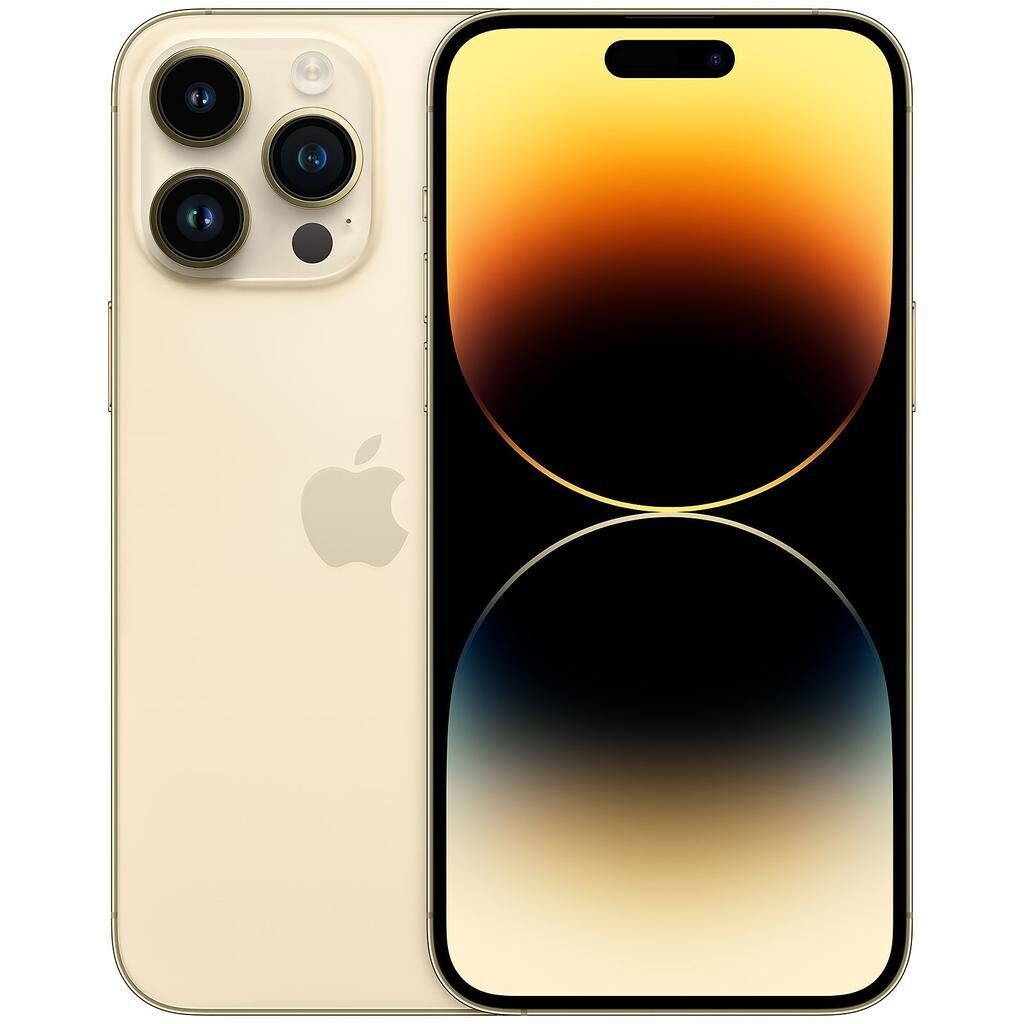
Google Pixel 8 vs iPhone 14 Plus
Shop Google Pixel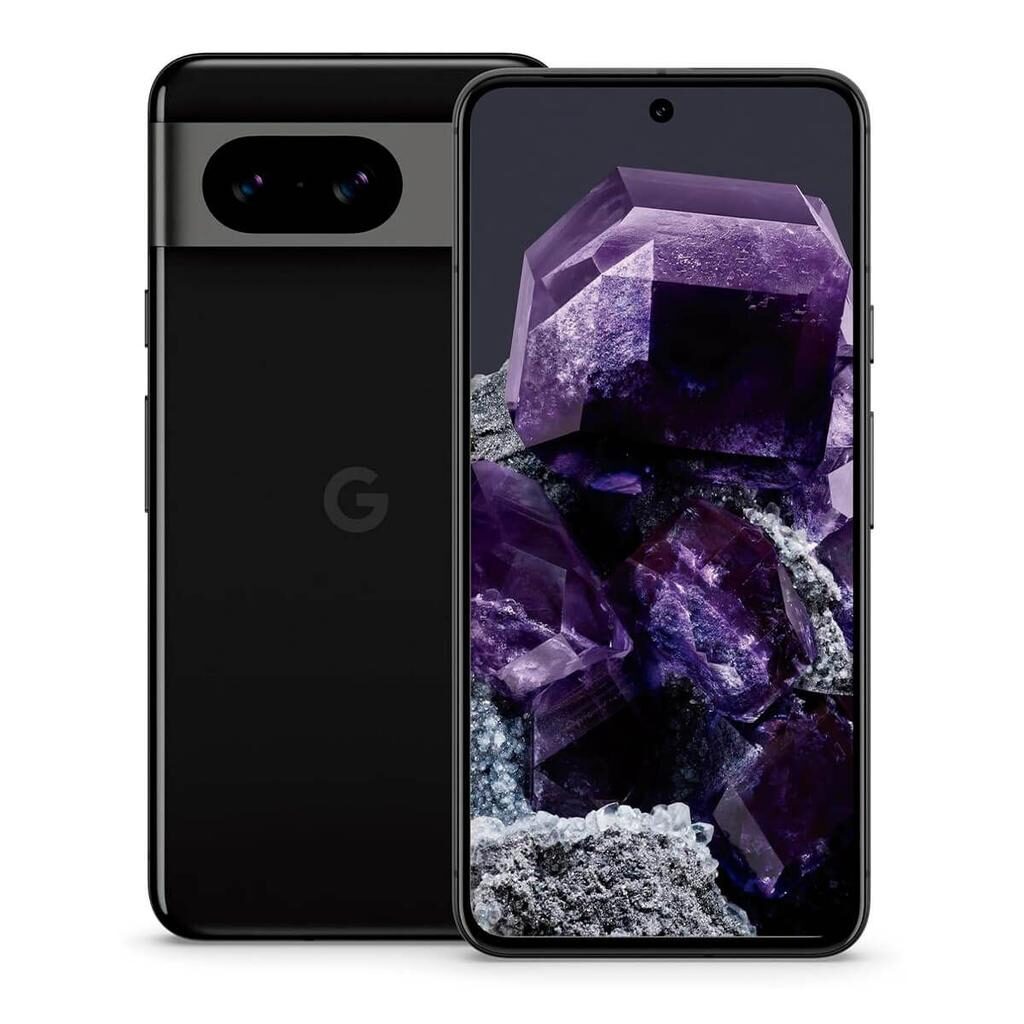
Google Pixel 8
Starting at
£205.00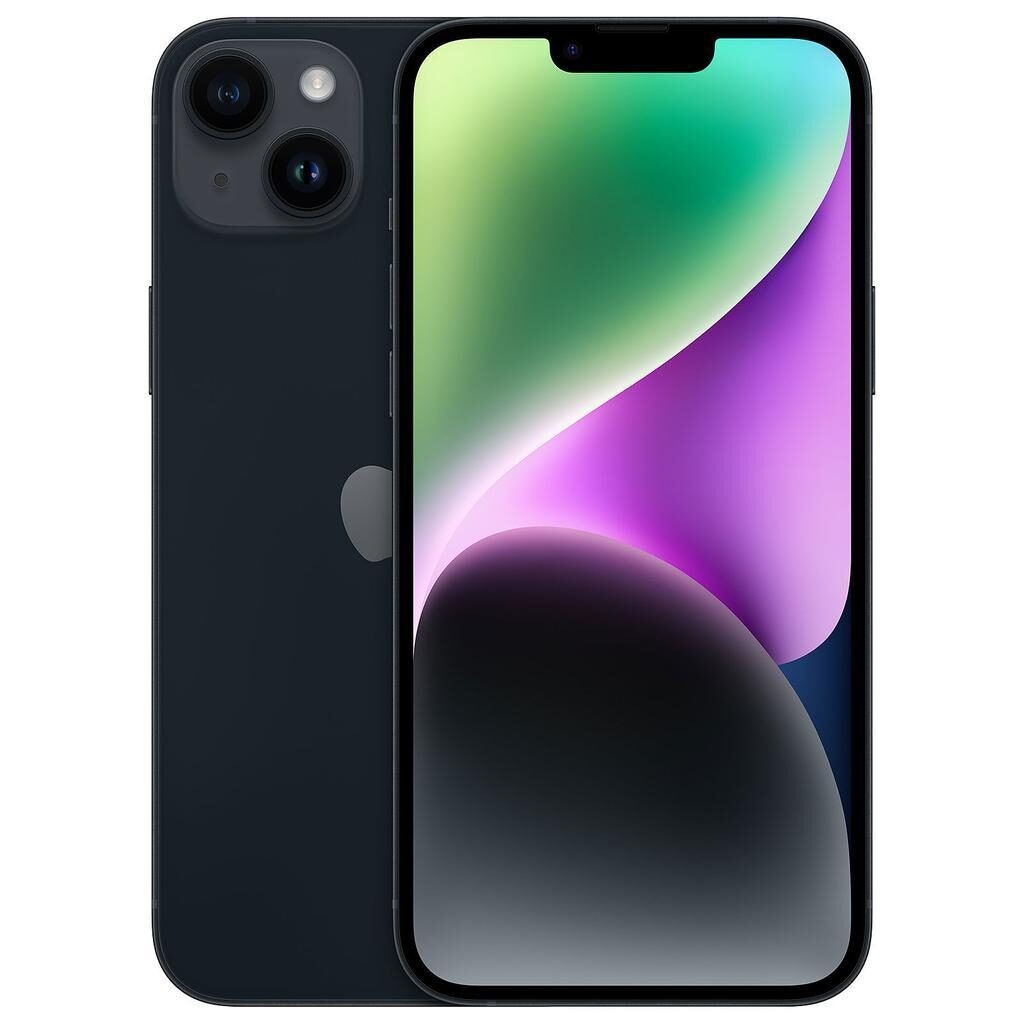
iPhone 14 Plus
Starting at
£332.55£699.00 newWhat's the difference between the Google Pixel 8 and iPhone 14 Plus?
Google Pixel 8 vs iPhone 14 Plus comes down to the chipset, RAM and battery. Refurbished, the Google Pixel 8 starts at £205, £127.55 less than the iPhone 14 Plus. The Google Pixel 8 is the newer model, released in 2023.
Refurbished from
Chipset
RAM
Battery
Screen size
Screen type
- Chipset: Google Tensor G3 (4 nm) on the Google Pixel 8, Apple A15 Bionic on the iPhone 14 Plus.
- The Google Pixel 8 has more RAM: 8 GB vs 6 GB.
- The Google Pixel 8 has a bigger battery: 4575 mAh vs 4323 mAh.
Google Pixel 8 vs iPhone 14 Plus specs
The Google Pixel 8 and iPhone 14 Plus differ in screen size, refresh rate, camera detail, and operating system. The Pixel 8 offers a smaller but faster 6.2 inch 120 Hz OLED display, suited for users who value smooth visuals and a compact design. The iPhone 14 Plus has a larger 6.7 inch Super Retina XDR OLED screen with higher resolution, which suits those who prefer a bigger display for media. Pixel 8 provides higher megapixels on its main camera for detailed photos, while the iPhone 14 Plus front camera has slightly higher resolution for selfies. Pixel 8 runs Android 14 and has more RAM, which can help with multitasking. The iPhone 14 Plus uses iOS and offers more storage options. Both support 5G and are unlocked. Choose Pixel 8 if you want a faster refresh rate and a smaller phone. Pick iPhone 14 Plus for a larger screen and iOS experience.
Google Pixel 8 vs iPhone 14 Plus price
Colour
- BlackSold out
- GreySold out
- Rose GoldSold out
- GreenSold out
Storage
- 128GBSold out
- 256GBSold out
Google Pixel 8 vs iPhone 14 Plus battery life and software updates
Battery size, operating system, and release year are key factors in daily use and software experience. Both phones offer unlocked versions and support 5G connectivity.
Battery Capacity
The Google Pixel 8 has a 4575 mAh battery, which is larger than the iPhone 14 Plus's 4323 mAh. This means the Pixel 8 may offer longer usage between charges, which can be useful if you use your phone heavily throughout the day.
Operating System
The Pixel 8 runs Android 14, offering a different interface and app ecosystem compared to the iPhone 14 Plus, which uses iOS. Your choice here depends on whether you prefer Android or iOS software and how you use apps and services.
Year of Release
The Pixel 8 was released in 2023 and the iPhone 14 Plus in 2022.
Battery
Fast charging
Foldable
Ip rating
OS at launch
Software updates
Wireless charging
Year of release
Google Pixel 8 vs iPhone 14 Plus performance
Performance depends on chipset, RAM, and storage options. These affect speed, multitasking, and how much data you can keep on the device.
Chipset
The Google Pixel 8 uses the Google Tensor G3 chipset built on a 4 nm process, while the iPhone 14 Plus has the Apple A15 Bionic. Both chipsets deliver strong performance, but your preference may depend on which software ecosystem you use and how you handle tasks like gaming or productivity.
Memory
With 8 GB of RAM, the Pixel 8 can keep more apps open simultaneously compared to the iPhone 14 Plus, which has 6 GB. This may benefit users who multitask heavily or rely on memory-intensive apps.
Storage Options
The Pixel 8 comes in 128GB and 256GB versions, while the iPhone 14 Plus adds a 512GB option. If you need extra space for apps, photos, or videos, the iPhone may be better suited for you.
Chipset
RAM
Google Pixel 8 vs iPhone 14 Plus screen
Screen size, resolution, refresh rate, and panel type shape your viewing experience. These specs impact media viewing, scrolling smoothness, and how the display looks in different lighting.
Screen Size and Resolution
The iPhone 14 Plus has a larger 6.7 inch screen with a resolution of 1284 x 2778, making it well suited for watching videos or reading on a spacious display. The Pixel 8's 6.2 inch screen at 1080 x 2400 offers a more compact experience, which may be easier to handle one-handed.
Refresh Rate
The Pixel 8 supports a 120 Hz refresh rate, which provides smoother scrolling and animations, especially noticeable when browsing or gaming. The iPhone 14 Plus has a 60 Hz refresh rate, offering standard smoothness suitable for everyday use.
Screen Type
The Pixel 8 features an OLED screen, while the iPhone 14 Plus uses Super Retina XDR OLED technology. Both offer deep blacks and vivid colours, with the iPhone's screen type indicating enhanced brightness and contrast for some viewing conditions.
Refresh rate
Resolution
Screen size
Screen type
Google Pixel 8 vs iPhone 14 Plus camera
Camera quality influences how detailed your photos and selfies will be. Front and main cameras have different roles depending on how you use your phone.
Main Camera Detail
The Pixel 8 has a 50 megapixel main camera, which captures detailed photos and is suited for those who prioritise high resolution and image quality. The iPhone 14 Plus has a 12 megapixel main camera, which balances detail with other image processing features.
Front Camera Resolution
The iPhone 14 Plus offers a 12 megapixel front camera, which might produce slightly sharper selfies compared to the Pixel 8's 10.5 megapixels. This could be important if you take many video calls or selfies.
Front camera
Main camera
Google Pixel 8 vs iPhone 14 Plus size and design
Other practical features include physical size, weight, connector type, and SIM options. These affect portability, convenience, and how you connect accessories.
Phone Size and Weight
The Pixel 8 measures 150.5 mm in height and 70.8 mm width, weighing 187 g, making it more compact but heavier. The iPhone 14 Plus is taller and wider at 160.8 mm by 78.1 mm but lighter at 150 g. Choose the Pixel 8 if you prefer a smaller phone to hold, or the iPhone 14 Plus for a larger display with lighter weight.
Connector Type
The Pixel 8 uses USB Type-C, which is a common standard for charging and data transfer. The iPhone 14 Plus uses the Lightning connector, which is specific to Apple devices. This may influence which cables and accessories you already have.
SIM Card Options
The Pixel 8 supports physical SIM cards along with eSIM, offering flexibility if you want to switch between carriers or use multiple numbers. The iPhone 14 Plus uses eSIM only, which is convenient for digital SIM management but may not suit everyone.
Carrier compatibility
Connector
Depth
Height
Mobile network
Release date
SD card slot
SIM card
Weight
Width
Google Pixel 8 or iPhone 14 Plus: which should you buy?
Buy the Google Pixel 8 if
- you want to spend less: it starts at £205, £127.55 less than the iPhone 14 Plus
- you want more RAM (8 GB vs 6 GB)
- you want a bigger battery (4575 mAh vs 4323 mAh)
Buy the iPhone 14 Plus if
- you want a bigger screen (6.7 inch vs 6.2 inch)
- you want a higher-resolution front camera (12 megapixels vs 10.5 megapixels)
What our customers say
Customers who buy the Google Pixel 8 from PhoneMart praise its like-new condition and solid battery life. They often mention the phone feels fast, compact, and easy to use. The camera receives compliments for quality, and the phone's performance is described as smooth with enough RAM for multitasking. Some customers note the Pixel 8 is a good choice for those moving from other Android phones or upgrading within the Pixel range. While setup can take time, especially transferring data, overall satisfaction with the Pixel 8's build and screen size is high.
Users of the iPhone 14 Plus appreciate its larger screen and ease of use with iOS. Many mention the phone looks nearly new and has good battery health for a refurbished device. The storage capacity, especially in 256GB models, appeals to those needing ample space. Customers value the sound quality and find the phone suitable for everyday use and media consumption. The iPhone 14 Plus is often chosen by people upgrading from older iPhones or seeking a larger display in the iOS ecosystem.
Both phones suit different needs: Pixel 8 is a strong choice for those who want a smaller, high refresh rate screen with Android and a detailed main camera. The iPhone 14 Plus fits users who prefer a bigger screen, iOS, and more storage options. Each has positive reviews for condition and reliability.
Google Pixel 8 vs iPhone 14 Plus FAQs
Google Pixel 8 vs iPhone 14 Plus comes down to the chipset, RAM and battery. Chipset: Google Tensor G3 (4 nm) on the Google Pixel 8, Apple A15 Bionic on the iPhone 14 Plus. The Google Pixel 8 has more RAM: 8 GB vs 6 GB.
The Google Pixel 8 is cheaper refurbished, from £205 compared with £332.55 for the iPhone 14 Plus.
The Google Pixel 8 has a bigger battery: 4575 mAh vs 4323 mAh.
The Google Pixel 8 has a higher-resolution main camera: 50 megapixels vs 12 megapixels.
The Google Pixel 8 gets updates until Oct 2030. The iPhone 14 Plus is still supported and can run iOS 27.
Refurbished, the Google Pixel 8 comes in 128GB and 256GB, and the iPhone 14 Plus in 128GB, 256GB and 512GB.