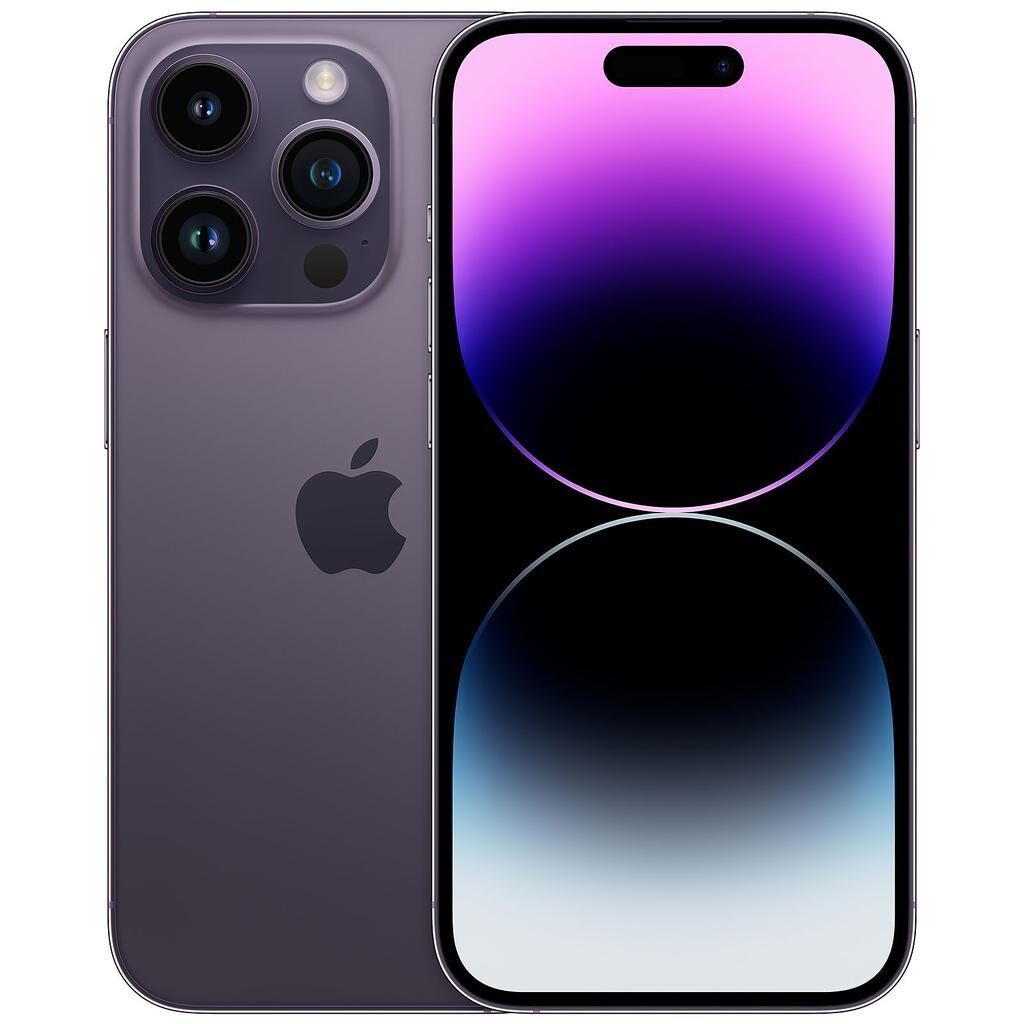
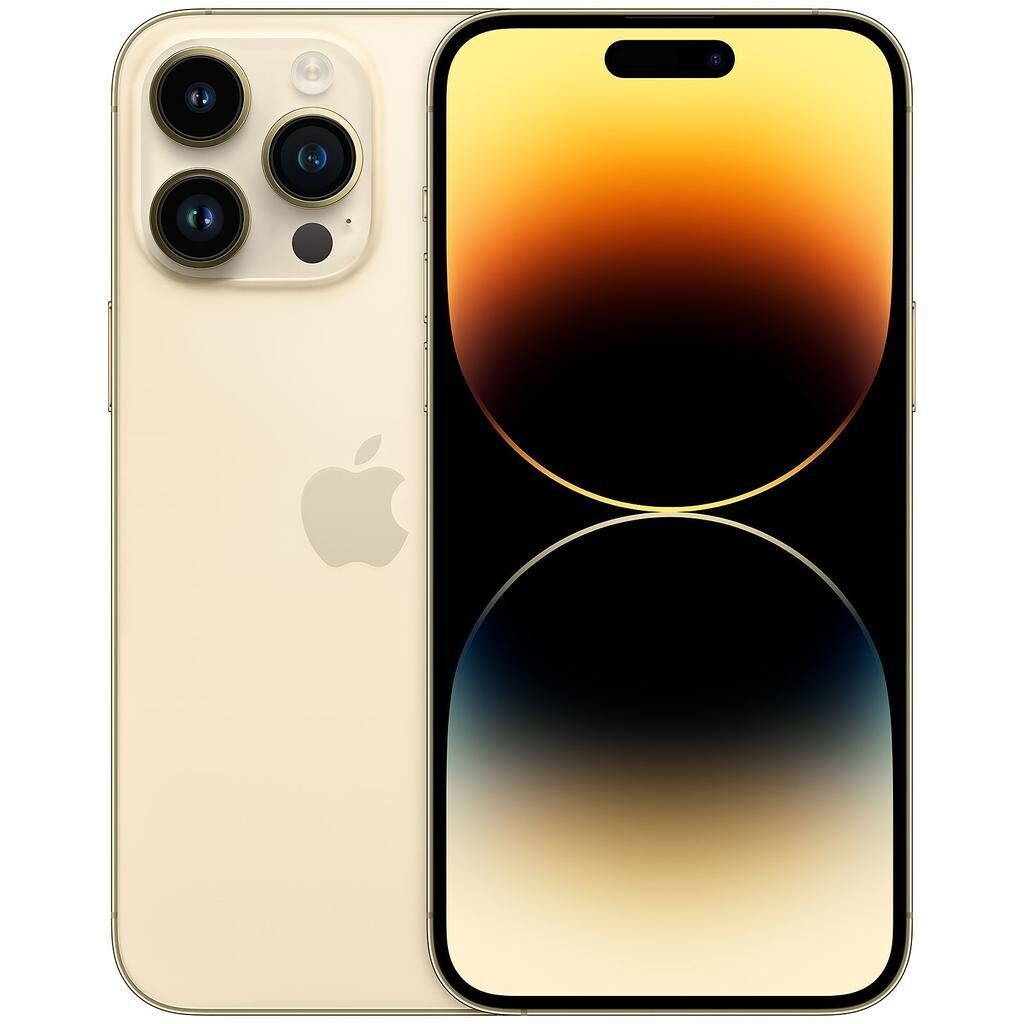
Google Pixel 8 Pro vs OnePlus 10 Pro
Shop Google Pixel
Google Pixel 8 Pro
Starting at
£248.00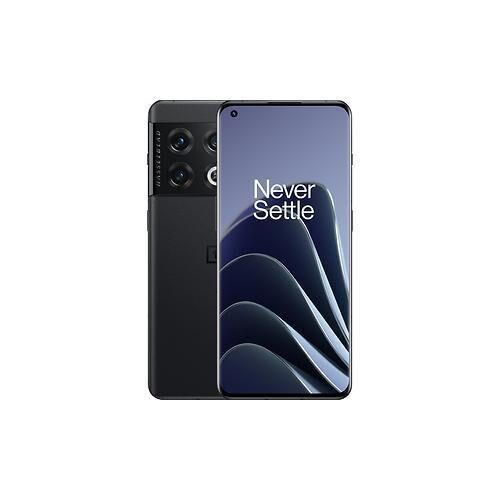
OnePlus 10 Pro
Starting at
£271.00What's the difference between the Google Pixel 8 Pro and OnePlus 10 Pro?
Google Pixel 8 Pro vs OnePlus 10 Pro comes down to the chipset, RAM and battery. Refurbished, the Google Pixel 8 Pro starts at £248, £23 less than the OnePlus 10 Pro. The Google Pixel 8 Pro is the newer model, released in 2023.
Refurbished from
Chipset
RAM
Battery
Screen type
Main camera
- Chipset: Google Tensor G3 on the Google Pixel 8 Pro, Qualcomm SM8450 Snapdragon 8 Gen 1 (4 nm) on the OnePlus 10 Pro.
- The Google Pixel 8 Pro has more RAM: 12 GB vs 8 GB.
- Battery: 5050 mAh on the Google Pixel 8 Pro, 5000 mAh on the OnePlus 10 Pro.
Google Pixel 8 Pro vs OnePlus 10 Pro specs
The Google Pixel 8 Pro and the OnePlus 10 Pro offer strong features suited to different priorities. The Pixel 8 Pro provides more RAM and a larger battery capacity, which can help with multitasking and longer use between charges. It has a slightly heavier weight and supports a combination of physical SIM and eSIM, making it flexible for network setups. The OnePlus 10 Pro offers a higher screen resolution and a notably higher megapixel front camera, which suits users focused on detailed visuals and selfies. Both phones support 5G and have high refresh rate screens, but their camera and storage options differ slightly. Choosing between them depends on whether you value camera detail and screen resolution or extra memory and battery capacity.
Google Pixel 8 Pro vs OnePlus 10 Pro price
Colour
- BlackSold out
- BlueSold out
- BeigeSold out
- GreenSold out
- BlackSold out
Storage
- 128GBSold out
- 256GBSold out
- 512GBSold out
- 128GBSold out
- 256GBSold out
Google Pixel 8 Pro vs OnePlus 10 Pro battery life and software updates
Durability covers battery capacity, software updates, and physical design.
Battery Capacity
The Google Pixel 8 Pro has a 5050 mAh battery, slightly larger than the OnePlus 10 Pro's 5000 mAh. This difference means the Pixel 8 Pro might provide a bit more endurance between charges, which suits users who need longer battery life for heavy or extended use.
Software Updates
This ensures that either phone can stay current with new features and security improvements, supporting reliable performance over time.
Battery
Fast charging
Foldable
Ip rating
Software updates
Wireless charging
Year of release
Google Pixel 8 Pro vs OnePlus 10 Pro performance
Performance focuses on the chipset, RAM, and storage options. These impact how smoothly the phone runs apps and handles multitasking, with differences that appeal to users with different needs.
Chipset
The Google Pixel 8 Pro uses the Google Tensor G3 chipset, while the OnePlus 10 Pro has the Qualcomm SM8450 Snapdragon 8 Gen 1 (4 nm). Each chipset offers solid performance, with the Pixel 8 Pro's chip tailored for Google's software and AI features, and the OnePlus 10 Pro's chip known for strong general performance.
RAM
With 12 GB of RAM, the Google Pixel 8 Pro is suited to users who want to keep many apps open simultaneously or run demanding applications. The OnePlus 10 Pro has 8 GB of RAM, which handles everyday apps smoothly and suits users with more typical multitasking needs.
Storage Options
The Pixel 8 Pro offers 128GB, 256GB, and 512GB storage variants, providing more choice for those needing extra space for apps, photos, and files. The OnePlus 10 Pro comes in 128GB and 256GB options, which cover most users' storage requirements.
Chipset
RAM
Google Pixel 8 Pro vs OnePlus 10 Pro screen
Screen quality affects your experience viewing videos, browsing, and gaming. Both phones have 120 Hz refresh rates and the same screen size, but differ in resolution and screen type, which influence sharpness and colour presentation.
Resolution
The OnePlus 10 Pro has a higher resolution at 1440 x 3216 pixels, making it ideal for users who want sharper images and more detail on screen. The Google Pixel 8 Pro's resolution is 1344 x 2992, which still delivers a clear and smooth display but with slightly fewer pixels.
Screen Type
The Pixel 8 Pro features an LTPO OLED screen, while the OnePlus 10 Pro uses an LTPO2 Fluid AMOLED panel. Both technologies support smooth refresh rates and energy efficiency, with the OnePlus's LTPO2 being a newer generation that may offer subtle improvements in brightness and colour fluidity.
Refresh rate
Resolution
Screen size
Screen type
Google Pixel 8 Pro vs OnePlus 10 Pro camera
Audiovisual specs focus on camera capabilities, which influence photo quality and video calls. The main cameras are close in megapixels, but the front cameras differ considerably, affecting selfie and video chat experiences.
Front Camera
The OnePlus 10 Pro has a 32 megapixel front camera, which captures more detail for selfies and video calls, making it suitable for users who prioritise high-resolution front-facing photos. The Google Pixel 8 Pro offers a 10.5 megapixel front camera, which still provides good clarity for everyday use.
Main Camera
With a 50 megapixel main camera, the Google Pixel 8 Pro is designed for detailed shots and strong image quality. The OnePlus 10 Pro's 48 megapixel main camera also delivers high-quality photos, providing solid performance for most photography needs.
Front camera
Main camera
Google Pixel 8 Pro vs OnePlus 10 Pro size and design
Miscellaneous details include network compatibility, physical dimensions, and connections, which can affect daily convenience and how the phone fits in your hand or with your accessories.
SIM Card Setup
The Pixel 8 Pro supports a combination of Physical SIM and eSIM, which suits users who want to switch carriers easily or use multiple numbers without changing SIM cards. The OnePlus 10 Pro offers dual Physical SIM slots, appealing to those who prefer managing two physical SIM cards.
Connector Type
The Google Pixel 8 Pro uses a USB-C connector, while the OnePlus 10 Pro features a USB Type-C 3.1 connector. The latter may support faster data transfer speeds, which benefits users who move large files between devices.
Size and Weight
Both phones have a 6.7 inch screen, but the Pixel 8 Pro is slightly wider at 76.5 mm and weighs 213 g, making it a bit larger and heavier. The OnePlus 10 Pro is narrower at 73.9 mm and lighter at 201 g, which might suit users who prefer a slimmer and lighter phone.
Carrier and Network
Both phones are unlocked and support 5G networks, offering flexibility to use with any compatible carrier and access to faster mobile data where available.
Carrier compatibility
Connector
Depth
Height
Mobile network
Release date
SD card slot
SIM card
Weight
Width
Google Pixel 8 Pro or OnePlus 10 Pro: which should you buy?
Buy the Google Pixel 8 Pro if
- you want to spend less: it starts at £248, £23 less than the OnePlus 10 Pro
- you want more RAM (12 GB vs 8 GB)
- you want a higher-resolution main camera (50 megapixels vs 48 megapixels)
Buy the OnePlus 10 Pro if
- you want a higher-resolution front camera (32 megapixels vs 10.5 megapixels)
- you want a lighter build (200.5 g vs 213 g)
What our customers say
Customers who bought the Google Pixel 8 Pro often highlight its smooth performance and speed, with many saying the phone looks nearly new even in fair condition. Users appreciate the sharp interface and reliable software experience. Some mention minor cosmetic marks on fair condition devices but say these do not affect daily use, especially when using a case. A few customers report issues with WiFi modules or overheating, but most are pleased with the value and quality of the refurbished Pixel 8 Pro.
OnePlus 10 Pro buyers praise the phone's overall quality and ease of setup, with several noting the device looks like new after weeks of use. Battery life receives mixed comments, with some finding it less than expected. A few customers experience screen responsiveness or network reliability problems, but many find the device good value and enjoyable for everyday use.
Both phones suit users looking for powerful, well-built devices with unlocked 5G support. The Pixel 8 Pro appeals to those valuing smooth multitasking and a slightly larger battery, while the OnePlus 10 Pro fits users who want higher screen resolution and a detailed front camera.
Google Pixel 8 Pro vs OnePlus 10 Pro FAQs
Google Pixel 8 Pro vs OnePlus 10 Pro comes down to the chipset, RAM and battery. Chipset: Google Tensor G3 on the Google Pixel 8 Pro, Qualcomm SM8450 Snapdragon 8 Gen 1 (4 nm) on the OnePlus 10 Pro. The Google Pixel 8 Pro has more RAM: 12 GB vs 8 GB.
The Google Pixel 8 Pro is cheaper refurbished, from £248 compared with £271 for the OnePlus 10 Pro.
The Google Pixel 8 Pro has 5050 mAh and the OnePlus 10 Pro has 5000 mAh.
The Google Pixel 8 Pro has a higher-resolution main camera: 50 megapixels vs 48 megapixels.
The Google Pixel 8 Pro gets updates until Oct 2030. We don't have published update dates for the OnePlus 10 Pro.
Refurbished, the Google Pixel 8 Pro comes in 128GB, 256GB and 512GB, and the OnePlus 10 Pro in 128GB and 256GB.