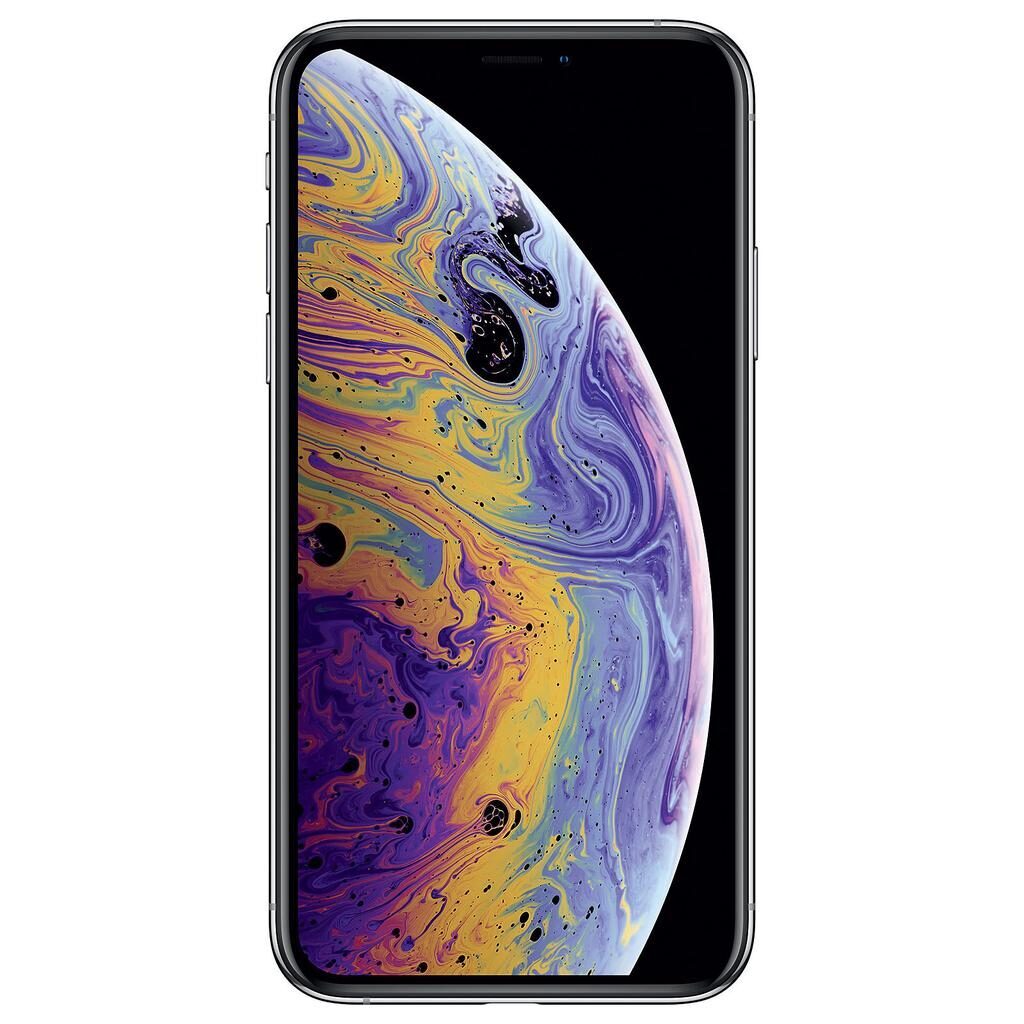
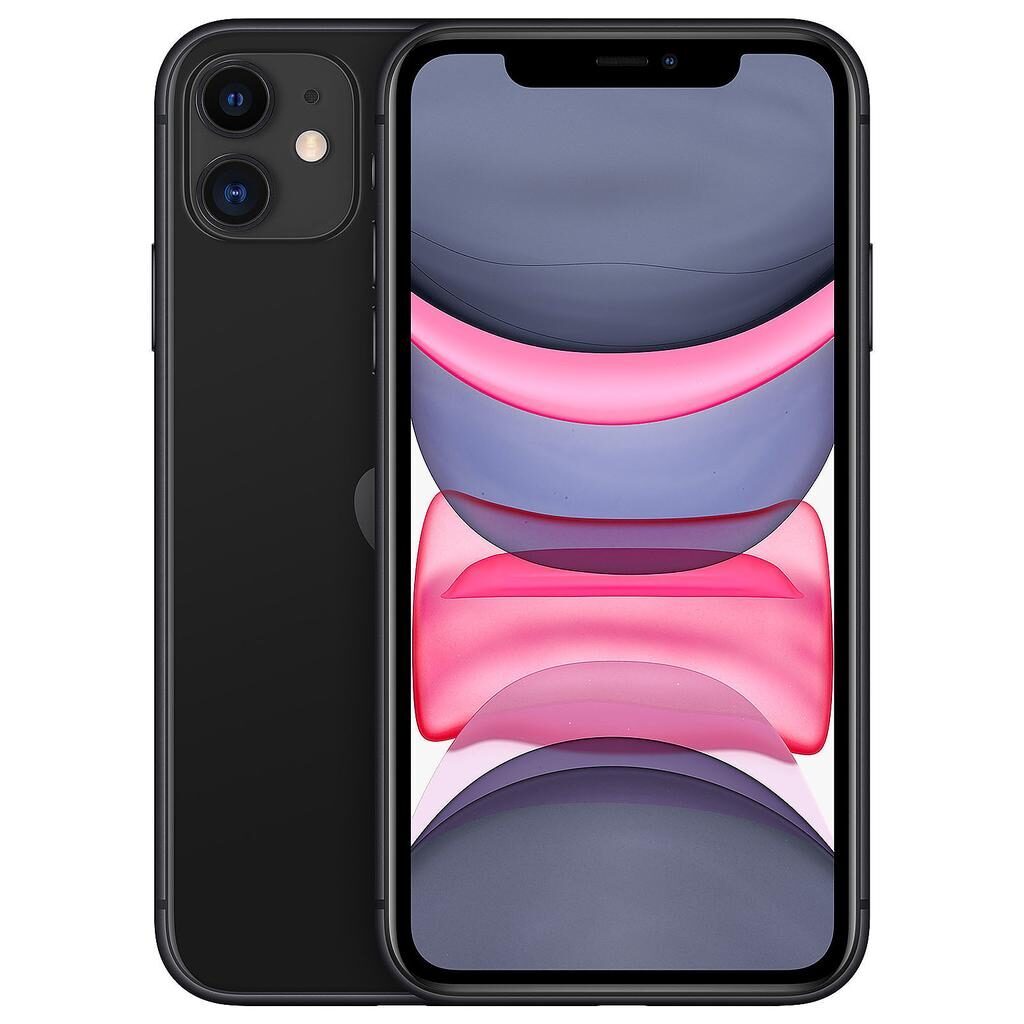
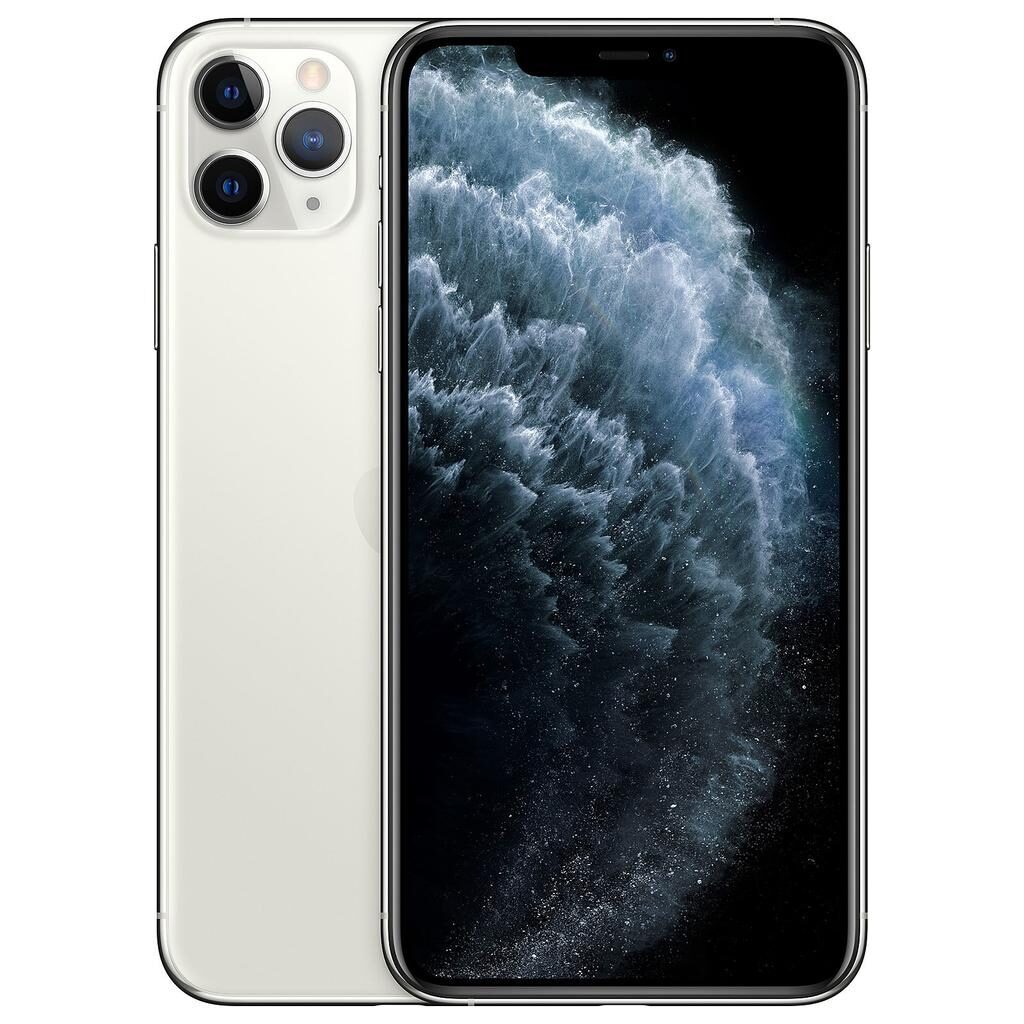
Google Pixel 4 vs iPhone XR
Shop Google Pixel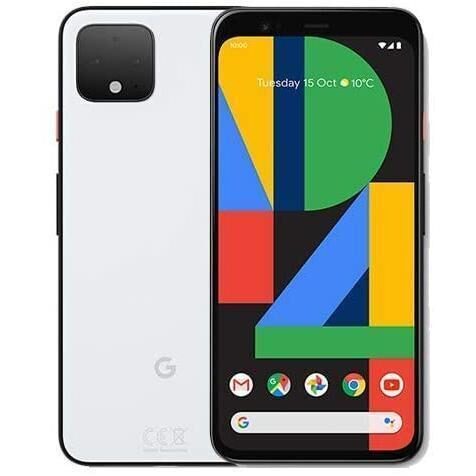
Google Pixel 4
Starting at
£131.91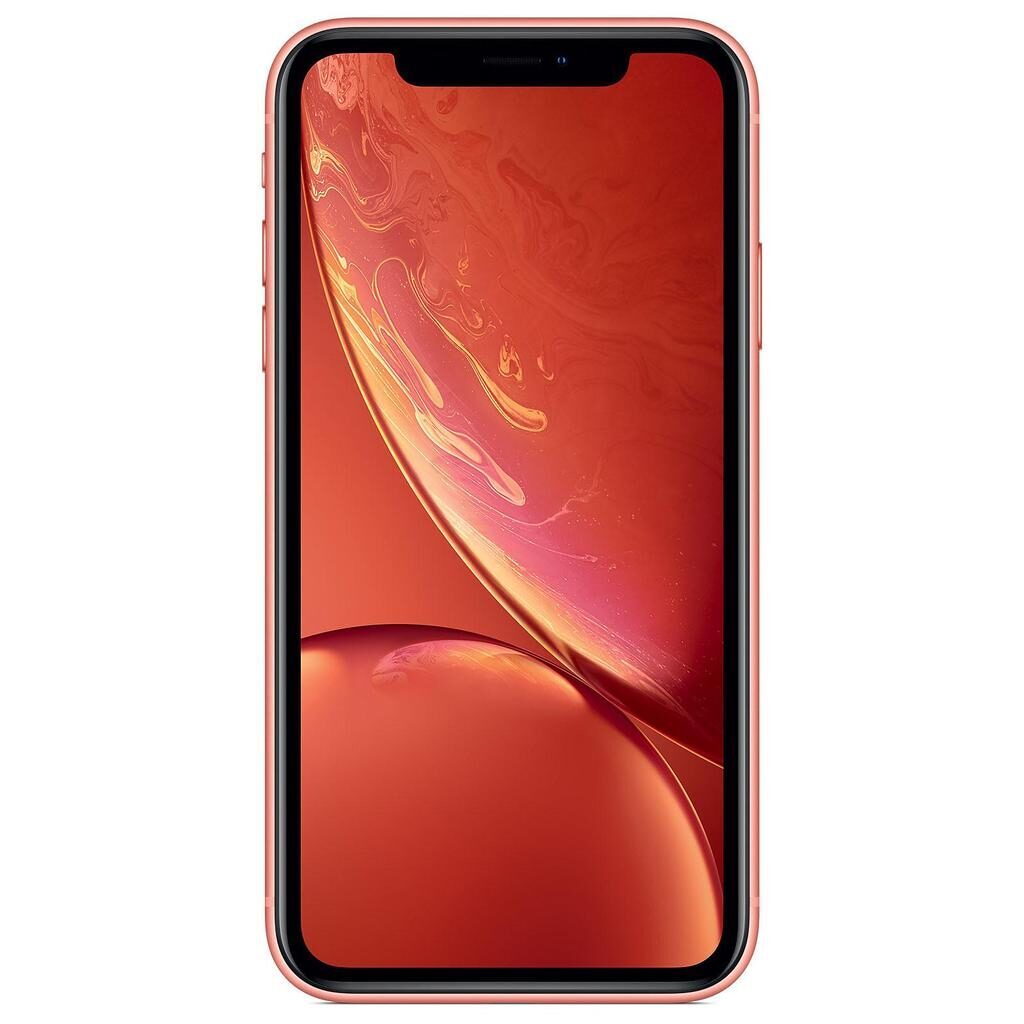
iPhone XR
Starting at
£130.30£399.00 newWhat's the difference between the Google Pixel 4 and iPhone XR?
Google Pixel 4 vs iPhone XR comes down to the chipset, RAM and battery. Refurbished, the iPhone XR starts at £130.30, £1.61 less than the Google Pixel 4. The Google Pixel 4 is the newer model, released in 2019.
Refurbished from
Chipset
RAM
Battery
Screen size
Screen type
- Chipset: Qualcomm SM8150 Snapdragon 855 (7 nm) on the Google Pixel 4, Apple A12 Bionic (7 nm) on the iPhone XR.
- The Google Pixel 4 has more RAM: 6 GB vs 3 GB.
- The iPhone XR has a bigger battery: 2942 mAh vs 2800 mAh.
Google Pixel 4 vs iPhone XR specs
The Google Pixel 4 and iPhone XR offer distinct experiences suited to different needs. The Pixel 4 runs Android with 6 GB RAM and a sharper 5.7 inch P-OLED screen, which suits those who prefer a compact, high-definition display and more multitasking memory. The iPhone XR runs iOS with 3 GB RAM and a larger 6.1 inch Liquid Retina IPS LCD screen, making it a good choice for users who want a bigger display and ongoing software updates. Camera megapixels are close, with the Pixel 4 having a small edge on the front camera. Both devices are unlocked with 4G and similar physical sizes, but the Pixel 4 is lighter and uses USB-C, while the XR uses Lightning.
Google Pixel 4 vs iPhone XR price
Colour
Storage
- 64GBSold out
- 128GBSold out
Google Pixel 4 vs iPhone XR battery life and software updates
Durability covers battery capacity, software support, and operating system. These factors influence how long the device lasts daily and how long it receives software updates.
Battery Capacity
The iPhone XR has a 2942 mAh battery while the Google Pixel 4 has a 2800 mAh battery. This means the XR may offer slightly longer use between charges, which suits users who prioritise longer battery life throughout the day.
Operating System Choice
The Pixel 4 runs Android, ideal if you prefer Google services and more customisation. The iPhone XR runs iOS, which suits those who prefer Apple's ecosystem and interface.
Battery
Foldable
Ip rating
Software updates
Wireless charging
Year of release
Google Pixel 4 vs iPhone XR performance
Performance depends on chipset, RAM, and storage options. These affect multitasking, app speed, and available space for files and apps.
RAM Capacity
The Pixel 4 has 6 GB of RAM compared to the iPhone XR's 3 GB. More RAM helps keep more apps open in the background, benefiting users who multitask heavily.
Chipset
The Pixel 4 uses the Qualcomm SM8150 Snapdragon 855 chipset, while the iPhone XR uses the Apple A12 Bionic. Both are built on a 7 nm process, which means efficient performance suited to everyday tasks and some demanding apps.
Storage Options
The Pixel 4 is available in 64GB and 128GB versions, while the iPhone XR adds a 256GB option. The larger storage on the XR suits those who keep many photos, videos, or apps without using cloud storage.
Chipset
RAM
Google Pixel 4 vs iPhone XR screen
Screen quality affects how content looks and how much space you have for viewing. Differences in size, resolution, and screen type influence sharpness, colour, and size.
Screen Size
The iPhone XR has a 6.1 inch screen, larger than the Pixel 4's 5.7 inch display. A bigger screen suits users who want more room for videos, reading, and apps.
Screen Resolution
The Pixel 4's screen resolution is 1080 x 2280, while the iPhone XR's is 828 x 1792. The higher resolution on the Pixel 4 provides a sharper image, which benefits users who notice fine detail in text or images.
Screen Type
The Pixel 4 uses a P-OLED screen, offering vibrant colours and deeper blacks. The iPhone XR has a Liquid Retina IPS LCD screen, which gives natural colours and good viewing angles. Your preference for screen colour style may guide your choice.
Refresh rate
Resolution
Screen size
Screen type
Google Pixel 4 vs iPhone XR camera
Audiovisual features cover cameras that capture photos and video. Megapixel counts give an initial idea of detail level, especially on the front and main cameras.
Front Camera Resolution
The Pixel 4 has an 8 megapixel front camera, compared to 7 megapixels on the iPhone XR. This means the Pixel 4 may capture slightly more detailed selfies, which could matter if you use the front camera often.
Main Camera Resolution
The Pixel 4's main camera has 12.2 megapixels, and the iPhone XR's is 12 megapixels. Both offer similar detail for everyday photos, suitable for most casual photographers.
Camera type
Front camera
Main camera
Google Pixel 4 vs iPhone XR size and design
Miscellaneous features cover physical size, connectivity, and network compatibility, influencing comfort, convenience, and compatibility with accessories.
Physical Size and Weight
The Pixel 4 is smaller and lighter at 147.1 mm tall, 68.8 mm wide, and 162 g, while the iPhone XR is 150.9 mm tall, 75.7 mm wide, and weighs 194 g. The Pixel 4 suits those who want a more compact and lighter phone.
Connector Type
The Pixel 4 uses USB-C, a common connector type for many modern devices and accessories. The iPhone XR uses Apple's Lightning connector, which suits users already invested in Apple accessories.
Carrier and Network Compatibility
Both devices are unlocked and support 4G, giving freedom to choose your mobile network without restrictions.
SIM Card Options
Both phones support a physical SIM and an eSIM, offering flexibility for users who want to use two numbers or switch plans easily.
Carrier compatibility
Connector
Depth
Height
Mobile network
SD card slot
SIM card
Weight
Width
Google Pixel 4 or iPhone XR: which should you buy?
Buy the Google Pixel 4 if
- you want more RAM (6 GB vs 3 GB)
- you want an OLED screen
- you want a higher-resolution front camera (8 megapixels vs 7 megapixels)
Buy the iPhone XR if
- you want to spend less: it starts at £130.30, £1.61 less than the Google Pixel 4
- you want a bigger battery (2942 mAh vs 2800 mAh)
- you want a bigger screen (6.1 inch vs 5.7 inch)
What our customers say
Customers of the Google Pixel 4 appreciate how the phone looks like new and performs well for everyday use. Many mention satisfaction with the battery and the phone's compact size. Some note the face unlock feature did not work perfectly, and others experienced screen issues such as dead pixels. Overall, users find the Pixel 4 suitable for those wanting a well-functioning Android device with a sharp screen and good multitasking memory.
The iPhone XR receives consistently positive feedback for its condition and performance. Customers praise the screen size as comfortable for media and everyday use, even for older users. Battery health is generally good, though some mention that replacement batteries are not official Apple parts. The XR is valued for its fast, smooth operation and ease of setup. Many appreciate the variety of storage options and the ongoing software support.
Those choosing between the two may prefer the Pixel 4 for a compact Android experience with a higher resolution screen and more RAM. The iPhone XR suits users who want a larger screen, longer software updates, and the iOS ecosystem.
Google Pixel 4 vs iPhone XR FAQs
Google Pixel 4 vs iPhone XR comes down to the chipset, RAM and battery. Chipset: Qualcomm SM8150 Snapdragon 855 (7 nm) on the Google Pixel 4, Apple A12 Bionic (7 nm) on the iPhone XR. The Google Pixel 4 has more RAM: 6 GB vs 3 GB.
The iPhone XR is cheaper refurbished, from £130.30 compared with £131.91 for the Google Pixel 4.
The iPhone XR has a bigger battery: 2942 mAh vs 2800 mAh.
The Google Pixel 4 has 12.2 megapixels and the iPhone XR has 12 megapixels.
Updates for the Google Pixel 4 ended in Oct 2022. Its last version is Android 13. Updates for the iPhone XR ended in Apr 2026. Its last version is iOS 18.
Refurbished, the Google Pixel 4 comes in 64GB and 128GB, and the iPhone XR in 64GB, 128GB and 256GB.