Google Pixel 4 vs Huawei P20 Pro
Shop Google Pixel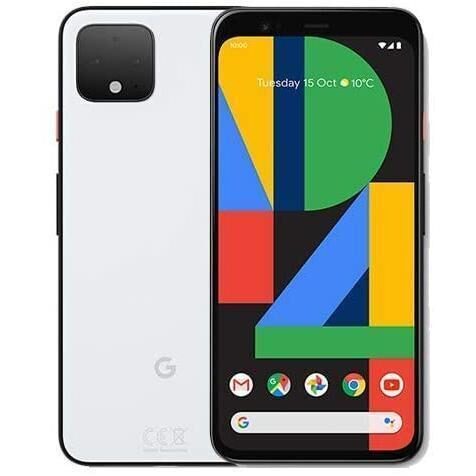
Google Pixel 4
Starting at
£131.91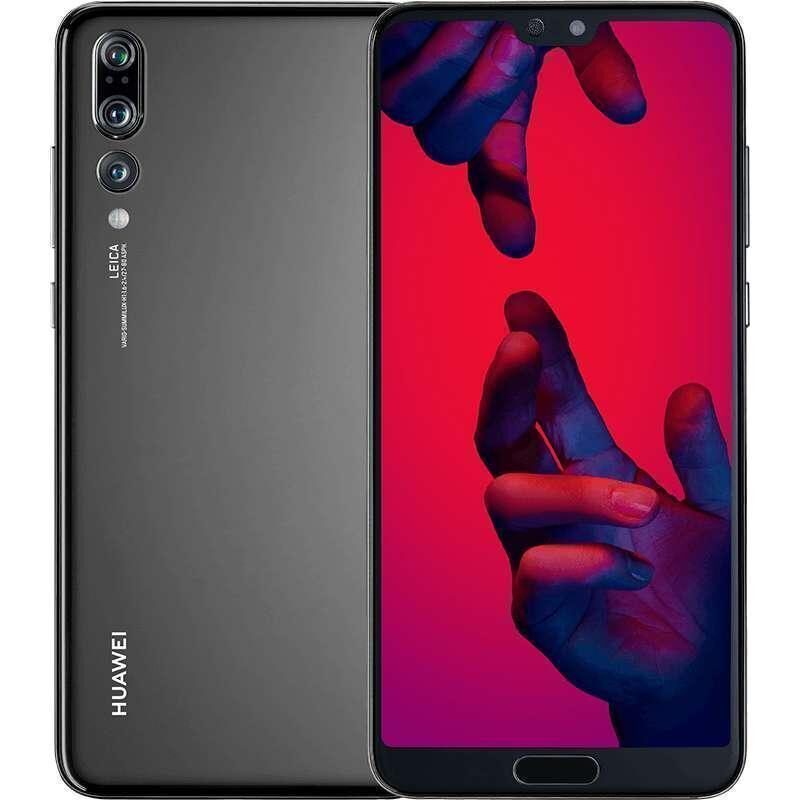
Huawei P20 Pro
Starting at
£119.00What's the difference between the Google Pixel 4 and Huawei P20 Pro?
Google Pixel 4 vs Huawei P20 Pro comes down to the chipset, battery and screen size. Refurbished, the Huawei P20 Pro starts at £119, £12.91 less than the Google Pixel 4. The Google Pixel 4 is the newer model, released in 2019.
Refurbished from
Chipset
Battery
Screen size
Screen type
Main camera
- Chipset: Qualcomm SM8150 Snapdragon 855 (7 nm) on the Google Pixel 4, Kirin 970 (10 nm) on the Huawei P20 Pro.
- The Huawei P20 Pro has a bigger battery: 4000 mAh vs 2800 mAh.
- The Huawei P20 Pro has a bigger screen: 6.1 inch vs 5.7 inch.
Google Pixel 4 vs Huawei P20 Pro specs
The Google Pixel 4 and Huawei P20 Pro differ in ways that suit different needs. The Pixel 4 offers a smaller 5.7 inch P-OLED screen and a Snapdragon 855 chipset, making it a good fit if you want a compact phone with a chipset built on a 7 nm process. The Huawei P20 Pro features a larger 6.1 inch OLED screen and a bigger 4000 mAh battery, appealing if you want longer battery life and a roomier display. The P20 Pro also has higher megapixel counts on both front and main cameras, which suits photography enthusiasts. Both run Android and come in 64GB or 128GB storage options. These differences help you choose based on screen size, battery endurance, camera detail, and chipset preference.
Google Pixel 4 vs Huawei P20 Pro price
Colour
- WhiteSold out
- BlackSold out
- BlackSold out
- BlueSold out
Storage
- 64GBSold out
- 128GBSold out
- 64GBSold out
- 128GBSold out
Google Pixel 4 vs Huawei P20 Pro battery life and software updates
Durability covers battery capacity, software updates, and operating system details. These affect how long the phone lasts on a charge and how the software performs over time.
Battery Capacity
The Huawei P20 Pro has a 4000 mAh battery which provides more capacity, potentially lasting longer between charges. The Google Pixel 4 has a smaller 2800 mAh battery, which suits users who prefer a lighter and more compact device but might require more frequent charging.
Operating System
Both the Pixel 4 and Huawei P20 Pro run on Android, so you get a familiar operating system with access to the same app ecosystem.
Battery
Foldable
Software updates
Year of release
Google Pixel 4 vs Huawei P20 Pro performance
Performance depends on the chipset, memory, and storage options. These aspects influence speed, multitasking, and app storage space.
Processor Technology
The Google Pixel 4 uses the Qualcomm SM8150 Snapdragon 855 built on a 7 nm process, which typically offers efficient performance and power management. The Huawei P20 Pro has the Kirin 970 chipset built on a 10 nm process. If you prefer a chipset with newer manufacturing technology, the Pixel 4 fits that preference.
Memory and Storage
Both devices come with 6 GB of RAM, which keeps everyday apps running smoothly and supports multitasking. Storage options for both include 64GB and 128GB, letting you choose the capacity that suits your needs for apps, photos, and files.
Chipset
RAM
Google Pixel 4 vs Huawei P20 Pro screen
Screen quality affects how you view content, including size, resolution, and type of display. These traits influence clarity, colour, and comfort when using the device.
Screen Size
The Huawei P20 Pro has a larger 6.1 inch screen, which provides more room for video, reading, and browsing. The Google Pixel 4 offers a smaller 5.7 inch screen, making it easier to handle with one hand and more pocket-friendly.
Resolution and Display Type
The Pixel 4 shows a resolution of 1080 x 2280 pixels on a P-OLED screen, while the Huawei P20 Pro has 1080 x 2240 pixels on an OLED screen. Both offer sharp Full HD+ displays with deep colours, but the Pixel 4's P-OLED may provide slightly different contrast characteristics compared to the Huawei's OLED.
Refresh rate
Resolution
Screen size
Screen type
Google Pixel 4 vs Huawei P20 Pro camera
Audiovisual features focus on the cameras. Megapixel counts indicate the level of detail captured by front and main cameras, which is important for selfies, photos, and video.
Front Camera Detail
The Huawei P20 Pro has a 24 megapixel front camera, suited to users who prioritise high-resolution selfies and video calls. The Google Pixel 4 features an 8 megapixel front camera, which is suitable for everyday front-facing photos and video chats.
Main Camera Resolution
The main camera on the Huawei P20 Pro is 40 megapixels, making it well suited for capturing highly detailed photos. The Pixel 4's main camera has 12.2 megapixels, which suits users who want good quality photos with simplified camera features.
Camera type
Front camera
Main camera
Google Pixel 4 vs Huawei P20 Pro size and design
Miscellaneous features include physical dimensions, network support, SIM types, and connector details. These affect usability, comfort, and compatibility with accessories and networks.
Physical Size and Weight
The Huawei P20 Pro is larger and heavier, measuring 155 mm by 73.9 mm and weighing 180 g. This suits users who prefer a bigger phone with a larger display. The Google Pixel 4 is more compact at 147.1 mm by 68.8 mm and lighter at 162 g, which benefits those wanting a smaller, easier-to-handle device.
SIM Card Options
The Google Pixel 4 supports a physical SIM alongside an eSIM, providing flexibility if you want to use two numbers or switch carriers without changing physical SIM cards. The Huawei P20 Pro supports a physical SIM only.
Connector Type
Both devices use USB-C connectors, which are common for charging and data transfer, making accessories and cables widely compatible.
Network Compatibility
Both phones support 4G mobile networks, suitable for fast data speeds in most areas.
Carrier compatibility
Connector
Depth
Height
Mobile network
SD card slot
SIM card
Weight
Width
Google Pixel 4 or Huawei P20 Pro: which should you buy?
Buy the Google Pixel 4 if
- you want a lighter build (162 g vs 180 g)
- you want the newer model (2019)
Buy the Huawei P20 Pro if
- you want to spend less: it starts at £119, £12.91 less than the Google Pixel 4
- you want a bigger battery (4000 mAh vs 2800 mAh)
- you want a bigger screen (6.1 inch vs 5.7 inch)
What our customers say
Customers who own the Google Pixel 4 often highlight its compact design and good performance. Many praise the phone for looking like new and having decent battery life after refurbishment. Some users find it easy to use for everyday tasks and appreciate its smooth operation. However, a few mention issues like battery health concerns and screen faults such as dead pixels or green lines, which can affect long-term satisfaction.
The Huawei P20 Pro receives praise for its excellent battery life and large, clear screen. Users who value camera quality note the detailed photos from its high megapixel cameras. Many customers find it good value and well suited for photography and media consumption. Some report occasional overheating and stability problems, but most appreciate the phone's overall feel and features.
Both phones suit buyers looking for solid Android devices with different strengths: the Pixel 4 for compact handling and efficient chipset, and the Huawei P20 Pro for longer battery life and camera detail.
Google Pixel 4 vs Huawei P20 Pro FAQs
Google Pixel 4 vs Huawei P20 Pro comes down to the chipset, battery and screen size. Chipset: Qualcomm SM8150 Snapdragon 855 (7 nm) on the Google Pixel 4, Kirin 970 (10 nm) on the Huawei P20 Pro. The Huawei P20 Pro has a bigger battery: 4000 mAh vs 2800 mAh.
The Huawei P20 Pro is cheaper refurbished, from £119 compared with £131.91 for the Google Pixel 4.
The Huawei P20 Pro has a bigger battery: 4000 mAh vs 2800 mAh.
The Huawei P20 Pro has a higher-resolution main camera: 40 megapixels vs 12.2 megapixels.
Updates for the Google Pixel 4 ended in Oct 2022. Its last version is Android 13. We don't have published update dates for the Huawei P20 Pro.
Both come in 64GB and 128GB refurbished.