Google Pixel 4 vs Huawei Mate 20 Pro
Shop Google Pixel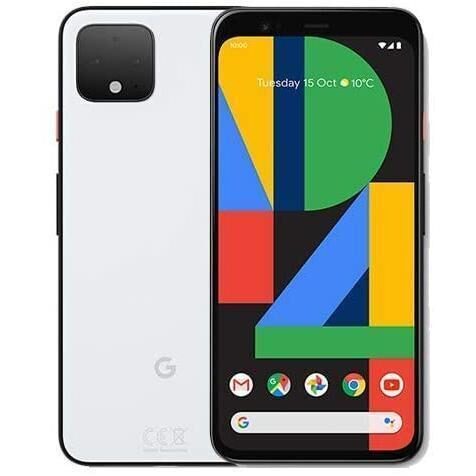
Google Pixel 4
Starting at
£131.91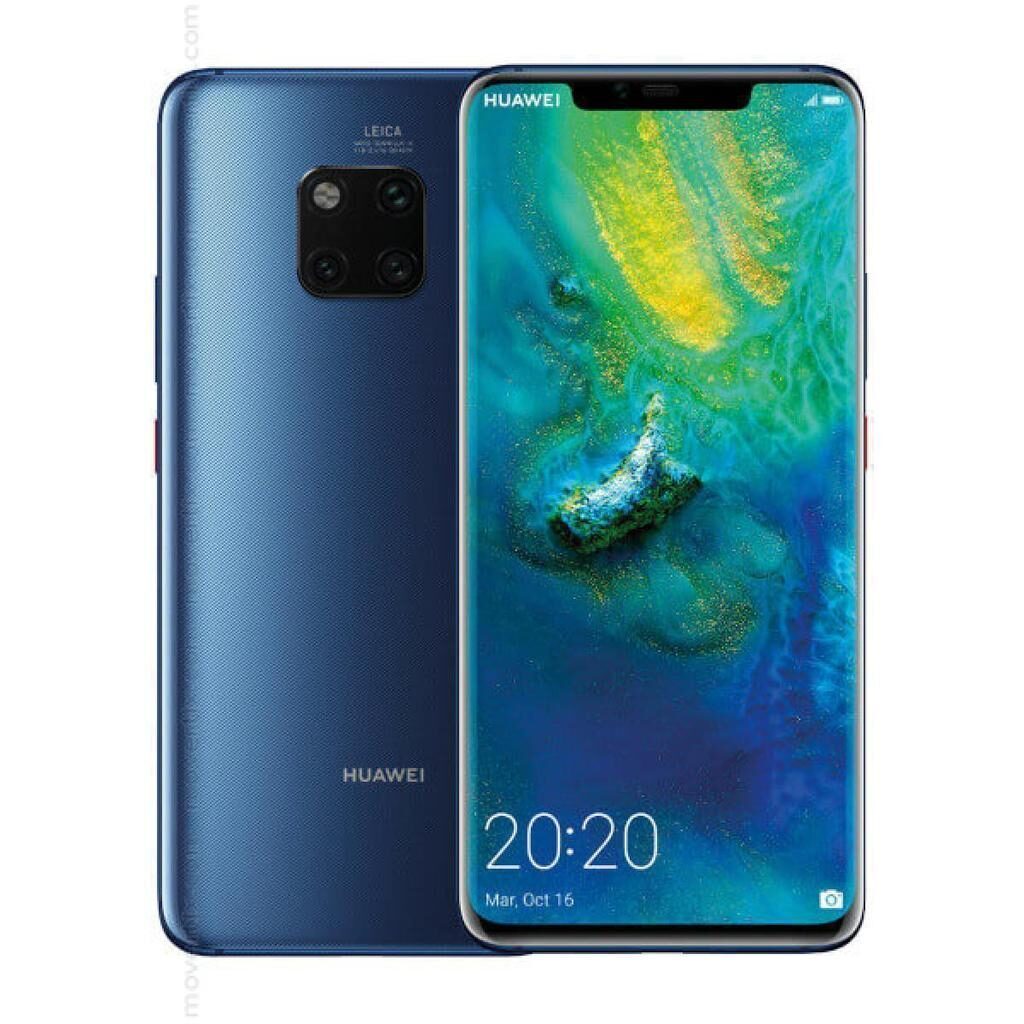
Huawei Mate 20 Pro
Starting at
£95.00What's the difference between the Google Pixel 4 and Huawei Mate 20 Pro?
Google Pixel 4 vs Huawei Mate 20 Pro comes down to the chipset, battery and screen size. Refurbished, the Huawei Mate 20 Pro starts at £95, £36.91 less than the Google Pixel 4. The Google Pixel 4 is the newer model, released in 2019.
Refurbished from
Chipset
Battery
Screen size
Screen type
Main camera
- Chipset: Qualcomm SM8150 Snapdragon 855 (7 nm) on the Google Pixel 4, Kirin 980 (7 nm) on the Huawei Mate 20 Pro.
- The Huawei Mate 20 Pro has a bigger battery: 4200 mAh vs 2800 mAh.
- The Huawei Mate 20 Pro has a bigger screen: 6.39 inch vs 5.7 inch.
Google Pixel 4 vs Huawei Mate 20 Pro specs
The Google Pixel 4 and Huawei Mate 20 Pro both run Android and offer 6 GB of RAM, but they differ notably in screen size, battery capacity, and camera resolution. The Pixel 4 has a smaller 5.7 inch P-OLED screen with 1080 x 2280 resolution, making it a compact choice for those who prefer a phone that fits easily in one hand. The Mate 20 Pro features a larger 6.39 inch OLED screen with 1440 x 3120 resolution, suited to users who enjoy more screen space for videos and apps. Battery life will differ, with the Mate 20 Pro's 4200 mAh battery offering more capacity than the Pixel 4's 2800 mAh. Camera detail is another key difference, with the Mate 20 Pro offering higher megapixels on both front and main cameras. Storage options and SIM support also vary to suit different needs.
Google Pixel 4 vs Huawei Mate 20 Pro price
Colour
- WhiteSold out
- BlackSold out
- BlackSold out
- BlueSold out
- GreenSold out
Storage
- 64GBSold out
- 128GBSold out
- 128GBSold out
Google Pixel 4 vs Huawei Mate 20 Pro battery life and software updates
Battery capacity and software updates influence how long your device stays active and supported. Battery size is a key difference to consider for daily use.
Battery Capacity
The Huawei Mate 20 Pro has a 4200 mAh battery, which offers more capacity than the Google Pixel 4's 2800 mAh. This means the Mate 20 Pro may provide longer usage between charges, suitable for users who spend more time away from charging points. The Pixel 4 suits those who prefer a smaller phone and are comfortable with a smaller battery.
Battery
Foldable
Software updates
Year of release
Google Pixel 4 vs Huawei Mate 20 Pro performance
Both phones have the same amount of RAM, which helps keep apps running smoothly. Their chipsets differ, affecting how they perform tasks and handle apps. Storage options also vary to fit different needs.
Chipset Differences
The Google Pixel 4 uses the Qualcomm SM8150 Snapdragon 855 chipset built on a 7 nm process, while the Huawei Mate 20 Pro uses the Kirin 980, also on 7 nm. Both chipsets support everyday tasks well, so each device suits users who want reliable performance for common apps and browsing.
Memory and Storage
Both devices come with 6 GB of RAM, which helps keep multiple apps open. The Pixel 4 offers two storage options, 64GB and 128GB, giving you choice based on your storage needs. The Mate 20 Pro is stocked with 128GB, providing ample space for apps, photos, and media.
Chipset
RAM
Google Pixel 4 vs Huawei Mate 20 Pro screen
Screen size and resolution impact viewing comfort and clarity. These two phones differ significantly here, suiting different types of users and viewing preferences.
Screen Size
The Huawei Mate 20 Pro has a larger 6.39 inch screen, which offers more room for watching videos, gaming, and multitasking. The Google Pixel 4 has a smaller 5.7 inch screen, which makes it easier to use one-handed and more pocket friendly.
Resolution and Display Type
The Mate 20 Pro's screen has a higher resolution of 1440 x 3120 pixels, delivering sharper and more detailed images. It uses an OLED panel, which provides vivid colours. The Pixel 4 has a resolution of 1080 x 2280 pixels with a P-OLED panel, giving good image quality while balancing size and battery life.
Refresh rate
Resolution
Screen size
Screen type
Google Pixel 4 vs Huawei Mate 20 Pro camera
Camera quality matters for capturing photos and video calls. Front and main camera megapixels differ, influencing image detail and clarity.
Front Camera Resolution
The Huawei Mate 20 Pro has a 24 megapixel front camera, which captures more detail for selfies and video chats. The Google Pixel 4 features an 8 megapixel front camera, suited for everyday video calls and selfies.
Main Camera Resolution
The Mate 20 Pro offers a 40 megapixel main camera, which can capture more detail and higher resolution photos. The Pixel 4 has a 12.2 megapixel main camera designed for quality photos with simpler resolution needs.
Camera type
Front camera
Main camera
Google Pixel 4 vs Huawei Mate 20 Pro size and design
Other physical and connectivity details influence how the phones fit your daily routine. Size, weight, SIM options, and expandable storage vary between the two.
Size and Weight
The Huawei Mate 20 Pro is larger and heavier, measuring 157.8 mm in height, 72.3 mm in width, 8.6 mm in depth and weighing 189 g. The Google Pixel 4 is more compact at 147.1 mm tall, 68.8 mm wide, 8.2 mm deep and weighs 162 g. Choose the Mate 20 Pro if you want a bigger phone and don't mind the extra size and weight. The Pixel 4 is better if you prefer a smaller, lighter device.
SIM and Storage Expansion
The Pixel 4 supports both a physical SIM and an eSIM, giving you more flexibility for mobile plans or travel. The Mate 20 Pro provides a physical SIM and includes a slot for NM (Nano Memory) cards, allowing you to expand storage beyond the built-in 128GB.
Connector and Network
Both phones use USB-C connectors and support 4G networks, standard features for charging and data transfers.
Carrier compatibility
Connector
Depth
Height
Mobile network
SD card slot
SIM card
Weight
Width
Google Pixel 4 or Huawei Mate 20 Pro: which should you buy?
Buy the Google Pixel 4 if
- you want a lighter build (162 g vs 189 g)
- you want the newer model (2019)
Buy the Huawei Mate 20 Pro if
- you want to spend less: it starts at £95, £36.91 less than the Google Pixel 4
- you want a bigger battery (4200 mAh vs 2800 mAh)
- you want a bigger screen (6.39 inch vs 5.7 inch)
What our customers say
Customers say the Google Pixel 4 looks like new and performs well for everyday tasks. Many highlight its compact size and smooth operation. Some users note issues with battery health and screen defects that can appear over time, and a few mention face lock problems. Overall, the Pixel 4 appeals to those who want a smaller phone that handles daily needs reliably.
The Huawei Mate 20 Pro is praised for its good condition and quality, with customers enjoying the large screen and camera capabilities. Some reviews mention minor issues like a loose charging port or quirks with battery charging behaviour in certain situations. The phone suits users who want a larger display and higher resolution photos, with the option to expand storage.
Both phones attract buyers who value good condition refurbished devices. The Pixel 4 suits those prioritising compact design and dual SIM flexibility, while the Mate 20 Pro is suited to users wanting a bigger screen and expandable storage.
Google Pixel 4 vs Huawei Mate 20 Pro FAQs
Google Pixel 4 vs Huawei Mate 20 Pro comes down to the chipset, battery and screen size. Chipset: Qualcomm SM8150 Snapdragon 855 (7 nm) on the Google Pixel 4, Kirin 980 (7 nm) on the Huawei Mate 20 Pro. The Huawei Mate 20 Pro has a bigger battery: 4200 mAh vs 2800 mAh.
The Huawei Mate 20 Pro is cheaper refurbished, from £95 compared with £131.91 for the Google Pixel 4.
The Huawei Mate 20 Pro has a bigger battery: 4200 mAh vs 2800 mAh.
The Huawei Mate 20 Pro has a higher-resolution main camera: 40 megapixels vs 12.2 megapixels.
Updates for the Google Pixel 4 ended in Oct 2022. Its last version is Android 13. We don't have published update dates for the Huawei Mate 20 Pro.
Refurbished, the Google Pixel 4 comes in 64GB and 128GB, and the Huawei Mate 20 Pro in 128GB.