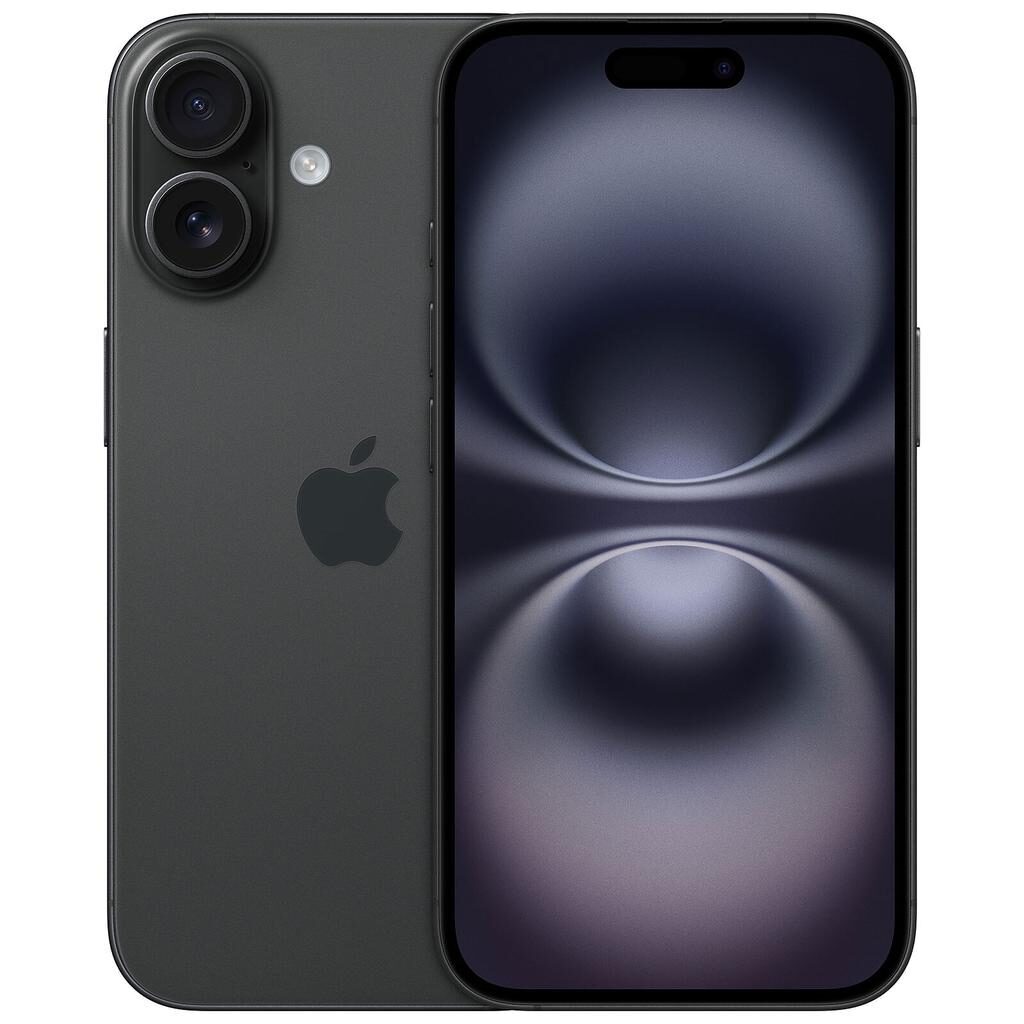
Google Pixel 10 Pro XL vs iPhone 17 Pro Max
Shop Google Pixel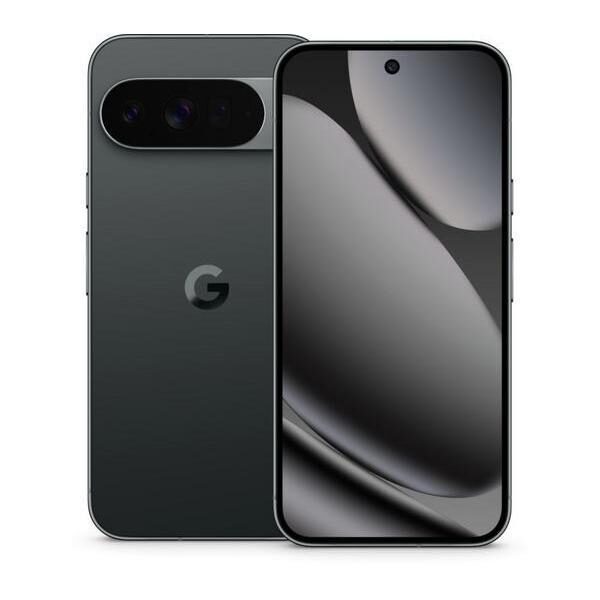
Google Pixel 10 Pro XL
Starting at
£587.52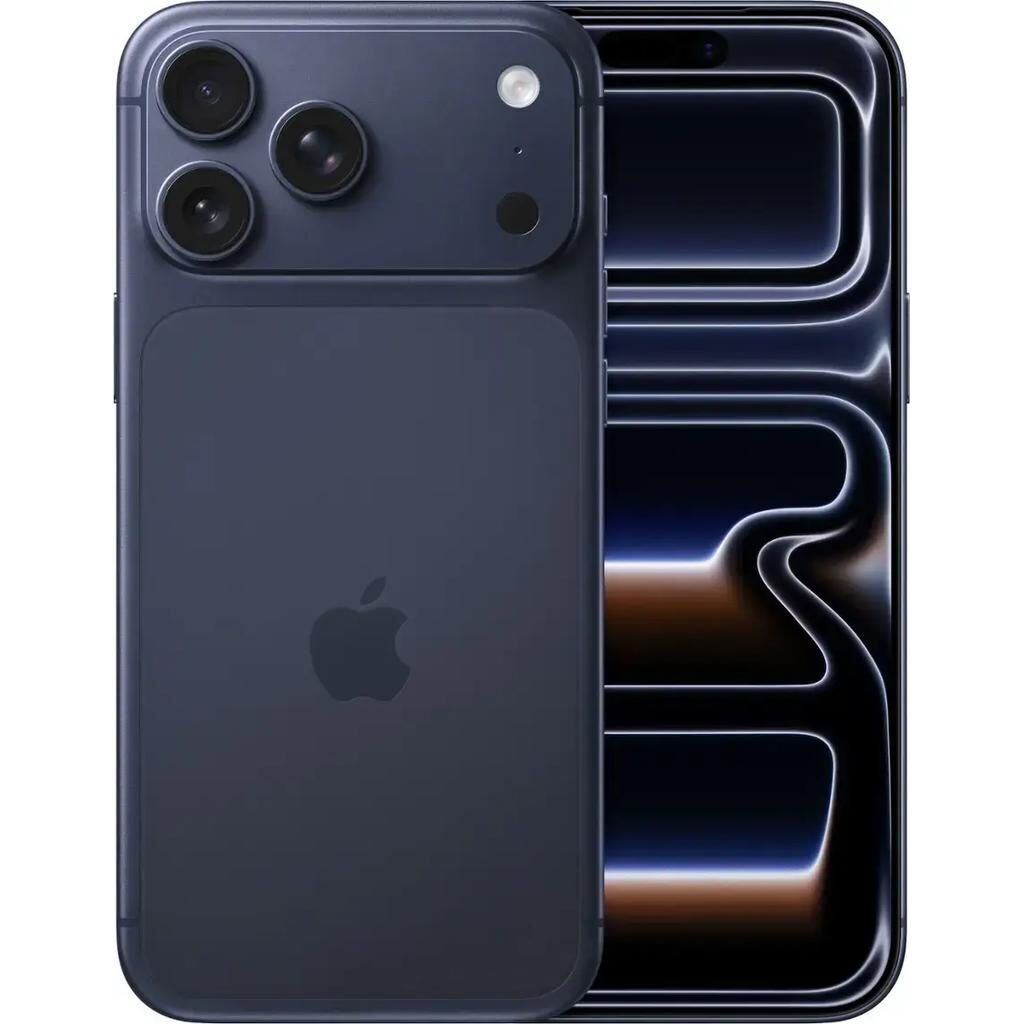
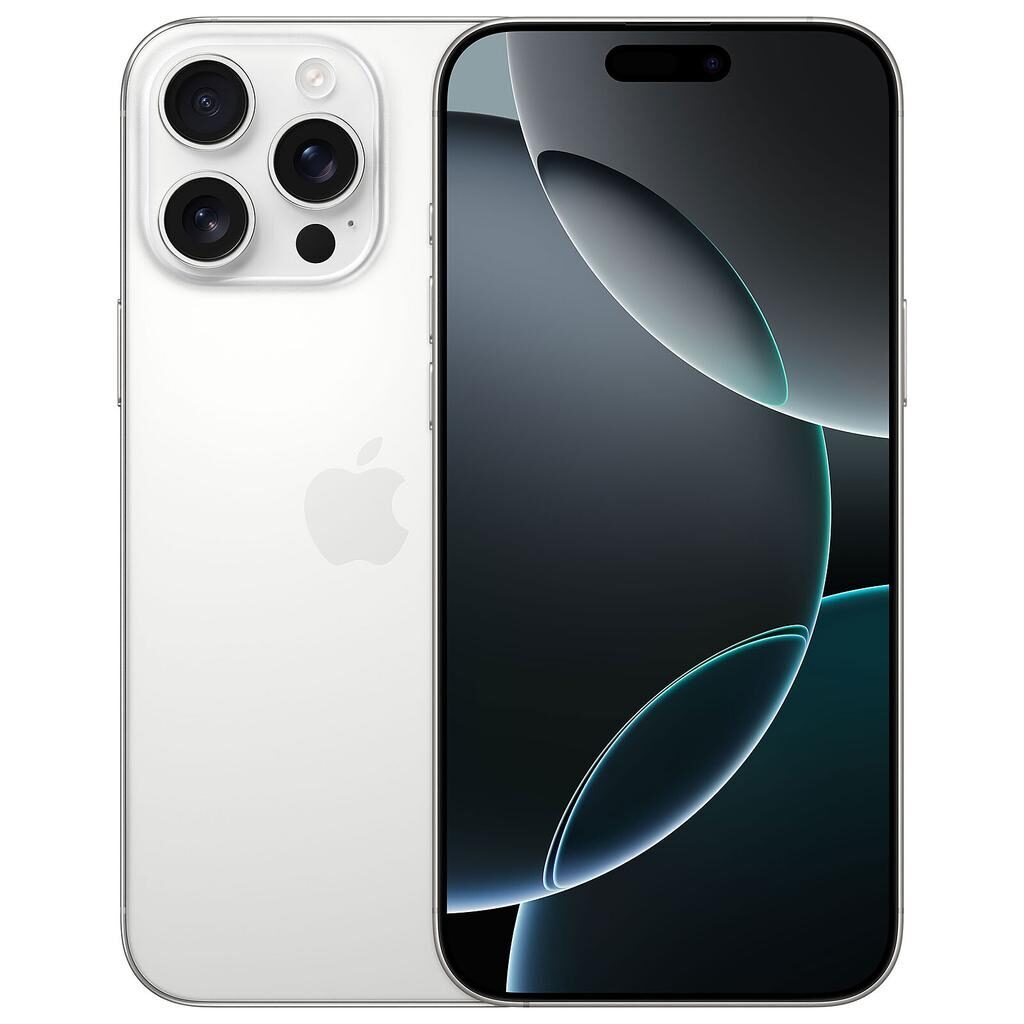
iPhone 17 Pro Max
Starting at
£1,209.00What's the difference between the Google Pixel 10 Pro XL and iPhone 17 Pro Max?
Google Pixel 10 Pro XL vs iPhone 17 Pro Max comes down to the chipset, RAM and battery. Refurbished, the Google Pixel 10 Pro XL starts at £587.52, £621.48 less than the iPhone 17 Pro Max.
Refurbished from
Chipset
RAM
Battery
Screen size
Screen type
- Chipset: Google Tensor G5 (3 nm) on the Google Pixel 10 Pro XL, Apple A19 Pro on the iPhone 17 Pro Max.
- The Google Pixel 10 Pro XL has more RAM: 16 GB vs 12 GB.
- Battery: 5200 mAh on the Google Pixel 10 Pro XL, 4823 mAh, 5088 mAh on the iPhone 17 Pro Max.
Google Pixel 10 Pro XL vs iPhone 17 Pro Max specs
The Google Pixel 10 Pro XL and the iPhone 17 Pro Max are both premium devices released in 2025, each suited to different preferences. The Pixel offers a larger battery and more RAM, making it a strong choice for heavy multitaskers and those who want longer battery life. The iPhone provides a slightly bigger screen with a higher resolution and more storage options, including a 2TB variant for users needing extensive space. Pixel's front camera has a higher megapixel count, appealing to selfie enthusiasts who want more detail. Both phones use USB-C connectors and support 5G, but they run different operating systems, so your choice may depend on whether you prefer Android or iOS.
Google Pixel 10 Pro XL vs iPhone 17 Pro Max price
Colour
- BlackSold out
- GreySold out
- BeigeSold out
- GreenSold out
Storage
- 256GBSold out
- 512GBSold out
- 1TBSold out
Google Pixel 10 Pro XL vs iPhone 17 Pro Max battery life and software updates
Durability covers battery capacity, operating system, and physical design. These factors influence daily use, from how long the phone lasts on a charge to the software environment you prefer.
Battery Capacity
The Google Pixel 10 Pro XL has a 5200 mAh battery, which is notably larger than the iPhone 17 Pro Max's 4823 mAh or 5088 mAh options. This means the Pixel may last longer between charges, especially for users who rely heavily on their phone throughout the day. If battery endurance is a priority, the Pixel could be the better match.
Operating System
The Pixel runs Android, while the iPhone runs iOS. This difference affects app availability, interface style, and system features. Choose the Pixel if you prefer Android's customisation and integration with Google services. Opt for the iPhone if you are accustomed to iOS and Apple's ecosystem.
Battery
Foldable
Ip rating
Software updates
Wireless charging
Year of release
Google Pixel 10 Pro XL vs iPhone 17 Pro Max performance
Performance depends on chipset power, RAM, and storage capacity. These aspects determine how smoothly the phone runs apps and handles multitasking.
Memory and Multitasking
The Google Pixel 10 Pro XL comes with 16 GB of RAM, which supports keeping many apps open and switching between them smoothly. The iPhone 17 Pro Max has 12 GB of RAM, which is still ample for demanding use but may suit users with slightly fewer multitasking needs. Both models offer storage options from 256GB to 1TB, but the iPhone goes up to 2TB. This extra storage is useful if you store large files or many apps.
Chipset
The Pixel 10 Pro XL uses the Google Tensor G5 built on a 3 nm process, while the iPhone 17 Pro Max features the Apple A19 Pro chipset. Both chipsets are designed for high performance in 2025, so the choice depends on whether you prefer Google's or Apple's processing environment.
Chipset
RAM
Google Pixel 10 Pro XL vs iPhone 17 Pro Max screen
Screen quality impacts how you view media, play games, and read text. Size, resolution, and screen technology all contribute to the visual experience.
Screen Size
The iPhone 17 Pro Max has a slightly larger screen at 6.9 inches compared to the Pixel 10 Pro XL's 6.8 inches. This extra space provides a bit more room for videos and multitasking apps, appealing to users who prioritise screen real estate.
Resolution and Display Type
The Pixel 10 Pro XL's resolution is 1344x2992, which creates a tall and sharp display ideal for scrolling and reading. The iPhone 17 Pro Max's resolution is 2868x1320, offering a wide, high-resolution image suited for detailed visuals. The Pixel uses OLED technology, while the iPhone features a Super Retina XDR display, which emphasises brightness and colour accuracy. Your preference might depend on whether you value sharper vertical space or a wider, vivid screen.
Refresh rate
Resolution
Screen size
Screen type
Google Pixel 10 Pro XL vs iPhone 17 Pro Max camera
Camera type
Front camera
Main camera
Google Pixel 10 Pro XL vs iPhone 17 Pro Max size and design
Miscellaneous differences include physical dimensions, connectivity, and network compatibility. These details affect how the phone feels in hand and fits your daily setup.
Physical Size and Weight
The Pixel 10 Pro XL measures 162.8 mm in height, 76.6 mm in width, and 8.5 mm in depth, weighing 232 g. The iPhone 17 Pro Max is slightly taller at 163.4 mm, wider at 78 mm, and a bit thicker at 8.8 mm, weighing 233 g. Users who prefer a slightly narrower phone may find the Pixel more comfortable to hold.
Connectivity and Carrier Compatibility
Both phones are unlocked and support 5G, ensuring broad network compatibility. They use USB-C connectors, simplifying charging and data transfer with modern cables. Both support physical SIM and eSIM, offering flexibility in how you manage mobile plans.
Storage Options
Pixel 10 Pro XL is available in 256GB, 512GB, and 1TB capacities. The iPhone 17 Pro Max includes these sizes plus a 2TB option. If you need very large storage for apps, photos, or videos, the iPhone's higher maximum capacity might be important.
Carrier compatibility
Connector
Depth
Height
Mobile network
SD card slot
SIM card
Weight
Width
Google Pixel 10 Pro XL or iPhone 17 Pro Max: which should you buy?
Buy the Google Pixel 10 Pro XL if
- you want to spend less: it starts at £587.52, £621.48 less than the iPhone 17 Pro Max
- you want more RAM (16 GB vs 12 GB)
- you want an OLED screen
What our customers say
Customers appreciate the Google Pixel 10 Pro XL for its like-new condition and reliable performance. Many mention the excellent camera, highlighting the phone's ability to capture detailed photos. The battery life and large RAM suit users who run multiple apps or require long daily use. Some note the screen quality can vary depending on the refurbishment, but overall satisfaction is high. The Pixel appeals to people looking for a premium Android experience with strong multitasking and good battery endurance.
Reviews for the iPhone 17 Pro Max show customers are happy with the phone's condition and smooth operation. The device works well for those already familiar with iOS and Apple's ecosystem. Some users find the screen size and resolution excellent for media viewing. Most are pleased with the quality and storage options. The iPhone suits buyers who want a spacious, vivid display and the choice of very large storage.
Both phones attract customers who value refurbished devices that look and feel like new. The Pixel is suited to Android users wanting high RAM and battery capacity, while the iPhone fits those invested in iOS looking for a larger screen and extra storage.
Google Pixel 10 Pro XL vs iPhone 17 Pro Max FAQs
Google Pixel 10 Pro XL vs iPhone 17 Pro Max comes down to the chipset, RAM and battery. Chipset: Google Tensor G5 (3 nm) on the Google Pixel 10 Pro XL, Apple A19 Pro on the iPhone 17 Pro Max. The Google Pixel 10 Pro XL has more RAM: 16 GB vs 12 GB.
The Google Pixel 10 Pro XL is cheaper refurbished, from £587.52 compared with £1209 for the iPhone 17 Pro Max.
The Google Pixel 10 Pro XL has 5200 mAh and the iPhone 17 Pro Max has 4823 mAh, 5088 mAh.
The Google Pixel 10 Pro XL has a higher-resolution main camera: 50 megapixels vs 48 megapixels.
The Google Pixel 10 Pro XL gets updates until Aug 2032. The iPhone 17 Pro Max is still supported and can run iOS 27.
Refurbished, the Google Pixel 10 Pro XL comes in 256GB, 512GB and 1TB, and the iPhone 17 Pro Max in 256GB, 512GB, 1TB and 2TB.