Galaxy Z Fold7 vs iPhone 16e
Shop Samsung Galaxy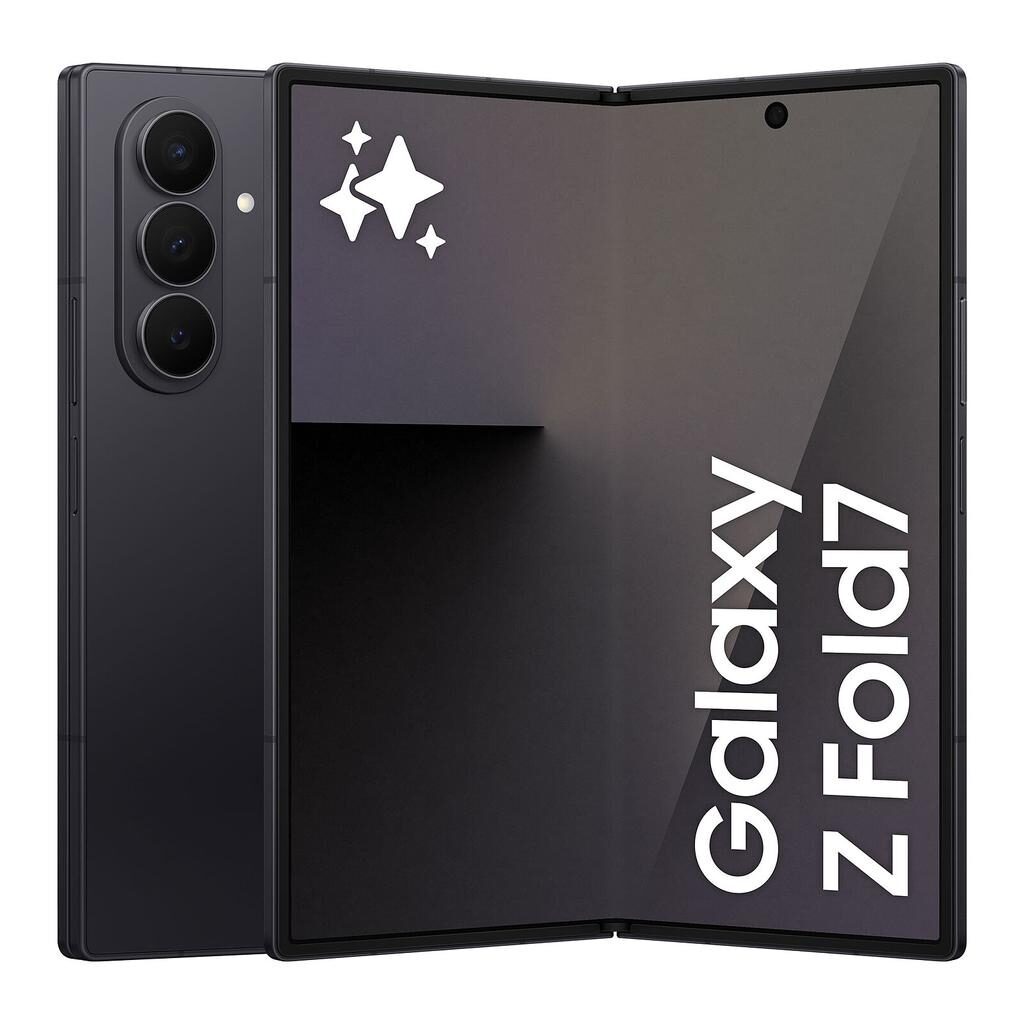
Galaxy Z Fold7
Starting at
£1,000.00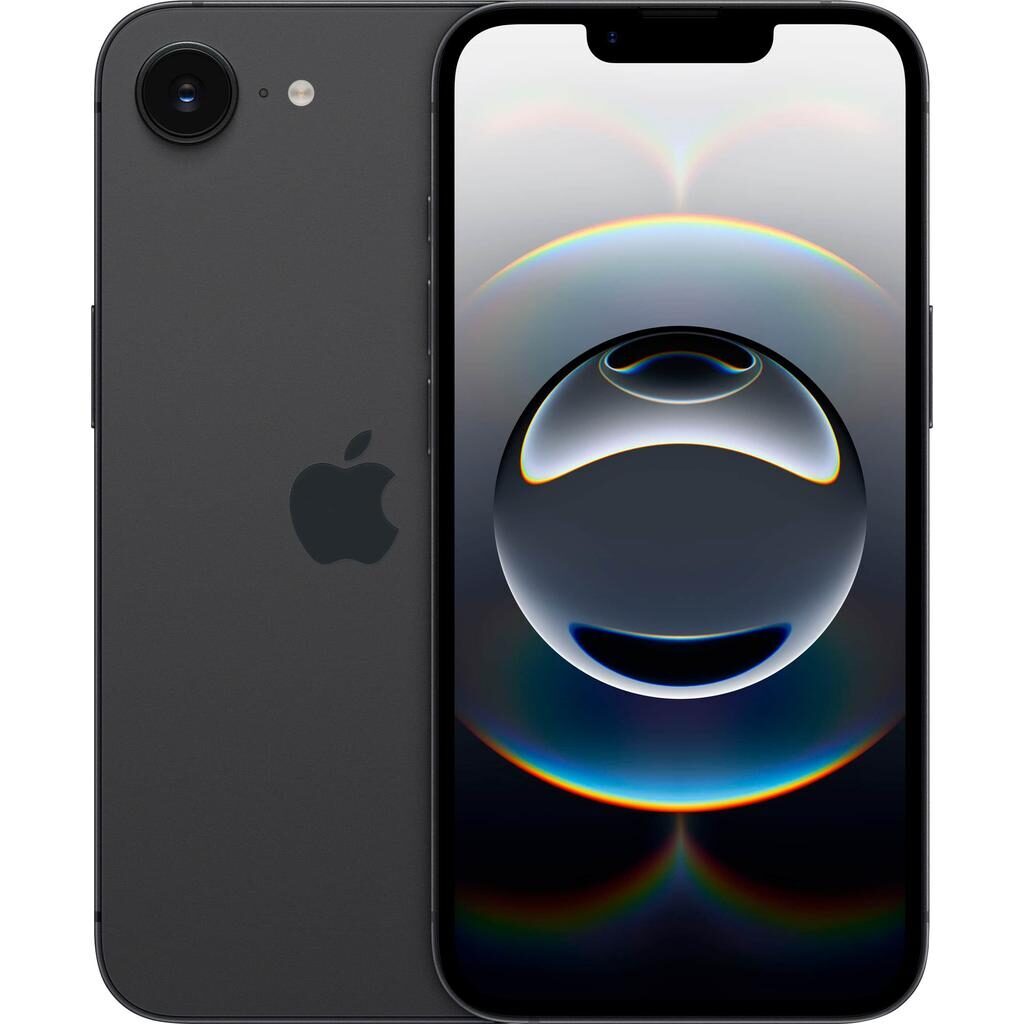
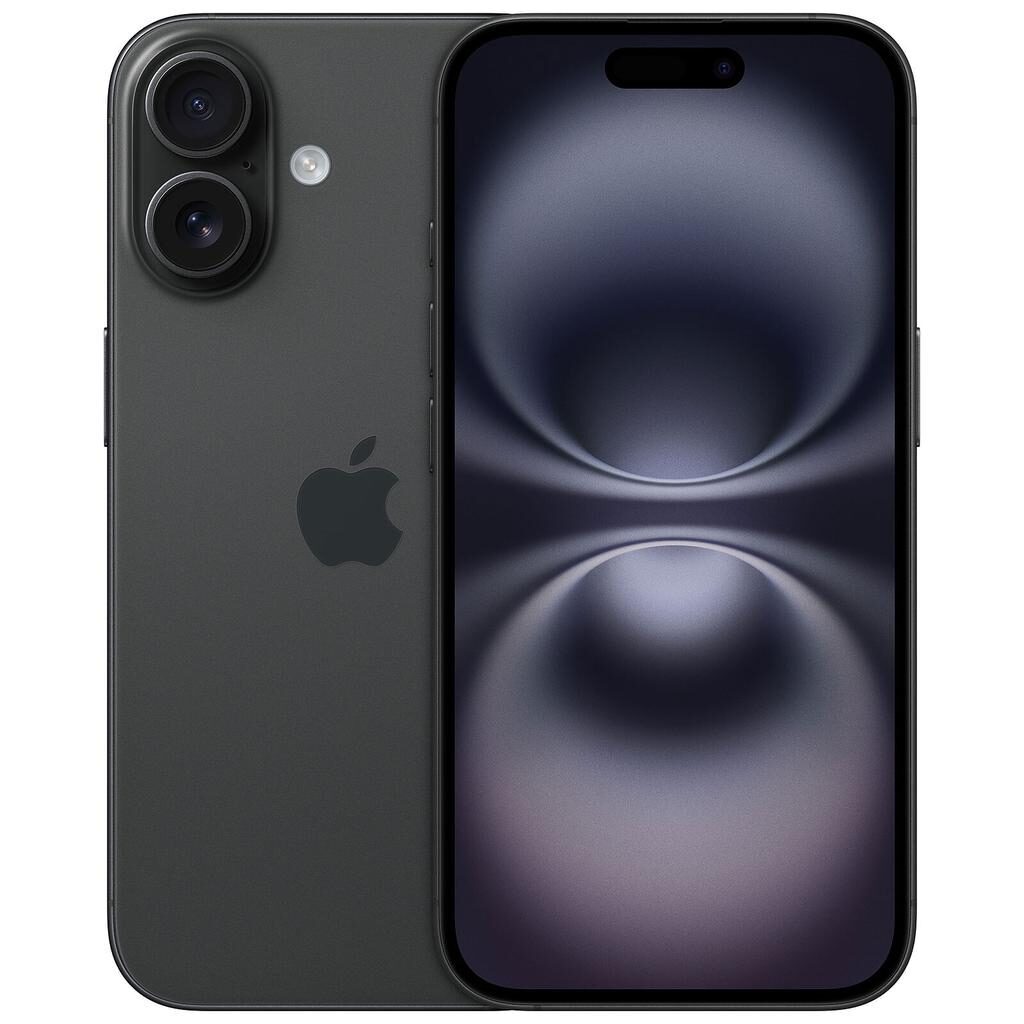
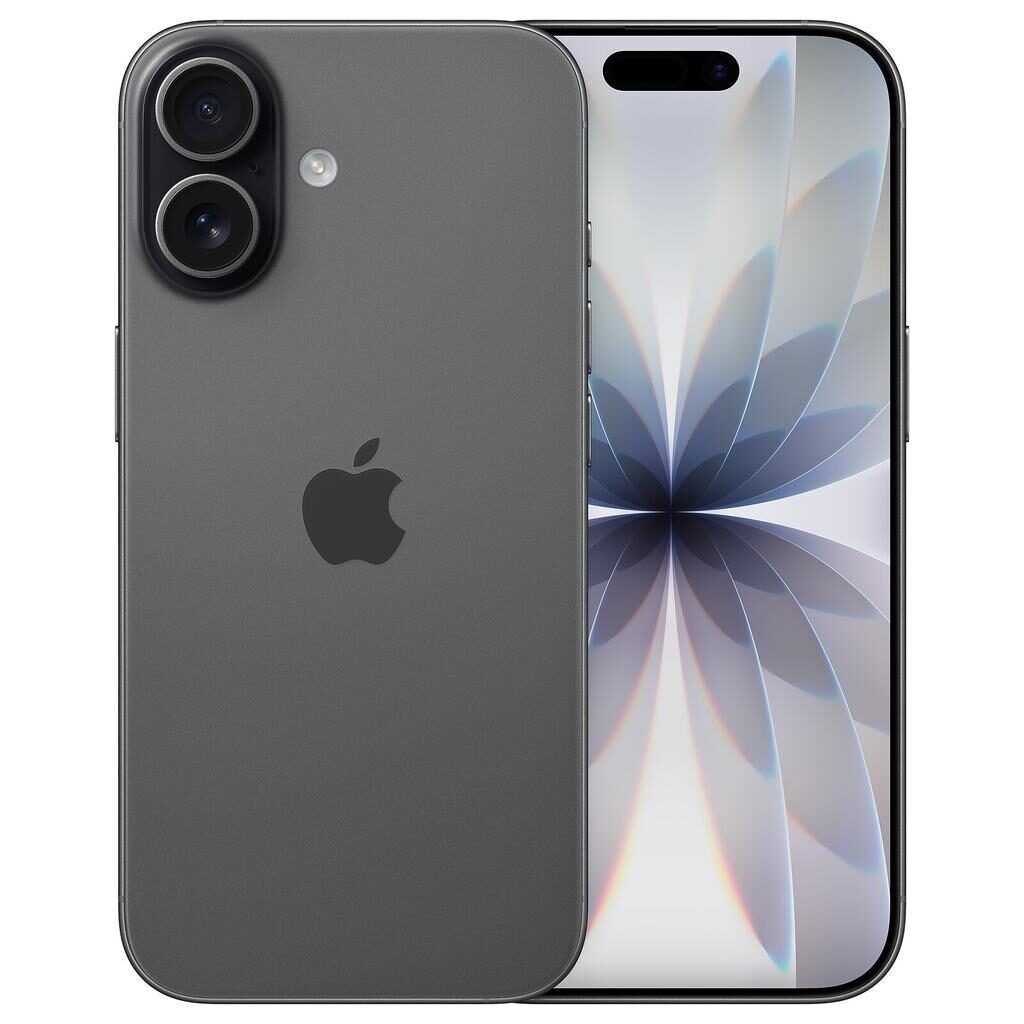
iPhone 16e
Starting at
£478.75£599.00 newWhat's the difference between the Galaxy Z Fold7 and iPhone 16e?
Galaxy Z Fold7 vs iPhone 16e comes down to the chipset, RAM and battery. Refurbished, the iPhone 16e starts at £478.75, £521.25 less than the Galaxy Z Fold7.
Refurbished from
Chipset
RAM
Battery
Screen size
Screen type
- Chipset: Qualcomm SM8750-AC Snapdragon 8 Elite (3 nm) on the Galaxy Z Fold7, Apple A18 (3 nm) on the iPhone 16e.
- The Galaxy Z Fold7 has more RAM: 12 GB vs 8 GB.
- The Galaxy Z Fold7 has a bigger battery: 4400 mAh vs 4005 mAh.
Galaxy Z Fold7 vs iPhone 16e specs
The Galaxy Z Fold7 and iPhone 16e both come from 2025 but serve different needs. The Galaxy Z Fold7 offers a large 8.0 inch foldable screen, ideal if you want more space for multitasking or media. It runs Android, has 12 GB of RAM, and a larger 4400 mAh battery, suited to power users and those who appreciate a flexible device. The iPhone 16e has a smaller 6.1 inch screen with higher resolution, runs iOS, and includes 8 GB of RAM, making it a solid choice for everyday use with a compact design. Storage options differ too, with the Fold7 offering up to 1TB compared to 512GB on the iPhone. Each device suits a different type of user depending on screen size preference, operating system, and performance needs.
Galaxy Z Fold7 vs iPhone 16e price
Colour
- BlackSold out
- BlueSold out
- SilverSold out
Storage
- 256GBSold out
- 512GBSold out
- 1TBSold out
Galaxy Z Fold7 vs iPhone 16e battery life and software updates
Battery capacity, foldability, operating system, and basic design measurements shape the durability and daily handling of these two devices. Both have unlocked 5G support but differ in battery size and form factor.
Battery Capacity
The Galaxy Z Fold7 has a 4400 mAh battery which offers more capacity for longer use between charges. This suits users who spend extended time on their phone or use power-intensive apps. The iPhone 16e has a 4005 mAh battery, which supports typical daily use well but with slightly less total capacity.
Foldable Design
The Galaxy Z Fold7 features a foldable screen that expands to 8.0 inches, making it more flexible for multitasking or watching videos on a larger display. The iPhone 16e does not fold and maintains a traditional smartphone form, which suits those who prefer a more compact and straightforward device.
Operating System
The Galaxy Z Fold7 runs Android, offering a wide range of customisation and app availability from the Google ecosystem. The iPhone 16e runs iOS, known for its smooth integration with Apple services and a user-friendly interface, appealing to users invested in the Apple environment.
Battery
Fast charging
Foldable
Ip rating
Software updates
Wireless charging
Year of release
Galaxy Z Fold7 vs iPhone 16e performance
Performance depends on chipset, RAM, and storage options. Both devices use leading 3 nanometre chipsets but differ in memory and storage capacities, which affects multitasking and data handling.
Chipset
The Galaxy Z Fold7 uses the Qualcomm SM8750-AC Snapdragon 8 Elite chipset, while the iPhone 16e runs on the Apple A18 chipset. Both are built on a 3 nm process, providing efficient and capable performance suitable for demanding apps and games.
RAM Capacity
With 12 GB of RAM, the Galaxy Z Fold7 is well equipped to keep numerous apps open and handle multitasking smoothly. The iPhone 16e has 8 GB of RAM, which keeps everyday apps running smoothly and supports typical multitasking needs.
Storage Options
The Galaxy Z Fold7 is available with 256GB, 512GB, and 1TB of storage, offering ample space for large files and apps, which benefits users with extensive media libraries or heavy app use. The iPhone 16e comes in 128GB, 256GB, and 512GB variants, suitable for users with moderate storage needs.
Chipset
RAM
Galaxy Z Fold7 vs iPhone 16e screen
Screen quality influences how you view content and interact with your device. The Galaxy Z Fold7 and iPhone 16e differ significantly in screen size, resolution, and type, each suiting different viewing preferences.
Screen Size
The Galaxy Z Fold7 offers a large 8.0 inch foldable screen that provides a spacious viewing area, ideal for watching videos, reading, or multitasking with multiple apps visible at once. The iPhone 16e has a 6.1 inch screen, which is more compact and easier to handle with one hand.
Resolution and Aspect
The iPhone 16e features a resolution of 2532x1170, giving it a higher pixel density on its smaller screen, which benefits sharpness and detail. The Galaxy Z Fold7 has a resolution of 1968x2184 on its larger foldable display, providing more overall screen space suited for immersive media and productivity.
Screen Type
The Galaxy Z Fold7 uses a Foldable Dynamic LTPO AMOLED 2X screen, designed to support its foldable functionality with smooth, vivid colours and adaptive refresh rates. The iPhone 16e has a Super Retina XDR OLED screen, known for excellent colour accuracy and brightness, suited to those who prioritise a high-quality viewing experience in a traditional form.
Refresh rate
Resolution
Screen size
Screen type
Galaxy Z Fold7 vs iPhone 16e camera
Camera type
Front camera
Main camera
Galaxy Z Fold7 vs iPhone 16e size and design
Other practical differences cover design dimensions, SIM options, connectivity, and weight. These affect portability, network flexibility, and how the devices fit into daily life.
Physical Size and Weight
The Galaxy Z Fold7 is larger and heavier at 158.4 mm tall, 72.8 mm wide, 8.9 mm deep, and 215 g. This suits users comfortable with a substantial device that offers a bigger screen. The iPhone 16e is more compact and lighter at 146.7 mm tall, 71.5 mm wide, 7.8 mm deep, and 167 g, which is easier to carry and use one-handed.
SIM Card Support
The Galaxy Z Fold7 supports Dual Physical SIM and eSIM, providing options for multiple phone numbers or plans simultaneously. The iPhone 16e supports a Physical SIM plus eSIM, which suits users who prefer a simpler SIM setup.
Connector Type
The iPhone 16e also uses USB-C, which supports charging and data transfer.
Carrier compatibility
Connector
Depth
Height
Mobile network
Release date
SD card slot
SIM card
Weight
Width
Galaxy Z Fold7 or iPhone 16e: which should you buy?
Buy the Galaxy Z Fold7 if
- you want more RAM (12 GB vs 8 GB)
- you want a bigger battery (4400 mAh vs 4005 mAh)
- you want a bigger screen (8.0 inch vs 6.1 inch)
Buy the iPhone 16e if
- you want to spend less: it starts at £478.75, £521.25 less than the Galaxy Z Fold7
- you want a higher-resolution front camera (12 megapixels vs 10 megapixels)
- you want a lighter build (167 g vs 215 g)
What our customers say
Customers who bought the Galaxy Z Fold7 report that the phone looks and feels like new with excellent condition and very good battery life. Users appreciate the large foldable screen and have found the phone to be faster and easier to use than previous models. The battery life is noted as surprisingly good and the device's condition is often described as perfect or brand new. Some mention a quick setup and software updates, with one user highlighting that they got used to the fold quickly and now enjoy the device.
Those who purchased the iPhone 16e say the device looks and works like new with many commenting on the excellent condition and minimal charging cycles. Battery life receives positive mentions as lasting well. Customers upgrading from iPhones have noticed clear improvements in speed, camera quality, and screen clarity. Data transfer from previous iPhones generally went smoothly though some users found transferring from Android required manual steps. The physical SIM and eSIM setup is appreciated by some while others noted minor challenges with certain network models.
Overall, the Galaxy Z Fold7 suits users who want a larger, foldable screen with more RAM and storage options, ideal for multitasking and media. The iPhone 16e appeals to those who prefer a compact, high-resolution screen with iOS and solid everyday performance.
Galaxy Z Fold7 vs iPhone 16e FAQs
Galaxy Z Fold7 vs iPhone 16e comes down to the chipset, RAM and battery. Chipset: Qualcomm SM8750-AC Snapdragon 8 Elite (3 nm) on the Galaxy Z Fold7, Apple A18 (3 nm) on the iPhone 16e. The Galaxy Z Fold7 has more RAM: 12 GB vs 8 GB.
The iPhone 16e is cheaper refurbished, from £478.75 compared with £1000 for the Galaxy Z Fold7.
The Galaxy Z Fold7 has a bigger battery: 4400 mAh vs 4005 mAh.
The Galaxy Z Fold7 has a higher-resolution main camera: 200 megapixels vs 48 megapixels.
The Galaxy Z Fold7 gets updates until Jul 2032. The iPhone 16e is still supported and can run iOS 27.
Refurbished, the Galaxy Z Fold7 comes in 256GB, 512GB and 1TB, and the iPhone 16e in 128GB, 256GB and 512GB.