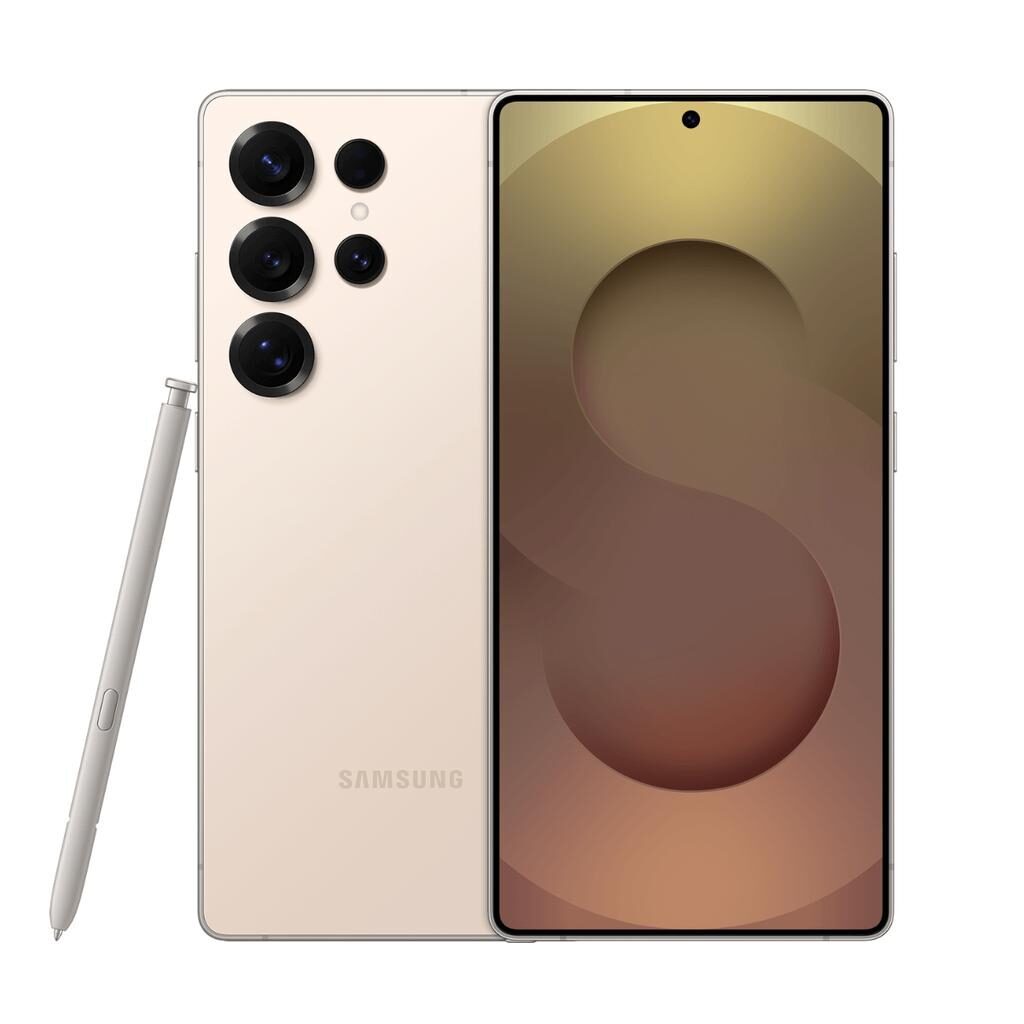
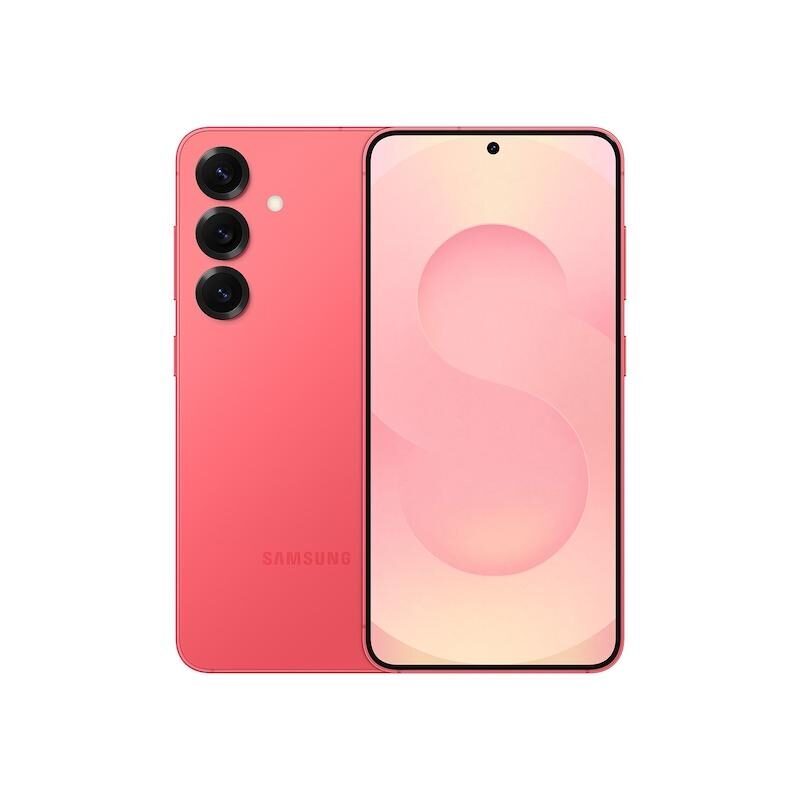
Galaxy Z Fold7 vs Google Pixel 9 Pro
Shop Samsung Galaxy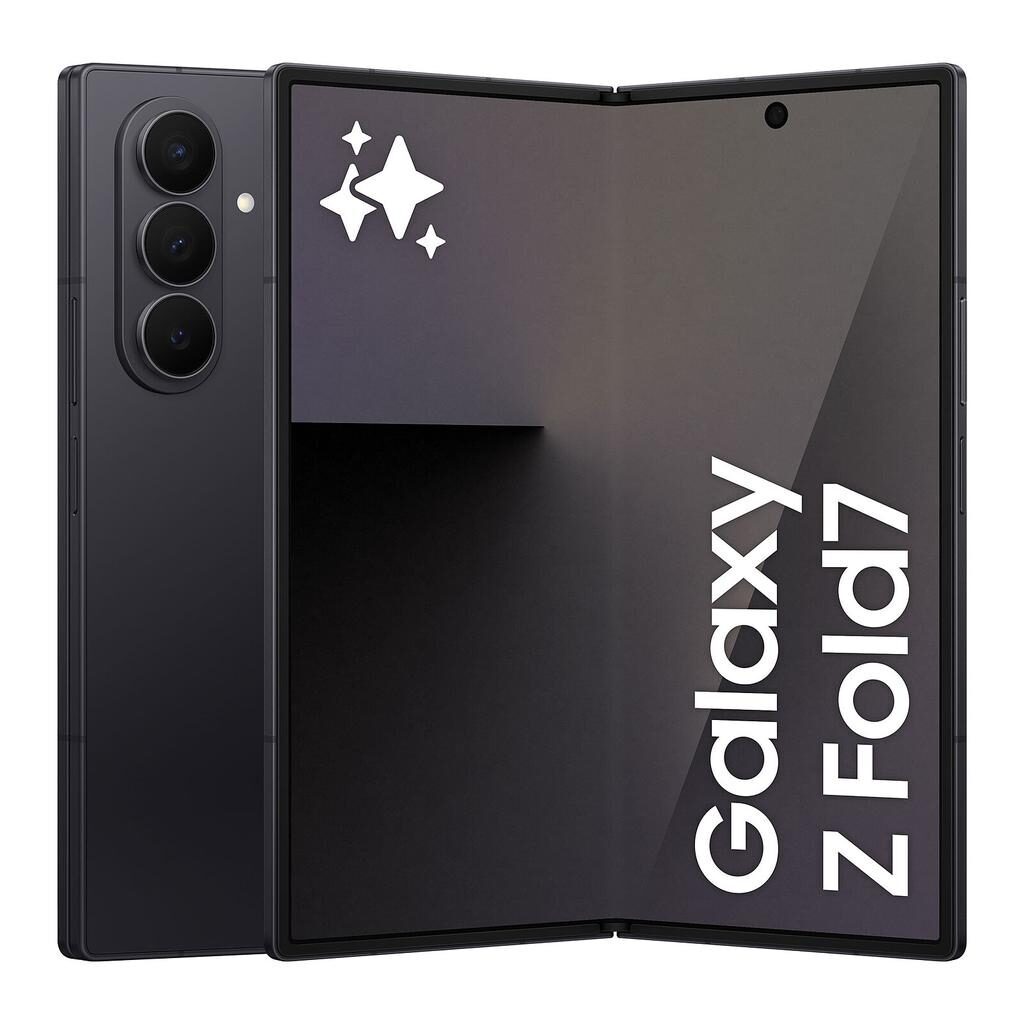
Galaxy Z Fold7
Starting at
£1,000.00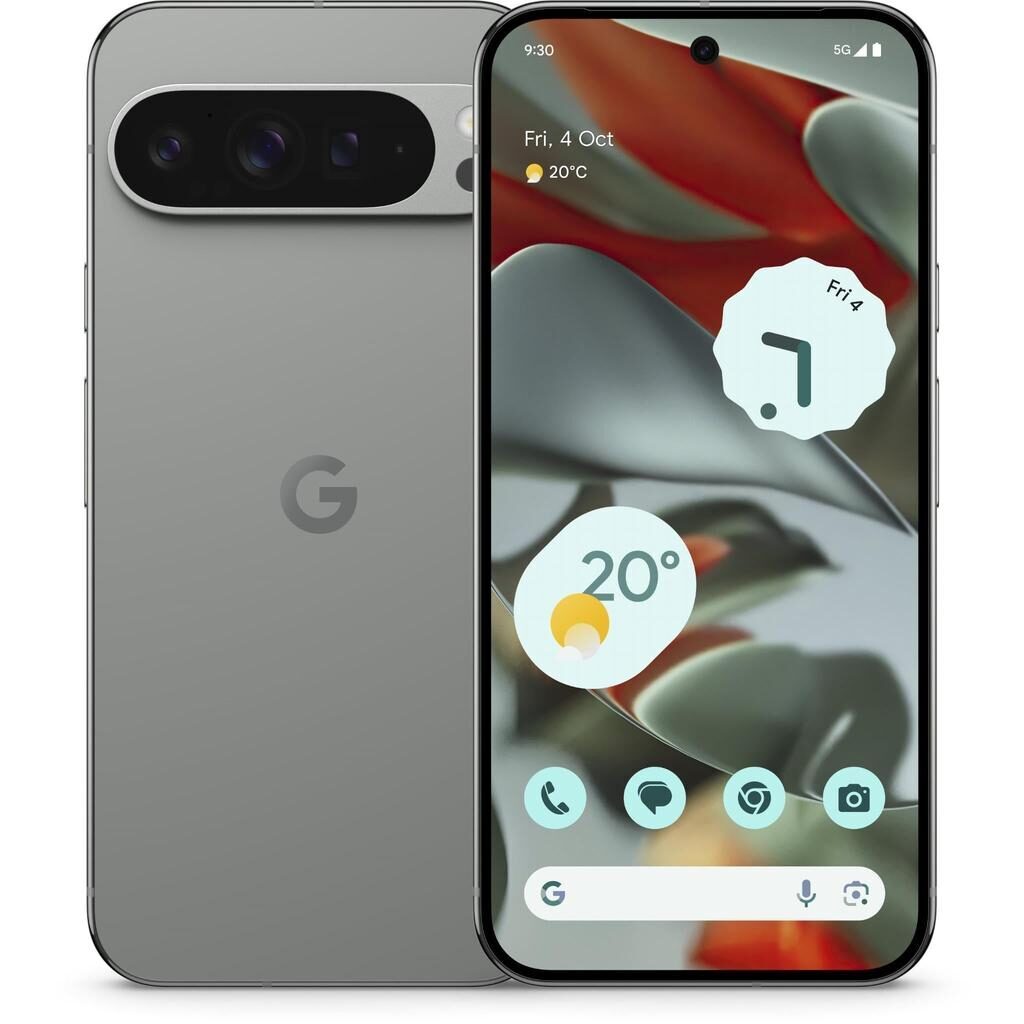
Google Pixel 9 Pro
Starting at
£443.00What's the difference between the Galaxy Z Fold7 and Google Pixel 9 Pro?
Galaxy Z Fold7 vs Google Pixel 9 Pro comes down to the chipset, RAM and battery. Refurbished, the Google Pixel 9 Pro starts at £443, £557 less than the Galaxy Z Fold7. The Galaxy Z Fold7 is the newer model, released in 2025.
Refurbished from
Chipset
RAM
Battery
Screen size
Screen type
- Chipset: Qualcomm SM8750-AC Snapdragon 8 Elite (3 nm) on the Galaxy Z Fold7, Google Tensor G4 on the Google Pixel 9 Pro.
- The Google Pixel 9 Pro has more RAM: 16 GB vs 12 GB.
- The Google Pixel 9 Pro has a bigger battery: 4700 mAh vs 4400 mAh.
Galaxy Z Fold7 vs Google Pixel 9 Pro specs
The Galaxy Z Fold7 and Google Pixel 9 Pro offer different experiences suited to different needs. The Galaxy Z Fold7 is a foldable device with a large 8.0 inch screen and a very high resolution, making it ideal for those who want a spacious display for multitasking or media. The Pixel 9 Pro has a slightly smaller 6.3 inch screen with a higher vertical resolution and more RAM, which suits users who prioritise smooth multitasking and a sharper front camera. The Fold7 features a larger main camera sensor, while the Pixel 9 Pro has a higher capacity battery. Both run Android and support 5G, but the Fold7 supports dual physical SIM cards. Each device fits distinct preferences in size, performance, and photography capabilities.
Galaxy Z Fold7 vs Google Pixel 9 Pro price
Colour
- BlackSold out
- BlueSold out
- SilverSold out
- BlackSold out
- BeigeSold out
- GreySold out
- PinkSold out
Storage
- 256GBSold out
- 512GBSold out
- 1TBSold out
- 128GBSold out
- 256GBSold out
Galaxy Z Fold7 vs Google Pixel 9 Pro battery life and software updates
Durability covers battery size, software updates, and physical design such as foldability. These factors affect how long the device stays powered, how it handles everyday wear, and its operating system support.
Battery Capacity
The Google Pixel 9 Pro has a 4700 mAh battery, which offers a slightly higher capacity than the Galaxy Z Fold7's 4400 mAh. This means the Pixel 9 Pro may provide longer use between charges, suiting those who prioritise extended battery life.
Foldable Design
The Galaxy Z Fold7 is foldable, allowing it to transform from a compact phone into a larger tablet-sized screen. This appeals to users who want flexibility in screen size for work or media. The Pixel 9 Pro is a traditional non-folding phone, ideal for those who prefer a standard form factor.
SIM Card Options
The Galaxy Z Fold7 supports dual physical SIM cards plus eSIM, which is useful if you need separate lines for work and personal use. The Pixel 9 Pro supports a single physical SIM and eSIM, fitting users with simpler SIM needs.
Software and Network
They also support 5G connectivity, keeping you connected on fast networks.
Battery
Fast charging
Foldable
Ip rating
Software updates
Wireless charging
Year of release
Galaxy Z Fold7 vs Google Pixel 9 Pro performance
Performance depends on the chipset, RAM, and storage options, all essential for how smoothly a device runs apps, switches between tasks, and stores your data.
Processor Technology
The Galaxy Z Fold7 uses the Qualcomm SM8750-AC Snapdragon 8 Elite chipset built on a 3 nm process, while the Pixel 9 Pro has the Google Tensor G4. Each chipset offers strong performance, with the Fold7's chipset focusing on efficiency and power.
Memory Capacity
The Pixel 9 Pro comes with 16 GB of RAM, allowing it to keep more apps active in the background and support intensive multitasking. The Galaxy Z Fold7 has 12 GB of RAM, which still provides smooth performance for everyday use and multitasking.
Storage Options
The Galaxy Z Fold7 is available with 256GB, 512GB, and 1TB storage options, catering to users who need ample space for apps, media, and files. The Pixel 9 Pro offers 128GB and 256GB, suitable for everyday storage needs.
Chipset
RAM
Galaxy Z Fold7 vs Google Pixel 9 Pro screen
Screen quality affects how you see content, interact with apps, and enjoy media. Differences in size, resolution, and display technology influence viewing comfort and sharpness.
Screen Size and Type
The Galaxy Z Fold7 features a foldable Dynamic LTPO AMOLED 2X screen measuring 8.0 inches, giving you a large and flexible display ideal for multitasking and immersive viewing. The Pixel 9 Pro has a 6.3 inch LTPO OLED screen, which is more compact and fits comfortably in one hand.
Resolution and Refresh Rate
The Fold7's screen resolution is 1968 by 2184 pixels, providing a wide and detailed display surface, while the Pixel 9 Pro's screen resolution is 1280 by 2856 pixels, offering a taller and sharper image. Both devices support a 120 Hz refresh rate, ensuring smooth scrolling and animation.
Refresh rate
Resolution
Screen size
Screen type
Galaxy Z Fold7 vs Google Pixel 9 Pro camera
Audiovisual features focus on cameras and front-facing sensors, which impact photography and video calls.
Main Camera Detail
The Galaxy Z Fold7 has a 200 megapixel main camera, suitable for capturing highly detailed photos. The Pixel 9 Pro's main camera is 50 megapixels, which still delivers strong image quality but with fewer pixels for detail.
Front Camera Resolution
The Pixel 9 Pro offers a 42 megapixel front camera, providing very high resolution for selfies and video calls. The Galaxy Z Fold7's front camera has 10 megapixels, which is well suited for everyday video calls and selfies.
Camera Configuration
Both devices have triple rear cameras, with the Pixel 9 Pro specifying a triple (3x) setup that indicates a telephoto zoom feature. This setup suits those who want versatility in shooting options.
Camera type
Front camera
Main camera
Galaxy Z Fold7 vs Google Pixel 9 Pro size and design
Other practical differences include physical size, weight, connectors, and network features, which affect portability and usability.
Physical Dimensions
The Galaxy Z Fold7 measures 158.4 mm in height, 72.8 mm in width, and 8.9 mm in depth, weighing 215 g. The Pixel 9 Pro measures 152 mm in height, 72 mm in width, and 8 mm in depth, weighing 199 g. The Fold7 offers a more compact width but is heavier.
Connector Type
The Pixel 9 Pro uses a USB-C connector without additional detail.
SIM and Network
Both devices are unlocked and support 5G networks. The Fold7 supports dual physical SIM cards plus eSIM, while the Pixel 9 Pro supports a single physical SIM and eSIM.
Carrier compatibility
Connector
Depth
Height
Mobile network
Release date
SD card slot
SIM card
Weight
Width
Galaxy Z Fold7 or Google Pixel 9 Pro: which should you buy?
Buy the Galaxy Z Fold7 if
- you want a bigger screen (8.0 inch vs 6.3 inch)
- you want a higher-resolution main camera (200 megapixels vs 50 megapixels)
- you want longer software support (until Jul 2032 vs until Sep 2031)
Buy the Google Pixel 9 Pro if
- you want to spend less: it starts at £443, £557 less than the Galaxy Z Fold7
- you want more RAM (16 GB vs 12 GB)
- you want a bigger battery (4700 mAh vs 4400 mAh)
What our customers say
Customers using the Galaxy Z Fold7 report that it looks and feels like new, with excellent condition and minimal marks. Many highlight the smooth and fast performance, noting it runs well for multitasking and daily use. The foldable screen is appreciated by users familiar with the format, who find it easy to get used to and enjoy the larger screen space. Battery life is described as surprisingly good, supporting extended use. Some users mention the device's weight but do not see it as a problem for daily handling.
Pixel 9 Pro users praise the device for its excellent condition and near-new appearance, often mentioning full battery health and strong performance. The front camera's high resolution is valued for selfies and video calls. The screen is described as sharp and bright, with some minor scratches reported by a few users but generally well received. Battery life is noted as very good, contributing to a positive overall experience. Users appreciate the smoothness of software and the device's reliability.
The Galaxy Z Fold7 suits those who want a large, foldable screen and high-resolution main camera for detailed photography, along with dual SIM capability. The Pixel 9 Pro fits users who prefer a more standard phone size with extra RAM and a high-resolution front camera for selfies and video calls.
Galaxy Z Fold7 vs Google Pixel 9 Pro FAQs
Galaxy Z Fold7 vs Google Pixel 9 Pro comes down to the chipset, RAM and battery. Chipset: Qualcomm SM8750-AC Snapdragon 8 Elite (3 nm) on the Galaxy Z Fold7, Google Tensor G4 on the Google Pixel 9 Pro. The Google Pixel 9 Pro has more RAM: 16 GB vs 12 GB.
The Google Pixel 9 Pro is cheaper refurbished, from £443 compared with £1000 for the Galaxy Z Fold7.
The Google Pixel 9 Pro has a bigger battery: 4700 mAh vs 4400 mAh.
The Galaxy Z Fold7 has a higher-resolution main camera: 200 megapixels vs 50 megapixels.
The Galaxy Z Fold7 gets updates until Jul 2032. The Google Pixel 9 Pro gets updates until Sep 2031.
Refurbished, the Galaxy Z Fold7 comes in 256GB, 512GB and 1TB, and the Google Pixel 9 Pro in 128GB and 256GB.