Galaxy Z Fold4 vs iPhone 13
Shop Samsung Galaxy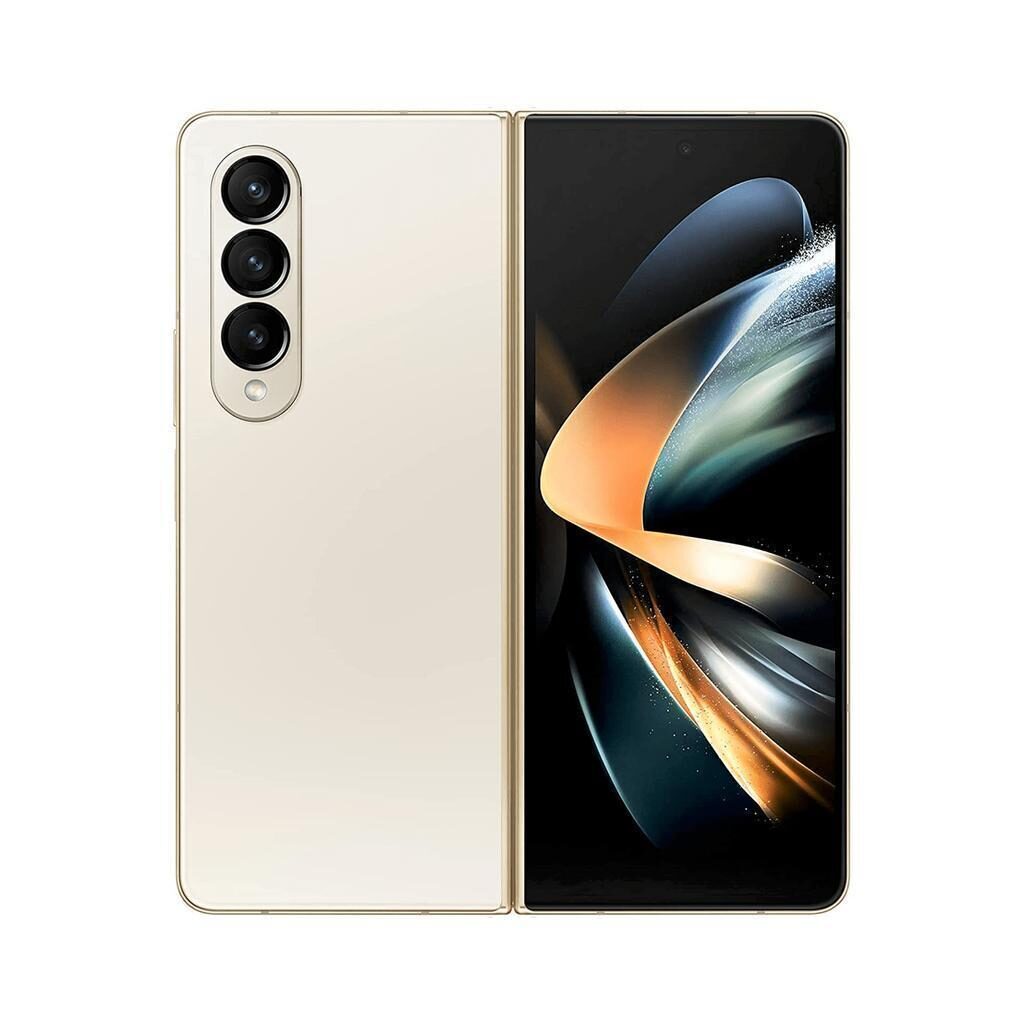
Galaxy Z Fold4
Starting at
£419.00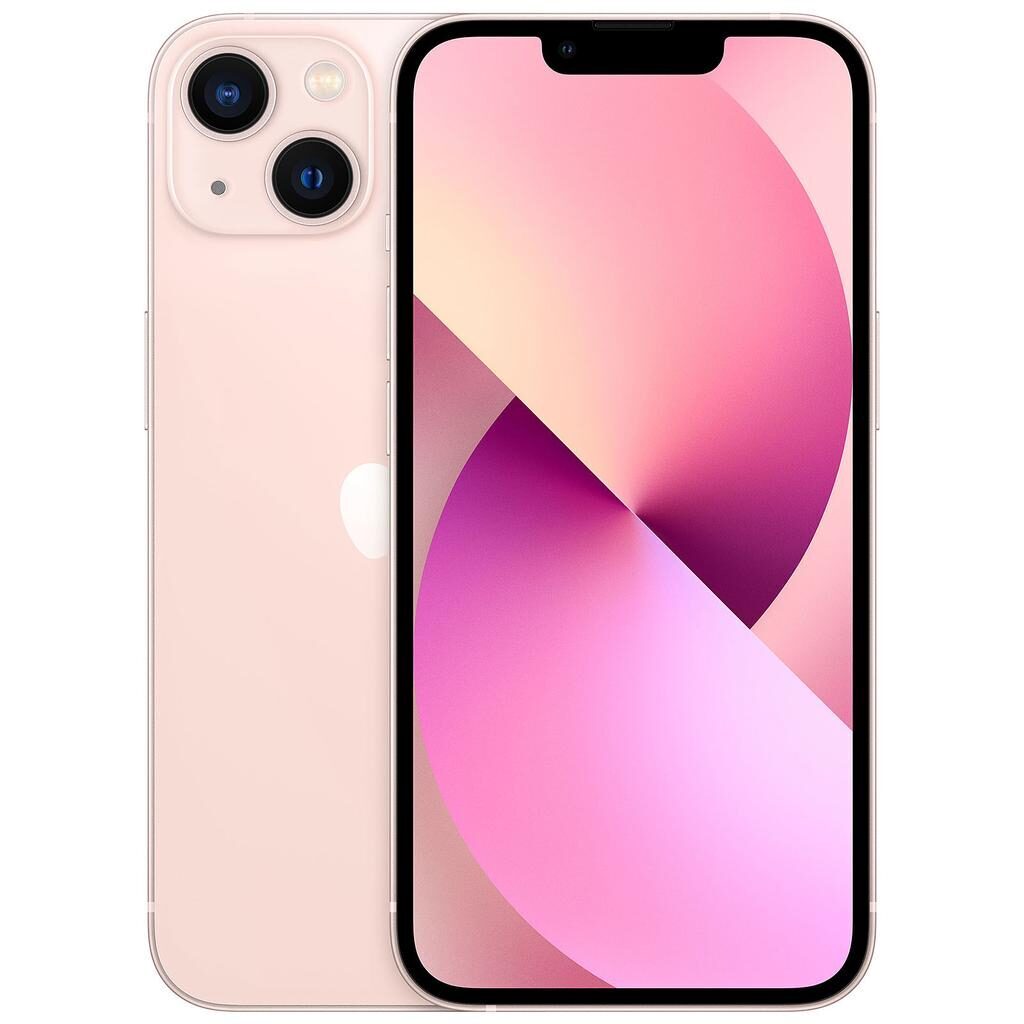
iPhone 13
Starting at
£249.06£599.00 newWhat's the difference between the Galaxy Z Fold4 and iPhone 13?
Galaxy Z Fold4 vs iPhone 13 comes down to the chipset, RAM and battery. Refurbished, the iPhone 13 starts at £249.06, £169.94 less than the Galaxy Z Fold4. The Galaxy Z Fold4 is the newer model, released in 2022.
Refurbished from
Chipset
RAM
Battery
Screen size
Screen type
- Chipset: Snapdragon 8+ Gen 1 SM8475 (4 nm) on the Galaxy Z Fold4, Apple A15 Bionic (5 nm) on the iPhone 13.
- The Galaxy Z Fold4 has more RAM: 12 GB vs 4 GB.
- The Galaxy Z Fold4 has a bigger battery: 4400 mAh vs 3240 mAh.
Galaxy Z Fold4 vs iPhone 13 specs
The Galaxy Z Fold4 and iPhone 13 differ notably in design and performance features, suiting different types of users. The Galaxy Z Fold4 offers a large, foldable 7.6-inch screen with a high 120 Hz refresh rate, making it ideal if you want a spacious display for multitasking or media. It also has more RAM and a larger battery, which benefits heavy app use and longer daily use. The iPhone 13 has a smaller 6.1-inch screen with a 60 Hz refresh rate and a higher resolution front camera, fitting those who prefer a compact phone with a sharp front camera for selfies. Storage options and network features are strong on both, so your choice depends on whether you value a larger, foldable screen and extra memory or a lighter, simpler design with iOS and a detailed front camera.
Galaxy Z Fold4 vs iPhone 13 price
Colour
- BlackSold out
- Dark redSold out
- BeigeSold out
- GreySold out
- GraySold out
Storage
- 256GBSold out
- 512GBSold out
- 1TBSold out
Galaxy Z Fold4 vs iPhone 13 battery life and software updates
Battery capacity, operating system, and release year play a role in daily durability and user experience. The Galaxy Z Fold4 and iPhone 13 differ in these areas, affecting how long the phone lasts between charges and the software environment you use.
Battery Capacity
The Galaxy Z Fold4 has a 4400 mAh battery, which provides more capacity for longer use between charges. This suits users who spend extended time on their phone or use multiple apps. The iPhone 13 has a 3240 mAh battery, fitting those with typical daily use needs who prefer a simpler, lighter device.
Operating System
The Galaxy Z Fold4 runs Android, offering a flexible and customizable experience. The iPhone 13 uses iOS 15, known for its smooth integration and ease of use. Your choice here depends on which software ecosystem you prefer.
Battery
Fast charging
Foldable
Ip rating
OS at launch
Software updates
Wireless charging
Year of release
Galaxy Z Fold4 vs iPhone 13 performance
Performance impacts how smoothly your phone handles apps, games, and multitasking. The two devices have distinct chipsets, RAM sizes, and storage options that suit different users.
Processor Technology
The Galaxy Z Fold4 features the Snapdragon 8+ Gen 1 SM8475 chipset built on a 4 nm process. The iPhone 13 uses the Apple A15 Bionic chipset built on 5 nm technology. Each chipset offers strong performance suited to its platform, with the Snapdragon optimised for Android and the A15 for iOS.
Memory Size
The Galaxy Z Fold4 has 12 GB of RAM, which helps keep many apps open and running smoothly, suiting power users and multitaskers. The iPhone 13 has 4 GB of RAM, which supports everyday app use and efficient performance on iOS.
Storage Options
The Galaxy Z Fold4 offers up to 1TB of storage, with 256GB and 512GB options also available. The iPhone 13 comes with 128GB, 256GB, and 512GB choices. This means the Galaxy Z Fold4 suits users needing very large storage, while the iPhone 13 covers everyday to high storage needs.
Chipset
RAM
Galaxy Z Fold4 vs iPhone 13 screen
Screen size, resolution, refresh rate, and type affect how you experience media, reading, and interaction. The Galaxy Z Fold4 and iPhone 13 differ significantly in these areas.
Screen Size and Type
The Galaxy Z Fold4 has a 7.6 inch foldable Dynamic AMOLED 2X screen, providing a large and versatile display that suits watching videos and multitasking. The iPhone 13 has a 6.1 inch OLED screen, which is more compact and easier to use with one hand.
Refresh Rate
The Galaxy Z Fold4 supports a 120 Hz refresh rate, making scrolling and animations appear smoother. This benefits users who value fluid visuals, especially in games or fast-moving content. The iPhone 13 has a 60 Hz refresh rate, which fits everyday use and standard video playback.
Resolution
The Galaxy Z Fold4 screen resolution is 1812 x 2176 pixels, offering a wide and spacious display area. The iPhone 13 has a resolution of 1170 x 2532 pixels, with a taller but narrower screen. This suits users who prefer a sharper, traditional smartphone aspect ratio.
Refresh rate
Resolution
Screen size
Screen type
Galaxy Z Fold4 vs iPhone 13 camera
Camera quality influences photography and video calls. The front and main camera specs of the Galaxy Z Fold4 and iPhone 13 differ notably, affecting which device suits your photo needs.
Front Camera
The iPhone 13 features a 12 megapixel front camera, ideal if you take many detailed selfies or make video calls. The Galaxy Z Fold4 has a 4 megapixel front camera, which suits basic video chats and selfies where ultra-high detail is less important.
Main Camera
The Galaxy Z Fold4 has a 50 megapixel main camera, capturing more detail for photos and videos. This suits users who want high-resolution images and more control over photography. The iPhone 13 has a 12 megapixel main camera, fitting everyday photography needs with reliable image quality.
Front camera
Main camera
Galaxy Z Fold4 vs iPhone 13 size and design
Other features such as connectors, size, weight, and SIM options affect convenience and compatibility. These details can influence your comfort and daily use of either phone.
Connector Type
The Galaxy Z Fold4 uses a USB Type-C connector, standard for many devices and accessories. The iPhone 13 uses the Lightning connector, which is common for Apple devices. Your choice depends on your existing accessories and preferences.
Physical Dimensions and Weight
The Galaxy Z Fold4 measures 155.1 mm in height, 130.1 mm in width, and 6.3 mm in depth, weighing 263 g. This makes it a larger and heavier device, fitting users who want a sizeable screen and don't mind some extra bulk. The iPhone 13 is smaller and lighter at 146.7 mm height, 71.5 mm width, 7.7 mm depth, and 174 g weight, suiting those who prefer a compact, easy-to-handle phone.
SIM Card Options
The Galaxy Z Fold4 supports Dual Physical SIM plus eSIM, which benefits users who want to use two physical SIM cards simultaneously along with an eSIM. The iPhone 13 supports one Physical SIM plus eSIM, which fits standard dual-line use with one physical and one digital SIM.
Carrier compatibility
Connector
Depth
Height
Mobile network
Release date
SD card slot
SIM card
Weight
Width
Galaxy Z Fold4 or iPhone 13: which should you buy?
Buy the Galaxy Z Fold4 if
- you want more RAM (12 GB vs 4 GB)
- you want a bigger battery (4400 mAh vs 3240 mAh)
- you want a bigger screen (7.6 inch vs 6.1 inch)
Buy the iPhone 13 if
- you want to spend less: it starts at £249.06, £169.94 less than the Galaxy Z Fold4
- you want a higher-resolution front camera (12 megapixels vs 4 megapixels)
- you want a lighter build (173 g vs 263 g)
What our customers say
Customers of the Galaxy Z Fold4 highlight its condition, often noting it looks like new or has minor marks that do not affect use. Many mention excellent battery life lasting through a long day, and they appreciate the phone's speed and features. Some note a visible crease but find it acceptable. Overall, customers describe it as a fast, capable phone with a large, sharp screen and reliable performance.
Customers of the iPhone 13 praise its excellent condition and like that it feels and looks like new, especially when a new battery is fitted. They appreciate the phone's reliable battery life and smooth operation. Many find setup easy and enjoy the size and look of the phone.
These reviews suggest the Galaxy Z Fold4 suits users who want a large, fast device with strong battery life and multitasking ability. The iPhone 13 appeals to those seeking a compact, reliable phone with good battery and camera performance in a familiar iOS environment.
Galaxy Z Fold4 vs iPhone 13 FAQs
Galaxy Z Fold4 vs iPhone 13 comes down to the chipset, RAM and battery. Chipset: Snapdragon 8+ Gen 1 SM8475 (4 nm) on the Galaxy Z Fold4, Apple A15 Bionic (5 nm) on the iPhone 13. The Galaxy Z Fold4 has more RAM: 12 GB vs 4 GB.
The iPhone 13 is cheaper refurbished, from £249.06 compared with £419 for the Galaxy Z Fold4.
The Galaxy Z Fold4 has a bigger battery: 4400 mAh vs 3240 mAh.
The Galaxy Z Fold4 has a higher-resolution main camera: 50 megapixels vs 12 megapixels.
The Galaxy Z Fold4 gets updates until Aug 2027. The iPhone 13 is still supported and can run iOS 27.
Refurbished, the Galaxy Z Fold4 comes in 256GB, 512GB and 1TB, and the iPhone 13 in 128GB, 256GB and 512GB.