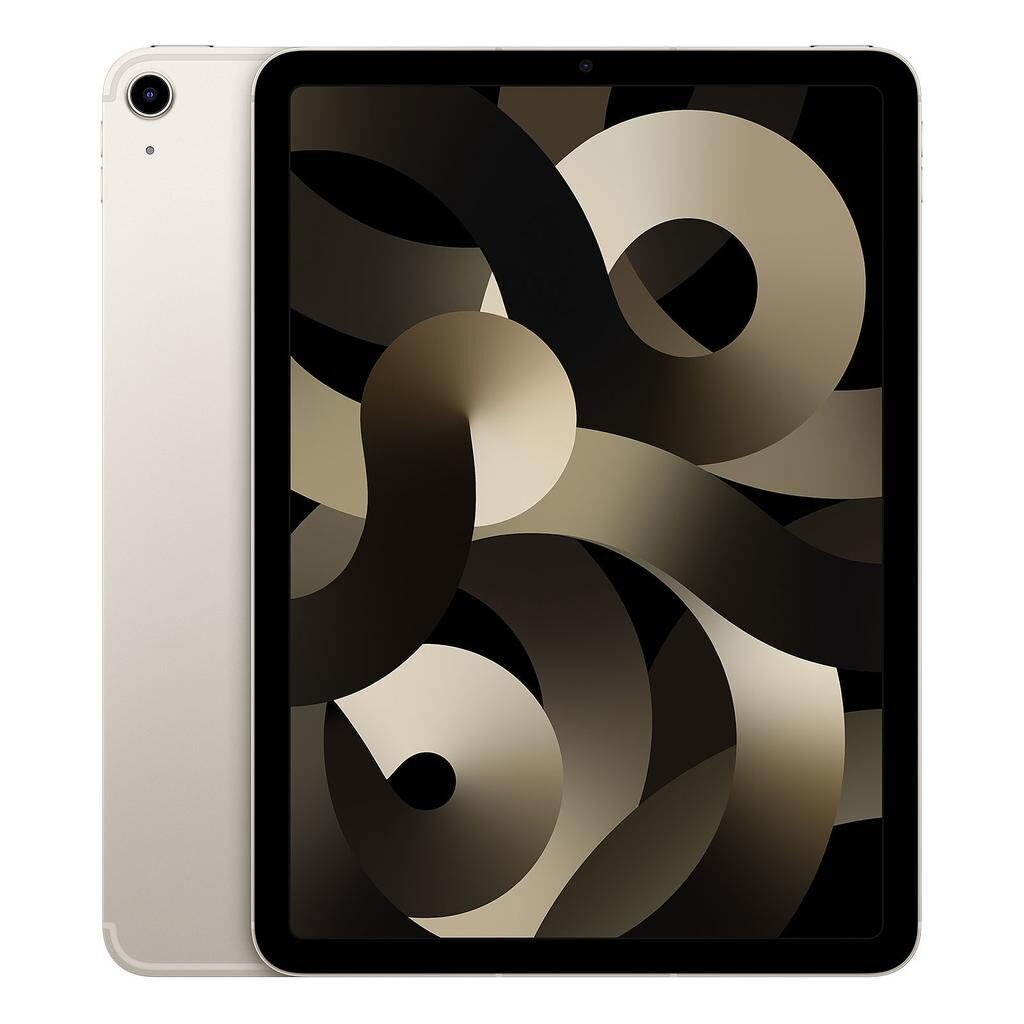
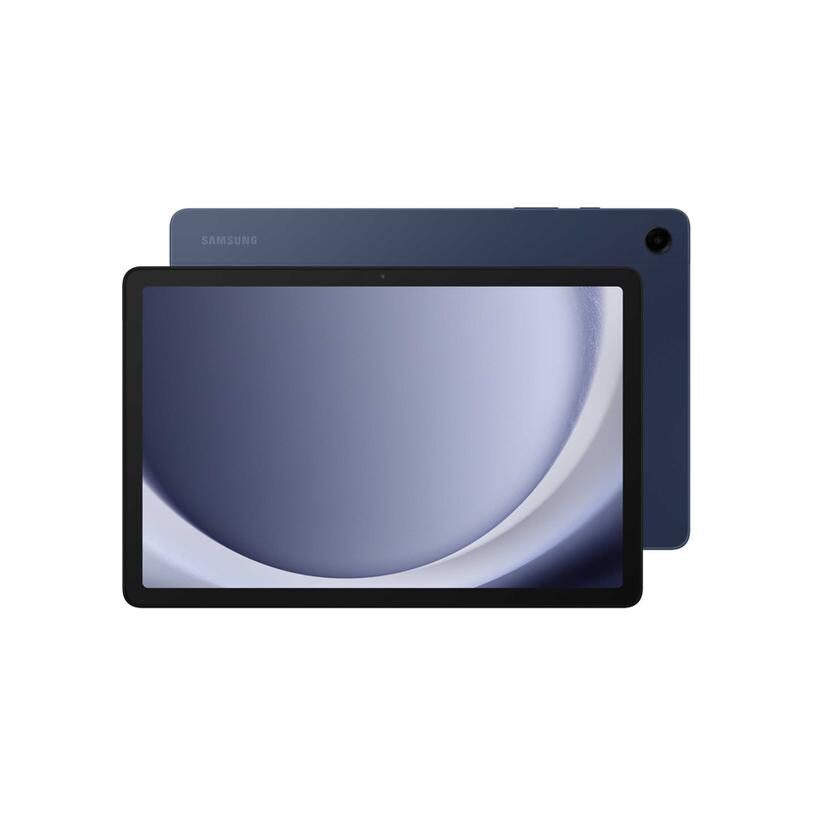
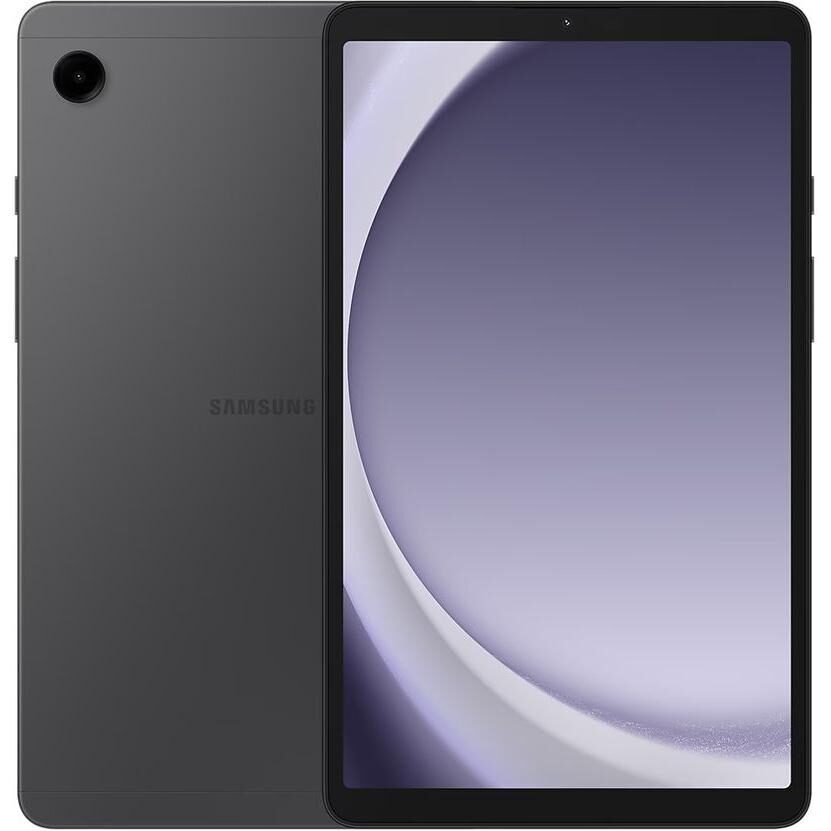
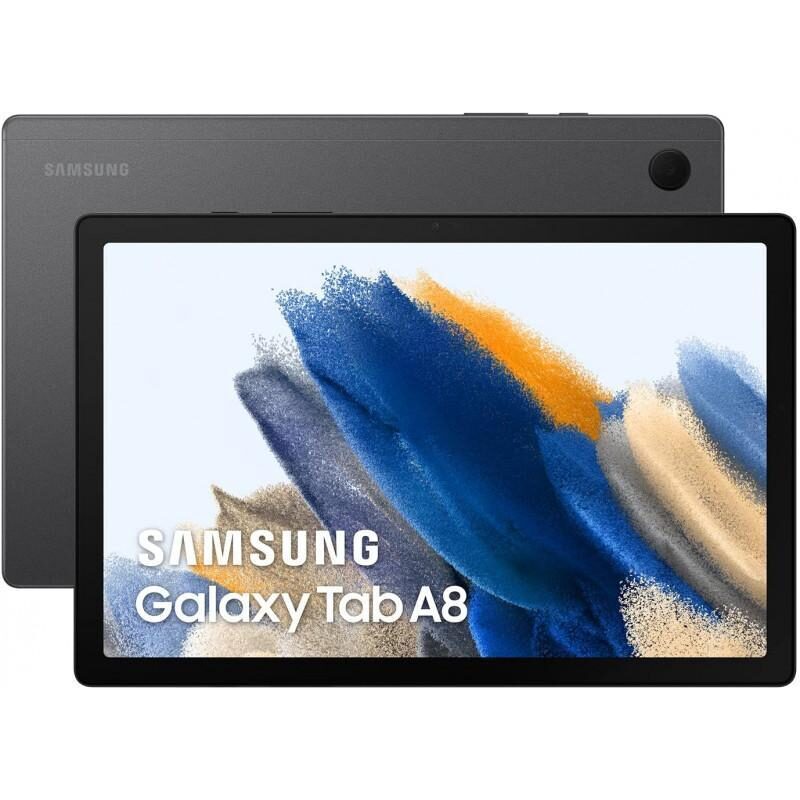
Galaxy Tab S8 Ultra (14.6", 2022) vs Galaxy Tab S9 (11.0", 2023)
Shop Samsung Galaxy Tab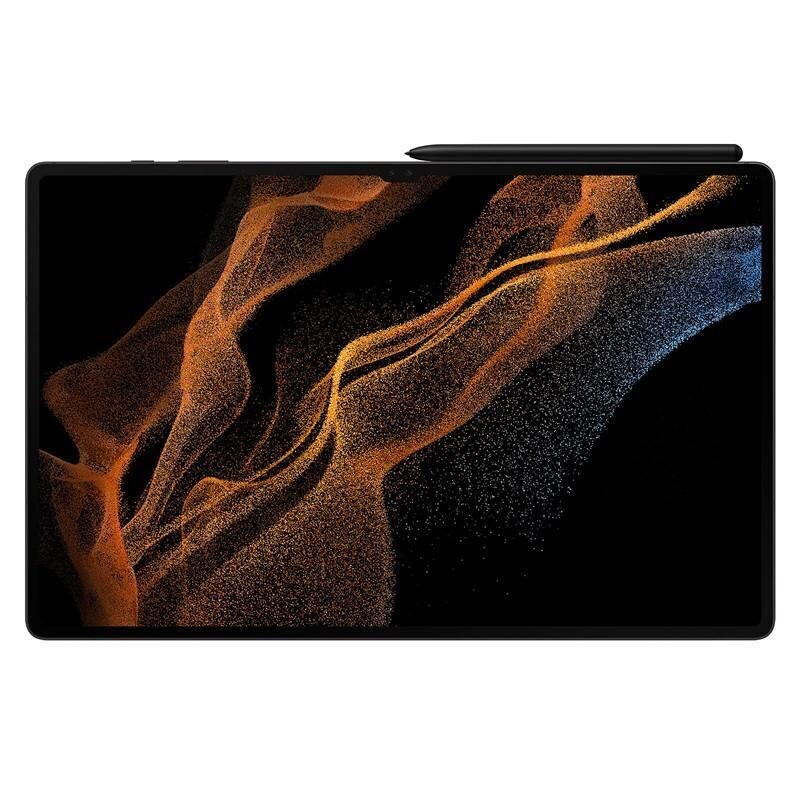
Galaxy Tab S8 Ultra (14.6", 2022)
Starting at
£537.57£1,520.38 new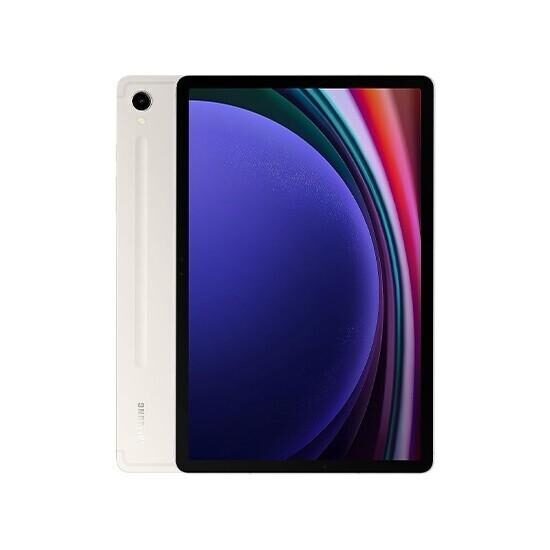
Galaxy Tab S9 (11.0", 2023)
Starting at
£408.76£1,060.32 newWhat's the difference between the Galaxy Tab S8 Ultra (14.6", 2022) and Galaxy Tab S9 (11.0", 2023)?
Galaxy Tab S8 Ultra (14.6", 2022) vs Galaxy Tab S9 (11.0", 2023) comes down to the chipset, RAM and battery. Refurbished, the Galaxy Tab S9 (11.0", 2023) starts at £408.76, £128.81 less than the Galaxy Tab S8 Ultra (14.6", 2022). The Galaxy Tab S9 (11.0", 2023) is the newer model, released in 2023.
Refurbished from
Chipset
RAM
Battery
Screen size
Screen type
- Chipset: Qualcomm SM8450 Snapdragon 8 Gen 1 (4 nm) on the Galaxy Tab S8 Ultra (14.6", 2022), Qualcomm SM8550-AC Snapdragon 8 Gen 2 (4 nm) on the Galaxy Tab S9 (11.0", 2023).
- The Galaxy Tab S8 Ultra (14.6", 2022) has more RAM: 16 GB vs 12 GB.
- The Galaxy Tab S8 Ultra (14.6", 2022) has a bigger battery: 11200 mAh vs 8400 mAh.
Galaxy Tab S8 Ultra (14.6", 2022) vs Galaxy Tab S9 (11.0", 2023) specs
The Galaxy Tab S8 Ultra offers a much larger 14.6 inch Super AMOLED screen and a bigger 11200 mAh battery, making it well suited for media consumption and longer use away from power. It also comes with up to 16 GB of RAM and up to 512 GB of storage, which helps with multitasking and keeping more files locally. The Galaxy Tab S9 has a smaller 11.0 inch Dynamic AMOLED 2X display with higher pixel density and runs on a Snapdragon 8 Gen 2 chipset with a faster processor speed. Its 12 GB RAM and up to 256 GB storage suit everyday use with a balance of power and portability. The S9 supports Android 13 and Bluetooth 5.3, while the S8 Ultra supports Android 12 and Bluetooth 5.2. Your choice depends on whether you prefer a large, immersive screen with more memory or a compact device with a sharper display.
Galaxy Tab S8 Ultra (14.6", 2022) vs Galaxy Tab S9 (11.0", 2023) price
Galaxy Tab S8 Ultra (14.6", 2022) vs Galaxy Tab S9 (11.0", 2023) battery life and software updates
Durability covers battery size, software support, and operating system versions.
Battery Capacity
The Galaxy Tab S8 Ultra has a larger 11200 mAh battery, which suits longer use between charges and heavier tasks such as video playback or multitasking. The Galaxy Tab S9 offers 8400 mAh, which is suitable for average daily use and lighter routines where portability is more important.
Operating System Support
The Galaxy Tab S8 Ultra supports up to Android 12, providing a stable and familiar user experience.
Battery
Maximum operating system supported
Year of release
Galaxy Tab S8 Ultra (14.6", 2022) vs Galaxy Tab S9 (11.0", 2023) performance
Performance differences come down to the chipset, processor speed, RAM, and storage options. These affect how smoothly the tablets handle apps, multitasking, and storage needs.
Processor and Speed
The Galaxy Tab S9 is powered by the Qualcomm SM8550-AC Snapdragon 8 Gen 2 running at 3.36 GHz, offering faster processing suited to demanding apps and multitasking. The Galaxy Tab S8 Ultra features the Snapdragon 8 Gen 1 at 3.00 GHz, which delivers strong performance for most tasks and content creation.
RAM Capacity
With 16 GB RAM, the Galaxy Tab S8 Ultra is aimed at users who want to keep many apps and browser tabs open simultaneously or work with large files. The Galaxy Tab S9's 12 GB RAM supports smooth everyday use and multitasking with fewer apps active at once.
Storage Options
The Galaxy Tab S8 Ultra offers more storage choices, up to 512 GB, ideal if you store large media collections or apps locally. The Galaxy Tab S9 comes with 128 GB or 256 GB options, suitable for typical daily storage needs.
Chipset
Processor
Processor brand
Processor core
Processor speed ghz
RAM
Galaxy Tab S8 Ultra (14.6", 2022) vs Galaxy Tab S9 (11.0", 2023) screen
Screen quality is key for video, reading, and general use. Differences include size, resolution, pixel density, and screen type, which influence clarity and immersion.
Screen Size and Resolution
The Galaxy Tab S8 Ultra has a large 14.6 inch Super AMOLED screen with a resolution of 1848 x 2960, making it ideal for watching videos and multitasking with plenty of screen space. The Galaxy Tab S9 features a smaller 11.0 inch Dynamic AMOLED 2X display with 1600 x 2560 resolution, which suits users wanting a compact, sharper screen.
Pixel Density
The Galaxy Tab S9 has a higher pixel density of 280 ppp, resulting in crisper text and images on its smaller screen. The Galaxy Tab S8 Ultra's 240 ppp still offers sharp visuals but prioritises screen size over pixel density.
Screen Type and Refresh Rate
Both tablets use advanced AMOLED technology and support a 120 Hz refresh rate, ensuring smooth scrolling and vibrant colours. The Galaxy Tab S8 Ultra uses Super AMOLED, while the Galaxy Tab S9 has Dynamic AMOLED 2X, which may enhance brightness and contrast.
Display glass
Pixel density
Refresh rate
Resolution
Screen size
Screen type
Galaxy Tab S8 Ultra (14.6", 2022) vs Galaxy Tab S9 (11.0", 2023) camera
Audio and camera features affect video calls, photography, and media playback. Both tablets share many qualities but have slight differences in video recording capabilities.
Cameras
Both the Galaxy Tab S8 Ultra and Tab S9 include 12 megapixel front cameras and 13 megapixel rear cameras, suitable for video calls and casual photography with good detail.
Video Recording
The Galaxy Tab S8 Ultra supports 4K video recording at 30 and 60 frames per second, offering smoother high-resolution video capture. The Galaxy Tab S9 records 4K video at 30 frames per second, which provides detailed footage at a standard frame rate.
Speakers
Both tablets feature four stereo speakers, delivering immersive sound for movies, music, and calls.
Front camera
Front camera definition
Main camera
Rear camera definition
Speakers
Video recording
Webcam
Galaxy Tab S8 Ultra (14.6", 2022) vs Galaxy Tab S9 (11.0", 2023) size and design
This section highlights other key differences like size, weight, wireless technology, and connectivity options that affect portability and device interaction.
Size and Weight
The Galaxy Tab S8 Ultra is significantly larger and heavier at 14.6 inches and 3000 g, which suits users prioritising screen space and media use. The Galaxy Tab S9 is compact and light at 11.0 inches and 498 g, making it more portable and easier to hold for extended periods.
Connectivity and Wireless
Both devices have USB Type-C connectors and support Wi-Fi 6E technology. The Galaxy Tab S9 supports Bluetooth 5.3, a slight update from the Galaxy Tab S8 Ultra's Bluetooth 5.2, which may offer minor improvements in connection stability and range.
SIM and eSIM Support
The Galaxy Tab S8 Ultra supports Nano SIM cards. The Galaxy Tab S9 supports both Nano SIM and eSIM formats, offering more flexibility in mobile connectivity.
Stylus Support
Both tablets support a stylus pen, allowing for precise input and drawing, useful for note taking and creative work.
120hz
Bluetooth version
Carrier compatibility
Connector
Depth
Double sim
Headphones connectivity
Height
Megapixels
Sim format
Touch
Weight
Width
Wifi technology
With stylus pencil
Galaxy Tab S8 Ultra (14.6", 2022) or Galaxy Tab S9 (11.0", 2023): which should you buy?
Buy the Galaxy Tab S8 Ultra (14.6", 2022) if
- you want more RAM (16 GB vs 12 GB)
- you want a bigger battery (11200 mAh vs 8400 mAh)
- you want a bigger screen (14.6 inch vs 11.0 inch)
Buy the Galaxy Tab S9 (11.0", 2023) if
- you want to spend less: it starts at £408.76, £128.81 less than the Galaxy Tab S8 Ultra (14.6", 2022)
- you want a lighter build (498 g vs 3000 g)
What our customers say
Customers of the Galaxy Tab S8 Ultra generally praise its large screen and performance, describing it as perfect for watching TV shows and handling multitasking with the included pen. Most reviews highlight the device looking and working like new, with some noting minor scratches or pen issues. Battery life receives mixed comments, with some users finding it less strong than expected but overall satisfaction is high, especially with the screen size and condition.
Users of the Galaxy Tab S9 appreciate its compact size and performance, with many saying the device looks like new and feels good to use. Some mention minor marks consistent with good condition but find them manageable with a case. The S Pen generally works well, though a few users experienced initial setup difficulties. The tablet is seen as a good step up in quality with smooth operation, suitable for everyday tasks and media viewing on the go.
The Galaxy Tab S8 Ultra suits those who want a large display with extra RAM and storage for intensive use. The Galaxy Tab S9 is well suited to users who prefer a lighter, smaller tablet with modern features and a sharper screen for daily activities.
Galaxy Tab S8 Ultra (14.6", 2022) vs Galaxy Tab S9 (11.0", 2023) FAQs
Galaxy Tab S8 Ultra (14.6", 2022) vs Galaxy Tab S9 (11.0", 2023) comes down to the chipset, RAM and battery. Chipset: Qualcomm SM8450 Snapdragon 8 Gen 1 (4 nm) on the Galaxy Tab S8 Ultra (14.6", 2022), Qualcomm SM8550-AC Snapdragon 8 Gen 2 (4 nm) on the Galaxy Tab S9 (11.0", 2023). The Galaxy Tab S8 Ultra (14.6", 2022) has more RAM: 16 GB vs 12 GB.
The Galaxy Tab S9 (11.0", 2023) is cheaper refurbished, from £408.76 compared with £537.57 for the Galaxy Tab S8 Ultra (14.6", 2022).
The Galaxy Tab S8 Ultra (14.6", 2022) has a bigger battery: 11200 mAh vs 8400 mAh.
Both have the same main camera: 13 megapixels.
The Galaxy Tab S9 (11.0", 2023) adds a lighter build (498 g vs 3000 g). Refurbished, it costs £128.81 less (from £408.76 vs £537.57).
Refurbished, the Galaxy Tab S8 Ultra (14.6", 2022) comes in 128GB, 256GB and 512GB, and the Galaxy Tab S9 (11.0", 2023) in 128GB and 256GB.