Galaxy Tab S8+ (12.4", 2022) vs Galaxy Tab S8 Ultra (14.6", 2022)
Shop Samsung Galaxy Tab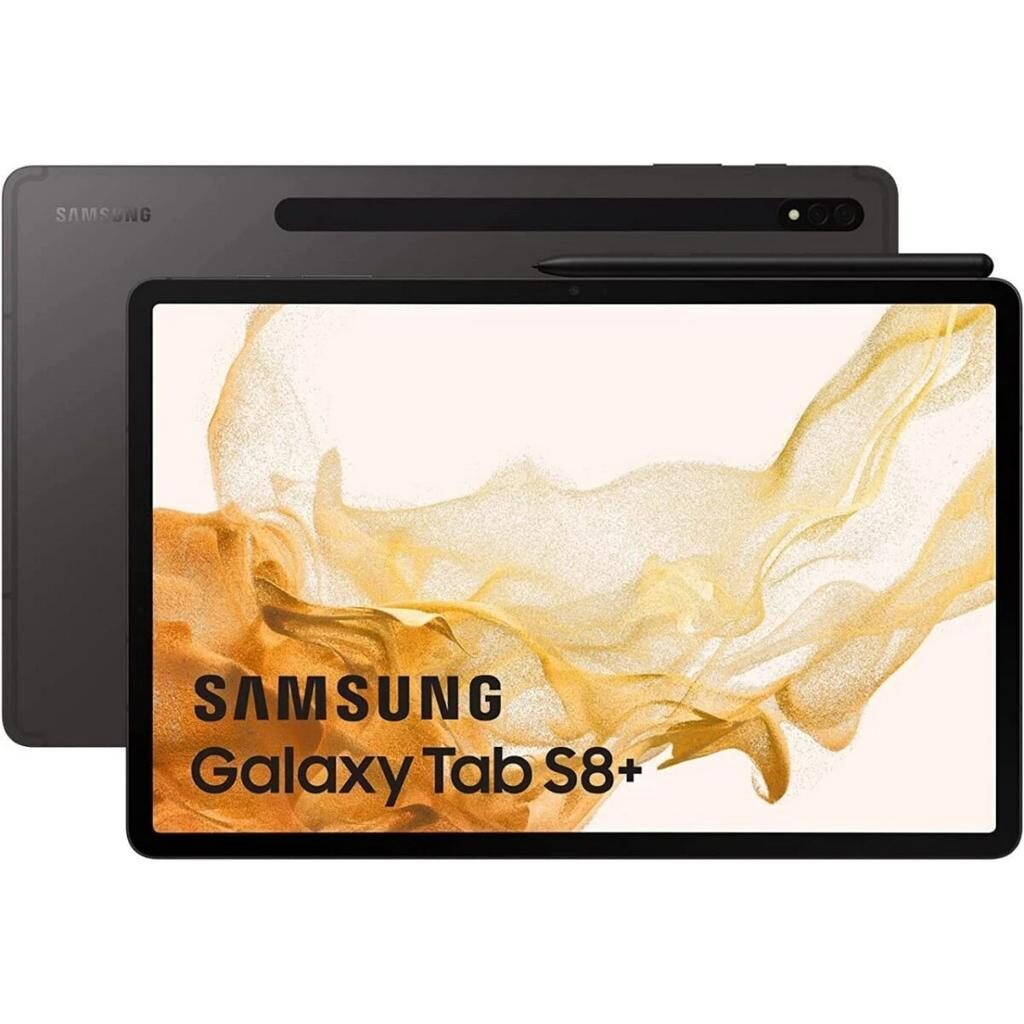
Galaxy Tab S8+ (12.4", 2022)
Starting at
£382.87£999.00 new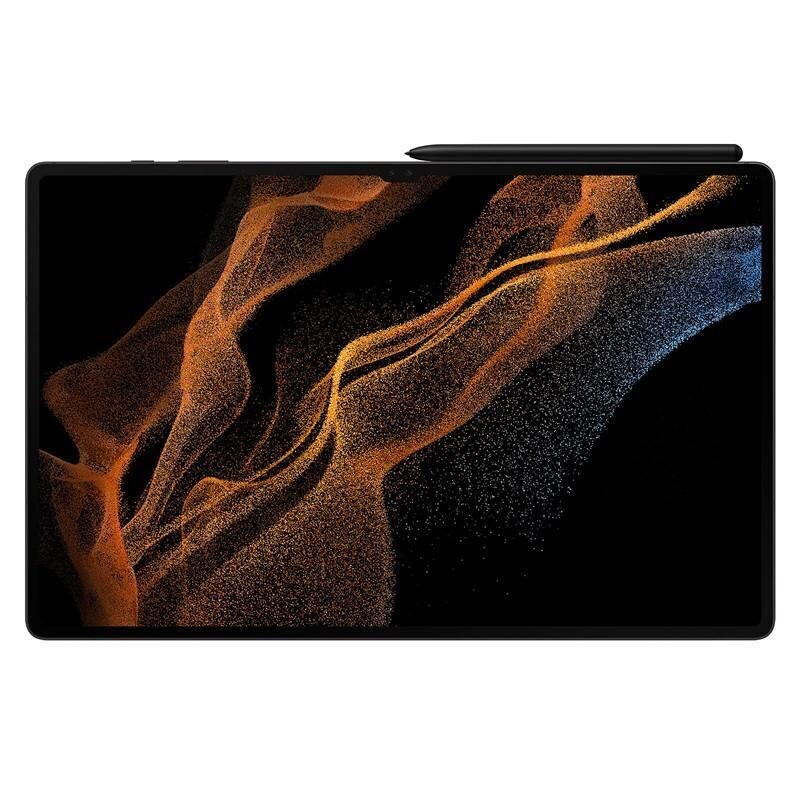
Galaxy Tab S8 Ultra (14.6", 2022)
Starting at
£537.57£1,520.38 newWhat's the difference between the Galaxy Tab S8+ (12.4", 2022) and Galaxy Tab S8 Ultra (14.6", 2022)?
Galaxy Tab S8+ (12.4", 2022) vs Galaxy Tab S8 Ultra (14.6", 2022) comes down to the RAM, screen size and weight. Refurbished, the Galaxy Tab S8+ (12.4", 2022) starts at £382.87, £154.70 less than the Galaxy Tab S8 Ultra (14.6", 2022).
Refurbished from
RAM
Screen size
Weight
- The Galaxy Tab S8 Ultra (14.6", 2022) has more RAM: 16 GB vs 8 GB.
- The Galaxy Tab S8 Ultra (14.6", 2022) has a bigger screen: 14.6 inch vs 12.4 inch.
- The Galaxy Tab S8+ (12.4", 2022) has a lighter build: 567 g vs 3000 g.
Galaxy Tab S8+ (12.4", 2022) vs Galaxy Tab S8 Ultra (14.6", 2022) specs
The Galaxy Tab S8+ and Galaxy Tab S8 Ultra are both Android tablets from 2022 with Super AMOLED screens and the same Snapdragon 8 Gen 1 processor. The Galaxy Tab S8 Ultra offers a larger 14.6 inch display and more RAM, making it suitable for users who want more screen space and multitasking capability. The Galaxy Tab S8+ has a smaller 12.4 inch screen with higher pixel density, which is ideal if you prefer a sharper image in a more compact size. The Ultra model also comes in a wider range of storage options and includes unlocked carrier compatibility, which may appeal if you need more storage or cellular flexibility. The S8+ is lighter and without a SIM port, fitting users who prioritise portability and Wi-Fi use only.
Galaxy Tab S8+ (12.4", 2022) vs Galaxy Tab S8 Ultra (14.6", 2022) price
Colour
Galaxy Tab S8+ (12.4", 2022) vs Galaxy Tab S8 Ultra (14.6", 2022) battery life and software updates
They share the same release year, so durability in terms of software support and system version is equal.
Operating System Support
This means you get a consistent software experience and the same level of OS features and security updates regardless of which model you choose.
Year of Release
Each device was released in 2022, so neither has an advantage in terms of how recently they were launched or the generation they belong to.
Battery
Maximum operating system supported
Year of release
Galaxy Tab S8+ (12.4", 2022) vs Galaxy Tab S8 Ultra (14.6", 2022) performance
Performance is driven by the same Snapdragon 8 Gen 1 processor in both tablets, but RAM and storage options differ. These differences affect multitasking and how much data you can keep on the device.
Processor
Both the Galaxy Tab S8+ and Galaxy Tab S8 Ultra use the Qualcomm Snapdragon 8 Gen 1 processor, which handles everyday tasks and demanding apps smoothly.
RAM Capacity
The Galaxy Tab S8+ has 8 GB of RAM, which is well suited for everyday use such as browsing, streaming, and running multiple apps. The Galaxy Tab S8 Ultra doubles this with 16 GB of RAM, which benefits users who keep many apps open or work with more intensive software.
Storage Variants
Storage options for the Galaxy Tab S8+ include 128GB and 256GB, covering standard needs for media and apps. The Galaxy Tab S8 Ultra adds a 512GB option, which is helpful if you want extra space for large files or extensive app collections.
Chipset
Processor
Processor brand
Processor core
Processor speed ghz
RAM
Galaxy Tab S8+ (12.4", 2022) vs Galaxy Tab S8 Ultra (14.6", 2022) screen
Both tablets have Super AMOLED screens with 120Hz refresh rates, but their screen sizes, resolutions, and pixel densities vary. These differences affect how spacious and sharp the display feels.
Screen Size
The Galaxy Tab S8+ has a 12.4 inch screen, offering a good balance between portability and viewing space. The Galaxy Tab S8 Ultra's 14.6 inch screen provides a more expansive display, ideal for watching videos or working with multiple windows side by side.
Resolution and Pixel Density
The Galaxy Tab S8 Ultra has a higher resolution of 1848 by 2960 pixels, suited to its larger screen. Meanwhile, the Galaxy Tab S8+ has a resolution of 1752 by 2800 pixels with a higher pixel density of 270ppp compared to 240ppp on the Ultra. This means the S8+ offers a crisper, more detailed image, which can be noticeable when viewing text or fine details up close.
Display glass
Pixel density
Refresh rate
Resolution
Screen size
Screen type
Galaxy Tab S8+ (12.4", 2022) vs Galaxy Tab S8 Ultra (14.6", 2022) camera
Both tablets provide a similar audiovisual setup, with stereo speakers and webcams, ensuring a comparable experience for media consumption and video calls.
Speakers
Each tablet has four stereo speakers, delivering clear and balanced sound for watching videos or making calls.
Webcam
Both devices include a front-facing webcam, suitable for video conferencing and selfies.
Front camera
Front camera definition
Main camera
Rear camera definition
Speakers
Video recording
Webcam
Galaxy Tab S8+ (12.4", 2022) vs Galaxy Tab S8 Ultra (14.6", 2022) size and design
Additional features like refresh rate, connectivity options, and weight differ between the two tablets, which could influence your choice based on how and where you use your device.
Refresh Rate
Both the Galaxy Tab S8+ and Galaxy Tab S8 Ultra support a 120Hz refresh rate, making scrolling and animations look smooth.
Carrier Compatibility
The Galaxy Tab S8 Ultra is unlocked and can work with SIM cards, giving you mobile network flexibility. The Galaxy Tab S8+ does not have a SIM port, so it relies on Wi-Fi for connectivity.
Weight
The Galaxy Tab S8+ weighs 567 grams, making it lighter and easier to hold for long periods. The Galaxy Tab S8 Ultra is substantially heavier at 3000 grams, reflecting its larger size and screen.
Connector Type
Both tablets use USB Type-C connectors, allowing for common charging and data transfer cables.
120hz
Bluetooth version
Carrier compatibility
Connector
Depth
Double sim
Headphones connectivity
Height
Megapixels
Sim format
Touch
Weight
Width
Wifi technology
With stylus pencil
Galaxy Tab S8+ (12.4", 2022) or Galaxy Tab S8 Ultra (14.6", 2022): which should you buy?
Buy the Galaxy Tab S8+ (12.4", 2022) if
- you want to spend less: it starts at £382.87, £154.70 less than the Galaxy Tab S8 Ultra (14.6", 2022)
- you want a lighter build (567 g vs 3000 g)
Buy the Galaxy Tab S8 Ultra (14.6", 2022) if
- you want more RAM (16 GB vs 8 GB)
- you want a bigger screen (14.6 inch vs 12.4 inch)
What our customers say
Customers buying the Galaxy Tab S8+ generally find it runs smoothly and feels like a brand new device. Many appreciate its bright and clear screen and report good performance for browsing and streaming. Some mention minor cosmetic issues like small scratches that do not affect daily use. Battery life experiences vary, with some users finding it shorter than expected while others are satisfied. Overall, users enjoy its speed and reliability for everyday tasks.
Reviews for the Galaxy Tab S8 Ultra highlight its large screen as ideal for watching TV shows and working with the S Pen. Many customers say it looks and feels like new with smooth performance. A few note minor cosmetic imperfections or pen issues, but still find the device performs well. Battery life receives mixed feedback, with some users wishing it lasted longer but remaining happy with the tablet's capabilities.
If you want a lighter, sharp-screened tablet for everyday use without mobile network access, the Galaxy Tab S8+ is a solid choice. For those who prefer a bigger display, more RAM, unlocked carrier support, and extra storage options, the Galaxy Tab S8 Ultra suits better.
Galaxy Tab S8+ (12.4", 2022) vs Galaxy Tab S8 Ultra (14.6", 2022) FAQs
Galaxy Tab S8+ (12.4", 2022) vs Galaxy Tab S8 Ultra (14.6", 2022) comes down to the RAM, screen size and weight. The Galaxy Tab S8 Ultra (14.6", 2022) has more RAM: 16 GB vs 8 GB. The Galaxy Tab S8 Ultra (14.6", 2022) has a bigger screen: 14.6 inch vs 12.4 inch.
The Galaxy Tab S8+ (12.4", 2022) is cheaper refurbished, from £382.87 compared with £537.57 for the Galaxy Tab S8 Ultra (14.6", 2022).
Refurbished, the Galaxy Tab S8+ (12.4", 2022) comes in 128GB and 256GB, and the Galaxy Tab S8 Ultra (14.6", 2022) in 128GB, 256GB and 512GB.