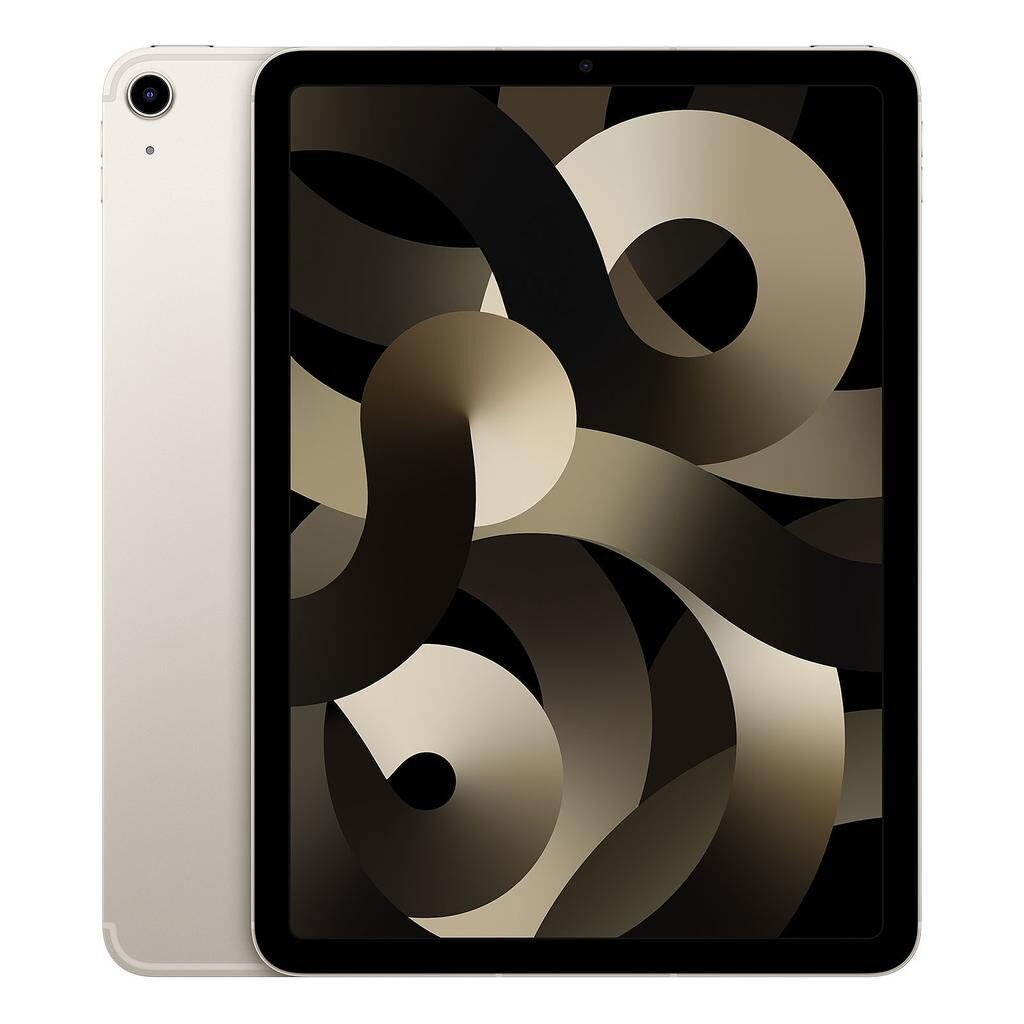
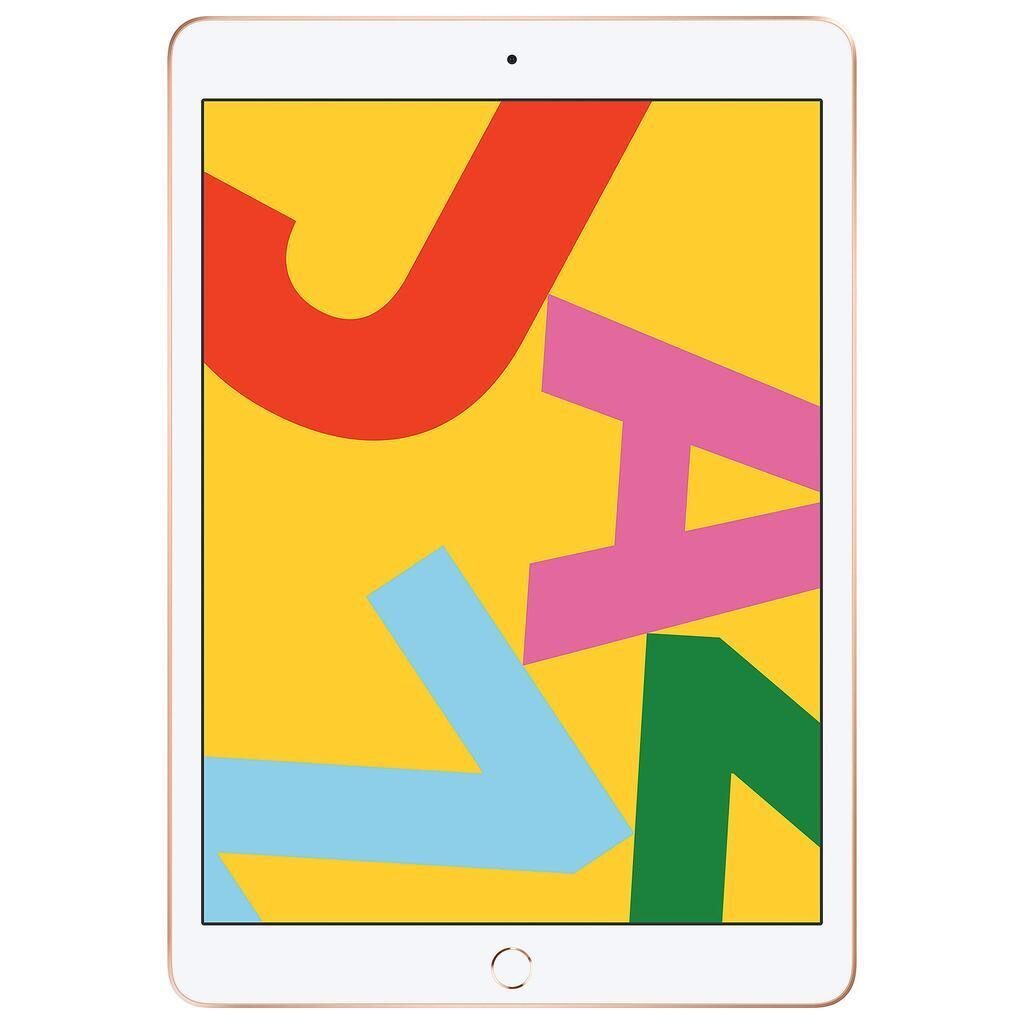
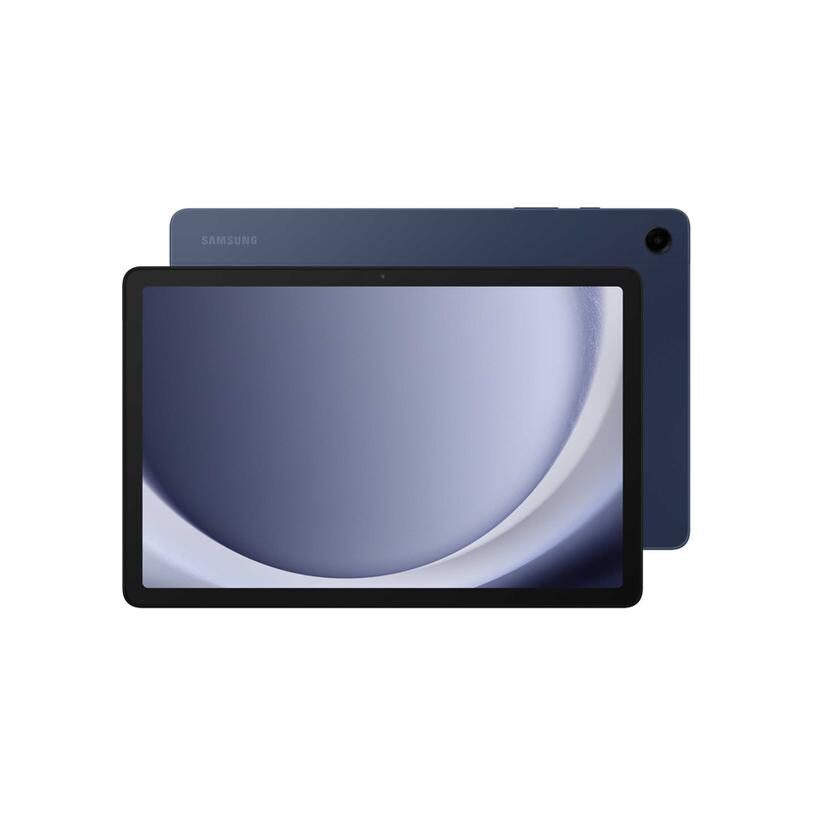
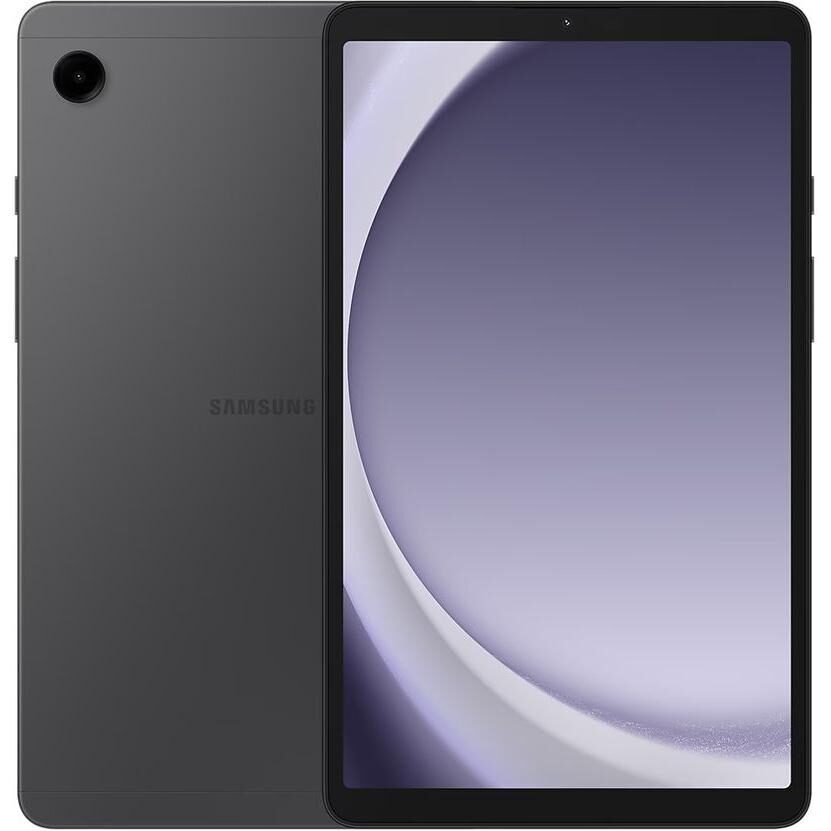
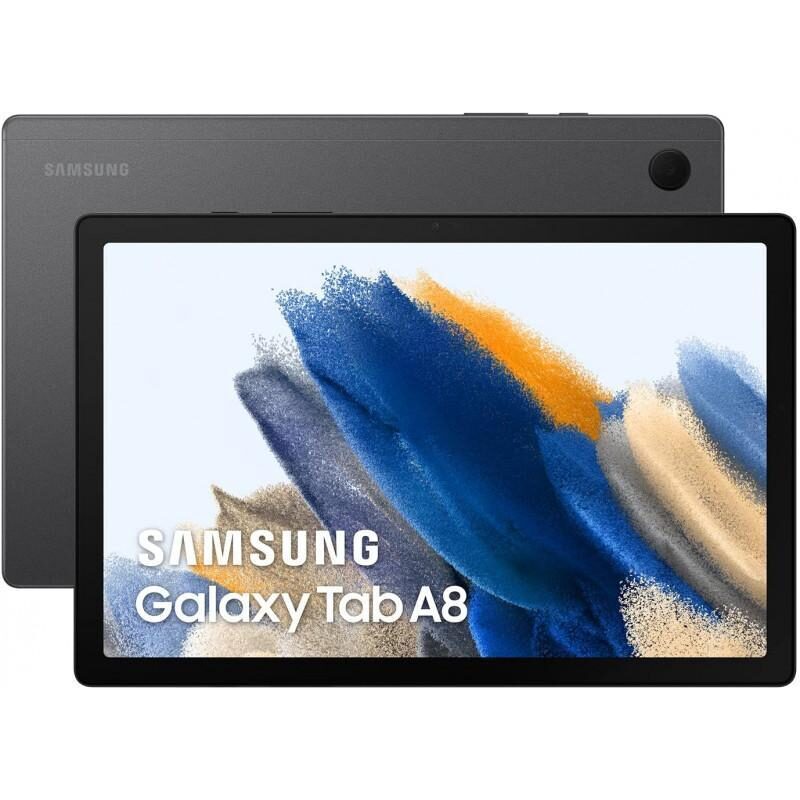
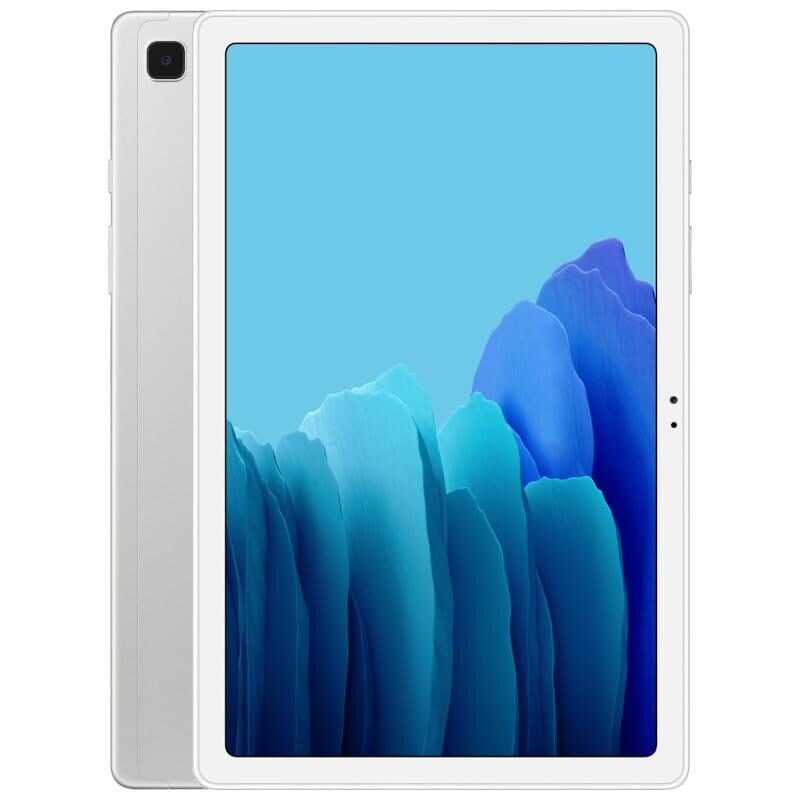
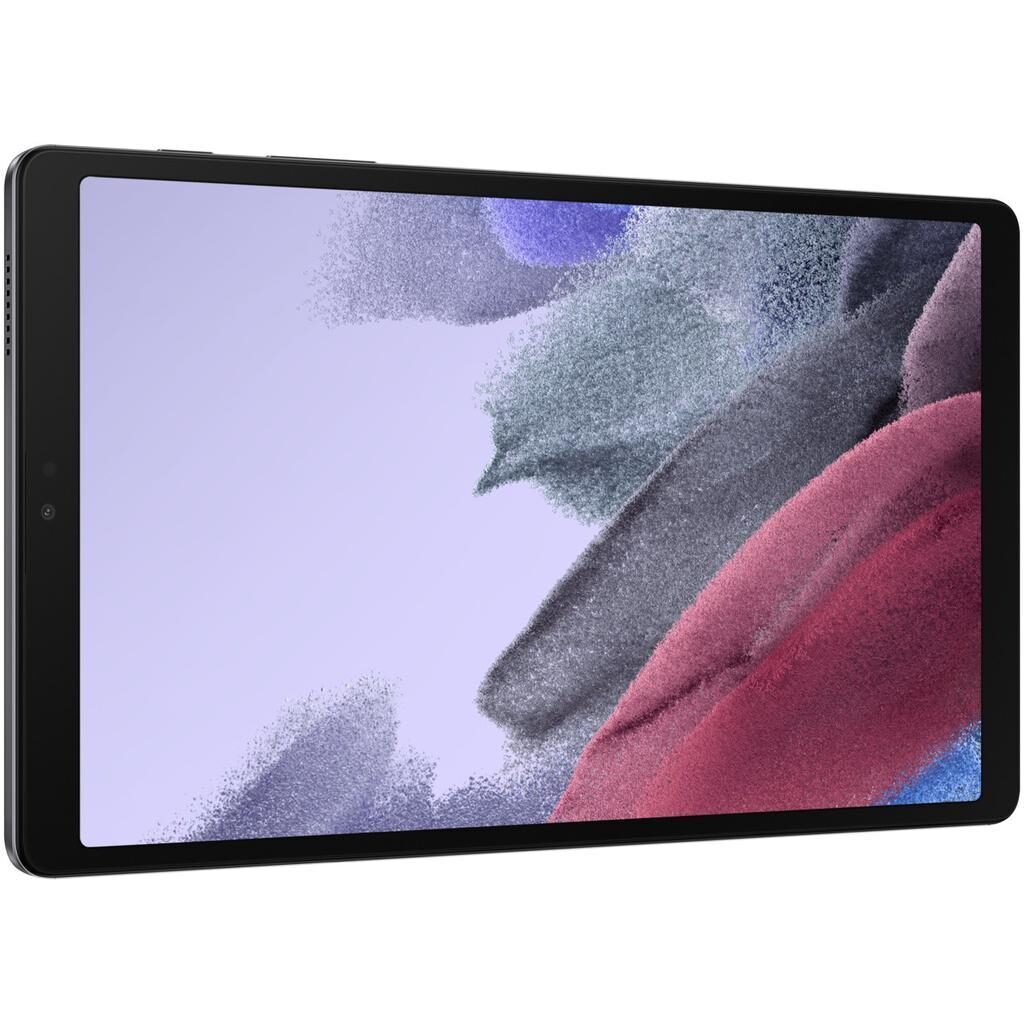
Galaxy Tab S7+ (12.4", 2020) vs Galaxy Tab S8 (11.0", 2022)
Shop Samsung Galaxy Tab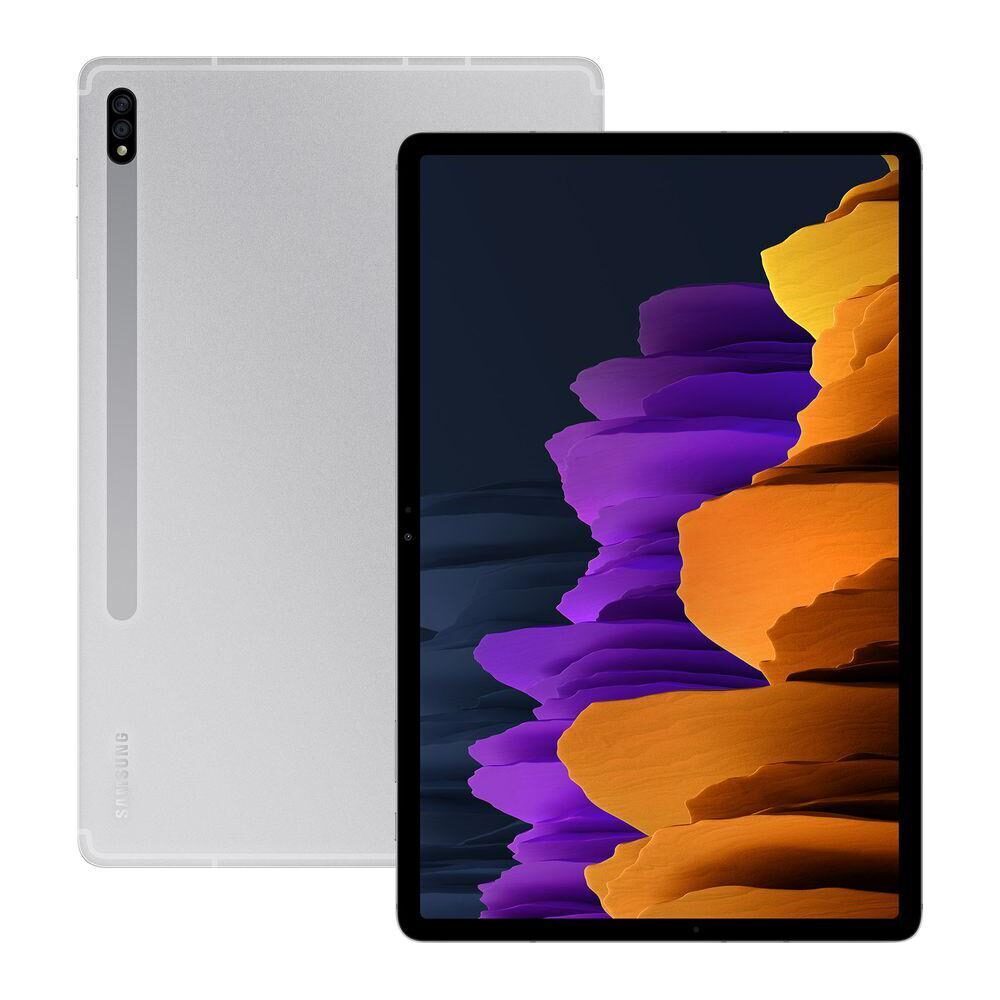
Galaxy Tab S7+ (12.4", 2020)
Starting at
£290.95£1,249.00 new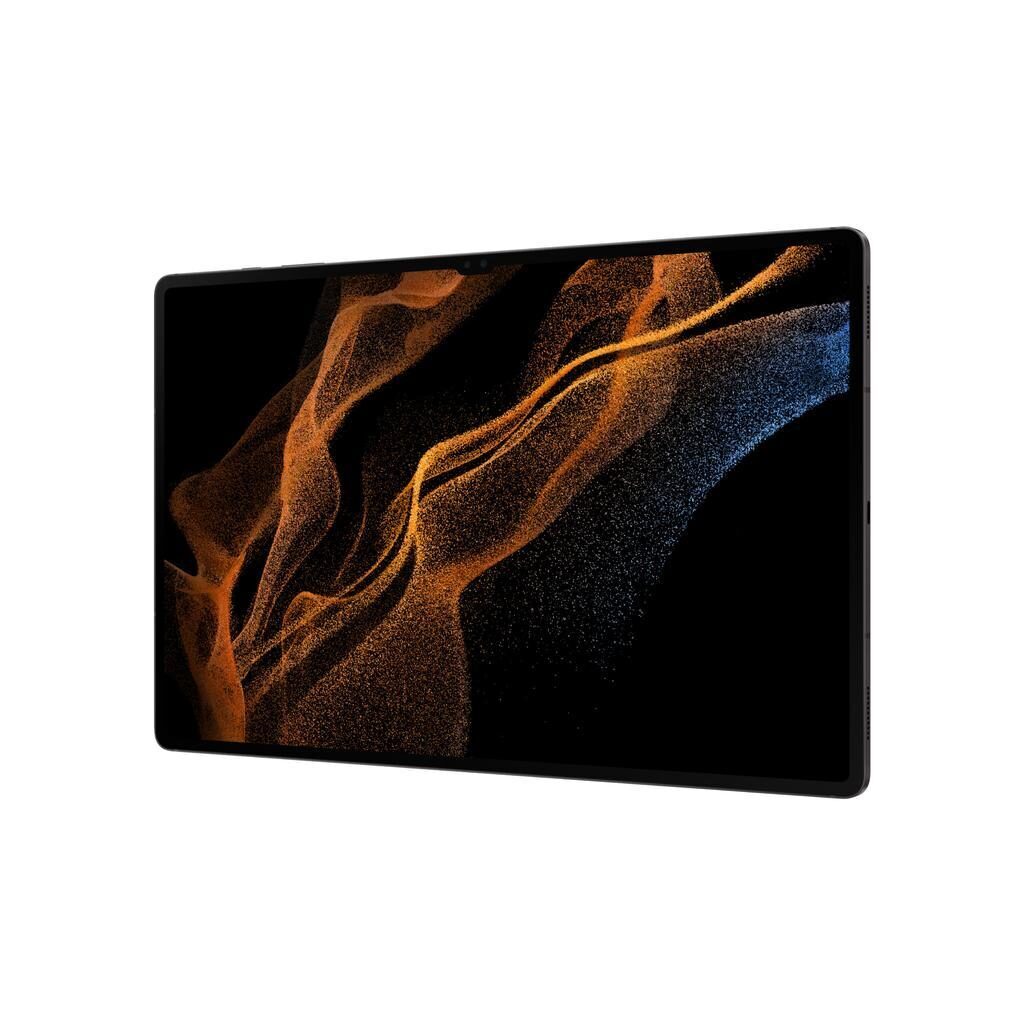
Galaxy Tab S8 (11.0", 2022)
Starting at
£324.36£649.00 newWhat's the difference between the Galaxy Tab S7+ (12.4", 2020) and Galaxy Tab S8 (11.0", 2022)?
Galaxy Tab S7+ (12.4", 2020) vs Galaxy Tab S8 (11.0", 2022) comes down to the RAM, screen size and screen type. Refurbished, the Galaxy Tab S7+ (12.4", 2020) starts at £290.95, £33.41 less than the Galaxy Tab S8 (11.0", 2022). The Galaxy Tab S8 (11.0", 2022) is the newer model, released in 2022.
Refurbished from
RAM
Screen size
Screen type
Weight
- The Galaxy Tab S8 (11.0", 2022) has more RAM: 8 GB vs 6 GB.
- The Galaxy Tab S7+ (12.4", 2020) has a bigger screen: 12.4 inch vs 11.0 inch.
- The Galaxy Tab S7+ (12.4", 2020) has an OLED screen.
Galaxy Tab S7+ (12.4", 2020) vs Galaxy Tab S8 (11.0", 2022) specs
The Galaxy Tab S7+ offers a larger 12.4 inch Super AMOLED screen with higher resolution, making it well suited for users who want a spacious, vibrant display for reading or media. It supports Android 13. The Galaxy Tab S8 features a smaller 11.0 inch TFT LCD screen with slightly higher pixel density, alongside 8 GB of RAM and a Snapdragon 8 Gen 1 processor, making it a strong choice for smooth multitasking and everyday use. It is lighter and comes unlocked with a SIM port, which benefits those who want mobile connectivity. Both tablets support 120Hz refresh rates and offer similar storage options, so the choice depends on your preference for screen size, performance, and connectivity.
Galaxy Tab S7+ (12.4", 2020) vs Galaxy Tab S8 (11.0", 2022) price
Colour
Galaxy Tab S7+ (12.4", 2020) vs Galaxy Tab S8 (11.0", 2022) battery life and software updates
Durability here refers mainly to software support and release year. These determine how long your device may receive updates and how current it is.
Operating System Support
The Galaxy Tab S7+ supports Android 13, which means it can run the latest Android version listed here. The Galaxy Tab S8 supports Android 12.
Release Year
The Galaxy Tab S7+ came out in 2020 and the Galaxy Tab S8 in 2022.
Battery
Maximum operating system supported
Year of release
Galaxy Tab S7+ (12.4", 2020) vs Galaxy Tab S8 (11.0", 2022) performance
Performance covers processor power, RAM, and storage, all of which affect how smoothly your tablet runs apps and handles multitasking.
Processor Generation
The Galaxy Tab S7+ uses the Qualcomm SM8250 Snapdragon 865 5G+. The Galaxy Tab S8 features the Qualcomm SM8450 Snapdragon 8 Gen 1. The newer processor in the S8 suits users who want more recent chip technology for daily apps and responsiveness.
Memory Size
The Galaxy Tab S7+ has 6 GB of RAM. The Galaxy Tab S8 offers 8 GB of RAM, keeping more apps open and running smoothly during multitasking or heavier workloads.
Storage Options
Both models come with 128GB or 256GB storage options. This means either tablet can accommodate a similar level of files, apps, and media, suitable for most users.
Chipset
Processor
Processor brand
Processor speed ghz
RAM
Galaxy Tab S7+ (12.4", 2020) vs Galaxy Tab S8 (11.0", 2022) screen
Screen quality affects how content looks and feels. Screen size, resolution, pixel density, and panel type all play a role in your viewing experience.
Screen Size and Resolution
The Galaxy Tab S7+ offers a 12.4 inch screen with a resolution of 1752 by 2800, making it larger and sharper in total pixels. This suits users who want more room for reading, drawing, or watching videos. The Galaxy Tab S8 has a smaller 11.0 inch screen with 1600 by 2560 resolution, making it a more compact yet clear display.
Pixel Density
The Galaxy Tab S8 has a pixel density of 280 ppp, slightly higher than the 270 ppp of the Galaxy Tab S7+. This means the S8's display is a bit sharper per inch, which benefits those who prefer crisp detail on a smaller screen.
Screen Type
The Galaxy Tab S7+ uses a Super AMOLED screen, known for deep blacks and vibrant colours, ideal for media lovers and creative work. The Galaxy Tab S8 uses a TFT LCD screen, which suits users who want a bright and clear display in a lighter device.
Display glass
Pixel density
Resolution
Screen size
Screen type
Galaxy Tab S7+ (12.4", 2020) vs Galaxy Tab S8 (11.0", 2022) camera
Both tablets offer similar audiovisual features including speaker setup and webcam, which are important for streaming, video calls, and media playback.
Speakers
Both the Galaxy Tab S7+ and Galaxy Tab S8 have four stereo speakers. This setup provides balanced sound for watching videos or video calls, making either tablet a good choice for audio enjoyment.
Webcam
Each tablet includes a webcam, allowing for video chats and selfies. This makes both devices suitable for remote work or staying in touch with friends and family.
Front camera definition
Rear camera definition
Speakers
Video recording
Webcam
Galaxy Tab S7+ (12.4", 2020) vs Galaxy Tab S8 (11.0", 2022) size and design
Other useful features include refresh rate, connectivity, physical size, and weight, all of which influence your daily use and comfort.
Refresh Rate
Both tablets support a 120Hz refresh rate. This means smooth scrolling and animations, which benefit gaming, browsing, and general navigation regardless of which tablet you choose.
Carrier Compatibility
The Galaxy Tab S7+ does not have a SIM port, so it works without mobile carrier support. The Galaxy Tab S8 is unlocked and includes a SIM port, suitable if you want mobile data access on the go.
Weight
The Galaxy Tab S7+ weighs 575 g, while the Galaxy Tab S8 is lighter at 503 g. If you prefer a lighter device for carrying or holding for long periods, the S8 fits better.
Connector
Both tablets use USB-C connectors for charging and data transfer, ensuring compatibility with common cables and accessories.
Camera Megapixels
Each tablet has a 13 megapixel camera, allowing for similar photo detail and video quality.
120hz
Bluetooth version
Carrier compatibility
Connector
Depth
Double sim
Headphones connectivity
Height
Megapixels
Sim format
Touch
Weight
Width
Wifi technology
With stylus pencil
Galaxy Tab S7+ (12.4", 2020) or Galaxy Tab S8 (11.0", 2022): which should you buy?
Buy the Galaxy Tab S7+ (12.4", 2020) if
- you want to spend less: it starts at £290.95, £33.41 less than the Galaxy Tab S8 (11.0", 2022)
- you want a bigger screen (12.4 inch vs 11.0 inch)
- you want an OLED screen
Buy the Galaxy Tab S8 (11.0", 2022) if
- you want more RAM (8 GB vs 6 GB)
- you want a lighter build (503 g vs 575 g)
What our customers say
Customers of the Galaxy Tab S7+ appreciate its large screen, noting it is excellent for reading music scores and streaming. They report the device feels responsive and light, with a bright display and good battery life. Many say the tablet looks very close to new even in fair condition, praising the overall quality and ease of use. Some mention simple setup and fast pairing with other Samsung devices.
Users of the Galaxy Tab S8 highlight its quick performance and smooth multitasking thanks to its newer processor and 8 GB of RAM. The tablet is described as great for streaming, browsing, and everyday use, with a clear screen and solid battery life. Condition is generally very good, with minor expected signs of use. Some customers note the unlocked SIM support, but a few mention they wanted a SIM slot and received a WiFi-only model. The device is lighter and easy to carry.
The Galaxy Tab S7+ suits those who want a larger, vibrant screen and the latest Android update, ideal for media and creative work. The Galaxy Tab S8 is a good fit for users wanting a lighter device with strong performance and mobile connectivity for everyday tasks.
Galaxy Tab S7+ (12.4", 2020) vs Galaxy Tab S8 (11.0", 2022) FAQs
Galaxy Tab S7+ (12.4", 2020) vs Galaxy Tab S8 (11.0", 2022) comes down to the RAM, screen size and screen type. The Galaxy Tab S8 (11.0", 2022) has more RAM: 8 GB vs 6 GB. The Galaxy Tab S7+ (12.4", 2020) has a bigger screen: 12.4 inch vs 11.0 inch.
The Galaxy Tab S7+ (12.4", 2020) is cheaper refurbished, from £290.95 compared with £324.36 for the Galaxy Tab S8 (11.0", 2022).
The Galaxy Tab S8 (11.0", 2022) adds more RAM (8 GB vs 6 GB) and a lighter build (503 g vs 575 g). Refurbished, it costs £33.41 more (from £324.36 vs £290.95).
Both come in 128GB and 256GB refurbished.