Galaxy Tab S10 Ultra (14.6", 2024) vs Galaxy Tab S8 Ultra (14.6", 2022)
Shop Samsung Galaxy Tab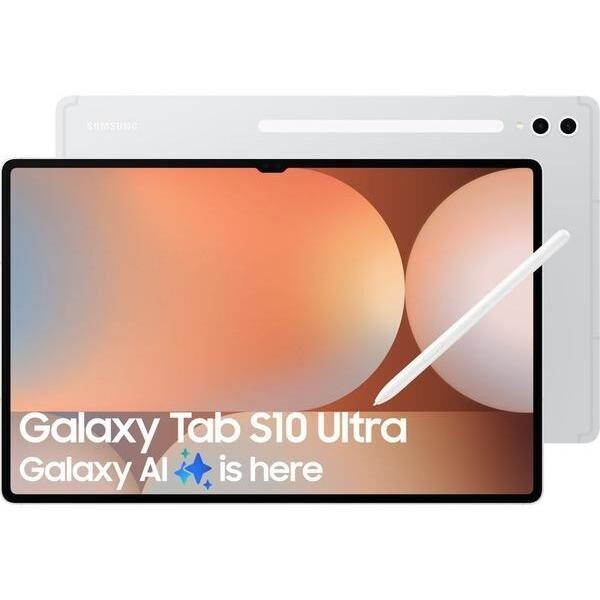
Galaxy Tab S10 Ultra (14.6", 2024)
Starting at
£681.95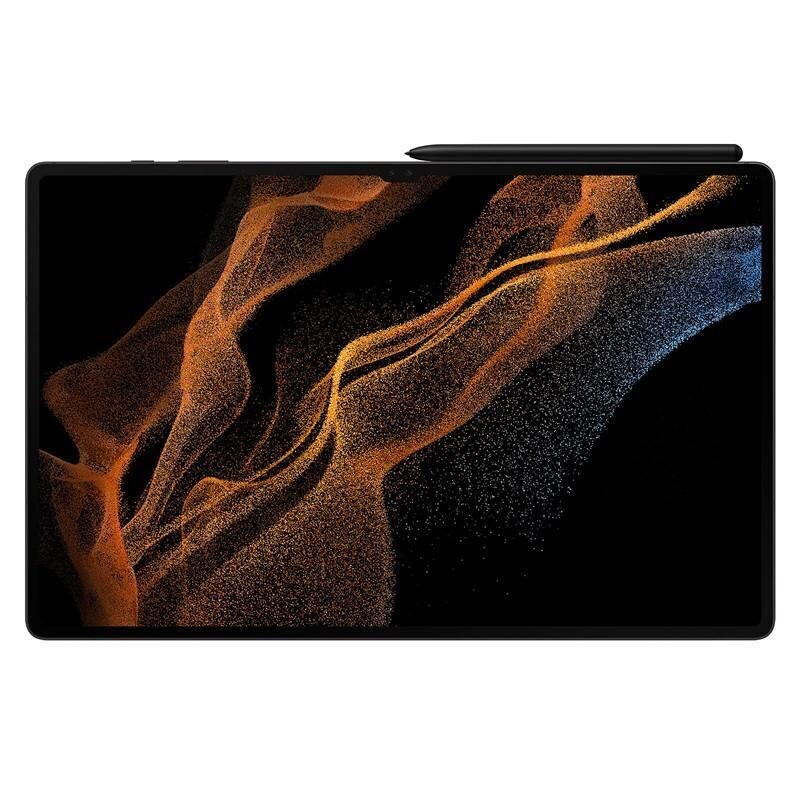
Galaxy Tab S8 Ultra (14.6", 2022)
Starting at
£537.57£1,520.38 newWhat's the difference between the Galaxy Tab S10 Ultra (14.6", 2024) and Galaxy Tab S8 Ultra (14.6", 2022)?
Galaxy Tab S10 Ultra (14.6", 2024) vs Galaxy Tab S8 Ultra (14.6", 2022) comes down to the chipset, RAM and screen type. Refurbished, the Galaxy Tab S8 Ultra (14.6", 2022) starts at £537.57, £144.38 less than the Galaxy Tab S10 Ultra (14.6", 2024). The Galaxy Tab S10 Ultra (14.6", 2024) is the newer model, released in 2024.
Refurbished from
Chipset
RAM
Screen type
Weight
- Chipset: Mediatek Dimensity 9300+ (4 nm) on the Galaxy Tab S10 Ultra (14.6", 2024), Qualcomm SM8450 Snapdragon 8 Gen 1 (4 nm) on the Galaxy Tab S8 Ultra (14.6", 2022).
- The Galaxy Tab S8 Ultra (14.6", 2022) has more RAM: 16 GB vs 12 GB.
- Screen type: Dynamic AMOLED 2X on the Galaxy Tab S10 Ultra (14.6", 2024), Super AMOLED on the Galaxy Tab S8 Ultra (14.6", 2022).
Galaxy Tab S10 Ultra (14.6", 2024) vs Galaxy Tab S8 Ultra (14.6", 2022) specs
The Galaxy Tab S10 Ultra (14.6", 2024) and the Galaxy Tab S8 Ultra (14.6", 2022) share a large 14.6 inch screen size and strong battery capacity, but they differ in several key areas. The S10 Ultra offers newer Android version support and a faster processor speed with MediaTek chipset, suiting users who value up-to-date software and peak performance. The S8 Ultra provides more RAM and a wider range of lower storage options, which may appeal to those who multitask heavily or need more affordable storage sizes. Both tablets have similar display resolutions and refresh rates, though the S10 Ultra features Dynamic AMOLED 2X glass while the S8 Ultra uses Corning Gorilla Glass 5. Your choice depends on whether you prioritise software longevity and processing speed or memory and material preferences.
Galaxy Tab S10 Ultra (14.6", 2024) vs Galaxy Tab S8 Ultra (14.6", 2022) price
Galaxy Tab S10 Ultra (14.6", 2024) vs Galaxy Tab S8 Ultra (14.6", 2022) battery life and software updates
Durability covers battery, software updates, and the operating system.
Battery Capacity
Both the Galaxy Tab S10 Ultra and the Galaxy Tab S8 Ultra have a 11200 mAh battery, offering similar endurance for daily use. This suits users who need long-lasting power without frequent recharging.
Operating System Support
The Galaxy Tab S10 Ultra supports Android 14, while the Galaxy Tab S8 Ultra supports Android 12. Both models come with Android as their operating system.
Battery
Maximum operating system supported
Year of release
Galaxy Tab S10 Ultra (14.6", 2024) vs Galaxy Tab S8 Ultra (14.6", 2022) performance
Performance depends on the chipset, processor speed, memory, and storage options. These influence how fast the tablet runs apps, multitasks, and stores data.
Processor Speed and Chipset
The Galaxy Tab S10 Ultra features a MediaTek Dimensity 9300+ processor running at 3.4 GHz, while the Galaxy Tab S8 Ultra uses a Qualcomm Snapdragon 8 Gen 1 at 3.00 GHz. The faster clock speed of the S10 Ultra benefits users seeking quicker processing for demanding tasks.
RAM Capacity
The Galaxy Tab S8 Ultra offers 16 GB of RAM compared to 12 GB on the Galaxy Tab S10 Ultra. More RAM helps keep multiple apps open and running smoothly, which suits heavy multitaskers and power users.
Storage Options
The Galaxy Tab S10 Ultra comes in 256 GB, 512 GB, and 1 TB storage sizes, while the Galaxy Tab S8 Ultra is available with 128 GB, 256 GB, and 512 GB. The S10 Ultra supports larger maximum storage, useful for storing extensive media collections or large files.
Chipset
Processor
Processor brand
Processor core
Processor speed ghz
RAM
Galaxy Tab S10 Ultra (14.6", 2024) vs Galaxy Tab S8 Ultra (14.6", 2022) screen
Screen quality involves size, resolution, refresh rate, and display glass. Here, the tablets are similar in many ways but differ in the type of display glass and screen technology.
Display Technology
The Galaxy Tab S10 Ultra uses Dynamic AMOLED 2X technology, while the Galaxy Tab S8 Ultra features Super AMOLED. Both offer vivid colours and deep contrast, but the S10 Ultra's display is a newer AMOLED variant which may offer subtle improvements in brightness and colour handling.
Display Glass
The Galaxy Tab S8 Ultra has Corning Gorilla Glass 5 on its front, a known toughened glass. The Galaxy Tab S10 Ultra has glass front without further specification. Users seeking a known glass durability standard may prefer the S8 Ultra.
Resolution and Refresh Rate
Both tablets share the same 1848 x 2960 resolution and 240 ppi pixel density, with a 120 Hz refresh rate. This combination offers sharp visuals and smooth motion, suitable for video, gaming, and general use.
Brightness
Display glass
Pixel density
Refresh rate
Resolution
Screen size
Screen type
Galaxy Tab S10 Ultra (14.6", 2024) vs Galaxy Tab S8 Ultra (14.6", 2022) camera
Audiovisual features include cameras, speakers, and video recording capabilities. These affect video calls, photography, and media playback.
Cameras
Both the Galaxy Tab S10 Ultra and S8 Ultra have 12 megapixel front cameras and 13 megapixel rear cameras. This makes them equally capable for video calls and casual photography.
Video Recording
The Galaxy Tab S8 Ultra supports 4K video recording at 30 and 60 frames per second, while the Galaxy Tab S10 Ultra records 4K at 30 frames per second only. Users prioritising smoother 4K video capture may prefer the S8 Ultra.
Speakers
Both tablets feature stereo speakers with four speakers in total. This setup delivers balanced sound, fitting for watching videos or listening to music.
Front camera
Front camera definition
Main camera
Rear camera definition
Speakers
Video recording
Webcam
Galaxy Tab S10 Ultra (14.6", 2024) vs Galaxy Tab S8 Ultra (14.6", 2022) size and design
Miscellaneous features cover connectivity, physical dimensions, and other unique attributes. These can influence how you use and carry the tablet daily.
SIM and Connectivity
The Galaxy Tab S10 Ultra supports dual SIM with Nano-SIM and eSIM for cellular models, while the Galaxy Tab S8 Ultra uses a single Nano SIM. The S10 Ultra also has Bluetooth 5.3 compared to 5.2 on the S8 Ultra, and supports Wi-Fi 802.11 a/b/g/n/ac/6e/7, while the S8 Ultra supports up to Wi-Fi 802.11 a/b/g/n/ac/6e. These features make the S10 Ultra better prepared for newer wireless standards and flexible mobile connections.
Physical Size and Weight
The Galaxy Tab S10 Ultra measures 290 mm in height, 185 mm in width, and 5.6 mm in depth, weighing 576 g. The Galaxy Tab S8 Ultra is taller at 326.4 mm, wider at 208.6 mm, slightly thicker at 5.5 mm, and much heavier at 3000 g. The lighter and more compact S10 Ultra may suit those valuing portability.
Audio Jack and SIM Format
The Galaxy Tab S10 Ultra supports headphones via USB Type-C and offers Nano-SIM plus eSIM formats for cellular use. The Galaxy Tab S8 Ultra does not have a 3.5mm headphone jack and uses only Nano SIM.
Stylus and Refresh Rate
Both tablets come with stylus support and feature 120 Hz refresh rates, making them responsive for drawing, note-taking, and smooth screen movement.
120hz
Bluetooth version
Carrier compatibility
Connector
Depth
Double sim
Headphones connectivity
Height
Megapixels
Sim format
Touch
Weight
Width
Wifi technology
With stylus pencil
Galaxy Tab S10 Ultra (14.6", 2024) or Galaxy Tab S8 Ultra (14.6", 2022): which should you buy?
Buy the Galaxy Tab S10 Ultra (14.6", 2024) if
- you want a lighter build (576 g vs 3000 g)
- you want the newer model (2024)
Buy the Galaxy Tab S8 Ultra (14.6", 2022) if
- you want to spend less: it starts at £537.57, £144.38 less than the Galaxy Tab S10 Ultra (14.6", 2024)
- you want more RAM (16 GB vs 12 GB)
What our customers say
Customers of the Galaxy Tab S10 Ultra note that many units look like new, with some reporting excellent condition and no visible marks. Several users appreciate the large screen and powerful system for tasks like displaying piano sheet music. There are some concerns about quality control, with a few customers receiving devices with scratches despite the advertised condition. Overall, many customers find the S10 Ultra to be a strong tablet for its price and praise its condition when it meets expectations.
The Galaxy Tab S8 Ultra receives positive feedback for its condition, often described as good or excellent with few marks. Users enjoy the large screen for watching TV shows and appreciate the included stylus, although some have had issues with the pen nib or missing original pens. Battery life is generally acceptable, though some find it less strong than expected. The tablet performs well for everyday use and is considered a solid choice for those valuing screen size and stylus support.
Both devices suit customers wanting large displays and stylus input. The S10 Ultra appeals to those wanting the latest Android support and faster processing, while the S8 Ultra fits users who prioritise more RAM and a known durable screen glass.
Galaxy Tab S10 Ultra (14.6", 2024) vs Galaxy Tab S8 Ultra (14.6", 2022) FAQs
Galaxy Tab S10 Ultra (14.6", 2024) vs Galaxy Tab S8 Ultra (14.6", 2022) comes down to the chipset, RAM and screen type. Chipset: Mediatek Dimensity 9300+ (4 nm) on the Galaxy Tab S10 Ultra (14.6", 2024), Qualcomm SM8450 Snapdragon 8 Gen 1 (4 nm) on the Galaxy Tab S8 Ultra (14.6", 2022). The Galaxy Tab S8 Ultra (14.6", 2022) has more RAM: 16 GB vs 12 GB.
The Galaxy Tab S8 Ultra (14.6", 2022) is cheaper refurbished, from £537.57 compared with £681.95 for the Galaxy Tab S10 Ultra (14.6", 2024).
Both have the same battery: 11200 mAh.
Both have the same main camera: 13 megapixels.
The Galaxy Tab S10 Ultra (14.6", 2024) adds a lighter build (576 g vs 3000 g). Refurbished, it costs £144.38 more (from £681.95 vs £537.57).
Refurbished, the Galaxy Tab S10 Ultra (14.6", 2024) comes in 256GB, 512GB and 1TB, and the Galaxy Tab S8 Ultra (14.6", 2022) in 128GB, 256GB and 512GB.