Galaxy Tab S10 Ultra (14.6", 2024) vs Galaxy Tab S4 (10.5", 2018)
Shop Samsung Galaxy Tab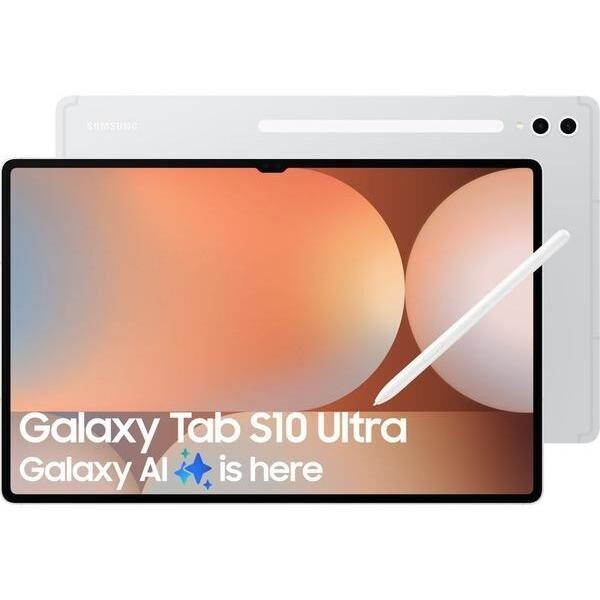
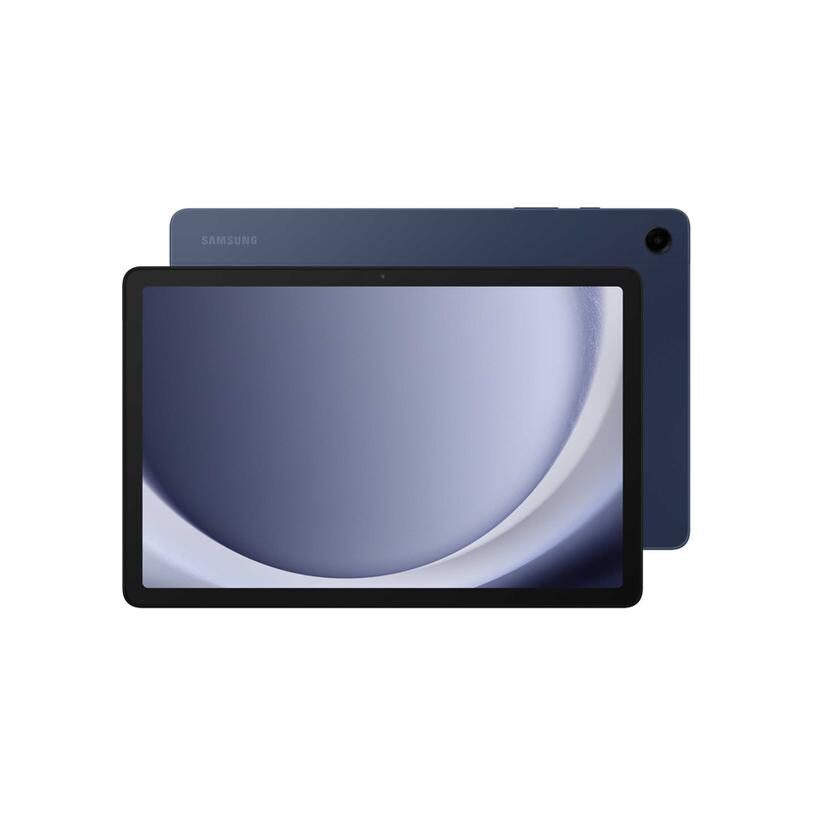
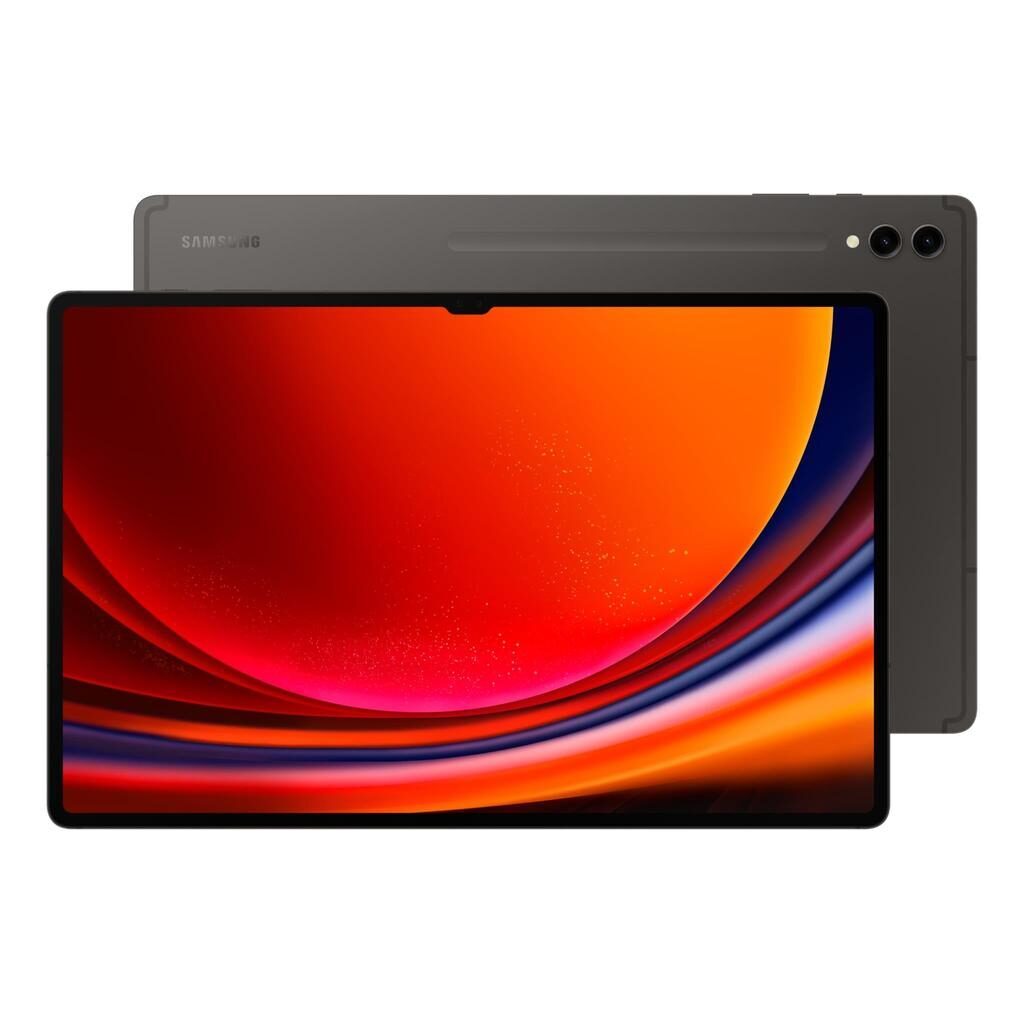
Galaxy Tab S10 Ultra (14.6", 2024)
Starting at
£681.95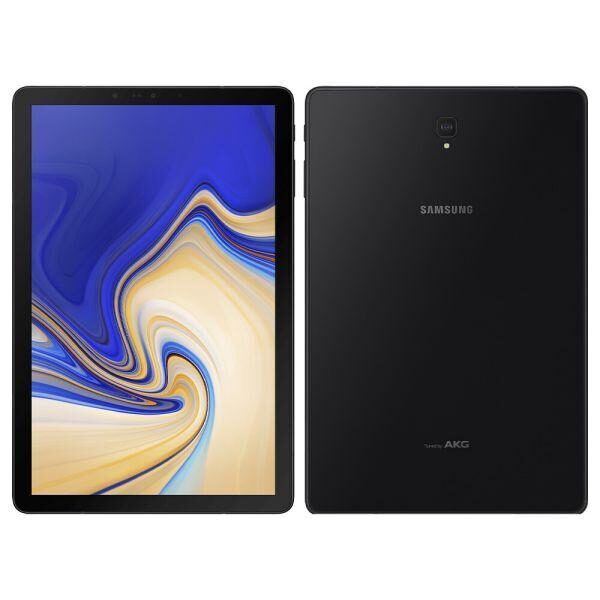
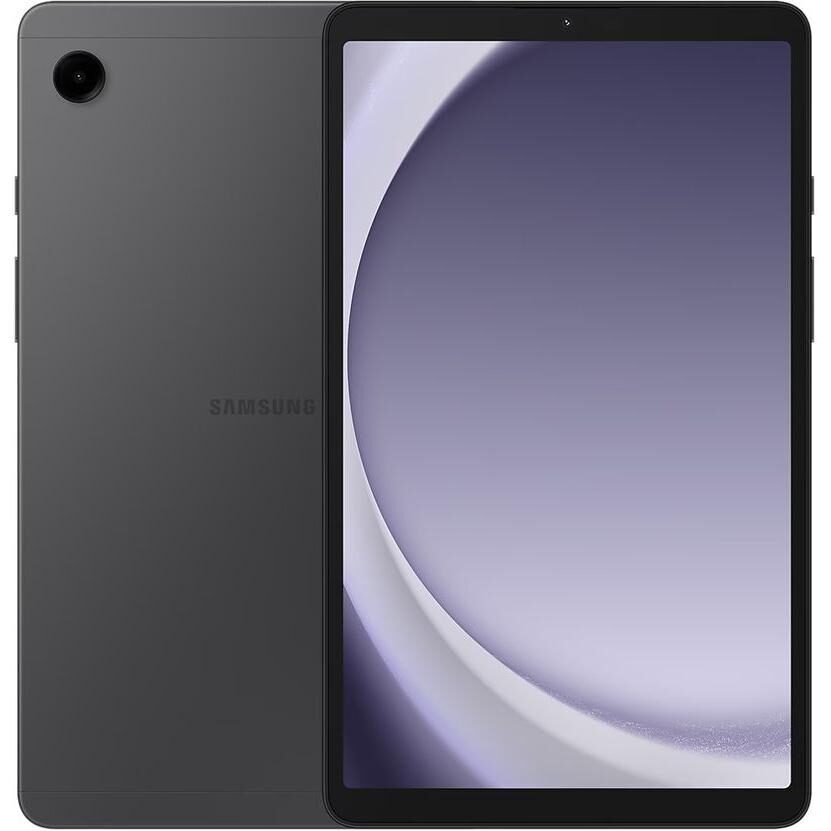
Galaxy Tab S4 (10.5", 2018)
Starting at
£210.00£689.00 newWhat's the difference between the Galaxy Tab S10 Ultra (14.6", 2024) and Galaxy Tab S4 (10.5", 2018)?
Galaxy Tab S10 Ultra (14.6", 2024) vs Galaxy Tab S4 (10.5", 2018) comes down to the chipset, RAM and battery. Refurbished, the Galaxy Tab S4 (10.5", 2018) starts at £210, £471.95 less than the Galaxy Tab S10 Ultra (14.6", 2024). The Galaxy Tab S10 Ultra (14.6", 2024) is the newer model, released in 2024.
Refurbished from
Chipset
RAM
Battery
Screen size
Screen type
- Chipset: Mediatek Dimensity 9300+ (4 nm) on the Galaxy Tab S10 Ultra (14.6", 2024), Qualcomm MSM8998 Snapdragon 835 (10 nm) on the Galaxy Tab S4 (10.5", 2018).
- The Galaxy Tab S10 Ultra (14.6", 2024) has more RAM: 12 GB vs 4 GB.
- The Galaxy Tab S10 Ultra (14.6", 2024) has a bigger battery: 11200 mAh vs 7300 mAh.
Galaxy Tab S10 Ultra (14.6", 2024) vs Galaxy Tab S4 (10.5", 2018) specs
The Galaxy Tab S10 Ultra and Galaxy Tab S4 differ notably in size, power, and modern features. The Galaxy Tab S10 Ultra offers a much larger 14.6 inch screen with higher resolution and faster refresh rate, making it suitable for users who want more screen space for media and multitasking. It also has a more powerful processor, more RAM, and higher storage options, fitting those who need speed and capacity for demanding tasks. The Galaxy Tab S4 has a smaller 10.5 inch screen with higher pixel density, which suits users looking for a compact device with sharp visuals. Its simpler performance and lower storage cater well to everyday use. Both support a stylus and have similar camera capabilities but differ in battery size and connectivity options.
Galaxy Tab S10 Ultra (14.6", 2024) vs Galaxy Tab S4 (10.5", 2018) price
Galaxy Tab S10 Ultra (14.6", 2024) vs Galaxy Tab S4 (10.5", 2018) battery life and software updates
Durability covers battery life, software updates, and operating system support. These factors affect how long each tablet stays current and how it handles daily use.
Battery Capacity
The Galaxy Tab S10 Ultra has a 11200 mAh battery, which is larger than the Galaxy Tab S4's 7300 mAh. This larger capacity suits users who need longer usage between charges, ideal for extended work or entertainment sessions away from power sources.
Battery
Maximum operating system supported
Year of release
Galaxy Tab S10 Ultra (14.6", 2024) vs Galaxy Tab S4 (10.5", 2018) performance
Performance differences focus on processing power, memory, and storage. These impact speed, multitasking, and how much data or apps you can keep on the device.
Processor Speed and Brand
The Galaxy Tab S10 Ultra uses a Mediatek Dimensity 9300+ chipset with an 8 core processor running at 3.4 GHz. The Galaxy Tab S4 has a Qualcomm Snapdragon 835 with 8 cores at 2.35 GHz. The faster processor in the S10 Ultra suits users running demanding apps or multitasking, while the S4 is suitable for everyday activities.
RAM Capacity
With 12 GB of RAM, the Galaxy Tab S10 Ultra keeps more apps running smoothly at once, benefiting multitaskers and power users. The Galaxy Tab S4 has 4 GB of RAM, which handles standard app use well for everyday tasks.
Storage Options
The Galaxy Tab S10 Ultra offers larger storage options of 256 GB, 512 GB, and 1 TB, supporting users who store extensive media or files. The Galaxy Tab S4 is stocked with 64 GB, which suits users with lighter storage needs or who rely on cloud storage.
Chipset
Processor
Processor brand
Processor core
Processor speed ghz
RAM
Galaxy Tab S10 Ultra (14.6", 2024) vs Galaxy Tab S4 (10.5", 2018) screen
Screen quality varies mainly in size, resolution, and pixel density. These affect how much you see, image sharpness, and smoothness of motion.
Screen Size and Resolution
The Galaxy Tab S10 Ultra offers a large 14.6 inch display with a resolution of 1848 x 2960, providing a spacious area for watching videos or working on multiple apps. The Galaxy Tab S4 has a smaller 10.5 inch display with a resolution of 1600 x 2560, offering a compact form that is easier to hold and carry.
Pixel Density
The Galaxy Tab S4 has a higher pixel density of 290 ppi, which delivers sharper images on its smaller screen. The Galaxy Tab S10 Ultra has 240 ppi, which balances sharpness with a much larger display.
Display Technology and Refresh Rate
The Galaxy Tab S10 Ultra uses Dynamic AMOLED 2X technology and supports 120 Hz refresh rate, making animations and scrolling appear smoother, suited to users who value fluid visuals. The Galaxy Tab S4 has Super AMOLED and does not support 120 Hz, fitting users who prefer a classic display experience.
Brightness
Display glass
Pixel density
Refresh rate
Resolution
Screen size
Screen type
Galaxy Tab S10 Ultra (14.6", 2024) vs Galaxy Tab S4 (10.5", 2018) camera
Both tablets offer similar audiovisual features, but there are some distinctions in camera resolution and speaker setup.
Front Camera Resolution
The Galaxy Tab S10 Ultra has a 12 megapixel front camera, which captures more detail in selfies or video calls. The Galaxy Tab S4 has an 8 megapixel front camera, suitable for clear but less detailed video chats.
Main Camera and Video
Both tablets have a 13 megapixel main camera and support 4K video recording at 30FPS, allowing for high-resolution photos and videos. This makes either device suitable for capturing detailed images or videos when needed.
Speakers
Both devices feature stereo speakers with four speakers in total, offering balanced audio for media playback. This setup supports good sound quality whether watching videos or listening to music.
Front camera
Front camera definition
Main camera
Rear camera definition
Speakers
Video recording
Webcam
Galaxy Tab S10 Ultra (14.6", 2024) vs Galaxy Tab S4 (10.5", 2018) size and design
Additional features include connectivity, physical dimensions, and extras like stylus support. These influence how you use the tablet daily.
Connectivity and SIM Support
The Galaxy Tab S10 Ultra is unlocked and supports double SIM with Nano-SIM and eSIM options in cellular models. The Galaxy Tab S4 does not have a SIM port. The S10 Ultra suits those who want cellular connectivity and dual SIM flexibility.
Headphone Connection
The Galaxy Tab S10 Ultra uses USB Type-C for headphones, fitting users with modern accessories. The Galaxy Tab S4 includes a 3.5 mm headphone jack, convenient for users with traditional wired headphones.
Device Size and Weight
The Galaxy Tab S10 Ultra is larger and heavier, measuring 290 mm by 185 mm and weighing 576 g. The Galaxy Tab S4 is smaller at 249.3 mm by 164.3 mm and lighter at 482 g, appealing to those prioritising portability.
Refresh Rate and Bluetooth
The Galaxy Tab S10 Ultra supports a 120 Hz refresh rate and Bluetooth 5.3, benefitting users who want smoother visuals and the latest Bluetooth technology. The Galaxy Tab S4 offers Bluetooth 5.0 and does not support 120 Hz.
Stylus Support
Both tablets come with stylus support, useful for note-taking, drawing, or navigation, ensuring creative and productive use for either device.
120hz
Bluetooth version
Carrier compatibility
Connector
Depth
Double sim
Headphones connectivity
Height
Megapixels
Network
Sim format
Touch
Weight
Width
Wifi technology
With stylus pencil
Galaxy Tab S10 Ultra (14.6", 2024) or Galaxy Tab S4 (10.5", 2018): which should you buy?
Buy the Galaxy Tab S10 Ultra (14.6", 2024) if
- you want more RAM (12 GB vs 4 GB)
- you want a bigger battery (11200 mAh vs 7300 mAh)
- you want a bigger screen (14.6 inch vs 10.5 inch)
Buy the Galaxy Tab S4 (10.5", 2018) if
- you want to spend less: it starts at £210, £471.95 less than the Galaxy Tab S10 Ultra (14.6", 2024)
- you want a lighter build (482 g vs 576 g)
What our customers say
Customers of the Galaxy Tab S10 Ultra have mixed experiences with condition. Some report receiving devices in excellent or like-new condition with no marks, praising the tablet's large screen and powerful performance. Others mention issues with screen scratches or inconsistent grading of condition. Those who are happy highlight the tablet's speed, size, and value for the price, as well as the effective stylus support.
Reviews for the Galaxy Tab S4 are generally positive with many customers saying the tablet looks just like new and works perfectly. Some note that it takes a bit of time to start up, but it performs well for everyday use. Many users are pleased with the sleek design and condition, often describing it as a reliable and well-functioning device.
The Galaxy Tab S10 Ultra suits buyers seeking a large, fast tablet with extensive storage and modern features, accepting some variability in condition. The Galaxy Tab S4 fits those wanting a smaller, straightforward tablet in good condition for routine tasks.
Galaxy Tab S10 Ultra (14.6", 2024) vs Galaxy Tab S4 (10.5", 2018) FAQs
Galaxy Tab S10 Ultra (14.6", 2024) vs Galaxy Tab S4 (10.5", 2018) comes down to the chipset, RAM and battery. Chipset: Mediatek Dimensity 9300+ (4 nm) on the Galaxy Tab S10 Ultra (14.6", 2024), Qualcomm MSM8998 Snapdragon 835 (10 nm) on the Galaxy Tab S4 (10.5", 2018). The Galaxy Tab S10 Ultra (14.6", 2024) has more RAM: 12 GB vs 4 GB.
The Galaxy Tab S4 (10.5", 2018) is cheaper refurbished, from £210 compared with £681.95 for the Galaxy Tab S10 Ultra (14.6", 2024).
The Galaxy Tab S10 Ultra (14.6", 2024) has a bigger battery: 11200 mAh vs 7300 mAh.
Both have the same main camera: 13 megapixels.
The Galaxy Tab S10 Ultra (14.6", 2024) adds more RAM (12 GB vs 4 GB), a bigger battery (11200 mAh vs 7300 mAh) and a bigger screen (14.6 inch vs 10.5 inch). Refurbished, it costs £471.95 more (from £681.95 vs £210).
Refurbished, the Galaxy Tab S10 Ultra (14.6", 2024) comes in 256GB, 512GB and 1TB, and the Galaxy Tab S4 (10.5", 2018) in 64GB.