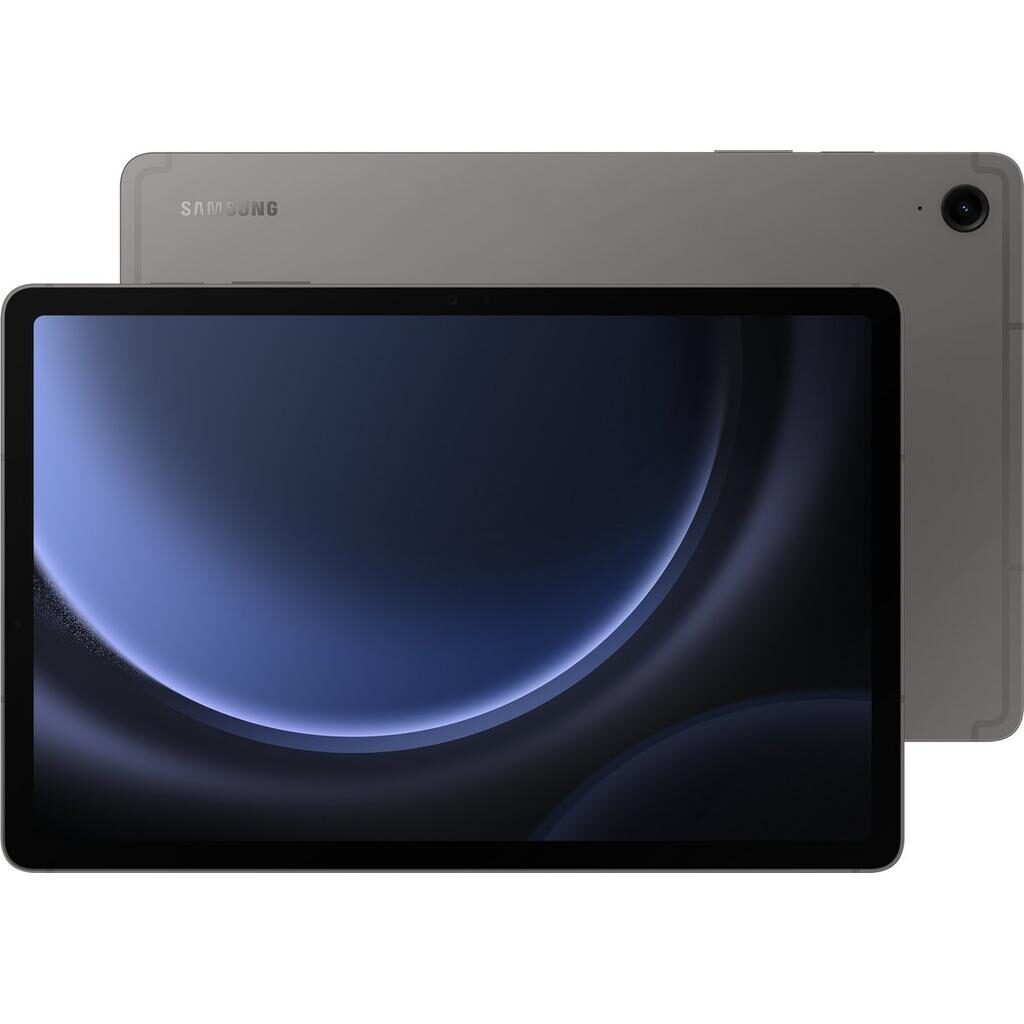
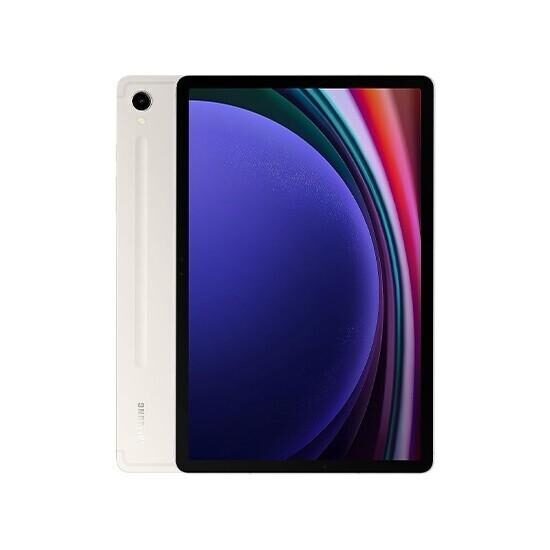
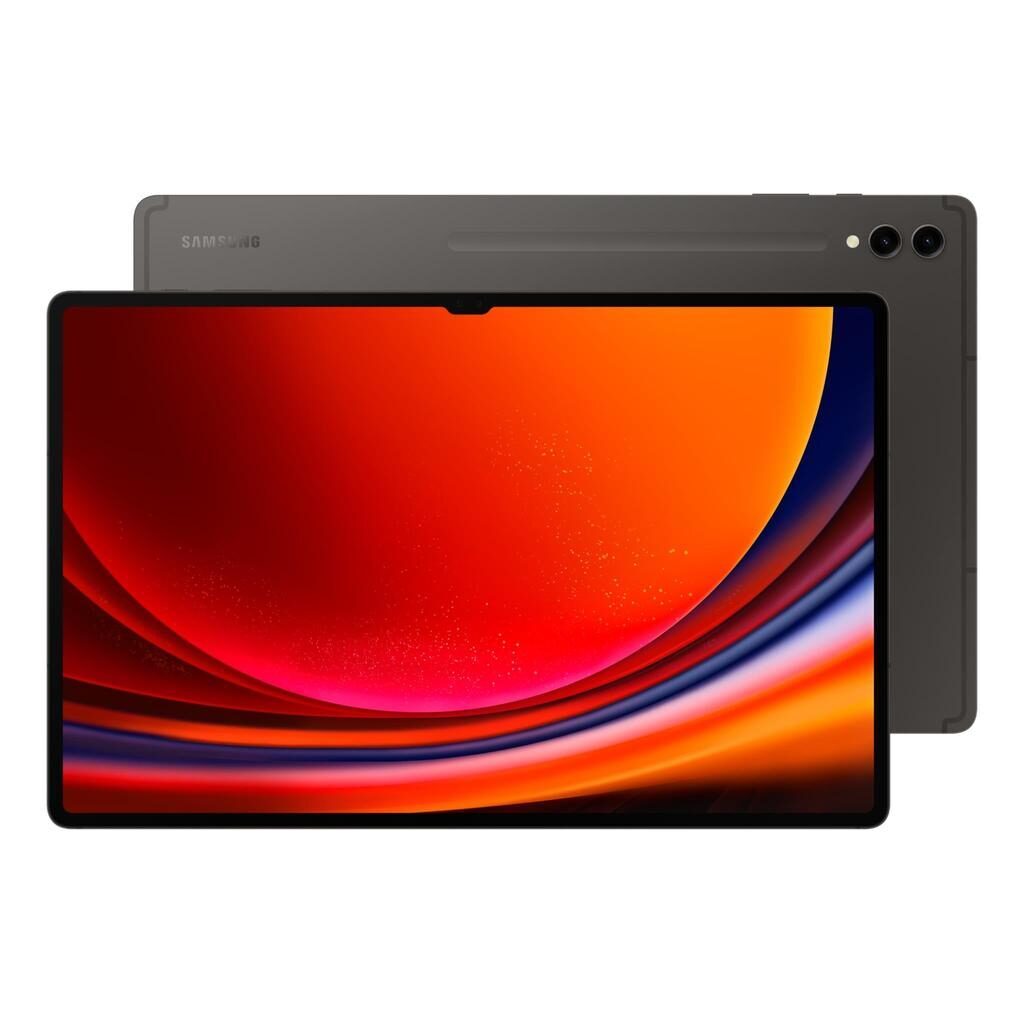
Galaxy Tab S10 Ultra (14.6", 2024) vs Galaxy Tab S3 (9.7", 2017)
Shop Samsung Galaxy Tab
Galaxy Tab S10 Ultra (14.6", 2024)
Starting at
£681.95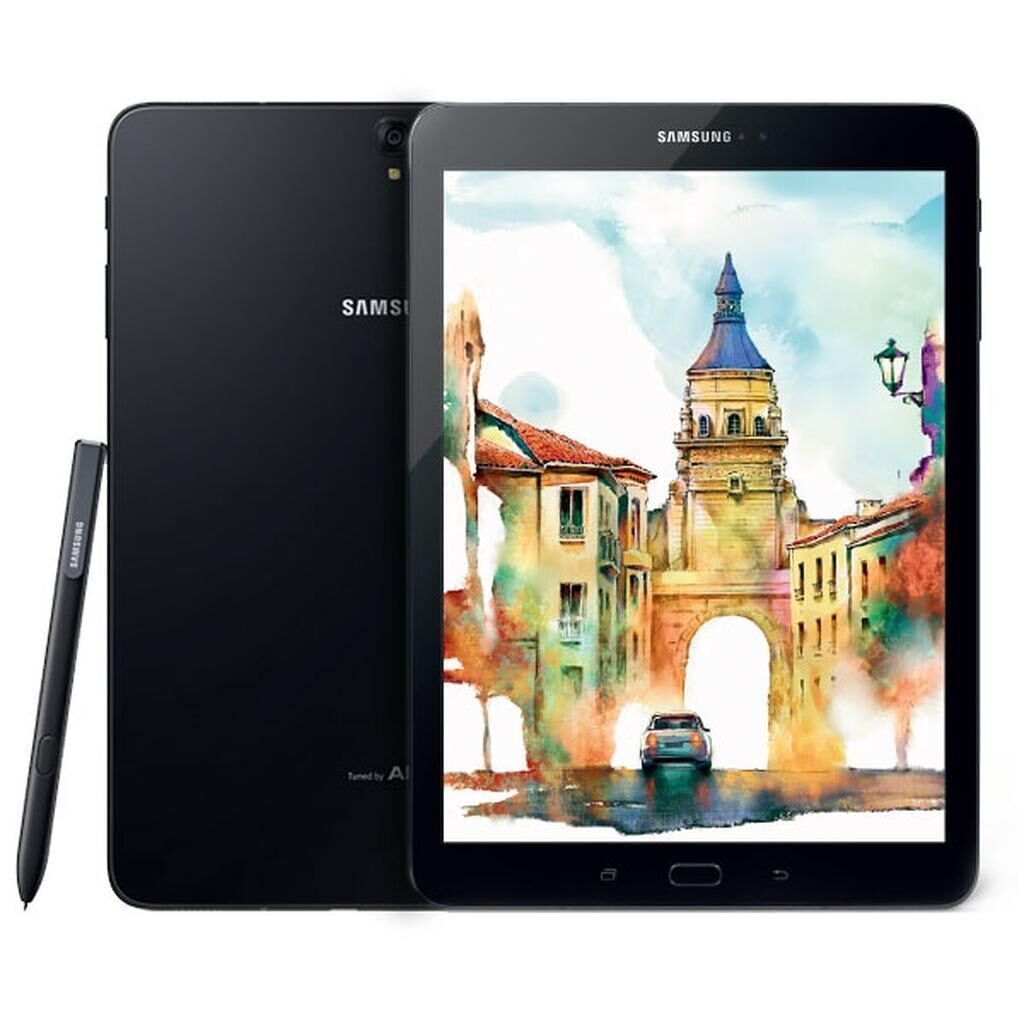
Galaxy Tab S3 (9.7", 2017)
Starting at
£103.06£599.00 newWhat's the difference between the Galaxy Tab S10 Ultra (14.6", 2024) and Galaxy Tab S3 (9.7", 2017)?
Galaxy Tab S10 Ultra (14.6", 2024) vs Galaxy Tab S3 (9.7", 2017) comes down to the chipset, RAM and battery. Refurbished, the Galaxy Tab S3 (9.7", 2017) starts at £103.06, £578.89 less than the Galaxy Tab S10 Ultra (14.6", 2024). The Galaxy Tab S10 Ultra (14.6", 2024) is the newer model, released in 2024.
Refurbished from
Chipset
RAM
Battery
Screen size
Screen type
- Chipset: Mediatek Dimensity 9300+ (4 nm) on the Galaxy Tab S10 Ultra (14.6", 2024), Qualcomm MSM8996 Snapdragon 820 (14 nm) on the Galaxy Tab S3 (9.7", 2017).
- The Galaxy Tab S10 Ultra (14.6", 2024) has more RAM: 12 GB vs 4 GB.
- The Galaxy Tab S10 Ultra (14.6", 2024) has a bigger battery: 11200 mAh vs 6000 mAh.
Galaxy Tab S10 Ultra (14.6", 2024) vs Galaxy Tab S3 (9.7", 2017) specs
The Galaxy Tab S10 Ultra and Galaxy Tab S3 differ mainly in size, power, and modern features. The Tab S10 Ultra offers a much larger 14.6 inch screen with Dynamic AMOLED 2X technology and a higher resolution, making it well suited for users who want a spacious display for media, multitasking, or productivity. It also has a more powerful 8-core processor, 12 GB RAM, and larger battery, catering to those who need speed and longer usage. The Tab S3 has a smaller 9.7 inch screen with Super AMOLED, a 4-core processor, and 4 GB RAM, which fits users who prefer a more compact device for everyday use. Both support stylus input and have similar camera capabilities, but the Tab S10 Ultra includes newer connectivity and dual SIM options.
Galaxy Tab S10 Ultra (14.6", 2024) vs Galaxy Tab S3 (9.7", 2017) price
Galaxy Tab S10 Ultra (14.6", 2024) vs Galaxy Tab S3 (9.7", 2017) battery life and software updates
Durability here covers battery life and software support which influence how long the devices remain useful and how long you can use them between charges.
Battery Capacity
The Galaxy Tab S10 Ultra has a 11200 mAh battery which suits users needing extended use without frequent charging, such as heavy media consumption or work on the go. The Galaxy Tab S3's 6000 mAh battery fits everyday tasks and moderate use, suitable for those who charge regularly or use the tablet for shorter periods.
Operating System Support
The Tab S10 Ultra supports Android 14, providing the latest features and security updates, ideal for users wanting current software over time. The Tab S3 supports up to Android 9.0, which suits users comfortable with a stable, simpler system typical of its release period.
Battery
Maximum operating system supported
Year of release
Galaxy Tab S10 Ultra (14.6", 2024) vs Galaxy Tab S3 (9.7", 2017) performance
Performance differences impact how smoothly apps run and how well the tablets handle multitasking and demanding processes.
Processor Power
The Galaxy Tab S10 Ultra uses an 8-core Mediatek Dimensity 9300+ processor at 3.4 GHz, designed for users who require fast, responsive performance for tasks like gaming, video editing, or professional apps. The Tab S3's 4-core Qualcomm Snapdragon 820 at 2.1500 GHz suits everyday activities such as browsing, streaming, and light multitasking.
Memory and Storage
With 12 GB RAM and storage options from 256GB to 1TB, the Tab S10 Ultra caters to users who keep many apps open and store large files or media. The Tab S3 has 4 GB RAM and 32 GB storage, fitting users who use fewer apps simultaneously and store less data on their device.
Chipset
Processor
Processor brand
Processor core
Processor speed ghz
RAM
Galaxy Tab S10 Ultra (14.6", 2024) vs Galaxy Tab S3 (9.7", 2017) screen
Screen quality affects how content looks and how comfortable the device is for viewing and interaction.
Screen Size and Type
The Galaxy Tab S10 Ultra has a notably larger 14.6 inch Dynamic AMOLED 2X display, providing a spacious, vivid viewing experience suitable for watching videos, drawing, or multitasking. The Tab S3's 9.7 inch Super AMOLED screen is more compact and easier to hold, fitting users who prefer portability and one-handed use.
Resolution and Pixel Density
The Tab S10 Ultra offers a higher resolution of 1848 x 2960 pixels, delivering sharp images on its large screen, while the Tab S3 has a 1536 x 2048 resolution with a higher pixel density of 270 ppp, making images crisp on its smaller display. Users focused on fine detail may appreciate the Tab S3's pixel density, while those wanting a bigger picture benefit from the Tab S10 Ultra's resolution.
Brightness
Display glass
Pixel density
Refresh rate
Resolution
Screen size
Screen type
Galaxy Tab S10 Ultra (14.6", 2024) vs Galaxy Tab S3 (9.7", 2017) camera
Audio and camera features influence media creation and consumption experiences on these tablets.
Front Camera Quality
The Galaxy Tab S10 Ultra has a 12 megapixel front camera, suitable for clearer video calls and selfies, benefiting users who frequently use the front camera. The Tab S3's 5 megapixel front camera is suitable for standard video calls and casual use.
Rear Camera and Video
Both tablets share a 13 megapixel rear camera and support 4K video recording at 30 FPS, making them equally capable for photography and video capture in everyday scenarios.
Speakers
Each device has four stereo speakers, providing a balanced sound experience for media playback and calls.
Front camera
Front camera definition
Main camera
Rear camera definition
Speakers
Video recording
Webcam
Galaxy Tab S10 Ultra (14.6", 2024) vs Galaxy Tab S3 (9.7", 2017) size and design
Other features include connectivity options, physical dimensions, and additional hardware that affect everyday use and compatibility.
Refresh Rate and Bluetooth
The Galaxy Tab S10 Ultra supports a 120 Hz refresh rate, offering smoother scrolling and animations, ideal for users valuing fluid visuals. It also features Bluetooth 5.3, which supports faster and more reliable wireless connections. The Tab S3 has a standard refresh rate and Bluetooth 4.2, suitable for everyday wireless needs.
SIM and Connectivity
The Tab S10 Ultra supports unlocked dual SIM (Nano-SIM plus eSIM) allowing flexible mobile network use. The Tab S3 has no SIM port, focusing on Wi-Fi connectivity only.
Physical Size and Weight
The Tab S10 Ultra measures 290 mm by 185 mm and weighs 576 g, making it a larger and heavier device suited for desk or lap use. The Tab S3 is smaller at 237.3 mm by 169 mm and lighter at 426 g, better for users seeking portability.
Headphones and Ports
The Tab S10 Ultra uses USB Type-C for headphones, reflecting modern accessory standards, while the Tab S3 includes a 3.5 mm headphone jack, convenient for traditional wired headphones without adapters.
Wi-Fi and Stylus Support
The Tab S10 Ultra supports Wi-Fi standards up to 802.11 a/b/g/n/ac/6e/7 for faster wireless connections. The Tab S3 supports up to 802.11 a/b/g/n/ac. Both tablets support stylus input, catering to note-taking or drawing.
120hz
Bluetooth version
Carrier compatibility
Connector
Depth
Double sim
Headphones connectivity
Height
Megapixels
Sim format
Touch
Weight
Width
Wifi technology
With stylus pencil
Galaxy Tab S10 Ultra (14.6", 2024) or Galaxy Tab S3 (9.7", 2017): which should you buy?
Buy the Galaxy Tab S10 Ultra (14.6", 2024) if
- you want more RAM (12 GB vs 4 GB)
- you want a bigger battery (11200 mAh vs 6000 mAh)
- you want a bigger screen (14.6 inch vs 9.7 inch)
Buy the Galaxy Tab S3 (9.7", 2017) if
- you want to spend less: it starts at £103.06, £578.89 less than the Galaxy Tab S10 Ultra (14.6", 2024)
- you want a lighter build (426 g vs 576 g)
- you want a headphone jack
What our customers say
Customers of the Galaxy Tab S10 Ultra report mixed experiences with device condition, with some receiving tablets in excellent or like-new condition and others noting scratches or marks on the screen. Many praise the device for its large screen and powerful performance, mentioning that it handles tasks smoothly and suits uses like displaying sheet music or general media consumption. The inclusion of a stylus and multiple storage options is appreciated, and users often highlight the device's modern features such as fast connectivity and high-resolution display.
Customers of the Galaxy Tab S3 generally find it reliable and well suited for everyday use like browsing, streaming, and light multitasking. They appreciate the battery life for full-day use and the clear screen despite some minor marks. Several note the absence of a stylus included with the device, which they addressed by purchasing one separately. The tablet is described as solid and comfortable to hold, with smooth app performance for typical tasks. Some users mention slower charging but are satisfied with the overall value.
The Galaxy Tab S10 Ultra suits users looking for a large, powerful tablet with modern features and high memory for demanding use. The Galaxy Tab S3 fits those wanting a smaller, lighter device for everyday activities with reliable battery life and straightforward performance.
Galaxy Tab S10 Ultra (14.6", 2024) vs Galaxy Tab S3 (9.7", 2017) FAQs
Galaxy Tab S10 Ultra (14.6", 2024) vs Galaxy Tab S3 (9.7", 2017) comes down to the chipset, RAM and battery. Chipset: Mediatek Dimensity 9300+ (4 nm) on the Galaxy Tab S10 Ultra (14.6", 2024), Qualcomm MSM8996 Snapdragon 820 (14 nm) on the Galaxy Tab S3 (9.7", 2017). The Galaxy Tab S10 Ultra (14.6", 2024) has more RAM: 12 GB vs 4 GB.
The Galaxy Tab S3 (9.7", 2017) is cheaper refurbished, from £103.06 compared with £681.95 for the Galaxy Tab S10 Ultra (14.6", 2024).
The Galaxy Tab S10 Ultra (14.6", 2024) has a bigger battery: 11200 mAh vs 6000 mAh.
Both have the same main camera: 13 megapixels.
The Galaxy Tab S10 Ultra (14.6", 2024) adds more RAM (12 GB vs 4 GB), a bigger battery (11200 mAh vs 6000 mAh) and a bigger screen (14.6 inch vs 9.7 inch). Refurbished, it costs £578.89 more (from £681.95 vs £103.06).
Refurbished, the Galaxy Tab S10 Ultra (14.6", 2024) comes in 256GB, 512GB and 1TB, and the Galaxy Tab S3 (9.7", 2017) in 32GB.