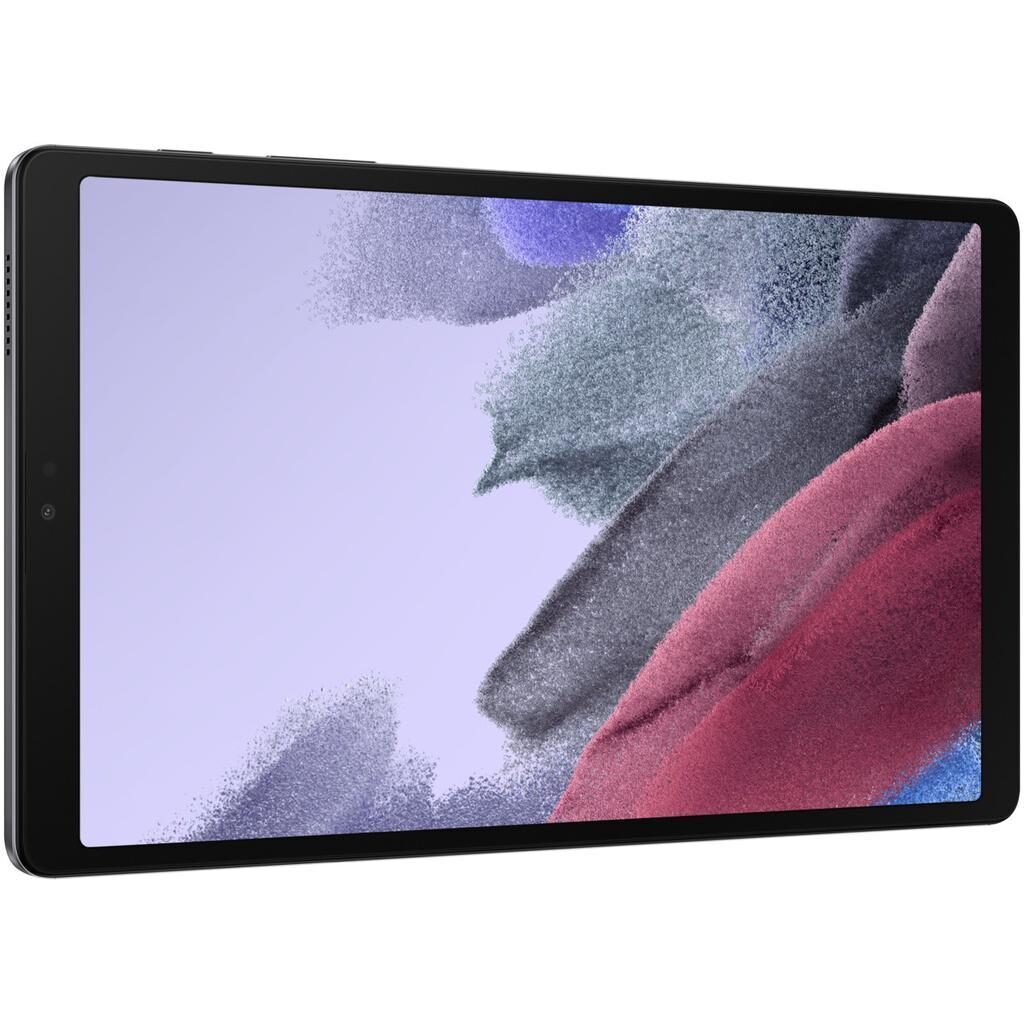
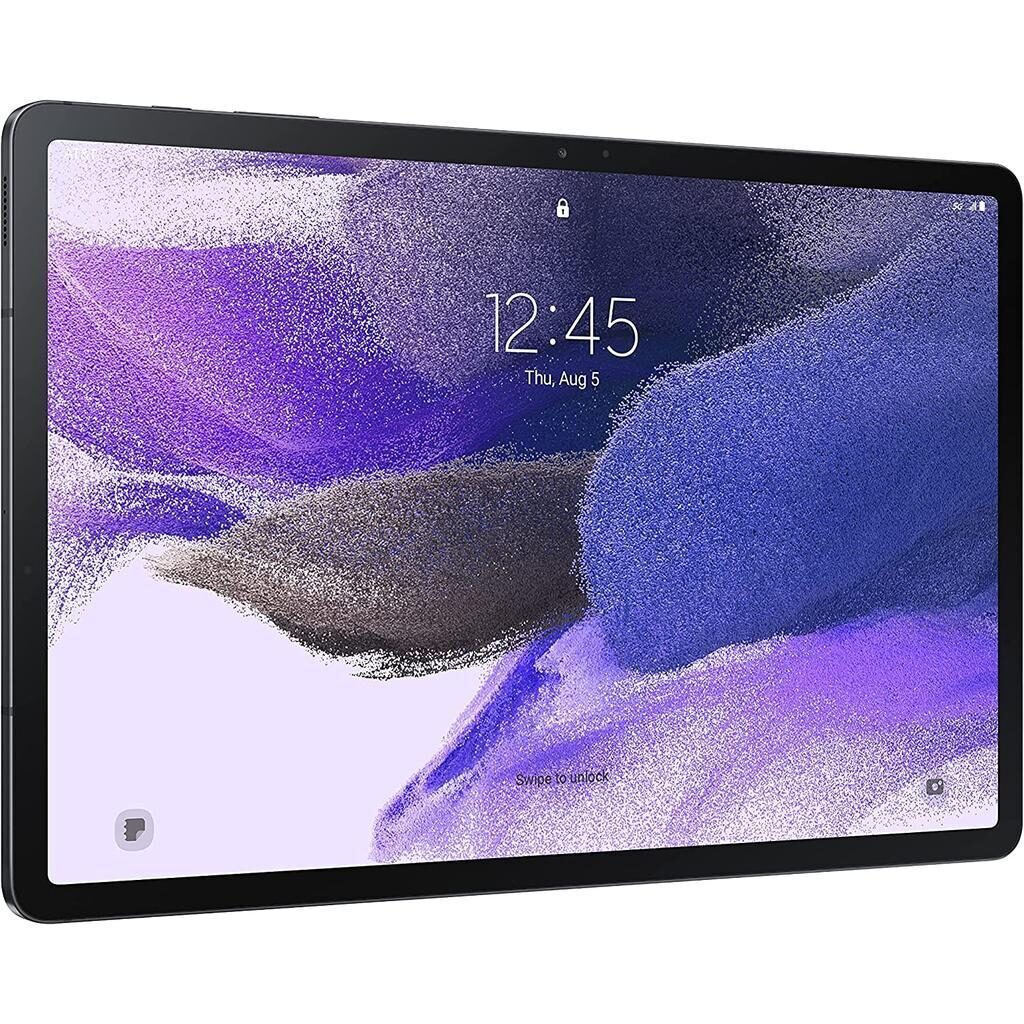
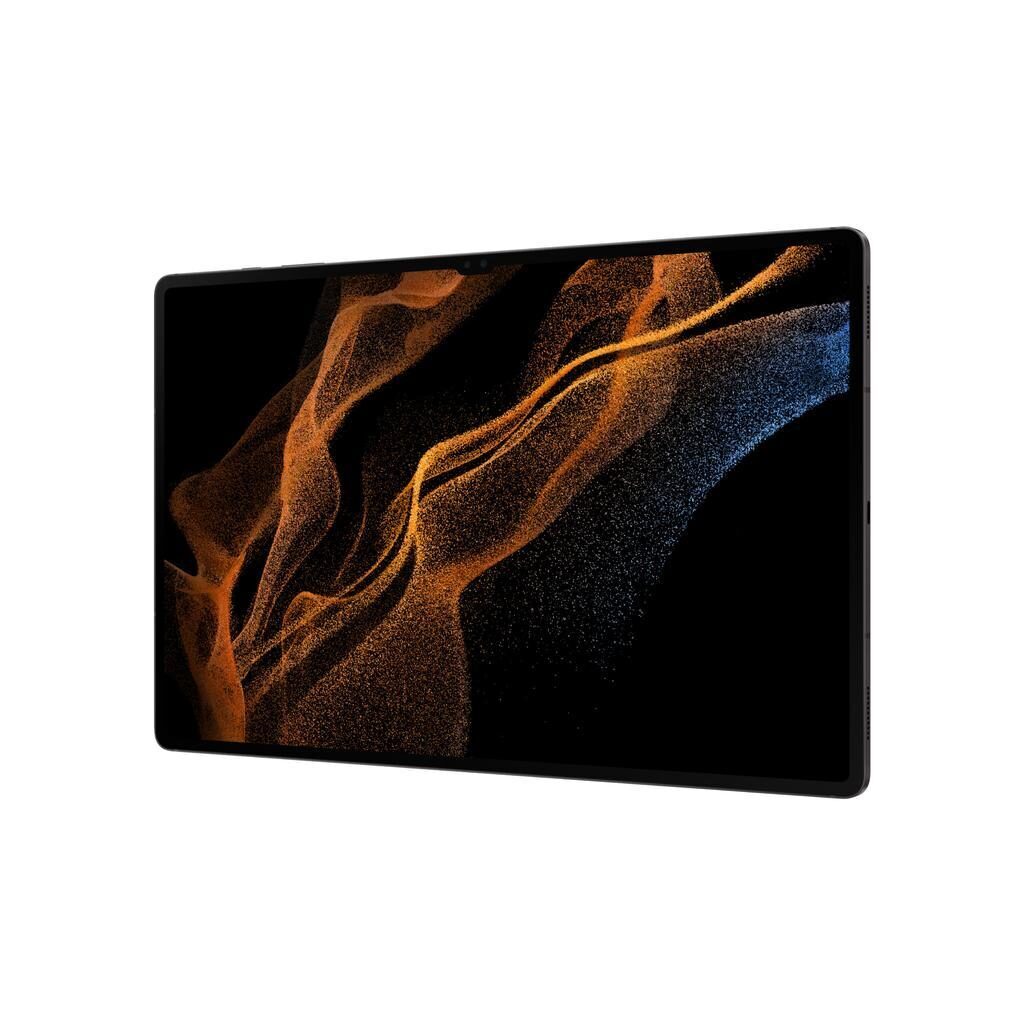
Galaxy Tab A8 (10.5", 2021) vs Galaxy Tab S10+ (12.4", 2024)
Shop Samsung Galaxy Tab
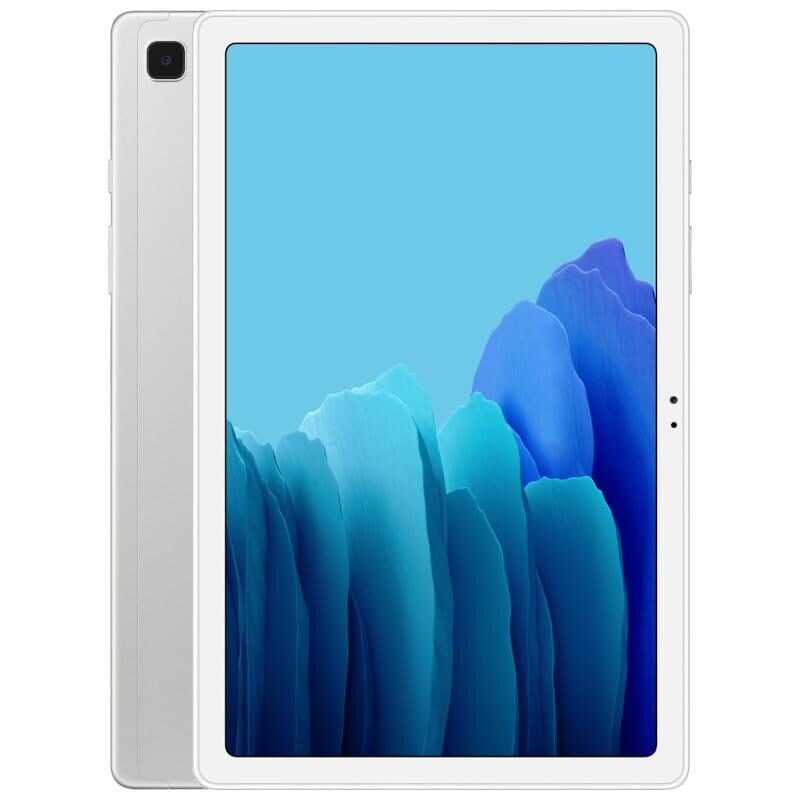
Galaxy Tab A8 (10.5", 2021)
Starting at
£100.00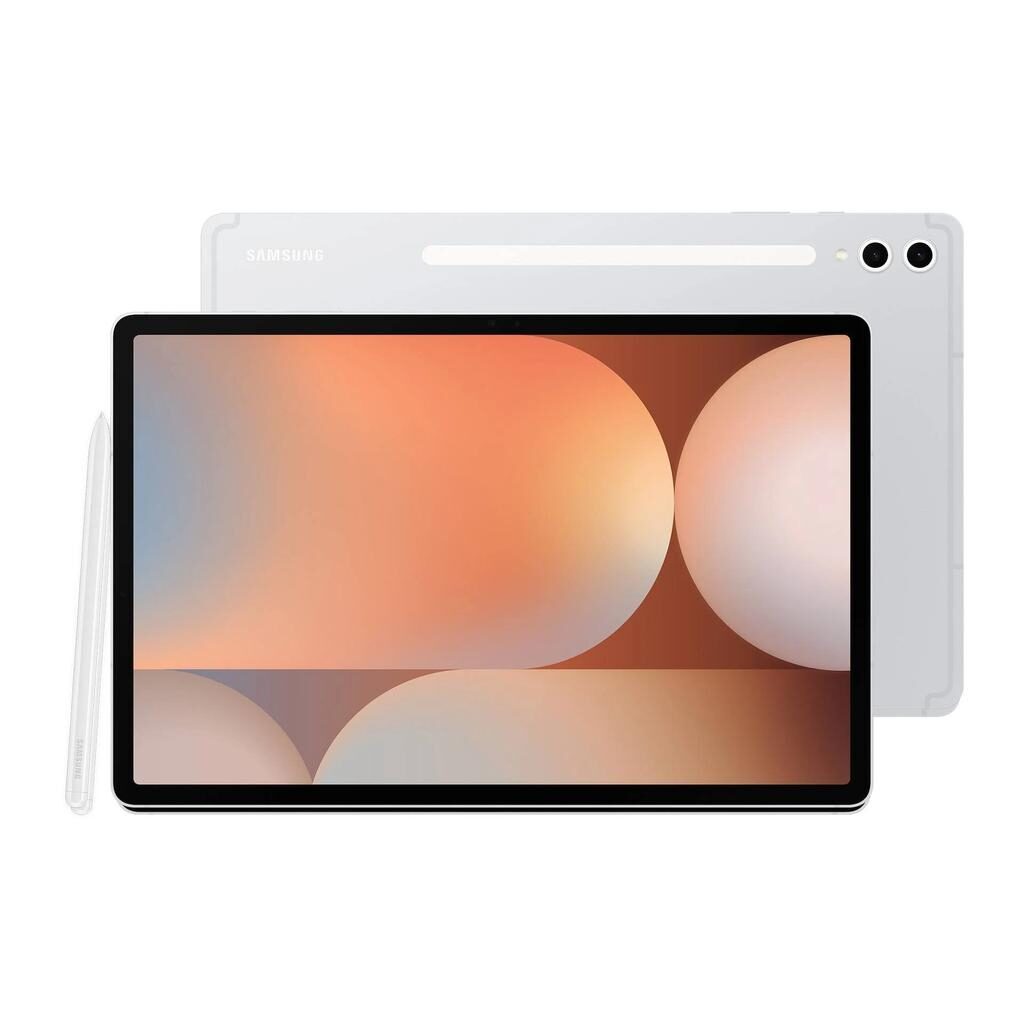
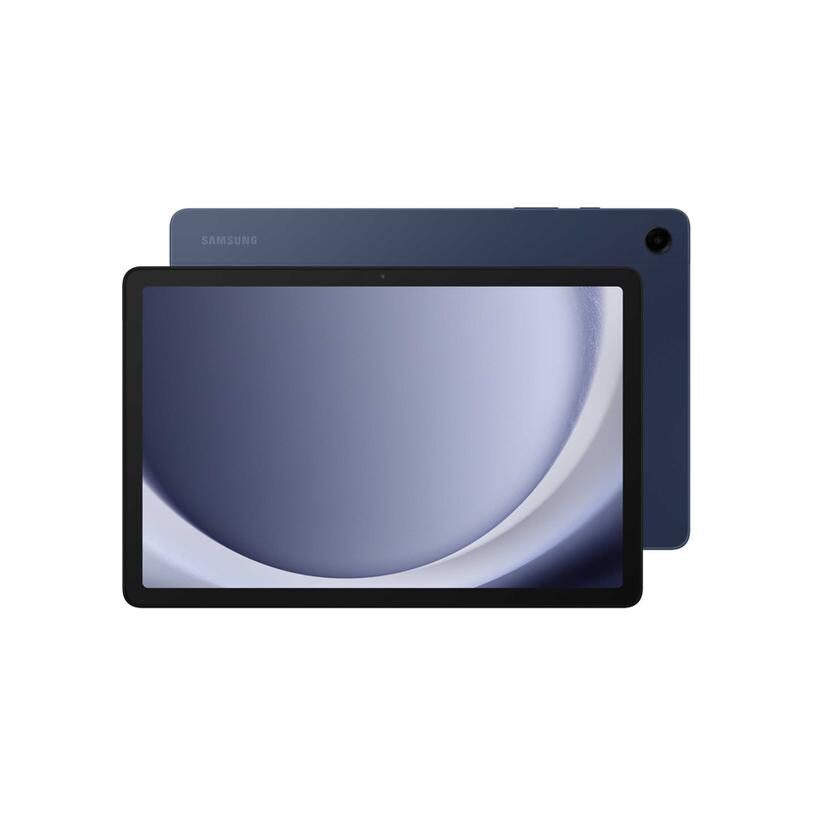
Galaxy Tab S10+ (12.4", 2024)
Starting at
£714.69£919.61 newWhat's the difference between the Galaxy Tab A8 (10.5", 2021) and Galaxy Tab S10+ (12.4", 2024)?
Galaxy Tab A8 (10.5", 2021) vs Galaxy Tab S10+ (12.4", 2024) comes down to the RAM, screen size and screen type. Refurbished, the Galaxy Tab A8 (10.5", 2021) starts at £100, £614.69 less than the Galaxy Tab S10+ (12.4", 2024). The Galaxy Tab S10+ (12.4", 2024) is the newer model, released in 2024.
Refurbished from
RAM
Screen size
Screen type
Weight
- The Galaxy Tab S10+ (12.4", 2024) has more RAM: 12 GB vs 3 GB.
- The Galaxy Tab S10+ (12.4", 2024) has a bigger screen: 12.4 inch vs 10.5 inch.
- The Galaxy Tab S10+ (12.4", 2024) has an OLED screen.
Galaxy Tab A8 (10.5", 2021) vs Galaxy Tab S10+ (12.4", 2024) specs
The Galaxy Tab A8 (10.5", 2021) and the Galaxy Tab S10+ (12.4", 2024) offer different experiences suited to different users. The Galaxy Tab A8 is a simpler choice with a smaller screen and less memory, making it well suited for everyday tasks and light app use. The Galaxy Tab S10+ features a larger, higher resolution Dynamic AMOLED 2X screen and significantly more RAM, ideal for users who want a roomier display and smoother multitasking. Storage options also differ, with the Tab S10+ offering much larger capacities. Both run Android 14 but vary in weight and connectivity options. Your choice depends on whether you prioritise screen size, performance, or portability.
Galaxy Tab A8 (10.5", 2021) vs Galaxy Tab S10+ (12.4", 2024) price
Colour
Galaxy Tab A8 (10.5", 2021) vs Galaxy Tab S10+ (12.4", 2024) battery life and software updates
Durability includes the operating system support and release year. Both tablets support the latest Android version available here.
Operating System Support
Both the Galaxy Tab A8 and Galaxy Tab S10+ support Android 14. This ensures access to the latest features and security updates on both models, helping them stay useful over time.
Release Year Context
The Galaxy Tab A8 was released in 2021 while the Galaxy Tab S10+ came out in 2024.
Maximum operating system supported
Year of release
Galaxy Tab A8 (10.5", 2021) vs Galaxy Tab S10+ (12.4", 2024) performance
Performance shapes how smoothly a tablet handles apps and multitasking. These two devices differ strongly in processor type, RAM, and storage options, affecting daily responsiveness and capacity for files or media.
Processor Power
The Galaxy Tab A8 uses the Unisoc Tiger T618 processor, which suits everyday apps and tasks. The Galaxy Tab S10+ has the Mediatek Dimensity 9300+ processor, offering higher performance for more demanding use.
Memory Capacity
With 3 GB of RAM, the Galaxy Tab A8 is suitable for basic multitasking and lighter app use. The Galaxy Tab S10+ has 12 GB of RAM, which keeps many apps open and running smoothly at once, ideal for power users.
Storage Space
Storage options for the Galaxy Tab A8 are 32 GB or 64 GB, which fits casual use and lighter storage needs. The Galaxy Tab S10+ offers 256 GB or 512 GB, giving plenty of room for apps, files, and media.
Processor
Processor brand
RAM
Galaxy Tab A8 (10.5", 2021) vs Galaxy Tab S10+ (12.4", 2024) screen
Screen quality matters for viewing comfort and clarity. These tablets differ in size, resolution, pixel density, and screen technology, influencing how vibrant and sharp the display looks.
Screen Size and Resolution
The Galaxy Tab A8 has a 10.5 inch screen with a resolution of 1200 by 1920 pixels, offering a clear view for everyday use. The Galaxy Tab S10+ features a larger 12.4 inch screen with a higher resolution of 1752 by 2800 pixels, providing more space and sharper images.
Pixel Density
With 220 pixels per inch, the Galaxy Tab A8's screen delivers good clarity for casual viewing. The Galaxy Tab S10+ has a higher pixel density of 270 pixels per inch, resulting in finer detail and crisper visuals, especially noticeable when reading or watching high-definition content.
Screen Technology
The Galaxy Tab A8 uses a TFT LCD screen, suitable for general use with bright and clear images. The Galaxy Tab S10+ has a Dynamic AMOLED 2X screen, offering richer colours, deeper blacks, and better contrast, making it well suited to media consumption and creative work.
Pixel density
Refresh rate
Resolution
Screen size
Screen type
Galaxy Tab A8 (10.5", 2021) vs Galaxy Tab S10+ (12.4", 2024) camera
Audio and visual features impact entertainment and communication experiences. Both tablets have stereo speakers and webcams, supporting calls and media playback.
Speakers and Sound
Both the Galaxy Tab A8 and Galaxy Tab S10+ have four stereo speakers. This setup provides balanced sound for watching videos or video calls on either device.
Webcam Availability
Each tablet includes a webcam, allowing for video calls and meetings. This makes both models suitable for staying connected with friends, family, or work.
Speakers
Webcam
Galaxy Tab A8 (10.5", 2021) vs Galaxy Tab S10+ (12.4", 2024) size and design
Other features include carrier compatibility, connection ports, and weight. These affect how you use the tablet daily and how portable it feels.
Carrier Compatibility
The Galaxy Tab A8 is unlocked, giving flexibility to use SIM cards if needed. The Galaxy Tab S10+ does not have a SIM port, so it cannot use mobile networks through a SIM card.
Connector Type
Both tablets use USB-C connectors, which allow for charging and connecting accessories with a common port type.
Weight Differences
The Galaxy Tab A8 weighs 508 grams, making it moderately portable for everyday use. The Galaxy Tab S10+ weighs 129 grams, which is notably lighter and easier to carry for extended periods.
120hz
Carrier compatibility
Connector
Double sim
Megapixels
Network
Touch
Weight
Galaxy Tab A8 (10.5", 2021) or Galaxy Tab S10+ (12.4", 2024): which should you buy?
Buy the Galaxy Tab A8 (10.5", 2021) if
- you want to spend less: it starts at £100, £614.69 less than the Galaxy Tab S10+ (12.4", 2024)
Buy the Galaxy Tab S10+ (12.4", 2024) if
- you want more RAM (12 GB vs 3 GB)
- you want a bigger screen (12.4 inch vs 10.5 inch)
- you want an OLED screen
What our customers say
Customers who bought the Galaxy Tab A8 (10.5", 2021) appreciate its price and solid build. Many mention the screen is bright and clear, and the device looks almost new when received. It handles everyday apps smoothly, and 32 GB of storage suits casual use. Some note the battery life is acceptable though not remarkable. The tablet connects well with accessories like keyboards and mice and is generally easy to use for simple tasks and media.
Reviews of the Galaxy Tab S10+ (12.4", 2024) highlight its larger screen as ideal for artists and media consumption. Customers say it runs apps quickly without freezing and feels like new with minimal marks. The battery life is good for a full day's use in meetings or streaming, though some find it drains faster when watching videos. Storage space is praised as ample, and the overall performance meets expectations for a device with 12 GB of RAM. The tablet is described as solid and reliable.
Overall, the Galaxy Tab A8 suits those wanting a straightforward, reliable tablet for everyday tasks and lighter use. The Galaxy Tab S10+ appeals to users needing a larger, sharper screen and more memory for multitasking and creative or demanding apps.
Galaxy Tab A8 (10.5", 2021) vs Galaxy Tab S10+ (12.4", 2024) FAQs
Galaxy Tab A8 (10.5", 2021) vs Galaxy Tab S10+ (12.4", 2024) comes down to the RAM, screen size and screen type. The Galaxy Tab S10+ (12.4", 2024) has more RAM: 12 GB vs 3 GB. The Galaxy Tab S10+ (12.4", 2024) has a bigger screen: 12.4 inch vs 10.5 inch.
The Galaxy Tab A8 (10.5", 2021) is cheaper refurbished, from £100 compared with £714.69 for the Galaxy Tab S10+ (12.4", 2024).
The Galaxy Tab S10+ (12.4", 2024) adds more RAM (12 GB vs 3 GB), a bigger screen (12.4 inch vs 10.5 inch) and an OLED screen. Refurbished, it costs £614.69 more (from £714.69 vs £100).
Refurbished, the Galaxy Tab A8 (10.5", 2021) comes in 32GB and 64GB, and the Galaxy Tab S10+ (12.4", 2024) in 256GB and 512GB.